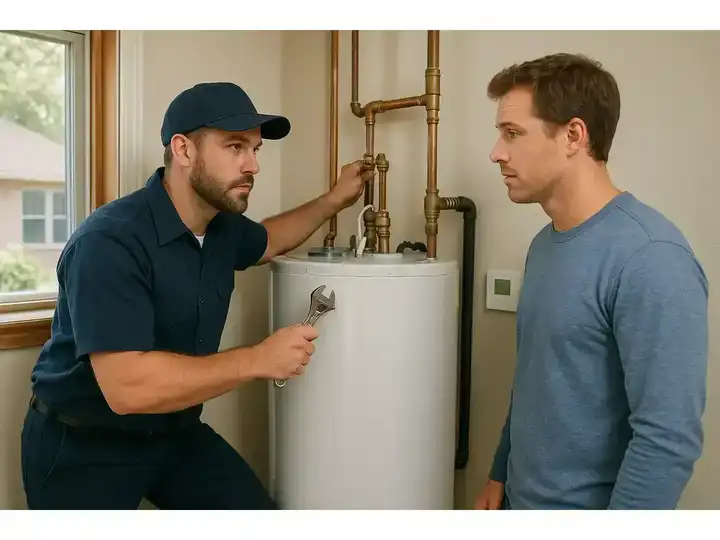
Water heater replacement is one of those home projects that can feel straightforward until the details start adding up. In Niceville, FL, those details matter even more. Between the Gulf Coast climate, humid garages and closets, hard working family homes, and the mix of older and newer plumbing systems around Okaloosa County, replacing a water heater is rarely just about swapping out one tank for another.
Homeowners usually notice the obvious problems first, like no hot water, a leaking tank, or rusty water. What often gets overlooked is everything that affects how well the new system will perform after installation. The right size, fuel type, venting, code requirements, and water quality all play a role. If you are planning water heater replacement in Niceville, FL, taking a closer look at those details can save money, reduce stress, and help the new unit last longer.
Why water heater replacement in Niceville deserves local attention
Niceville homes deal with conditions that can wear on plumbing equipment faster than many homeowners expect. Humidity is a year round factor, and many water heaters are installed in garages, closets, or utility spaces that are not perfectly climate controlled. That moisture can contribute to corrosion on fittings, valves, and the tank itself. Add in mineral content in the water and the demands of family life, and it becomes easier to understand why some water heaters fail earlier than expected.
Local homes also vary a lot. Some neighborhoods have older plumbing layouts, while newer construction may be set up for higher efficiency systems or tankless upgrades. That is why working with a company that knows Niceville and the surrounding Okaloosa County area can make a real difference. A local plumber understands the kinds of installations that are common here, the permitting and code issues that may come up, and how to match a system to the home instead of just replacing the old unit with something similar.
The replacement choice is not always obvious
Many homeowners assume the best replacement is simply the same type and size as the old water heater. That can work in some cases, but it is not always the smartest option. A tank heater that served a family of two years ago may not keep up with a larger household now. A tankless system may offer better efficiency, but it also needs proper gas supply, electrical support, and installation planning to work correctly.
Tank size and recovery rate matter more than most people think
For tank water heaters, size is not just about the number of gallons. Recovery rate matters too. Recovery rate is how quickly the unit can heat water after it has been used. In a household with back to back showers, laundry, and dishwashing, a tank that is too small or too slow can leave everyone waiting. On the other hand, installing a much larger tank than needed can waste energy and take up unnecessary space.
In Niceville, many homes have patterns that affect hot water demand in predictable ways. Early morning routines, busy family schedules, and weekend guests can all push a water heater harder than a seller brochure might suggest. A professional installer will look at household size, fixture count, and daily usage instead of relying on guesswork.
Tankless systems need the right setup
Tankless water heaters are popular for homeowners who want endless hot water and better efficiency. But they are not automatic upgrades. They require the right gas line sizing, venting, and sometimes electrical work. If those pieces are not addressed during replacement, the system may underperform or fail to deliver the savings the homeowner expected.
If you are considering a tankless unit, it helps to talk with a plumber who also handles water heater services in Niceville. That way, you get guidance on whether your home can support the upgrade and what changes might be needed before installation.
Water quality and sediment buildup can shorten a water heater’s life
One of the most overlooked issues in water heater replacement is what caused the old unit to fail in the first place. In many cases, the problem is not just age. Sediment buildup, mineral deposits, and corrosion can all reduce efficiency and damage the tank over time. When hard water or mineral heavy water runs through a system for years, it can settle at the bottom of the tank. That sediment forces the burner or heating element to work harder and can create popping or rumbling noises.
If a homeowner replaces the water heater but never addresses the cause of the buildup, the new unit may face the same stress. Regular flushing and maintenance help, but in some homes, pipe conditions or water quality concerns may also need attention. In those cases, a broader plumbing replacement conversation may make sense, especially if aging pipes or corroded fittings are part of the picture.
Installation details can affect performance for years
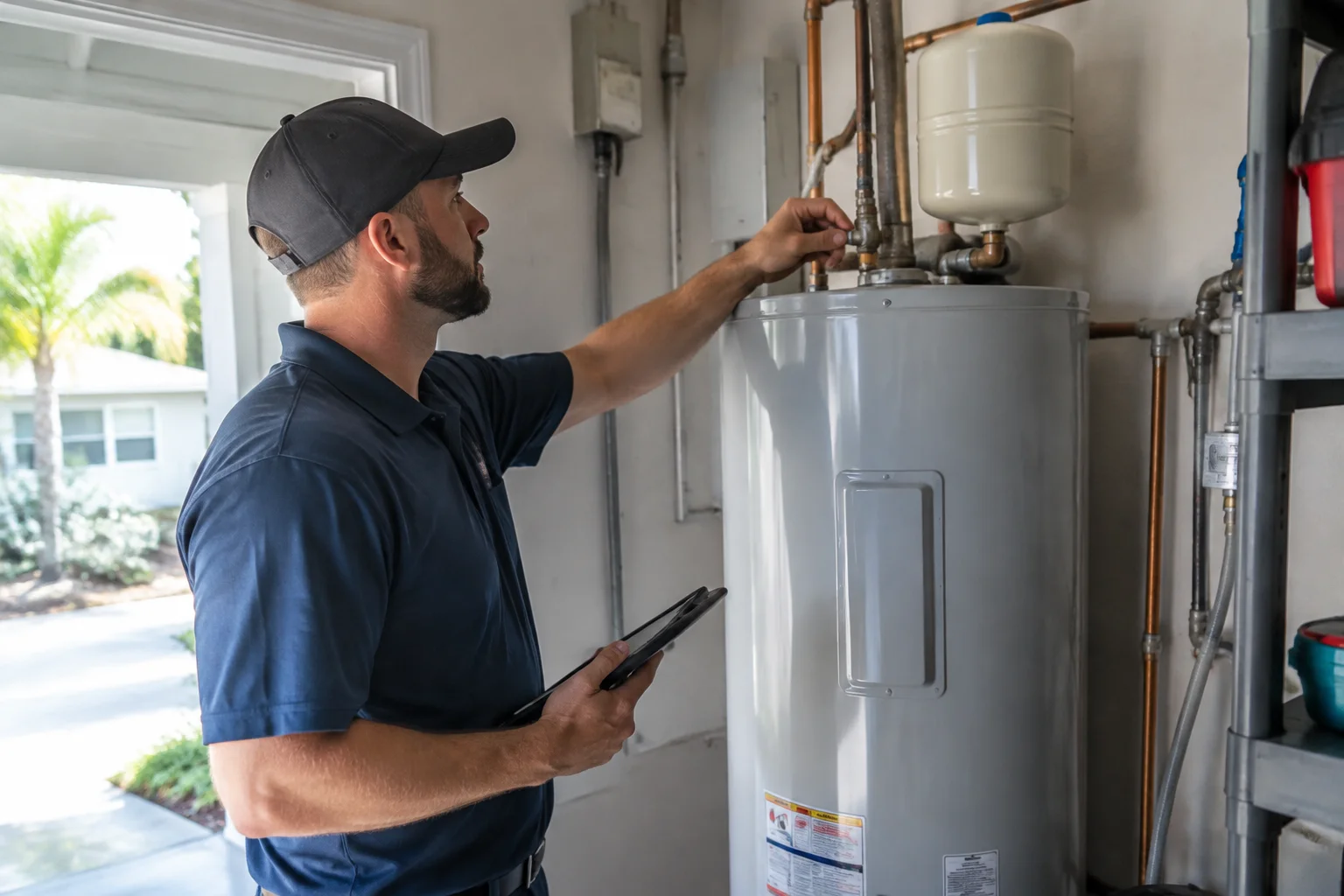
Water heater replacement is not just about connecting two pipes and turning the water back on. The installation itself has a big impact on safety, efficiency, and durability. In Niceville homes, some of the most overlooked details include drain pan placement, expansion tank requirements, venting, seismic or strapping considerations where applicable, and proper temperature and pressure relief valve setup.
Even small issues can create headaches later. A water heater that is not level can wear unevenly. A poorly routed drain line can create water damage. A missing or undersized expansion tank can lead to pressure problems in the plumbing system. These are the kinds of details that local professionals pay attention to during installation.
Humidity also matters. In coastal Florida conditions, exposed metal parts and connections can corrode faster. Good installation practices, proper insulation, and quality materials help protect the new system. That is one reason homeowners often prefer a local plumber who understands the environment and the homes in the area rather than a one size fits all approach.
Energy efficiency is about more than the sticker on the tank
Many homeowners look at the energy rating and stop there. Efficiency labels are useful, but they do not tell the whole story. A water heater can have a strong rating and still cost more to run if it is oversized, installed in the wrong location, or paired with outdated plumbing. Likewise, a tankless unit may be efficient on paper but not practical if the home needs major upgrades to support it.
The best choice depends on how the home actually uses hot water. A smaller household with steady usage may benefit from a different setup than a busy family with multiple bathrooms. Homes in Niceville also vary in how much space they have for equipment, which can influence whether a traditional tank or tankless model is the better fit.
For homeowners comparing options and cost, it can help to look at financing too. A replacement is often easier to manage when the budget is spread out. That is why some residents also read about Why Homeowners Need Plumbing Financing in Niceville, FL when planning larger plumbing projects.
How to tell the old water heater is past the point of repair
Some water heaters can be repaired, but there comes a point when replacement is the better investment. Common warning signs include rusty water, visible corrosion on the tank, moisture around the base, inconsistent water temperature, loud popping or banging noises, and a unit that is nearing or past its expected lifespan. For many tank models, that lifespan is often around 8 to 12 years, though local water conditions and maintenance can affect it.
If the tank is leaking from the body itself, replacement is usually the only real option. Small leaks from fittings or valves may be repairable, but when a tank starts to fail internally, waiting usually leads to more damage. In a humid Florida environment, even a slow leak can create mold, flooring damage, or cabinet issues before the homeowner realizes how much water has escaped.
Maintenance after replacement is easy to overlook
Once the new water heater is installed, many homeowners assume the job is done for good. In reality, a little maintenance goes a long way. Flushing sediment, checking the temperature and pressure relief valve, inspecting fittings for leaks, and monitoring for corrosion can help the unit last longer and work more efficiently.
In homes where the water heater is tucked away in a closet or garage, it is smart to keep the area clear and dry. That makes it easier to spot leaks early. If the system is tankless, annual service is even more important because scale buildup can affect performance. A local plumber can recommend a maintenance schedule based on the home and the type of unit installed.
Why the right local plumber matters
Water heater replacement can be handled by many plumbing companies, but local experience matters. A plumber who works in Niceville and the surrounding county knows how Florida humidity affects equipment, how local homes are laid out, and which replacement options tend to work best in real world conditions. That is especially useful if the project involves venting changes, electrical adjustments, or a switch from tank to tankless.
A Superior Mechanical helps homeowners choose and install systems that fit the home instead of forcing a generic solution. For homeowners who want dependable hot water without the guesswork, it is worth working with a team that handles water heater replacement in Niceville, FL with local knowledge and practical installation experience.
Other plumbing issues that can show up during the same visit
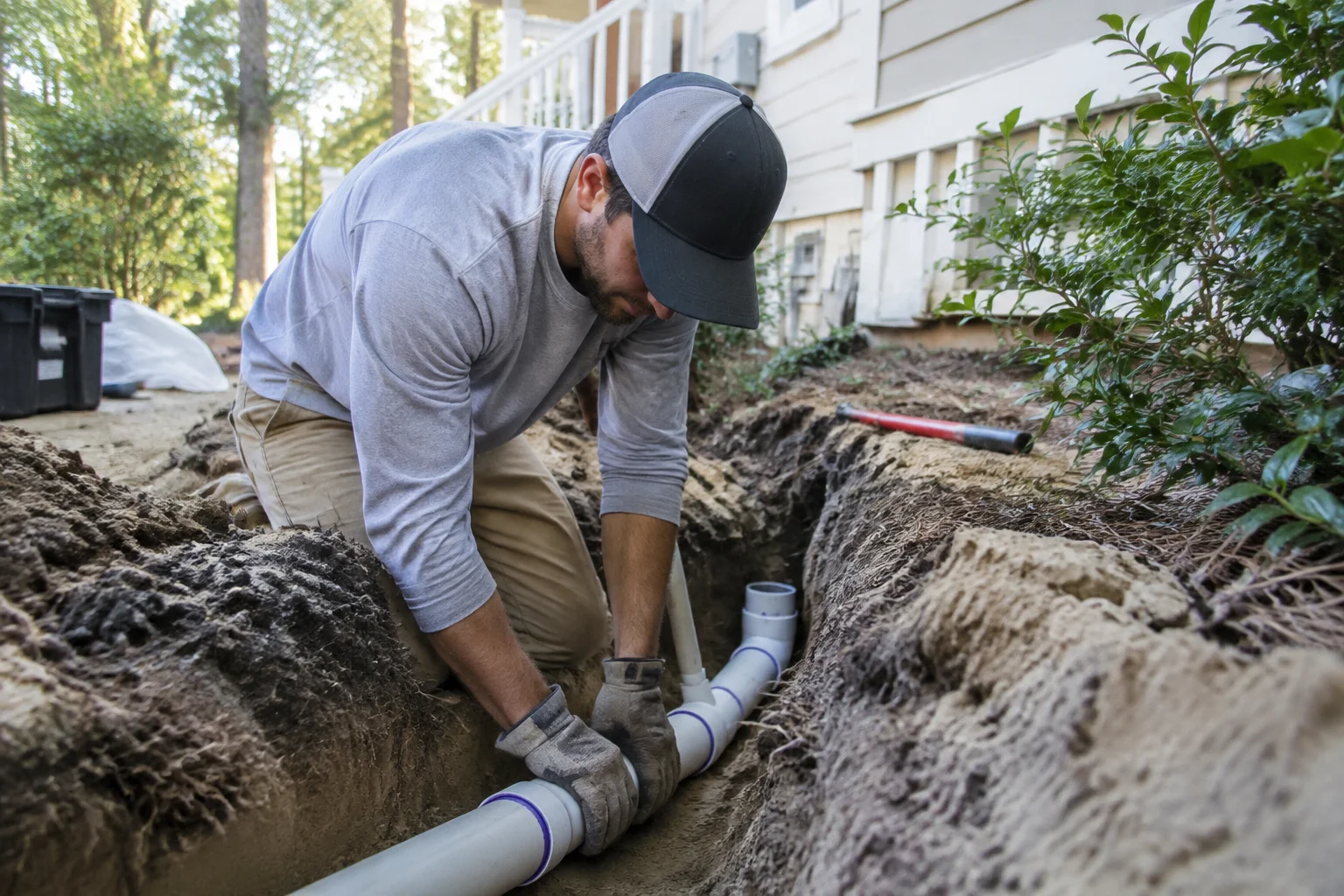
Sometimes a water heater replacement reveals related plumbing problems. Corroded shutoff valves, aging supply lines, pressure issues, and drainage concerns can all come to light once the old unit is removed. In some homes, the water heater is only one part of a bigger plumbing picture.
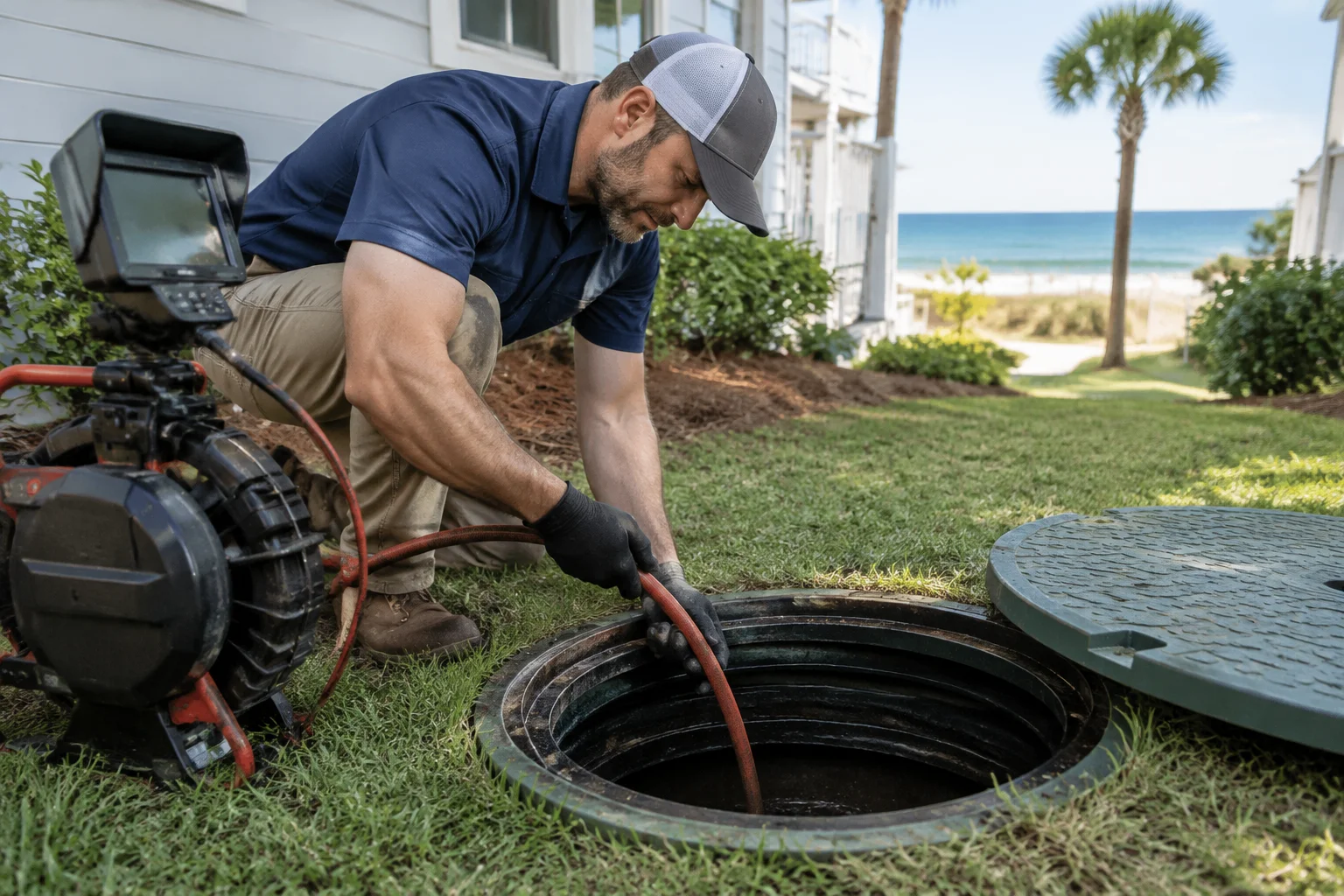
If the replacement visit uncovers slow drains or sewer concerns, a homeowner may also need related work such as When to Call for Sewer Repair & Maintenance in Niceville, FL or Hydro Jetting. If the bathroom plumbing is also showing its age, it may be a good time to look at A Niceville Homeowner’s Guide to Better Toilet Repair and Replacement or Toilet Repair & Replacement. Coordinating repairs during the same service call can save time and help prevent future interruptions.
Planning ahead makes replacement easier
Homeowners who plan ahead usually have a better experience with water heater replacement. That means watching for early warning signs, budgeting before a failure becomes an emergency, and choosing a system based on the home rather than the old unit alone. It also means working with a plumber who can explain the options clearly and handle the installation correctly the first time.
If your current water heater is aging, leaking, or struggling to keep up, a replacement does not have to be stressful. With the right guidance and a local team that understands Niceville homes, you can choose a system that delivers steady hot water, fits your space, and holds up better in the Florida climate.
Find Water Heater Replacement in Niceville, FL
If you need Water Heater Replacement in Niceville, FL, visit our local service page or contact A Superior Mechanical today.
Map of Niceville, FL
Frequently Asked Questions
How long do water heaters usually last in Niceville homes?
Many tank water heaters last around 8 to 12 years, though local water quality, humidity, and maintenance can affect that timeline. Tankless units often last longer with regular service.
Is tankless always better than a standard tank water heater?
Not always. Tankless systems can be efficient and space saving, but they need the right gas, venting, and installation setup. Some homes are better suited to a traditional tank.
Can sediment buildup really cause a water heater to fail early?
Yes. Sediment can reduce efficiency, create noise, and put extra strain on the heating components. Over time, that wear can shorten the life of the unit.
Should I replace nearby plumbing parts at the same time?
If shutoff valves, supply lines, or fittings are corroded, replacing them during the same visit can help prevent leaks and future service calls. A plumber can inspect the whole setup.
Related Articles
Photo Gallery