Do not remove an electrical panel cover, touch exposed conductors, bypass protection, or repeatedly reset a fault. Keep clear of smoke, sparks, burning odors, hot equipment, standing water near electricity, and downed lines, then call qualified help.
You are walking through a Camp Creek home that looks move-in ready when a few electrical details raise questions. A bathroom GFCI receptacle will not reset, an outdoor outlet has a cracked cover, and the lights dim when the air-conditioning equipment starts. The seller may say the home has "always done that," but those symptoms deserve a closer look before you take ownership.
Do not remove covers, touch exposed wiring, or repeatedly reset a breaker that will not stay on. Write down what happened, stop using any hot or damaged device, and arrange for a licensed electrician to evaluate it before the inspection period ends. An electrical inspection checklist before buying a Northwest Florida home in Camp Creek should show whether the issue is a minor correction, a circuit repair, or evidence that the home's electrical capacity needs review.
Start With the Home's Electrical Service Capacity
The electrical service brings utility power into the home and distributes it through the main panel. The number printed on the main breaker is useful, but it does not answer every question about capacity.
A home may have electric water heating, multiple HVAC systems, pool equipment, an outdoor kitchen, an EV charger, or a generator connection. The electrician may perform a load calculation, which estimates how much electricity the home could reasonably use at the same time. This matters if you plan to add major equipment after closing.
Ask whether breakers trip during use and whether large equipment was added after the original installation.
Inspect the Main Panel Without Opening It
The panel should be accessible, dry, securely mounted, and protected from damage. You can observe the enclosure, but never remove its metal cover.
Look for rust, missing screws, open breaker spaces, scorch marks, buzzing, or a burning odor. The circuit directory should identify rooms and major equipment clearly. Labels such as "lights" or "miscellaneous" may not provide enough information during an emergency.
A licensed electrician can check breaker compatibility, conductor sizes, overheating, grounding connections, and unapproved modifications inside the panel.
Test Receptacles Near Water
Kitchens, bathrooms, garages, and outdoor areas need careful attention. GFCI protection interrupts power when electricity leaves its intended path. One GFCI device may protect additional outlets farther down the circuit.
If a GFCI device will not reset, it may have failed, lost upstream power, detected moisture, or found a wiring fault. Do not continue pressing the reset button. Note which outlets stopped working and let the electrician test the circuit.
Check for loose receptacles, cracked plates, discoloration, warmth, buzzing, or plugs that fall out. A three-prong outlet does not prove that grounding is present.
Evaluate Outdoor Electrical Equipment
Camp Creek properties may include exterior lighting, pool or spa systems, outdoor receptacles, or detached structures. Such wiring can be exposed to Florida heat, humidity, rain, and, depending on the property's location, salt-laden air.
Look for broken weatherproof covers, corroded fittings, loose boxes, damaged conduit, or temporary wiring. Do not open outdoor panels or touch equipment while standing on wet surfaces.
For pools and spas, an electrician can evaluate disconnects, GFCI protection, grounding, bonding, and visible wiring. Bonding connects metal parts together to reduce dangerous voltage differences.
Check Lighting, Fans, and Major Appliances
Operate lights, ceiling fans, and included appliances normally. One flickering light may involve a loose bulb or worn switch. Flickering across several rooms may point to a loose connection, voltage drop, overloaded circuit, or service problem.
Listen for crackling or buzzing. Mild warmth can occur with some dimmers, but excessive heat, odor, discoloration, or erratic operation should be evaluated.
Ask whether the oven, dryer, HVAC equipment, water heater, and pool equipment have dedicated circuits. Extension cords and power strips are not permanent substitutes for installed wiring.
Review Renovations and Added Features
Updated finishes do not guarantee updated wiring. Ask when kitchens, bathrooms, garages, patios, or outdoor amenities were added or remodeled. Request permits, invoices, and contractor information when available.
Warning signs include new appliances on general-purpose circuits, mismatched devices, dead switches, inaccessible junction boxes, or wiring that disappears behind cabinetry.
The least invasive repair may be replacing a damaged device, correcting a loose connection, relabeling circuits, or installing one dedicated circuit. A full rewire should not be assumed unless the condition and extent of the wiring support it.
Safe Checks the Buyer Can Perform
Operate accessible switches, lights, fans, and appliances normally. Test visible GFCI devices using their built-in buttons if permitted. Confirm that the panel is not blocked by shelving or stored items.
Ask the seller to demonstrate any generator, EV charging system, pool equipment, smart controls, or outdoor power features that will remain.
Record visible defects and circumstances. "Breaker tripped when the dryer and oven were running" is more useful than "the electrical system seems weak."
What the Buyer Should Not Attempt
Do not remove the panel cover, tighten connections, replace breakers, pull receptacles from walls, or open transfer switches and pool control boxes. Do not use electrical test tools unless you are trained and authorized.
Never bypass GFCI protection, defeat grounding with an adapter, or accept taped splices and extension cords through walls as permanent solutions. Do not reset the same breaker repeatedly.
Signs That Make the Problem Urgent
Burning odors, smoke, visible arcing, melted plastic, loud buzzing, hot receptacles, repeated breaker trips, exposed conductors, water inside electrical equipment, or tingling from metal surfaces require prompt attention.
If you see active sparking or smoke, do not touch the equipment. Leave the area and notify the property representative, utility, or emergency services as appropriate.
How a Licensed Electrician Diagnoses the Home
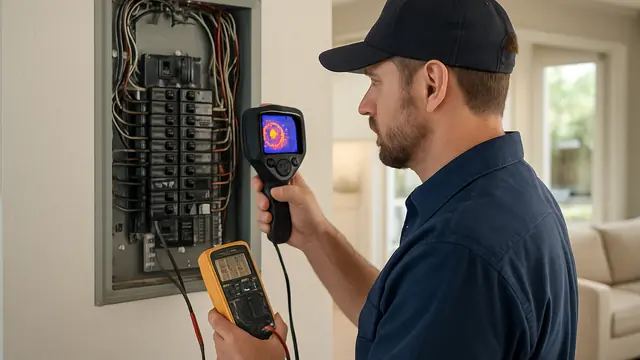
A licensed electrician evaluates the service, panels, grounding and bonding, visible wiring, receptacles, switches, protective devices, outdoor equipment, and dedicated circuits.
Testing may include voltage, polarity, grounding, GFCI operation, circuit tracing, load evaluation, and thermal imaging. The report should separate immediate hazards, required repairs, maintenance items, and future upgrades.
Repair Options and Cost Factors
Repairs should begin with the least invasive reasonable option. That may include replacing a worn receptacle, repairing a loose termination, installing an approved cover, updating labels, or replacing a damaged cable section.
More involved work may include adding dedicated circuits, correcting grounding or bonding, replacing panel components, upgrading service capacity, rewiring a remodeled area, or replacing damaged outdoor equipment.
Cost depends on accessibility, circuit length, panel condition, affected devices, permit requirements, wall or attic access, equipment type, and hidden damage. A written diagnostic scope is more reliable than a broad guess.
Prevention and Maintenance After Closing
Keep panel access clear and the circuit directory current. Test GFCI devices according to manufacturer instructions. Replace cracked covers and loose receptacles promptly.
Inspect outdoor equipment after visible storm or water damage. Before adding an EV charger, spa, generator, major appliance, or additional HVAC equipment, request a load review.
Homeowner FAQs
Is a general home inspection enough?
A general inspection is valuable, but a licensed electrician can provide a more detailed evaluation of service capacity, panel condition, circuits, grounding, protective devices, and repair priorities.
Does a tripping breaker mean the panel must be replaced?
No. The cause may be an overloaded circuit, damaged appliance, loose connection, wiring fault, or failing breaker. Diagnosis should come before replacement.
Should outdoor outlets have GFCI protection?
Outdoor receptacles commonly require GFCI protection, but the electrician should evaluate the installation based on its location, configuration, and applicable requirements.
Is flickering during HVAC startup normal?
A brief change may occur in some systems, but repeated or noticeable dimming across several rooms should be evaluated for voltage drop, loose connections, or capacity issues.
Can the seller complete repairs before closing?
Yes. Request a clear scope, documentation, and verification that agreed work was completed by an appropriately qualified professional.
Make the Electrical Condition Part of the Buying Decision
An electrical inspection checklist before buying a Northwest Florida home in Camp Creek helps distinguish manageable repairs from conditions that could affect safety, reliability, or future renovation plans. The goal is to understand the property before closing, identify the least invasive reasonable corrections, and avoid accepting unexplained electrical symptoms as normal.
About this guide: This resource provides general homeowner education, not a remote diagnosis. Actual conditions, code requirements, equipment, and safe repair options must be evaluated at the property.