Do not remove an electrical panel cover, touch exposed conductors, bypass protection, or repeatedly reset a fault. Keep clear of smoke, sparks, burning odors, hot equipment, standing water near electricity, and downed lines, then call qualified help.
You have found a home along 30A that fits your plans. The kitchen is updated and every light works during the showing. Then you notice handwritten panel labels, a dead outlet, or an extension cord being used as permanent wiring. Those details may point to a minor repair, an overloaded circuit, or a larger hidden problem.
Avoid removing covers, touching exposed wiring, or repeatedly resetting breakers. Document what you observed and arrange for a licensed electrician to evaluate it before your inspection period ends. An electrical inspection checklist before buying a Northwest Florida home in 30A can reveal safety concerns and upgrade needs before closing.
Begin With the Electrical Service and Main Panel
The electrical service is where utility power enters the home. A buyer should confirm the apparent service capacity, the condition of the meter equipment, and whether the panel can support the home's present and future needs.
A system may still be strained by electric water heating, multiple HVAC systems, pool equipment, a hot tub, an EV charger, or a generator connection. The main-breaker number is only part of the answer. An electrician may need a load calculation, which estimates how much electricity the home could use at once.
Look for a panel that is secure, accessible, dry, and clearly labeled. Rust, missing screws, open breaker spaces, scorching, buzzing, or an unusual odor require closer attention. Do not remove the metal panel cover. Energized parts behind it can remain dangerous even when individual breakers are off.
Check Circuit Labels and Breaker Condition
A panel directory should identify which breaker controls each room or major appliance. Labels such as "plugs," "lights," or "miscellaneous" are not very useful during an emergency. Crossed-out notes and conflicting handwriting may indicate that circuits were changed without the directory being updated.
An electrician can verify whether breaker sizes match the wiring and whether overheating or improper modifications are present. A double-tapped breaker has two conductors connected where the breaker may not accept both. An oversized breaker may also protect wire that is too small. These issues should not be investigated by a buyer.
Test Receptacles in High-Use and Wet Areas
Pay close attention to kitchens, bathrooms, garages, exterior areas, laundry rooms, mechanical spaces, and locations near water. GFCI protection is designed to shut off power quickly when electricity leaves its intended path. You may recognize a GFCI receptacle by its test and reset buttons, although one GFCI device can protect additional outlets downstream.
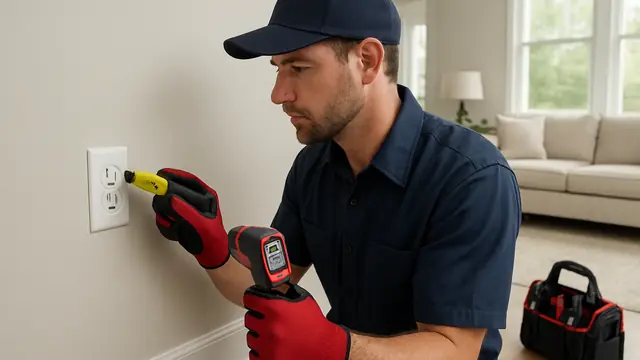
If an outlet will not reset, trips repeatedly, feels warm, shows discoloration, or will not hold a plug, stop using it. A three-prong face does not automatically prove that a grounding path is present. An electrician can test grounding, polarity, voltage, and protective-device operation.
Review Lights, Switches, Fans, and Major Circuits
Lights that flicker when large equipment starts may indicate voltage drop, a loose connection, an overloaded circuit, or a service issue. A single loose bulb is often simple, but flickering across several rooms deserves professional attention.
Operate switches normally and note any heat, crackling, looseness, delayed response, or burning smell. Ceiling fans should run without severe wobbling or scraping. Dimmers should operate compatible lamps without becoming excessively hot.
Ask whether major appliances have dedicated circuits rather than improvised wiring or extension cords.
Inspect Outdoor and Coastal-Exposure Areas
A 30A property may include exterior receptacles, landscape lighting, pool equipment, outdoor kitchens, or detached structures. Outdoor electrical equipment should be checked for weather damage, corrosion, loose boxes, brittle covers, damaged conduit, and evidence of repeated water exposure.
Coastal exposure varies by location, construction, and maintenance, so rely on visible evidence and professional assessment.
Pool and spa systems need special attention because electricity and water are a dangerous combination. A licensed electrician can evaluate visible wiring, disconnects, GFCI protection, grounding, and bonding. Bonding connects metal components together to reduce dangerous voltage differences.
Look Closely at Renovations and Additions
Updated finishes do not always mean updated wiring. Ask when renovations were completed and request permits, invoices, or contractor information when available.
Warning signs include mismatched devices, extension wiring, new appliances on old circuits, dead switches, or concealed junction boxes. The least invasive correction may be relabeling, replacing a damaged receptacle, repairing a loose connection, adding a dedicated circuit, or installing protective devices. Full rewiring is not automatic.
Safe Checks a Buyer Can Perform
You may safely observe and operate accessible devices under normal conditions. Turn lights and fans on. Test visible GFCI receptacles with their built-in buttons if the seller or inspector permits it. Note loose, damaged, blocked, warm, or discolored outlets. Confirm that the panel is not obstructed by storage or permanent construction.
Ask whether breakers trip when the oven, dryer, HVAC system, or pool equipment runs. Ask about storm repairs, water intrusion, generator work, surge protection, and previous electrical upgrades.
Do not use screwdrivers, meters, or thermal tools unless you are trained and authorized.
What You Should Not Attempt
Never remove the panel cover, tighten breaker connections, replace a breaker, pull an outlet from the wall, or touch damaged service equipment. Do not reset a breaker repeatedly if it trips again. Repeated tripping means the circuit is overloaded or the protective device is responding to a fault.
Do not accept taped wiring, oversized fuses, extension cords routed through walls, or adapters used to defeat grounding as permanent solutions.
Signs That Make the Problem Urgent
Treat burning odors, visible arcing, smoke, melted plastic, loud buzzing, hot receptacles, frequent breaker trips, exposed conductors, damaged service equipment, or water inside electrical components as urgent.
If an active hazard appears during a visit, do not touch the equipment. Leave the immediate area and notify the seller, property representative, utility, or emergency services as appropriate.
How a Licensed Electrician Diagnoses the Home
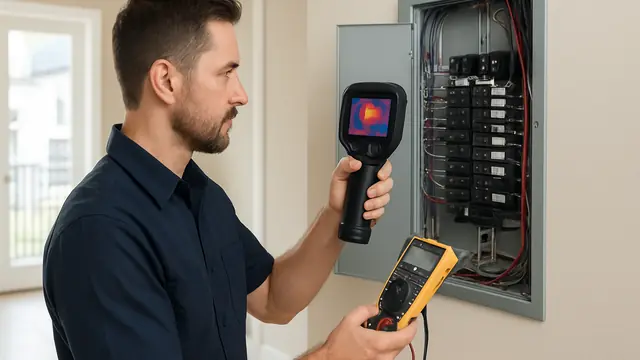
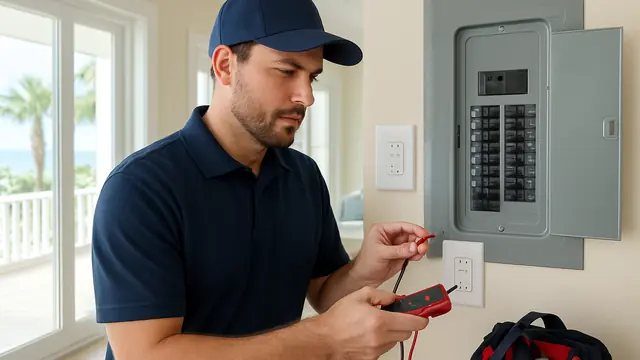
A licensed electrician evaluates the service, panel, grounding and bonding, visible wiring, receptacles, switches, and dedicated circuits. Testing may include voltage, polarity, GFCI operation, load evaluation, and thermal scanning. Findings should distinguish immediate hazards, necessary repairs, recommended improvements, and future planning items.
Repair Options and Factors Affecting Cost
Repairs should begin with the least invasive reasonable option. That may mean replacing a damaged device, correcting a loose connection, installing an approved cover, updating labels, repairing one section of cable, or adding protective equipment to a usable circuit.
More involved work may include adding dedicated circuits, correcting grounding and bonding, replacing damaged panel components, upgrading service capacity, rewiring a remodeled area, or replacing deteriorated outdoor equipment.
Cost depends on accessibility, affected circuits, panel condition, permit needs, wall access, equipment location, and hidden damage. A written scope is more useful than a square-footage guess.
Prevention and Maintenance After Closing
Keep the panel accessible and dry. Update the circuit directory after changes. Test GFCI devices according to manufacturer instructions. Replace cracked covers and loose receptacles promptly. Have outdoor equipment checked when corrosion, storm damage, or water exposure is visible.
Before adding an EV charger, generator, hot tub, major appliance, or additional HVAC system, request a load review.
Homeowner FAQs
Is a general home inspection enough?
A general inspection is valuable, but a licensed electrician can provide a more detailed assessment of the service, panel, circuits, grounding, protective devices, and repair priorities.
Does an older panel always need replacement?
No. Condition, capacity, design, available parts, installation quality, and observed defects matter more than age alone.
Should every ungrounded circuit be rewired?
Not automatically. The electrician should identify the circuit and evaluate practical correction methods before recommending the least invasive safe option.
Can the seller simply reset a tripping breaker?
Resetting does not explain why it tripped. The cause should be diagnosed, especially when the problem repeats.
Does a vacation rental need extra attention?
The core checks are the same, but high-use outlets, outdoor amenities, pool equipment, appliance circuits, and evidence of temporary repairs deserve added scrutiny.
Make the Electrical Condition Part of Your Decision
An electrical inspection checklist before buying a Northwest Florida home in 30A helps separate manageable repairs from conditions requiring immediate correction or future investment. The goal is not to make a good home seem frightening. It is to replace uncertainty with documented findings, reasonable repair options, and a clear understanding of the property before closing.
About this guide: This resource provides general homeowner education, not a remote diagnosis. Actual conditions, code requirements, equipment, and safe repair options must be evaluated at the property.