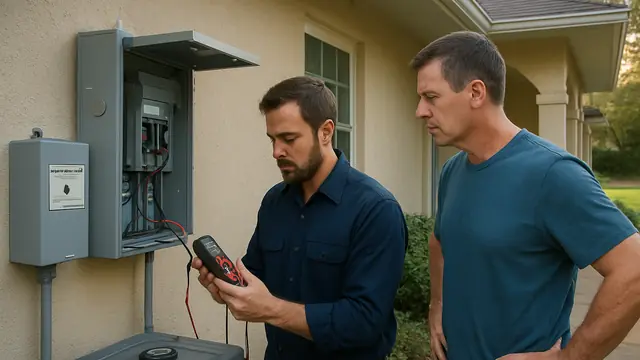
Do not remove an electrical panel cover, touch exposed conductors, bypass protection, or repeatedly reset a fault. Keep clear of smoke, sparks, burning odors, hot equipment, standing water near electricity, and downed lines, then call qualified help.
Which Aluminum Wiring Needs Special Attention?
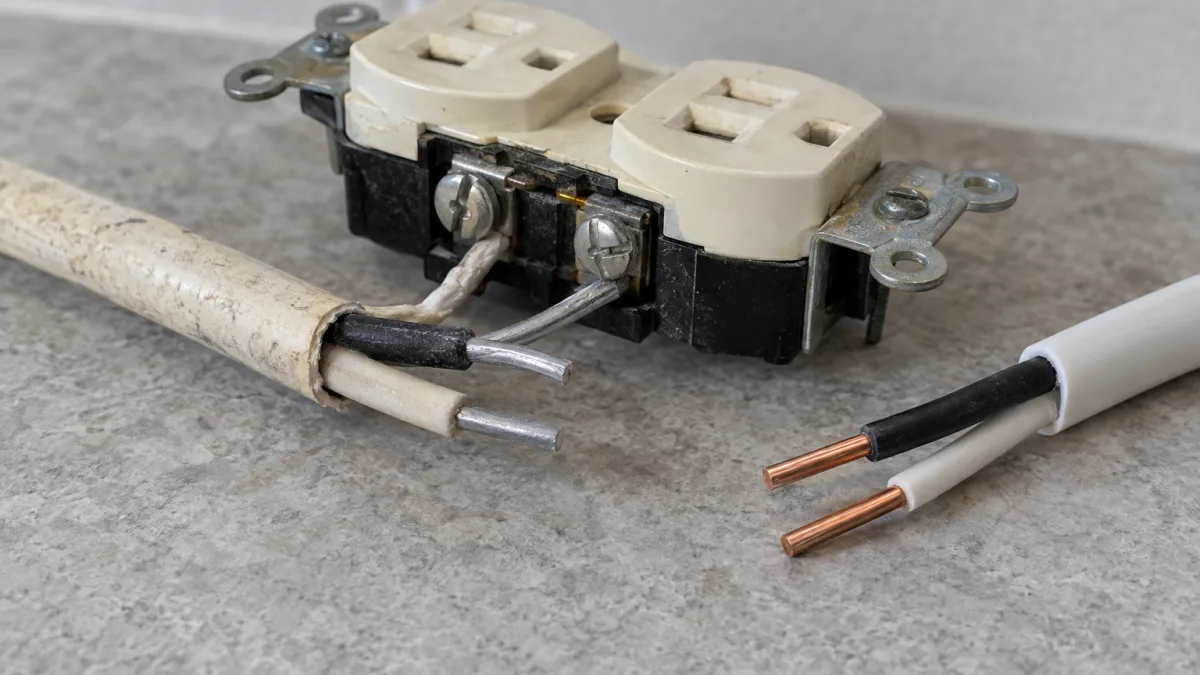
Finding aluminum wiring does not automatically mean a Freeport home needs every conductor replaced. The important distinction is between older solid aluminum branch-circuit wiring and aluminum conductors used for other purposes. Branch circuits supply receptacles, lights, and other household loads. Solid aluminum wiring installed in many homes during the 1960s and 1970s has particular connection concerns that deserve evaluation by an electrician experienced with that wiring. A home's construction date provides context, but it cannot establish what is inside its walls.
Larger aluminum conductors remain common in properly designed service and feeder installations. Their presence is not proof that a home has the older branch-circuit wiring discussed here. Additions and renovations can also leave a mixture of copper and aluminum circuits. The useful first question is not simply, “Does this house have aluminum?” It is, “What type of conductor is present, where is it used, and are its connections appropriate for that application?”
Why Connections Are the Main Concern
Older aluminum branch wiring can develop excessive resistance at connections, including receptacles, switches, fixtures, and splices. Aluminum behaves differently from copper as it heats and cools, and its surface oxide complicates electrical connections. Certain older devices and installation methods did not adequately account for those characteristics. A deteriorating connection can generate damaging heat while the circuit continues to operate. The problem may be hidden inside a box rather than visible along the cable itself.
A circuit breaker is not a reliable warning system for this condition. A high-resistance connection can overheat without drawing enough current to trip an ordinary breaker. Likewise, years of apparently normal use do not confirm that every connection remains sound. Inspection should focus on conductor condition, terminal compatibility, previous alterations, and the repair method used at each connection. Adding protective devices does not eliminate the need to address an unsuitable or deteriorated aluminum connection.
How to Establish What Wiring Is Present
Start with records rather than opening electrical equipment. Previous inspection reports, renovation invoices, and repair documentation may identify aluminum branch wiring or describe a completed remediation project. Look for a stated scope, not just a note saying “electrical updated.” New receptacles, a replaced panel, or remodeled rooms do not establish that the wiring throughout the home was replaced. A newer device can still be connected to an older conductor behind the cover plate.
A licensed electrician can examine accessible wiring and markings, identify conductor types, and determine which circuits warrant further investigation. A silvery appearance alone is not conclusive because some older copper conductors have a metallic coating. Homeowners should not remove devices, open panels, scrape conductors, or disturb insulation to identify the material. If an initial evaluation samples only selected locations, ask the electrician to explain what remains unknown. Limited sampling cannot verify every concealed splice or every device connection.
Warning Signs That Require Prompt Action
A burning-plastic odor, discoloration around a device, crackling, sparking, or intermittent power at a particular connection warrants attention regardless of conductor material. If older aluminum branch wiring is suspected, tell the electrician when requesting service. Stop using the affected device or circuit. Do not test the problem by plugging in another appliance, cycling a switch repeatedly, or moving the load to a power strip. An electrical connection can remain hazardous even when the symptom temporarily disappears.
If it is safe to reach a normal, dry, undamaged panel, switching off the identified circuit may reduce the immediate risk while awaiting professional guidance. Do not approach equipment that is smoking, sparking, wet, or visibly damaged. For smoke, fire, or an active burning condition, leave the building and call emergency services. Never pull a receptacle from its box to investigate heat or odor. An urgent repair at one location should be followed by a discussion of whether similar connections elsewhere need evaluation.
What a Professional Evaluation Should Cover
An evaluation should establish the extent of aluminum branch wiring and examine the places where connections occur. Depending on access and the agreed scope, these can include receptacles, switches, light fixtures, junction boxes, and circuit terminations. The electrician looks for incompatible devices, unsuitable copper-to-aluminum splices, damaged insulation, overheated components, and evidence of previous repairs. Safe isolation and verification procedures come before disturbing wiring. Occupants should be told which areas will lose power during the work.
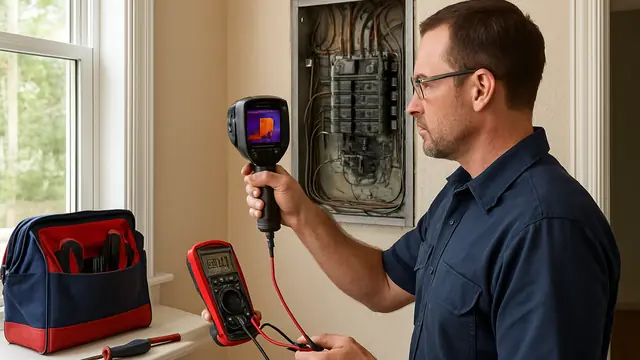
Diagnostic measurements or thermal imaging may help investigate a specific concern, but they have limits. A connection that appears cool under a light load is not necessarily acceptable under other conditions. These tools also cannot prove that an inaccessible splice was made correctly. Ask for findings that distinguish observed defects from areas not examined. A useful report explains the wiring identified, the locations checked, immediate safety concerns, and the additional access or investigation needed to develop a complete repair scope.
Repair Options: Rewiring and Specialized Connections
Replacing affected branch circuits with copper removes the older aluminum wiring from those circuits. This approach may be particularly practical during a renovation when walls and ceilings are already accessible. In a finished home, the electrician must evaluate routing, access, and restoration needs. A complete replacement should account for the entire affected circuit, not merely the readily visible sections. Retaining hidden aluminum segments changes the scope and leaves connections that still require appropriate treatment.
Another approach uses specialized connector systems designed and evaluated for the particular aluminum-to-copper repair application, often allowing a copper lead to connect to the device. Not all connectors marked for aluminum have equivalent repair suitability. The electrician should explain the selected system, its listing and limitations, installation requirements, and any required training or tools. A durable remediation plan addresses all applicable connection points, not just the receptacles in frequently used rooms. Heat-damaged conductors or insulation may require replacement beyond a connector repair.
Why Simple Device Swaps Are Not a Complete Plan
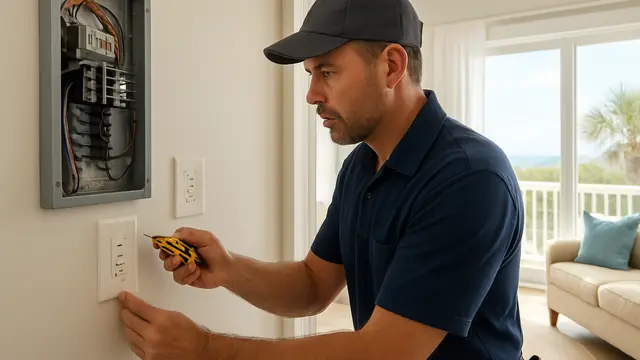
Installing a new receptacle does not automatically correct an aluminum wiring hazard. Devices must be suitable for the conductor and the application, and the connection must follow the applicable instructions. Certain devices marked CO/ALR are designed for specified aluminum connections, but replacing selected devices does not resolve other splices, fixture connections, or circuit terminations. Ordinary copper-only devices should not receive aluminum conductors directly. A cosmetic refresh can conceal unresolved wiring concerns rather than fix them.
Likewise, a general-purpose connector, electrical tape, or antioxidant compound alone is not a repair strategy. Compound should be used only where required or permitted by the connector manufacturer's instructions. Repeatedly tightening old terminals is not a substitute for evaluating the connection, and excessive tightening can damage conductors or equipment. This is not a homeowner maintenance task. Ask how the proposed work addresses compatibility, conductor preparation, terminal tightening requirements, enclosure space, and any damaged wiring discovered during installation.
Freeport Conditions and Renovation Planning
Northwest Florida humidity and moisture intrusion can complicate electrical conditions, particularly where equipment is exposed or a building has leaks. Where salt-laden air reaches electrical equipment, corrosion is another consideration. These conditions do not prove that an interior aluminum connection is defective, but visible corrosion or moisture damage should be investigated rather than covered up. An electrician should evaluate compromised wiring or equipment, while the source of water intrusion needs attention from the appropriate building professional.
Seasonal occupancy can also affect planning. A lightly occupied property may receive heavier use when guests arrive, increasing demand on connections that previously served smaller loads. That is not a reason to perform a homeowner load test. Instead, schedule evaluation before occupancy changes or renovations. Kitchen updates, lighting projects, and receptacle replacements are opportunities to identify affected circuits before new equipment is connected. For Freeport property managers, coordinating access and planned outages can make a comprehensive repair less disruptive.
Questions to Ask Before Approving the Work
Request a written scope explaining whether the proposal covers investigation, localized repair, comprehensive connection remediation, or circuit replacement. Ask which rooms and connection types are included, how inaccessible locations will be handled, and what findings would require a change in scope. Connector-based repairs can require more space inside electrical boxes, so box capacity and conductor condition need consideration. Clarify whether wall access, patching, painting, and any required permits or inspections are included or handled separately.
Also ask about experience with older solid aluminum branch wiring and qualifications for the proposed repair system. The lowest-disruption option is not automatically the most complete one. Compare proposals by coverage and method rather than by the number of devices replaced. If work must be phased, request a written explanation of which hazards will be corrected first, what wiring remains untreated, and whether any circuits should stay out of service. A partial project should never be described as whole-home remediation.
Documentation and Care After Repairs
Keep the final scope, invoices, inspection records where applicable, and documentation identifying the repair system or replacement circuits. Useful records distinguish completed work from inaccessible or deferred locations. Photographs taken by the contractor can support the record, but they do not replace an accurate written description. Future electricians need to know whether aluminum remains and where specialized connections were installed. This matters when replacing a light fixture, adding a smart switch, or altering a previously repaired circuit.
Afterward, follow any inspection or maintenance recommendations specific to the installed system and property conditions. Do not open boxes for routine homeowner tightening or add compound to existing repairs. Report new odor, noise, discoloration, or unreliable operation promptly. For managed properties, keep wiring records available to authorized maintenance staff and require electrical alterations to go through a licensed professional. A later device replacement made without regard to the existing repair method can undermine otherwise appropriate remediation.
About this guide: This resource provides general homeowner education, not a remote diagnosis. Actual conditions, code requirements, equipment, and safe repair options must be evaluated at the property.