Do not remove an electrical panel cover, touch exposed conductors, bypass protection, or repeatedly reset a fault. Keep clear of smoke, sparks, burning odors, hot equipment, standing water near electricity, and downed lines, then call qualified help.
You are touring a Grayton Beach home that feels full of character, but several electrical details are difficult to explain. A bedroom receptacle has no power, one wall switch appears to do nothing, an outdoor outlet has a loose cover, and the lights briefly dim when the air-conditioning system starts. The seller may say the issues are minor, but a group of small symptoms can point to overloaded circuits, moisture exposure, or wiring changes that were never fully documented.
Stop using any device that is hot, sparking, scorched, or repeatedly losing power. Do not remove a panel cover, pull a receptacle from the wall, or repeatedly reset a breaker that will not stay on. Write down what you observed and arrange for a licensed electrician to inspect the system before your purchase inspection period expires. An electrical inspection checklist before buying a Northwest Florida home in Grayton Beach helps separate routine repairs from safety concerns and future upgrade needs.
Start With the Home's Electrical History
Ask when the main service, panel, HVAC equipment, water heater, kitchen appliances, and major renovations were completed. Request permits, invoices, warranties, and contractor information when available.
Missing records do not prove the work is unsafe, but they make circuit tracing, visible workmanship, and equipment compatibility more important. Updated finishes can still conceal older branch wiring.
Examine the Service and Panel Area Safely
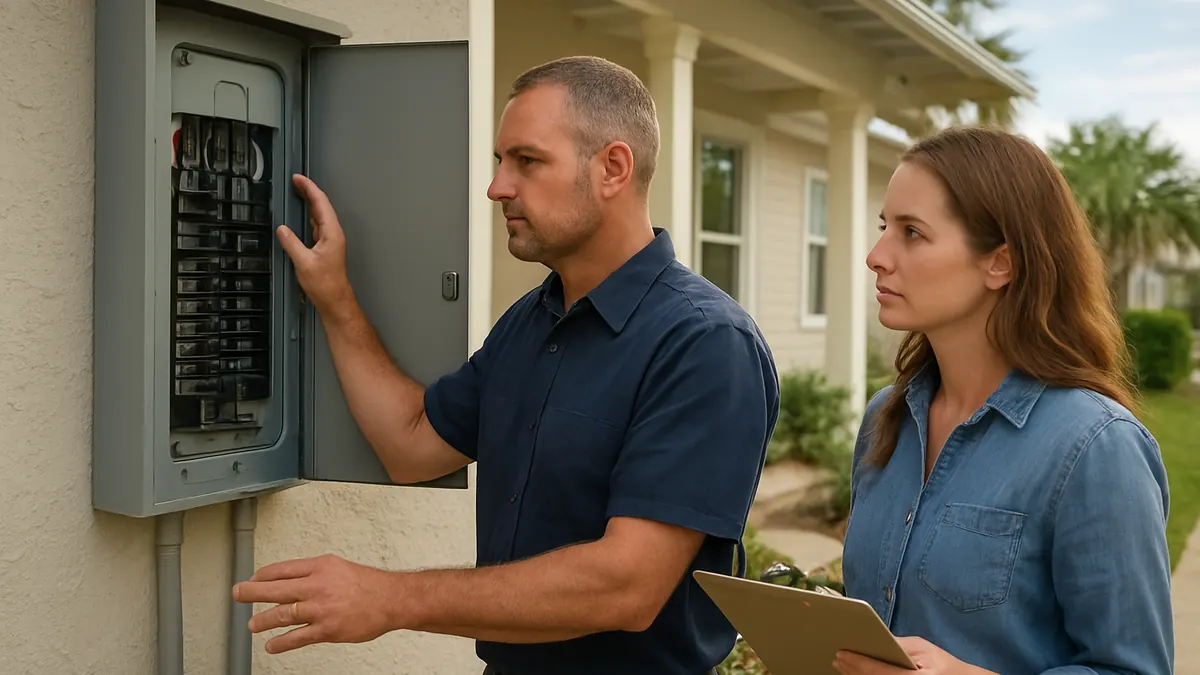
The main electrical panel should be accessible, dry, securely mounted, and protected from physical damage. Storage, shelving, or finished construction should not block access.
Without opening the panel, look for rust, missing screws, open breaker spaces, scorching, buzzing, or a burnt odor. The circuit directory should clearly identify rooms and major equipment.
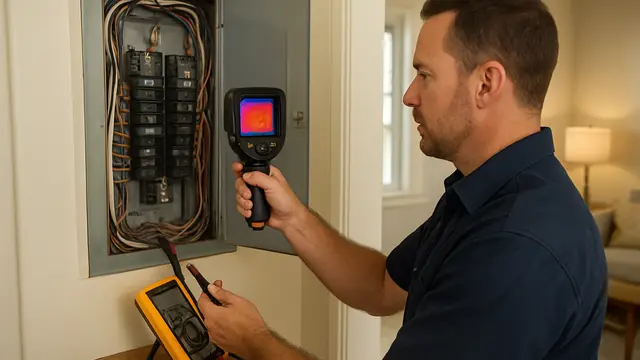
A licensed electrician can inspect breaker compatibility, conductor sizes, overheating, grounding, neutral connections, and unauthorized alterations. Buyers should not attempt this because energized components may remain dangerous even when individual breakers are switched off.
Check Receptacles, Switches, and Lighting Room by Room
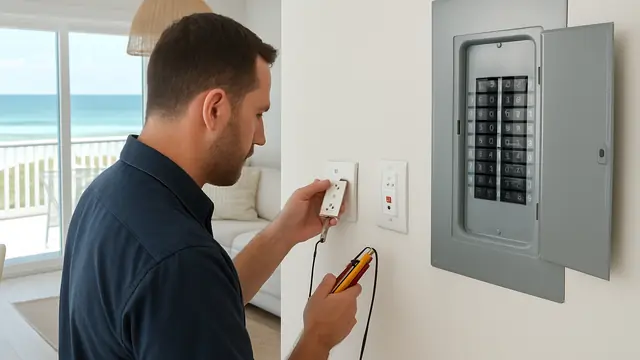
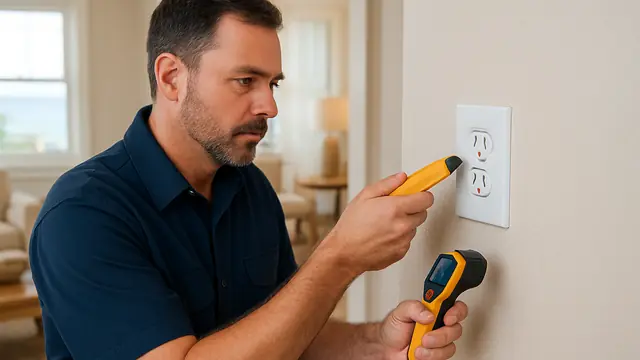
Walk through the property methodically. Note receptacles that are loose, cracked, warm, discolored, buzzing, or unable to hold a plug securely. A three-prong outlet does not prove that a grounding path is present.
Operate switches and fixtures normally. One flickering light may have a loose bulb or worn switch. Flickering across several rooms may indicate voltage drop, an overloaded circuit, or a loose connection.
An unexplained switch may control a receptacle, exterior light, attic fixture, abandoned circuit, or removed equipment. An electrician can trace it rather than guessing.
Pay Close Attention to GFCI Protection
GFCI protection shuts off power quickly when electricity leaves its normal path. It is especially important in kitchens, bathrooms, garages, exterior areas, and other locations where water may be present.
One GFCI device may protect several downstream outlets, so the source of a dead receptacle may be in another room.
If a GFCI will not reset, stop trying. It may have failed, lost incoming power, detected moisture, or identified a wiring fault. The electrician can test whether the device, upstream power, or downstream wiring is responsible.
Inspect Exterior Equipment and Weather-Exposed Wiring
The property may include exterior lighting, outdoor receptacles, pool equipment, landscape systems, or detached structures. Those features should be inspected as part of the purchase.
Look for cracked weatherproof covers, loose boxes, deteriorated conduit, corrosion, unsupported cable, or extension cords being used as permanent wiring. Do not open outdoor panels or touch electrical equipment while standing on wet surfaces.
Rely on visible evidence and professional testing rather than assumptions. A damaged device may need a new cover, connection repair, or replacement.
Review Kitchens, Laundry Areas, and Major Appliances
Ask whether the range, dryer, water heater, HVAC systems, and other major equipment have dedicated circuits where needed.
Operate included appliances normally and note dimming, unusual sounds, breaker trips, or lost power. A replacement appliance may have different circuit requirements.
Do not assume that a breaker trip means the breaker is bad. The cause may be an overloaded circuit, failing appliance, loose conductor, damaged insulation, short circuit, or ground fault.
Look Closely at Renovations and Added Spaces
Finished porches, remodeled rooms, garages, workshops, and outdoor additions often contain wiring installed after the original construction.
Ask whether electrical work was permitted and inspected. Look for mismatched devices, open junction boxes, loose cables, taped splices, cords routed through walls, or inaccessible connections hidden behind cabinetry.
The least invasive safe repair might be a proper junction box, approved cover, corrected cable support, new receptacle, or one dedicated circuit. Full rewiring should be recommended only when the wiring's condition and extent justify it.
Safe Checks a Buyer Can Perform
- Operate accessible lights, switches, fans, and included appliances normally. Use the built-in test and reset buttons on visible GFCI receptacles if permitted.
- Confirm that panels and disconnects are accessible. Ask the seller to demonstrate any generator, pool equipment, smart control, gate, or exterior feature that will remain.
- Write down the exact symptom and when it occurs. "Kitchen lights dim when the microwave starts" gives the electrician more useful information than "the power seems weak."
What the Buyer Should Not Attempt
Never remove the panel cover, meter enclosure, receptacle, switch, fixture canopy, disconnect, or control-box cover. Do not tighten electrical terminals, replace breakers, move conductors, or use test tools unless properly trained and authorized.
Do not bypass GFCI protection, defeat grounding with adapters, or accept extension cords through walls as permanent wiring. Never install a larger breaker simply to stop tripping.
Signs That Make the Problem Urgent
Burning odors, smoke, arcing, melted plastic, hot receptacles, repeated breaker trips, loud buzzing, exposed conductors, water inside electrical equipment, or a shock or tingling sensation require prompt professional attention.
If smoke or sparking is present, leave the area and notify the appropriate property representative, utility, or emergency service.
How a Licensed Electrician Diagnoses the Home
The electrician evaluates the service, panel, grounding and bonding, visible branch wiring, receptacles, switches, protective devices, exterior equipment, and major circuits.
Testing may include voltage, polarity, grounding, GFCI operation, circuit tracing, load evaluation, and thermal imaging. The report should separate hazards, repairs, maintenance, and optional upgrades.
Repair Options and Cost Factors
Repairs should begin with the least invasive reasonable solution. Options may include replacing a worn receptacle, correcting a loose connection, installing a proper cover, updating labels, replacing one damaged device, or repairing a limited cable section.
More involved work may include dedicated circuits, grounding and bonding corrections, panel-component replacement, service-capacity upgrades, rewiring altered areas, or replacement of weather-damaged equipment.
Cost depends on accessibility, circuit length, panel condition, wall or attic access, permit requirements, equipment type, and hidden damage. A written diagnostic scope is more reliable than a square-footage guess.
Prevention and Maintenance After Closing
Keep panels and disconnects accessible. Maintain an accurate circuit directory and save electrical records. Test GFCI devices according to manufacturer instructions.
Replace damaged covers, loose receptacles, and deteriorated exterior components promptly. Request a load review before adding major electrical equipment.
Homeowner FAQs
Is a general home inspection enough for electrical concerns?
A general inspection is valuable, but a licensed electrician can evaluate the panel, capacity, grounding, circuits, and repair priorities.
Does a dead outlet always mean damaged wiring?
No. The cause may be a tripped GFCI, loose connection, failed device, switched receptacle, or upstream power problem.
Should every older electrical system be replaced?
No. Condition, capacity, installation quality, compatibility, and test results matter more than age alone.
Can the seller repair electrical issues before closing?
Yes. Request a clear scope and documentation showing that agreed work was completed by an appropriately qualified professional.
Is brief dimming when equipment starts normal?
A slight momentary change can occur, but repeated or noticeable dimming across several rooms should be evaluated.
Use the Inspection to Understand the Property
An electrical inspection checklist before buying a Northwest Florida home in Grayton Beach helps evaluate dead outlets, outdoor equipment, renovations, and service capacity before closing. Some findings may need a simple device replacement or connection repair; others may affect safety, reliability, or future plans. A documented professional evaluation explains what is wrong and which correction is reasonable.
About this guide: This resource provides general homeowner education, not a remote diagnosis. Actual conditions, code requirements, equipment, and safe repair options must be evaluated at the property.