Do not remove an electrical panel cover, touch exposed conductors, bypass protection, or repeatedly reset a fault. Keep clear of smoke, sparks, burning odors, hot equipment, standing water near electricity, and downed lines, then call qualified help.
What Arc-Fault Protection Does
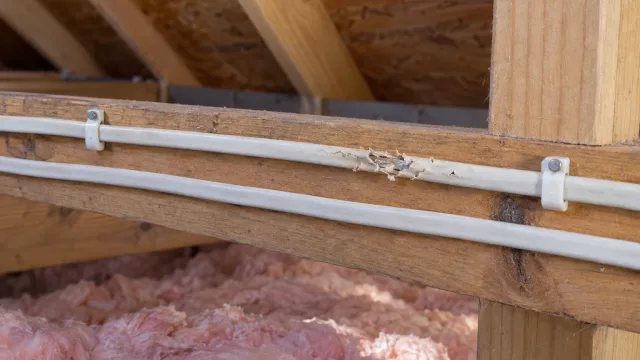
An arc fault occurs when electricity crosses an unintended gap or follows an unintended conductive path. Damaged insulation, loose connections, and deteriorated cords can create conditions for hazardous arcing. The concentrated heat can ignite nearby material even when the circuit is not drawing enough current to trip an ordinary breaker. An arc-fault circuit interrupter, or AFCI, monitors electrical patterns and disconnects power when it detects characteristics associated with dangerous arcing.
For Santa Rosa Beach homeowners, AFCI protection is worth discussing during circuit repairs, room additions, or other electrical improvements. It adds a layer of protection against certain electrical fire hazards, but it does not make damaged wiring safe or detect every possible failure. A home still needs sound connections, suitable wiring, properly selected equipment, and working smoke alarms. Think of an AFCI as a protective device, not a substitute for correcting the condition that creates the hazard.
How AFCIs Differ From Ordinary Breakers and GFCIs
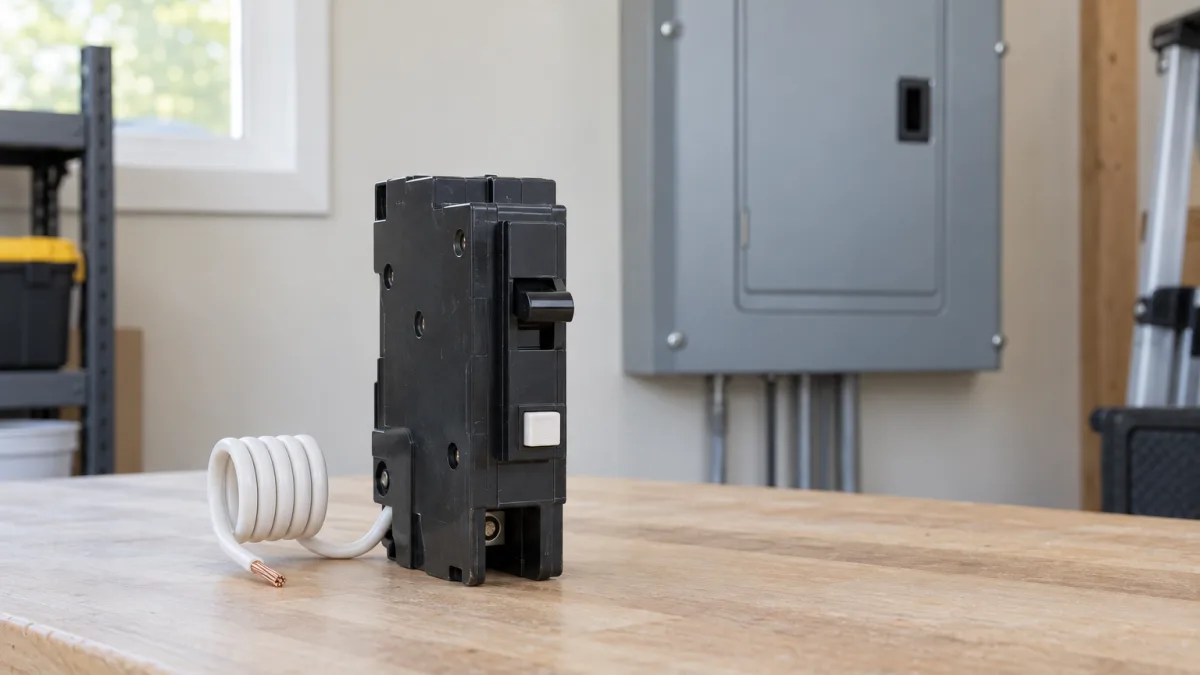
An ordinary circuit breaker primarily responds to overloads and short circuits. Some hazardous arcs produce electrical activity that stays below its normal trip threshold. An AFCI adds detection designed to recognize certain arcing patterns. A GFCI serves a different purpose: it detects an imbalance between outgoing and returning current, helping protect people from electric shock. These protections overlap in some situations, but they are not interchangeable.
Some circuits need both arc-fault and ground-fault protection. A dual-function device provides both AFCI and GFCI protection in one unit. By contrast, the term combination AFCI refers to protection against both series and parallel arcing, not combined AFCI and GFCI protection. Series arcing can occur across a break or poor connection in a conductor; parallel arcing occurs between conductors or from a conductor to ground. Product names can be confusing, so ask the electrician to explain exactly which protections a proposed device provides.
Where Arc-Fault Hazards Can Develop
Arc-fault hazards are not limited to old wiring. A cord pinched behind a bed, a cable damaged during construction, or a loose connection at a receptacle can create trouble in an otherwise modern home. Furniture movement and repeated plugging and unplugging can also damage cords or connections over time. Electrical work that appears neat on the surface may still have concealed defects, which is why an AFCI cannot replace a professional evaluation of suspicious symptoms.
Northwest Florida humidity and salt exposure can contribute to deterioration where electrical equipment is exposed to damp or corrosive conditions. However, coastal location alone does not prove that indoor wiring has corrosion or needs replacement. An electrician should evaluate the actual environment and condition. In seasonally occupied homes, concealed damage may remain unnoticed longer simply because nobody is present to observe unusual sounds, odors, or interruptions. A review before extended occupancy is more useful than assuming unused circuits have remained trouble-free.
Planning Protection for Existing Rooms and New Work
AFCI requirements depend on the electrical rules applicable to the project, the rooms and circuits involved, and the work being performed. New branch circuits, circuit extensions, and certain replacement work can raise different requirements. The absence of AFCI protection in an older home does not, by itself, establish that the original installation was improper. It also does not mean the homeowner must wait for a major renovation before asking about added protection.
Before requesting an estimate, identify the rooms involved and describe the planned changes. Are you adding receptacles, converting a room to sleeping space, replacing damaged wiring, or seeking a voluntary safety improvement? Include any known history of electrical repairs. A licensed electrician can determine the applicable requirements, coordinate permitting or inspection when needed, and distinguish required work from optional upgrades. Ask for a circuit-specific plan rather than a blanket recommendation based only on the home's age.
Choosing Between Breaker and Receptacle Protection
AFCI protection may be provided through a breaker or, in permitted arrangements, an outlet branch-circuit AFCI receptacle. A properly selected AFCI breaker provides protection from the panel along the branch circuit. An AFCI receptacle provides protection according to its listed installation arrangement, but simply placing one at a convenient outlet does not automatically protect all wiring between that outlet and the panel. The circuit layout and applicable installation requirements matter.
Breaker selection also requires more than matching the amperage or finding a device that physically fits. The electrician must verify that the breaker is approved for use with that panel and appropriate for the circuit. Older wiring arrangements, shared neutrals, and panel limitations may affect the available solution. Do not buy devices first and assume the installation will be straightforward. Have the electrician identify the protective approach, explain its coverage, and account for any wiring corrections needed to make it function properly.
Warning Signs That Require More Than an Upgrade
AFCI installation should not be the only response to buzzing or crackling at a receptacle, a burning odor, scorched material, or a visibly damaged cord. These symptoms call for evaluation of the underlying problem. Stop using the affected equipment or circuit. If you can safely reach the panel without approaching smoke, water, or exposed electrical parts, switch off the affected circuit. Do not remove covers, handle damaged connections, or pull out a receptacle to investigate.
If there is smoke, active sparking, or fire, leave the area and call emergency services. Do not touch hot or damaged equipment, and do not use water on an electrical fire. A shock or tingling sensation from an appliance also warrants stopping use, even if no AFCI has operated. Protective devices respond to particular fault conditions; silence from a breaker is not evidence that the equipment is safe. Arrange repairs before restoring the affected equipment to normal service.
What an Electrician Checks When an AFCI Operates
An AFCI interruption deserves investigation, especially if it repeats. Do not assume the device is overly sensitive or replace it with an ordinary breaker to keep power on. Useful observations include which equipment was operating, whether a cord had recently moved, and whether the interruption followed construction or appliance replacement. Record these details without repeatedly reproducing the event. Avoid repeated resets, particularly when there is an odor, unusual sound, visible damage, or an immediate second interruption.
Professional diagnosis may include checking the device's trip indication, inspecting cords and connections, and isolating portions of the circuit under controlled conditions. The electrician may evaluate damaged insulation, shared-neutral arrangements, unintended neutral-to-ground connections, or problems inside connected equipment. Some interruptions involve equipment compatibility rather than a hazardous arc, but that conclusion should follow testing. Diagnosis should identify what caused the operation and what correction is appropriate, not merely restore power and leave the source unexplained.
Testing AFCIs Without Opening Electrical Equipment
Follow the manufacturer's test instructions and schedule for each installed AFCI. Devices commonly include a built-in test button, but the procedure and indicators vary. Before testing, let occupants know that power will be interrupted, save computer work, and plan for equipment that cannot tolerate an outage. Essential medical equipment requires an appropriate continuity plan. Only operate accessible controls as instructed; never remove a panel cover or receptacle faceplate to perform a routine homeowner test.
If the device does not respond or reset as its instructions describe, stop relying on that circuit until a licensed electrician evaluates it. A successful built-in test checks the protective device's test function, not the condition of every connection or appliance on the circuit. Common plug-in testers cannot establish that an entire branch circuit is free from arc-fault hazards. Keep the manufacturer's instructions with your electrical records and have the installer demonstrate the correct test and reset sequence before completing the job.
Managing Protection in Seasonal Homes and Rentals
For a seasonal home or vacation rental, make AFCI information part of the property's maintenance records. Document which circuits have protection, where any AFCI receptacles are located, and whom to contact when power is interrupted. Guests should not be expected to diagnose an electrical fault. Give them a simple reporting process for a loss of power, burning odor, damaged cord, or electrical noise, with clear direction to stop using affected equipment.
At turnover or before an owner's return, maintenance staff can visually check accessible appliance cords for damage without opening electrical equipment. Keep cords from being crushed behind furniture and avoid routing them under rugs. Schedule device testing according to the manufacturer's instructions rather than assuming every turnover requires it. After a utility interruption, an AFCI does not certify that appliances or wiring are undamaged, and it does not replace surge protection. Investigate new symptoms instead of attributing every electrical problem to the outage.
Questions to Settle Before Scheduling Installation
A useful proposal identifies the circuits receiving protection, the type of device planned for each, and any known wiring corrections. Ask whether the work includes circuit identification, functional testing, and an explanation of device indicators. Discuss access to occupied rooms and the expected interruption of power. For a managed property, coordinate with the person responsible for refrigerators, security equipment, internet connections, and other systems that may need attention after power is restored.
For a Santa Rosa Beach property, A Superior Mechanical can be contacted about an electrical safety evaluation and AFCI installation planning. Have available any previous electrical reports, a description of planned room changes, and notes about unexplained circuit interruptions. Before authorizing work, ask how concealed defects discovered during installation will be documented and handled. Afterward, retain the device instructions and a record of the circuits protected so future electricians and property managers do not have to reconstruct that information.
About this guide: This resource provides general homeowner education, not a remote diagnosis. Actual conditions, code requirements, equipment, and safe repair options must be evaluated at the property.