Do not remove an electrical panel cover, touch exposed conductors, bypass protection, or repeatedly reset a fault. Keep clear of smoke, sparks, burning odors, hot equipment, standing water near electricity, and downed lines, then call qualified help.
Start With the Connection Plan, Not Just the Generator
A portable generator can keep selected equipment operating during a utility interruption, but safely connecting it to household wiring requires a designed electrical installation. The generator, power inlet, connecting cord, transfer equipment, and supported circuits must work together. Buying a generator first and sorting out the connection afterward can leave a homeowner with incompatible equipment or a system that cannot support the intended appliances.
For Santa Rosa Beach homeowners, the plan also needs to account for humidity, salt exposure, outdoor storage, and whether someone will be present to operate the equipment. A portable setup is not automatic backup power. It requires safe outdoor placement, fuel management, and a trained operator. In a seasonally occupied home, those operating requirements may matter as much as electrical capacity.
Understand the Roles of the Inlet and Transfer Equipment
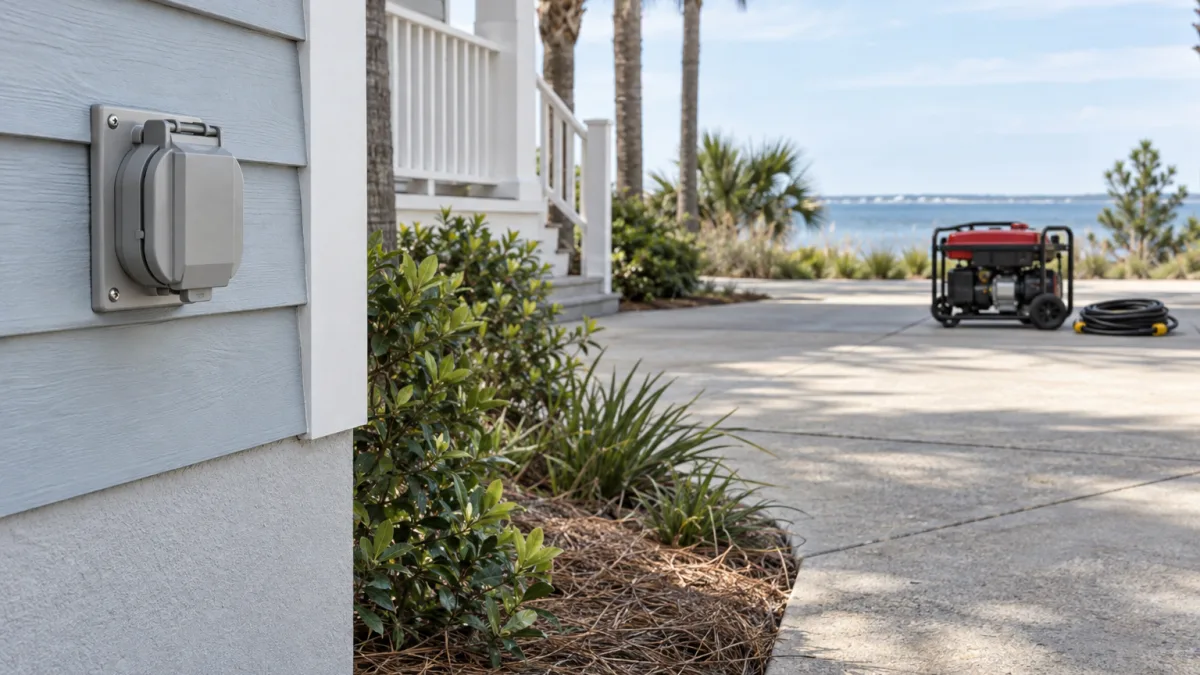
A generator power inlet is a dedicated connection point that receives power from a compatible portable generator through an appropriate cord. It is not an ordinary outdoor receptacle. An inlet provides a convenient connection to the building, but it does not, by itself, prevent generator electricity from reaching utility wiring. That separation is the job of properly selected and installed transfer equipment.
Depending on the installation, a licensed electrician may recommend a transfer switch serving selected circuits or an approved, panel-compatible mechanical interlock arrangement. Both approaches must prevent the utility and generator sources from being connected together. Not every panel accepts an interlock, and a part that physically fits is not necessarily suitable. Never connect a generator through a household receptacle or use a cord with exposed male ends on both ends. That arrangement creates shock and backfeed hazards.
Choose the Circuits That Actually Need Backup Power
Create a short list of the functions you need during an outage before choosing which circuits to support. Refrigeration, a few lights, internet equipment, and selected receptacles may be reasonable priorities. Air conditioning, electric water heating, cooking appliances, and other large loads can change the requirements substantially. A plan described simply as powering the whole house often hides the need to actively limit what operates at one time.
An electrician can identify the circuits involved, review appliance nameplates, and account for motor starting demands rather than relying only on advertised generator wattage. Running output and short-duration starting capability are different ratings. The electrician should also check for shared circuit arrangements and loads that cannot be separated as casually as expected. The result should be an understandable operating plan, including which equipment must remain off while using generator power.
Confirm Electrical Compatibility Before Buying Accessories
Generator receptacles differ in voltage, amperage, configuration, and protective features. Some portable units provide only 120-volt output, while others can supply the 120/240-volt arrangement commonly needed for residential backup connections. The inlet, cord, transfer equipment, and generator output must be compatible as a complete system. A plug adapter does not establish that compatibility or make a smaller connection capable of delivering more power.
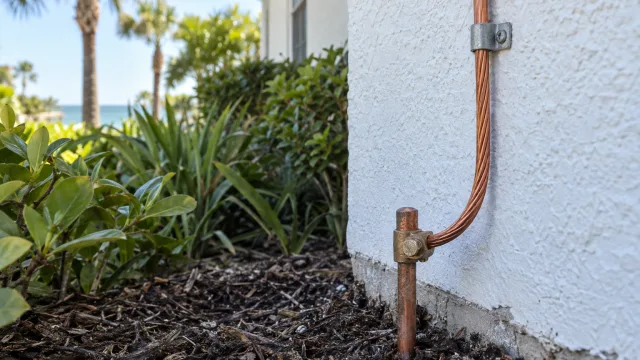
Neutral and grounding arrangements also need professional review. Portable generators may have different neutral configurations, and transfer equipment may or may not switch the neutral. A mismatch can cause improper current paths or protective-device operation. Give the electrician the exact generator model and its manual before installation. Do not remove a neutral bond, defeat generator protection, or assume that adding a ground rod will correct a connection problem.
Make Safe Generator Placement a Design Requirement
Portable generators produce carbon monoxide, an odorless gas that can kill without warning. Operate a fuel-powered generator outdoors, at least 20 feet from doors, windows, and vents, with exhaust directed away from buildings and people. Account for neighboring homes as well as your own. Never operate one in a garage, carport, enclosed courtyard, crawl space, or screened enclosure. Opening a garage door does not make generator use inside safe.
Choose the operating location before choosing the inlet location. The connecting cord must reach that safe location without creating an unsuitable route through doors, across standing water, or through vehicle traffic. If the property cannot accommodate safe separation, do not compromise the location just to reach the inlet. Have working carbon monoxide alarms in appropriate locations. If an alarm sounds or anyone develops headache, dizziness, or nausea, move everyone to fresh air and call 911.
Plan for Coastal Exposure Without Creating an Enclosure
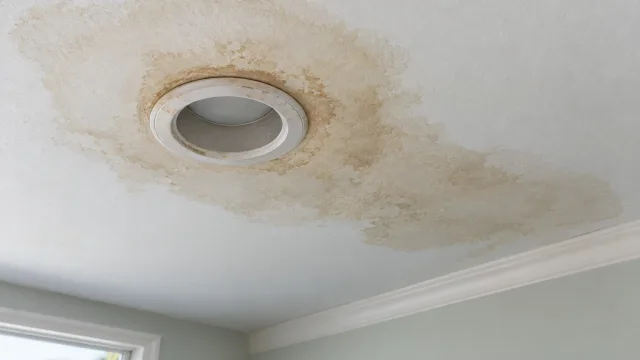
Salt air and persistent humidity can deteriorate inlet contacts, covers, fasteners, and cord connections over time. The electrician should select equipment suitable for the exposure and install it where drainage, splash, and physical damage have been considered. An outdoor rating does not mean equipment can be submerged or neglected. Inlet access should remain clear of irrigation spray, stored furniture, dense vegetation, and areas where water collects.
The generator also needs protection from wet conditions without trapping exhaust or heat. Use only weather protection that the generator manufacturer permits for operation and that preserves required ventilation and clearances. A storage cover is not an operating cover, and an improvised enclosure can create deadly conditions. If weather prevents safe operation, wait rather than moving the generator into a garage or closer to an opening. After shutdown, let equipment cool before handling or storing it as directed.
Know What a Professional Installation Should Address
A connection assessment should include the existing panel, available space, equipment condition, circuit layout, and a practical wiring route to the inlet. The electrician should confirm that the proposed transfer method is suitable for the exact equipment involved. Installation planning also includes applicable permits and inspections through the authority having jurisdiction. An older or crowded panel may require additional work before a safe connection can be installed.
After installation, the electrician should verify source isolation, connections, protective functions, and operation with the intended generator and representative loads. Ask for a demonstration and written instructions specific to your equipment, not a generic sequence found online. Those instructions should explain the permitted loads, transfer procedure, return to utility power, and conditions that require stopping. Keep the generator manual and installation documentation together so future owners or property managers can identify the system.
Set Clear Operating Rules for Owners and Property Managers
An installed inlet does not make a portable generator suitable for unsupervised guest use. For a Santa Rosa Beach vacation rental, decide who is authorized to position, connect, operate, refuel, and shut down the generator. A guest unfamiliar with the equipment may unintentionally overload it, relocate it near a bedroom window, or attempt refueling while it is hot. If reliable trained oversight is unavailable, reconsider whether portable backup is appropriate.
The operating plan should follow the manufacturer's instructions and the electrician's site-specific procedure. It should address fuel storage, cooling before refueling, keeping children away, and stopping when unsafe weather or equipment damage develops. Keep the supported-circuit list accessible to authorized operators. Do not leave a generator running at an empty property unless its manufacturer expressly allows that operation and the complete setup has been evaluated for it. Portable equipment should not be treated as a permanently installed standby system.
Recognize Connection Problems and Stop Before Troubleshooting
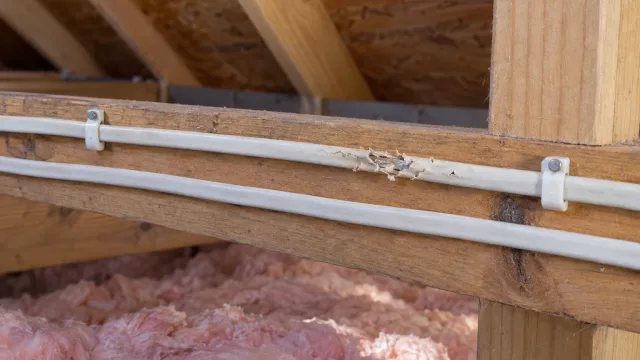
Stop using the system if you notice a burning smell, discoloration, damaged cord insulation, loose connectors, buzzing at a connection, or visible corrosion affecting electrical contacts. Repeated generator breaker or ground-fault protection trips also need investigation. Do not repeatedly reset protection or substitute a larger cord-end fitting as a workaround. If there is smoke, fire, sparking, or an immediate shock hazard, move away and contact emergency services as appropriate.
For nonemergency problems, shut down according to the documented procedure when it is safe, and call a licensed electrician. Professional troubleshooting may include checking voltage and frequency under load, circuit loading, cord condition, connection integrity, source isolation, and neutral configuration. Sensitive electronics that restart or appliances that struggle to start may indicate a load or compatibility problem rather than a defective appliance. Never open energized equipment or modify the transfer arrangement to keep power flowing.
Maintain the Connection and Review Changes to the Home
Before anticipated use and during routine property visits, visually check accessible equipment without removing electrical covers. Look for a damaged inlet cover, water intrusion, cracked cord jackets, missing connector parts, pest activity, or corrosion. Keep equipment dry and stored as its manufacturer directs. Schedule generator maintenance separately from electrical connection maintenance because an engine that runs properly does not prove that the building connection is safe.
Arrange a professional review after a generator replacement, panel replacement, major appliance addition, or evidence of water exposure or electrical damage. A replacement generator with a similar wattage rating may still have a different neutral arrangement or output configuration. Periodic operational testing should follow manufacturer guidance and the installed system's instructions. For seasonal properties, schedule that review while an authorized operator is available, rather than discovering a compatibility or maintenance problem during an outage.
About this guide: This resource provides general homeowner education, not a remote diagnosis. Actual conditions, code requirements, equipment, and safe repair options must be evaluated at the property.