Do not remove an electrical panel cover, touch exposed conductors, bypass protection, or repeatedly reset a fault. Keep clear of smoke, sparks, burning odors, hot equipment, standing water near electricity, and downed lines, then call qualified help.
Why Bathroom Ventilation Is Also an Electrical Safety Issue
A bathroom exhaust fan is more than a grille that clears a fogged mirror. Behind it are a motor, electrical connections, and sometimes lighting, electronic controls, or a heater. These components operate near a recurring source of moisture. In Santa Rosa Beach, humid weather can also make bathrooms slower to dry, particularly when ventilation or air conditioning is inadequate. Keeping the fan dependable starts with recognizing that airflow problems and electrical problems need different diagnoses.
A stained ceiling does not automatically mean faulty wiring, and a running motor does not prove the fan is removing moisture effectively. The equipment, controls, ductwork, and outdoor termination function as one system. For homeowners and property managers, the useful question is not simply whether the fan turns on. It is whether it starts reliably, operates without warning signs, and moves bathroom air outdoors through an appropriate exhaust path.
Recognize the Signs That Mean Stop Using the Fan
A burning or hot-plastic odor, smoke, sparks, crackling, or visible discoloration around a fan or its switch calls for immediate attention. A motor that hums but does not turn also needs prompt evaluation because it may be stalled. Turn the fan off and leave it off until a licensed electrician evaluates it. If there is smoke or an active fire, leave the area and call emergency services rather than trying to investigate the ceiling housing.
New grinding, squealing, delayed starts, or repeated unexplained shutdowns can indicate a worn motor, mechanical interference, overheating, or another defect. Some motors have thermal protection that stops operation when they overheat, but repeated stopping and restarting is not normal maintenance behavior. Do not keep cycling the switch to get another run out of the fan. If a breaker trips when the fan operates, leave the equipment off rather than repeatedly resetting the breaker.
Separate Weak Airflow From Electrical Trouble
Lingering humidity, peeling paint, musty odors, and condensation after showers suggest a ventilation problem, but they do not identify its cause. A dirty grille, obstructed duct, stuck exterior damper, poorly configured duct run, or inadequate replacement air can reduce performance even when the electrical supply is sound. An oversized gap around a ceiling housing or a disconnected duct may also let moisture reach spaces where it does not belong.
Homeowners can record symptoms without taking equipment apart: whether the fan starts promptly, whether its sound has changed, and how long dampness persists after bathing. Note whether trouble is limited to one bathroom or occurs throughout the home. Widespread moisture may require an HVAC or building-envelope evaluation as well as fan service. Do not assume a more powerful motor alone will solve the problem, especially if the duct path cannot support the intended airflow.
What a Professional Electrical Diagnosis Should Cover
An electrician should begin with the fan's model information, symptoms, installed features, and control arrangement. With the circuit safely de-energized and absence of voltage verified, the inspection may include the wiring compartment, conductor insulation, grounding connections, cable entry, and signs of heat or moisture damage. The technician can determine whether the motor, an internal component, a loose connection, or the wall control is responsible. Electrical testing should remain a professional task, not a homeowner troubleshooting experiment.
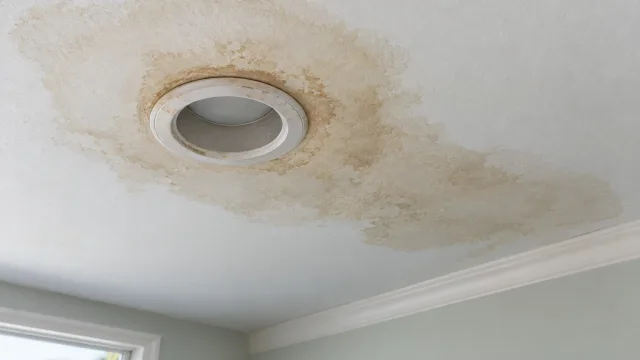
The diagnosis should also consider conditions outside the housing. Water staining could come from roof leakage or condensation in the exhaust duct, and replacing an electrical component will not correct either source. Ask for findings that distinguish the failed part from the underlying cause. If duct or roofing work is needed, coordinate it with the electrical repair so that a new fan is not exposed to the same damaging conditions.
Choose a Replacement That Fits More Than the Ceiling Opening
A suitable replacement depends on bathroom size, fixture arrangement, expected use, duct resistance, and the existing installation. Published airflow and sound ratings help compare products, but actual performance depends on how the fan is installed. A quiet fan connected to a restrictive or damaged duct may still leave the room damp. Ask the installer to assess the entire exhaust path rather than selecting a unit only because its grille covers the old opening.
Electrical requirements matter just as much as dimensions. A basic fan, a fan with a light, and a fan with a heater can have very different wiring and circuit needs. Existing conductors may not support separately controlled features, and replacement equipment may require different mounting or access. Before ordering, confirm who will handle wiring, duct changes, ceiling repairs, and any required permits or inspections. A clear scope prevents a simple-looking replacement from becoming an incomplete installation.
Treat Fan Placement Near a Tub or Shower Carefully
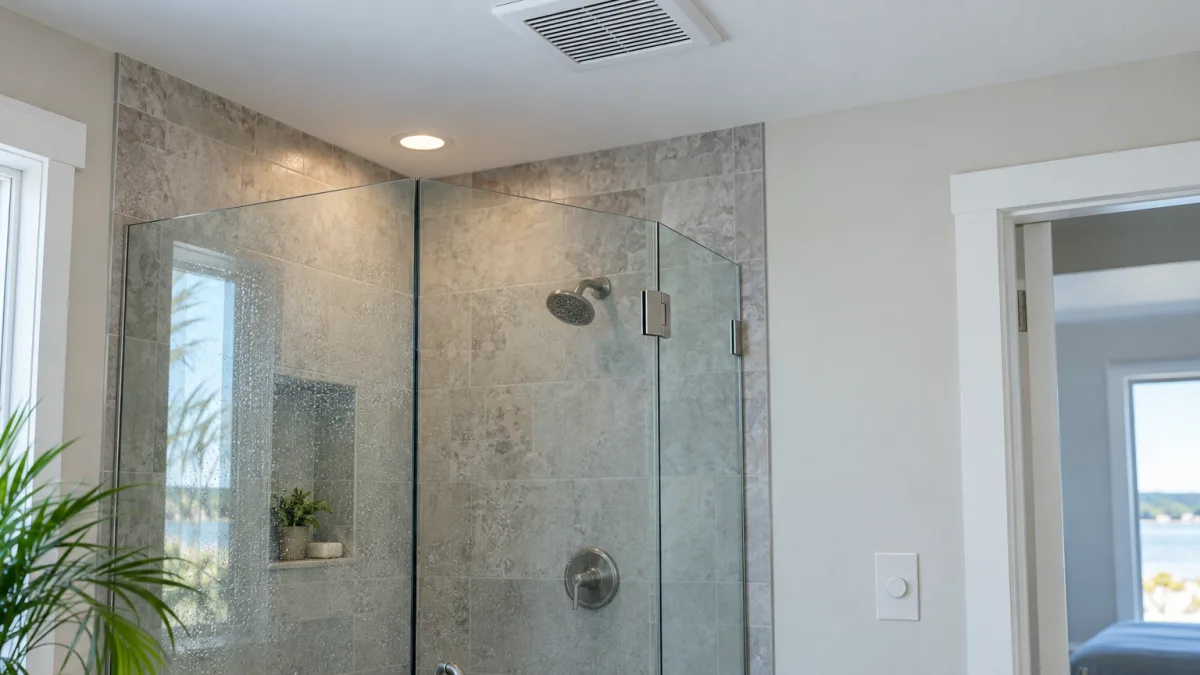
Not every bathroom exhaust fan is suitable for installation above a bathtub or shower. Suitability depends on the product's listing, its installation instructions, and the conditions at the proposed location. Some products permit this placement only with specified protection, such as a GFCI-protected branch circuit. A fan that looks identical to another model may have different restrictions. The electrician should verify the exact model rather than relying on a product-family description or appearance.
Fan-light and fan-heater combinations deserve particular attention because each function can introduce additional location limits. Do not relocate an existing unit over a shower simply to improve steam capture without professional review. For bathroom remodels, settle the shower footprint and fan location before wiring and ceiling work begin. The installer should confirm applicable local requirements and manufacturer instructions, including equipment placement, electrical protection, and access for future maintenance.
Match Timers and Humidity Controls to the Fan
A timer can help a bathroom continue exhausting moisture after someone leaves without depending on that person to return and switch it off. A humidity-sensing control may also be useful where showers are frequent or occupancy changes. Neither device corrects blocked ductwork or inadequate airflow. In Northwest Florida's humid conditions, sensor settings and placement can affect operation, so controls should be selected and adjusted for the equipment and the room rather than treated as a universal cure.
The control must be compatible with the fan motor and any lighting or heater functions it operates. An ordinary lighting dimmer is not a substitute for an approved fan control, and some electronic controls require wiring that an older switch box does not contain. Fans designed for continuous ventilation may also need a different control strategy. Ask the electrician how the chosen system will operate during normal use and what occupants should expect when it runs automatically.
Plan Separately for Fans With Built-In Heaters
A heater changes the electrical planning substantially. Its power demand can be much greater than that of the exhaust motor or light, so an existing fan circuit cannot be assumed suitable. The electrician should review the unit's nameplate, manufacturer instructions, circuit capacity, conductors, and switching requirements. A dedicated circuit may be required. Installing a larger breaker to accommodate the heater without evaluating the wiring is not an acceptable solution.
Heater-equipped units also have mounting and clearance requirements that must be checked before purchase. They are not interchangeable with basic exhaust fans simply because the housings are similar in size. For a seasonal home or vacation rental, consider whether the added feature serves a real need and whether guests will understand the controls. Straightforward operation and clear maintenance access are more useful than extra functions that complicate safe use.
Keep Routine Maintenance Within Safe Homeowner Limits
Routine care starts with observation and the manufacturer's cleaning instructions. Check the visible grille for dust buildup, discoloration, and moisture staining, and listen for changes during normal operation. Before any permitted cleaning, disconnect power as directed by the manufacturer. Limit homeowner work to accessible, non-electrical surfaces and tasks the instructions specifically allow. Do not reach into the housing, open wiring compartments, spray cleaner into the motor, or remove components to chase an unfamiliar noise.
Cleaning frequency depends on use and how quickly dust accumulates, so there is no single schedule that fits every bathroom. Inspect more often when a grille becomes visibly dirty between routine checks. If reaching the fan requires unsafe ladder placement near a tub or shower, arrange professional service. Never enter an attic just to follow a duct unless you have appropriate training and access; inspection of concealed equipment and exterior terminations can be included in a service visit.
Build a Useful Service Record for Seasonal Properties
Seasonal occupancy can make developing problems harder to notice. A fan might sit unused for weeks, then operate through frequent showers when a home fills with visitors. Include a normal operational check in turnover or return-to-property routines. Record unusual sounds, unreliable starts, visible staining, and control behavior. In coastal settings, ask the service professional to assess exposed exterior termination components for deterioration rather than assuming an indoor fan itself needs a special coastal designation.
Keep the model number, installation date, control instructions, and repair history with the property's maintenance records. Give guests or caretakers simple directions for timers and automatic controls without encouraging electrical troubleshooting. After a utility interruption, investigate controls that no longer behave normally, but do not open them or repeatedly reset a malfunctioning fan. When requesting service from A Superior Mechanical, describe whether the concern involves the motor, light, heater, control, moisture, or several of these together.
About this guide: This resource provides general homeowner education, not a remote diagnosis. Actual conditions, code requirements, equipment, and safe repair options must be evaluated at the property.