Do not remove an electrical panel cover, touch exposed conductors, bypass protection, or repeatedly reset a fault. Keep clear of smoke, sparks, burning odors, hot equipment, standing water near electricity, and downed lines, then call qualified help.
An Automatic Gate Is an Electrical and Moving-Equipment System
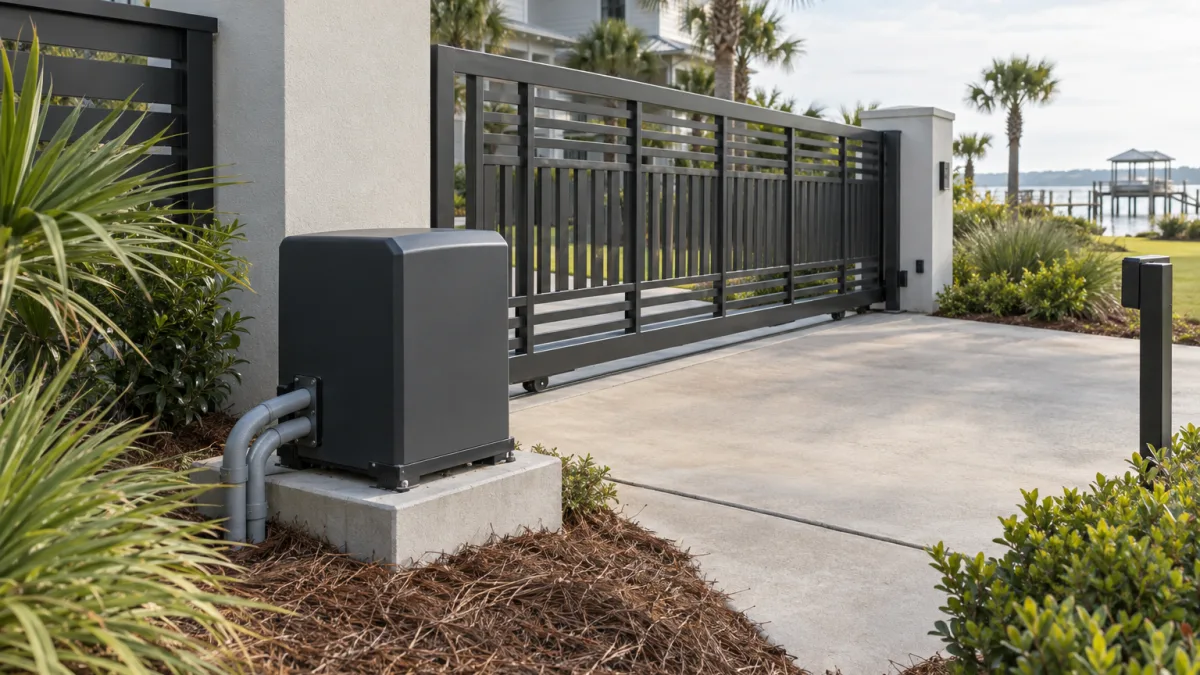
An electric driveway gate combines a power supply, motorized operator, controls, and protective devices. Safe operation depends on all of them working together. A gate that opens from a remote can still have damaged wiring, ineffective obstruction protection, or an unreliable backup battery. For Santa Rosa Beach homeowners and property managers, the goal is not simply convenient entry. It is dependable access without exposing residents, guests, or maintenance workers to electrical or crushing hazards.
Northwest Florida humidity, salt air, storms, and utility interruptions make equipment selection and ongoing inspection especially important. Electrical work belongs with a licensed electrician, while operator setup and moving-gate safety may also require a qualified automatic-gate technician. Establish who is responsible for each part of the installation. A successful repair to the supply circuit does not, by itself, establish that the gate's movement and protective devices are safe.
Plan the Power Supply Before Selecting Equipment
Start with the operator's installation instructions and electrical specifications, not an assumption that a nearby receptacle will be adequate. An electrician should review supply voltage, motor starting requirements, expected use, circuit length, and other loads on the proposed circuit. Whether a separate circuit is needed depends on the equipment and installation requirements. Frequent operation at a shared entrance can create different demands from occasional use at a private home.
Map the complete system before work begins. Keypads, intercoms, vehicle detectors, communications equipment, and backup charging equipment may have separate power or wiring needs. Long distances between the house and entrance can affect voltage drop and conductor selection. Ask for a plan that identifies the power source, wiring route, accessible disconnecting means, and responsibility for permits and inspections when required. Leave room for foreseeable accessories without installing unnecessary equipment.
Protect Wiring Along the Driveway and at the Gate
Gate wiring often travels underground before emerging near posts, operator cabinets, or control pedestals. Those transition points deserve particular attention because landscaping tools, vehicles, standing water, and shifting equipment can damage them. Underground raceways can contain moisture, so conductor suitability matters even when wiring is inside conduit. An electrician should select wiring methods, burial protection, fittings, and enclosures for the actual location and applicable requirements.
Before trenching, arrange utility locating and determine whether privately owned underground lines need a separate locating service. Irrigation, landscape wiring, and other private systems may not be covered by the utility marking process. Power and communications wiring also need an appropriate routing plan, including separation where required. Keep installation records and route information for future landscape or driveway work. An extension cord stretched from the house is not a substitute for a permanent gate power supply.
Choose Equipment for Coastal Exposure
A sheltered driveway entrance can still expose equipment to humid air, wind-driven rain, salt deposits, and sprinkler spray. Select operators, cabinets, fittings, and accessories intended for their installed environment. An outdoor enclosure designation does not automatically establish resistance to every coastal condition. Ask the installer about manufacturer limitations, corrosion-resistant components, and whether the proposed location exposes equipment to avoidable water accumulation or direct irrigation.
During routine visual checks, look for cracked housings, missing covers, deteriorated seals, rust trails, loose-looking conduit connections, or cabinets that no longer close correctly. Inspect from outside without removing covers. Do not drill drain holes, seal openings, or pressure-wash the operator housing; those actions can defeat the equipment's design. If moisture or corrosion is visible inside a damaged enclosure, keep clear and arrange professional evaluation rather than assuming the system is safe because it still runs.
Treat Entrapment Protection as Essential
Automatic gates can trap someone between a moving gate and a post, fence, wall, or another fixed object. Depending on the installation, protective measures can include monitored photoelectric sensors, sensing edges, guards, and appropriate clearances. The required arrangement is specific to the operator and gate geometry. A qualified gate professional should assess every relevant entrapment area, not just the opening where vehicles pass.
Never bypass a sensor or increase operating force simply to make a reluctant gate close. A vehicle detection loop is not necessarily a pedestrian safety device, and a keypad is only an access control. Keep pedestrians away from the moving gate and provide a separate walking entrance where needed. Functional safety testing should follow the manufacturer's procedure, preferably demonstrated by the installer. Never test reversal by placing a person, pet, or vehicle in the gate's path.
Know Which Warning Signs Require an Immediate Stop
Stop using the gate if it moves unexpectedly, fails to respond to protective devices, strikes objects, or repeatedly stalls. Burning odors, smoke, arcing, damaged exposed wiring, and any shock or tingling from metal equipment require urgent attention. Keep everyone away from the gate and surrounding metalwork if an electrical fault is suspected. For active fire or immediate danger, move to safety and call 911.
Do not touch the operator cabinet or gate to investigate a suspected electrical fault. Use a clearly identified disconnect only if it can be reached and operated safely without approaching damaged equipment. Battery backup may keep an operator energized after its normal supply is switched off, so leave internal isolation to a professional. Repeated breaker trips or repeated resets of the operator are reasons for diagnosis, not permission to keep cycling the system until it works.
Decide What Should Happen During a Power Outage
Outage behavior varies by system. A gate may remain in place, operate for a limited period on battery power, or follow a programmed opening sequence. Ask the installer to document what your gate does when utility power fails and when backup power becomes depleted. Consider both security and access. A gate that stays closed may prevent vehicle entry, while a gate that opens automatically changes the property's security conditions.
Have the installer demonstrate the manual release under safe conditions and explain when it must not be used. Releasing a gate can allow unexpected movement, particularly if there is wind, slope, or mechanical damage. Keep instructions and necessary keys accessible to authorized users without compromising security. Coordinate emergency access with the appropriate local authority rather than assuming a particular keypad, lock, or receiver is universally accepted. Include outage and restoration behavior in professional commissioning.
Understand Battery, Solar, and Surge Limitations
Backup batteries have finite capacity, and the number of available operations depends on battery condition, gate resistance, accessories, and system design. Heat and charging conditions can affect battery life. Use the manufacturer's maintenance and replacement guidance instead of relying on a fixed promise about years of service or opening cycles. Arrange professional evaluation if backup operation becomes noticeably shorter or the charger reports a fault.
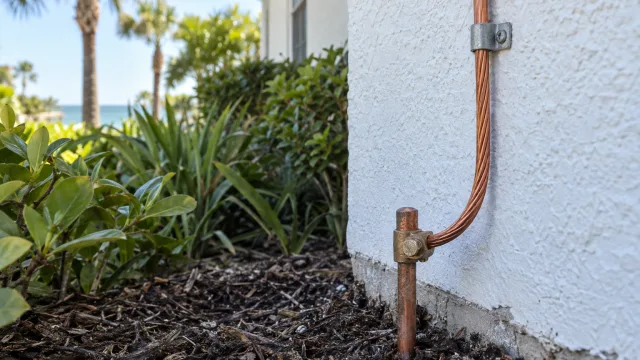
Solar-powered gate operators need their own assessment of sun exposure, shading, daily use, and accessory consumption. A small panel does not provide unlimited operation during cloudy weather. For either utility-powered or solar-assisted systems, discuss appropriate surge protection for power and connected control pathways. An electrician should also verify required grounding and bonding. Protective devices can reduce certain risks, but they cannot guarantee survival of a lightning event or correct poor wiring and damaged equipment.
Use Professional Diagnosis Instead of Repeated Adjustments
A gate that hums, moves slowly, reverses unexpectedly, or works intermittently does not automatically need a new motor. Possible causes include supply problems, worn batteries, control faults, sensor issues, or mechanical binding. Record what happens, whether it affects opening or closing, and whether it follows rain or an outage. Note any displayed fault information that is visible without opening a cabinet. These observations help direct the service visit.
An electrician can verify the supply, check voltage under operating conditions, inspect accessible electrical connections after safe isolation, and evaluate wiring protection. A qualified gate technician can assess hinges or rollers, gate balance, travel settings, obstruction protection, and operator diagnostics. These tasks may require coordination. Raising force settings to overcome binding can create a serious hazard. After repairs, the system needs functional verification, including its protective devices, rather than a single successful opening.
Build Maintenance Into Property Operations
Follow the manufacturer's service schedule and adjust professional inspection frequency for exposure, usage, and observed deterioration. Between visits, keep the travel area free of stored items and vegetation, and check externally for damage or blocked sensor sightlines while the gate is idle. Do not reach through the gate, clean moving components, or open electrical compartments. After a vehicle impact or significant storm-related damage, suspend use until the affected system has been evaluated.
For seasonal homes and vacation rentals, assign one person to maintain service records, report faults, and manage access credentials. Give guests simple instructions: use the designated pedestrian entrance, wait for the gate to complete its movement, and never push or ride it. Staff should know whom to call and how to keep people clear of a malfunctioning gate. Before returning an unused property to occupancy, arrange overdue maintenance and verify normal, backup, and protective functions using approved procedures.
About this guide: This resource provides general homeowner education, not a remote diagnosis. Actual conditions, code requirements, equipment, and safe repair options must be evaluated at the property.