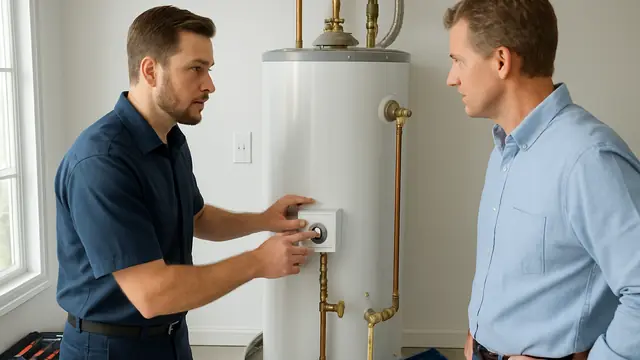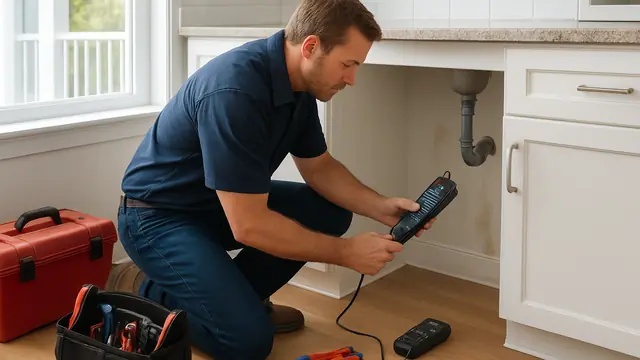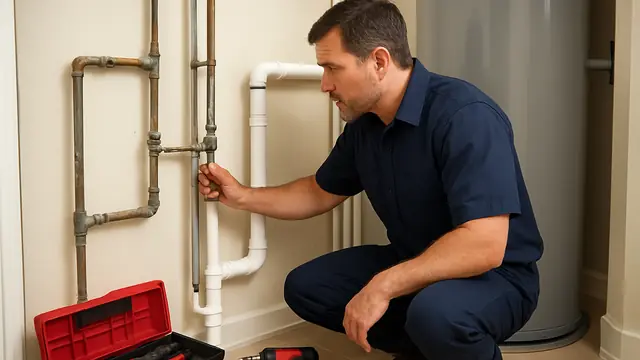
Stop and call for qualified help when plumbing water is near electrical equipment, sewage is entering occupied space, gas or burning odors are present, or a repair would require opening pressurized piping.
You turn on the kitchen faucet in your 30A home and notice cloudy spots on glassware, mineral residue around fixtures, or an unpleasant taste. Maybe your skin feels dry after showering, or your water-using appliances seem to collect scale. The natural question is whether you need a water softener, a whole-house filtration system, or both.
The safest immediate step is to avoid guessing. Do not pour chemicals into the plumbing or purchase equipment before the water is tested. If the water suddenly becomes discolored, develops a strong chemical or sewage-like odor, or seems unsafe to drink, stop using it for cooking and drinking until the cause is identified.
A softener and a whole-house filter solve different problems. A softener primarily addresses hardness minerals. Filtration targets substances such as sediment, chlorine, and certain odors, depending on the filter media.
Water Softener Versus Whole-House Filtration: The Basic Difference
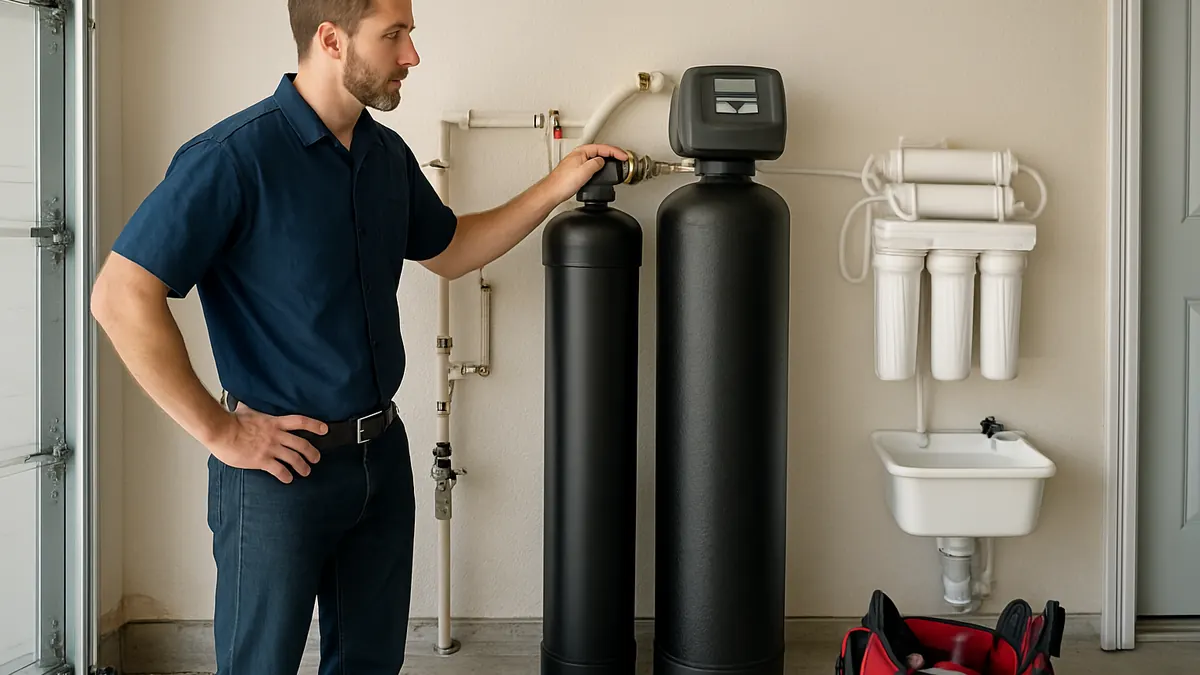
A water softener reduces calcium and magnesium, the minerals responsible for hard water. Most traditional softeners use ion exchange, which trades hardness minerals for sodium or potassium ions. This helps reduce scale and allows soap to work more effectively.
A whole-house filtration system treats water as it enters the home. It may use sediment cartridges, activated carbon, specialized media, or several stages. One system may reduce sand or rust particles, while another is designed for chlorine taste and odor.
A filter is not automatically a softener, and a softener is not a complete purification system. Installing the wrong equipment can leave the original complaint unchanged.
Signs That Point Toward a Water Softener
Hard water usually shows up as buildup rather than as an obvious safety concern. You may notice white crust around faucets, showerheads, or glass doors. Dishes can dry with spots, laundry may feel stiff, and shampoo may not lather easily.
Scale can also collect inside water heaters, valves, and appliances. For a seasonally occupied home or vacation rental along the 30A corridor, these problems may develop quietly until a guest reports a weak shower spray or a fixture becomes difficult to clean.
These symptoms justify a hardness test, but they do not prove that every water-quality concern will be solved by a softener.
Signs That Point Toward Whole-House Filtration
Filtration is more likely to be the right starting point when the concern involves taste, odor, visible particles, or discoloration. A sediment filter may help when particles are entering the plumbing. Activated carbon may reduce chlorine taste and odor when those conditions are present.
The filter must be chosen for the specific substance. A product labeled "whole-house" does not remove everything.
If only one faucet has an odor or discoloration issue, the cause may be the fixture, supply line, drain, or water heater. Whole-house equipment should not be recommended until the source is confirmed.
Safe Checks a 30A Homeowner Can Perform
Compare hot and cold water. If the problem appears only on the hot side, the water heater may be involved. If both hot and cold water are affected throughout the home, the incoming supply or main plumbing deserves attention.
Check several fixtures, including an outdoor hose connection if available. Remove a faucet aerator and look for trapped particles. Inspect the toilet tank for sediment or staining, but do not add chemicals before testing.
Review utility notices if the property receives public water. For a private well, professional laboratory testing is especially important because treatment must be matched to the well's actual chemistry.
A basic hardness strip can offer direction, but it is not a complete water analysis. Record where the symptoms occur and whether they are constant or intermittent.
What You Should Not Attempt
Do not select equipment solely because a neighbor uses the same model. Nearby homes can have different plumbing, occupancy, and treatment needs.
Do not install an undersized system without calculating peak flow. A unit that cannot support several fixtures at once may reduce pressure. Poorly programmed equipment can also waste water and salt.
Avoid improper drain connections, missing bypass valves, and installations that could leak into finished areas without protection. Never mix treatment chemicals unless directed by a qualified professional.
When the Problem Becomes Urgent
Arrange prompt evaluation when there is sudden brown, red, black, or oily-looking water throughout the home; a strong fuel, chemical, or sewage-like odor; unexplained illness that may be water-related; or a major pressure change.
A leak around existing treatment equipment is also urgent. Use the system's bypass valve if you know how to operate it safely. For a substantial leak, shut off the home's main water supply and call for service.
Rental-property complaints should be investigated quickly so the source can be documented and corrected before another guest arrives.
How a Licensed Plumber Diagnoses the Right Solution
The plumber begins by asking about the water source, symptoms, occupancy, and peak demand. The inspection may include pressure, flow, visible pipe materials, the water heater, and existing treatment equipment.
Testing may measure hardness, iron, pH, total dissolved solids, chlorine, or other factors related to the complaint. A laboratory analysis may be recommended for private wells or unexplained conditions.
The treatment method is then matched to the findings. Hardness may call for ion exchange. Sediment may require staged filtration. Taste and odor may call for carbon. Some homes need both systems installed in a specific order.
Treatment Options From Least to Most Invasive
The simplest correction may be cleaning clogged aerators, flushing a water heater, replacing an expired point-of-use cartridge, or servicing existing equipment.
If sediment is the main concern, a properly sized main-line sediment filter may be enough. If chlorine taste or odor is verified, carbon filtration may be appropriate. If testing confirms hardness, a softener may provide the most direct improvement.
When several conditions exist, a combination system can use multiple treatment stages. Replacement of plumbing is considered only when the pipes themselves are contributing corrosion, contamination, or recurring flow problems.
Factors That Affect Cost
Cost depends on testing, system capacity, treatment stages, plumbing access, drain availability, electrical needs, bypass configuration, and removal of old equipment.
A home with multiple bathrooms and frequent simultaneous use needs more flow capacity than a smaller property. Ongoing expenses include cartridges, salt, media replacement, regeneration water, and service.
The lowest purchase price is not always the lowest long-term cost. The system should solve the verified problem without creating pressure or maintenance issues.
Prevention and Maintenance
Test before buying and retest when conditions change. Replace filters on schedule, maintain the proper salt level, and review softener settings if occupancy or water use changes.
Inspect the equipment area for slow leaks, salt bridging, clogged drain lines, and unusual sounds. Vacation properties benefit from a written service schedule so equipment is not forgotten during long vacancies.
Never leave a cartridge in service beyond its rated life.
Choosing Water Softener Versus Whole-House Filtration in 30A
Choose a softener for verified hardness. Choose whole-house filtration for a confirmed issue such as sediment, chlorine taste, or odor. Choose both only when testing shows that more than one treatment method is needed.
About this guide: This resource provides general homeowner education, not a remote diagnosis. Actual conditions, code requirements, equipment, and safe repair options must be evaluated at the property.