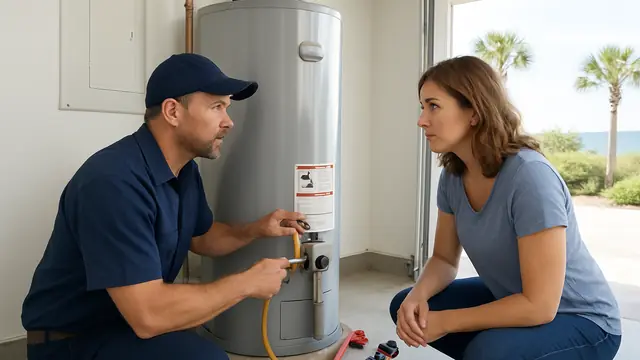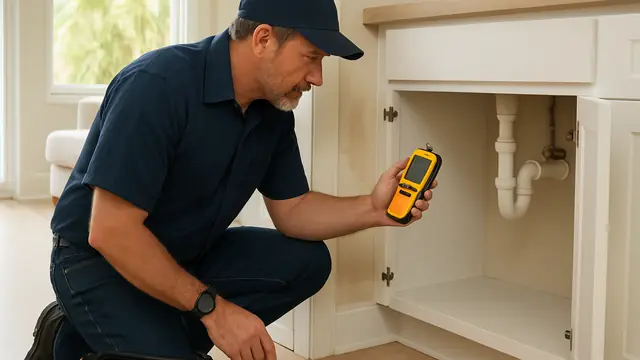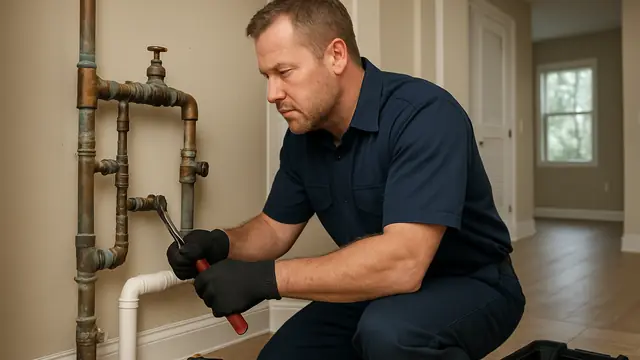
Stop and call for qualified help when plumbing water is near electrical equipment, sewage is entering occupied space, gas or burning odors are present, or a repair would require opening pressurized piping.
A homeowner in Blue Mountain Beach may start researching water treatment after noticing two different problems at once: white buildup around the showerhead and an unpleasant taste at the kitchen sink. One symptom suggests hardness, while the other may point toward a filtration need. Buying one device without identifying both causes can leave half the problem unresolved.
Begin with a safe comparison. Check whether the condition affects hot and cold water and whether it appears at every fixture. Do not taste water that has a new odor, unusual color, or visible material. When the change is sudden or severe, use another safe drinking-water source until the supply has been evaluated.
The difference between a water softener and whole-house filtration is not primarily the size or price of the equipment. It is the type of water problem each system is designed to treat.
What a Water Softener Actually Does
Hard water contains dissolved calcium and magnesium. These minerals are not removed by an ordinary sediment filter because they are dissolved rather than floating as visible particles.
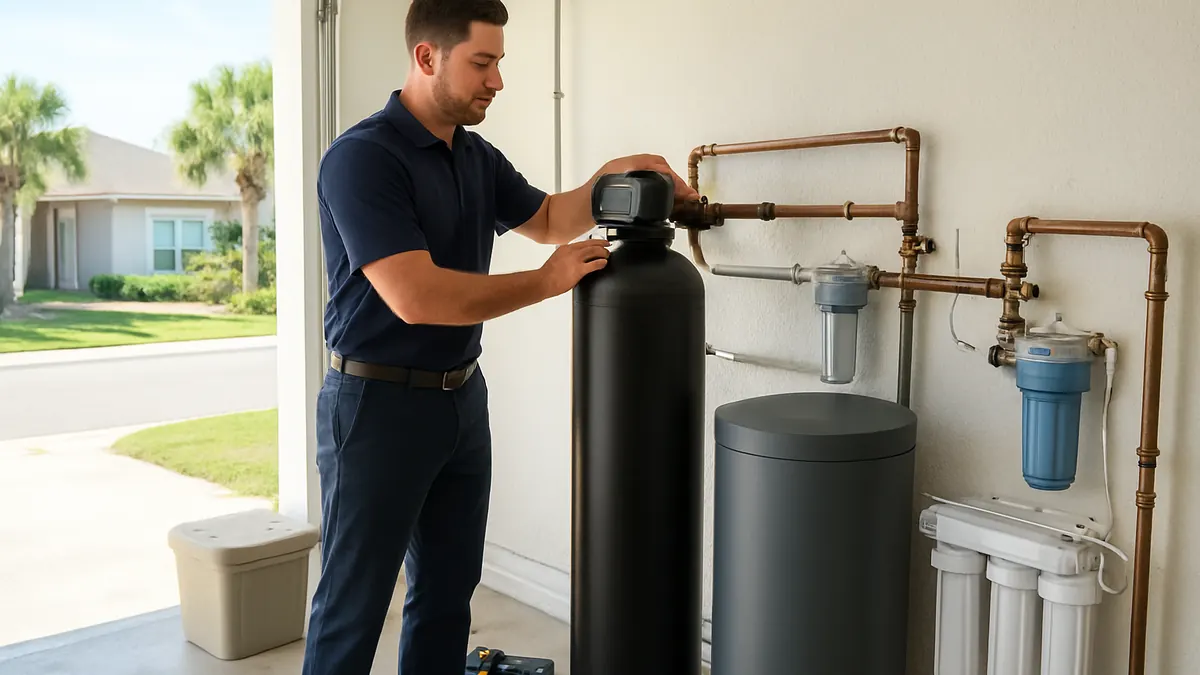
- A conventional softener uses ion exchange. Resin beads attract calcium and magnesium, then the system periodically cleans the resin with a brine solution.
- The goal is to reduce scale, spotting, and mineral accumulation in fixtures and water-using equipment.
- A softener does not automatically remove chlorine, sediment, microorganisms, or every substance that may affect taste and odor.
What Whole-House Filtration Actually Does
Whole-house filtration is a broad category. Water passes through treatment media before being distributed to fixtures, but the media must match the target.
A sediment filter captures particles larger than its rated micron size. Activated carbon can reduce certain tastes and odors, including chlorine-related complaints, when properly designed. Other specialized media may address specific substances confirmed through testing.
No single filter removes everything, and an undersized or clogged filter can reduce pressure.
The label on the equipment matters less than its verified treatment capability.
How to Match Common Symptoms to the Right System
White crust, recurring shower-glass film, spotted dishes, and poor soap performance commonly justify hardness testing. If hardness is confirmed, a softener is the direct treatment.
Visible grit or flakes may point toward sediment filtration, but the source must be identified. Material can come from the incoming supply, a water heater, old fixture components, or internal piping.
A chlorine-like taste or odor may support carbon filtration. A rotten-egg odor can have several causes, including the water heater or water source, and should not be treated by guesswork.
When several symptoms occur, staged treatment may help, but one complaint may still be limited to a single fixture.
Safe Checks You Can Make Before Calling
Run the cold water at a faucet for a short period and fill a clear container. Repeat with hot water in a separate container. Compare color, particles, and odor.
Test more than one bathroom and the kitchen. If available, check water at an outdoor spigot before it passes through existing treatment equipment. This can help distinguish a supply issue from a treatment-system problem.
Unscrew and inspect faucet aerators for debris. Check the installation date on filter cartridges and look at the softener display for error messages. Confirm whether an existing system has been left in bypass.
A basic hardness kit can offer direction, but additional testing may be needed before equipment is selected.
What Not to Attempt
- Do not open a pressurized filter housing without shutting off the water and relieving pressure. A housing can release suddenly and cause injury or water damage.
- Do not bypass a leaking system and then forget about it. Bypass can temporarily restore water service, but it also removes treatment and may conceal a worsening equipment problem.
- Avoid using a water softener to treat visible sediment or odor. Likewise, do not assume a carbon filter will protect fixtures from hardness scale.
Do not install equipment without a properly routed drain, service clearance, shutoff valves, and protection against leaks. Main-line changes should be completed in accordance with applicable plumbing requirements.
When Water Conditions Need Prompt Attention
Hardness buildup usually develops gradually. It deserves correction, but it is rarely an immediate emergency by itself.
Prompt evaluation is appropriate when water throughout the home changes color suddenly, develops a strong chemical or sewage-like odor, contains persistent oily material, or causes unexplained irritation. A sharp drop in pressure may indicate a clogged filter, failed valve, supply issue, or plumbing restriction.
A leaking tank, cracked filter housing, or continuously running softener can waste water and damage the surrounding area. Shut off or bypass the equipment only when you understand the controls and can do so safely.
How a Licensed Plumber Diagnoses the Problem
A plumber first determines whether the complaint begins before or after the water enters the home. The inspection includes the main shutoff, pressure, flow, water heater, accessible piping, fixture aerators, and any treatment equipment.
The plumber also reviews occupancy, simultaneous water use, and maintenance history because treatment equipment must handle peak flow.
Water testing is selected around the symptoms. Hardness testing supports softener sizing. Chlorine and odor complaints may lead to different tests. Private-well concerns may require certified laboratory analysis.
Existing equipment is checked for clogged media, incorrect programming, worn components, or an improper bypass setting.
Options Beginning With the Least Invasive
The least invasive answer may be replacing an expired cartridge, cleaning aerators, correcting a bypass position, adjusting softener programming, or repairing a control valve.
A point-of-use kitchen filter may be reasonable when the concern is limited to drinking water.
A sediment filter may be added when testing and inspection confirm particles entering the home. Carbon filtration may be used for a verified taste or odor concern. A softener may be installed when hardness is the primary cause of scale.
When both categories of problems are present, staged whole-house filtration and softening may be recommended. Pipe replacement is a later option only when the plumbing itself is causing recurring corrosion, contamination, or restricted flow.
Factors That Influence Cost
- Cost varies with system capacity, test results, media type, number of treatment stages, installation access, plumbing modifications, drain routing, and electrical needs.
- Homes with high peak demand need equipment capable of maintaining flow while multiple fixtures operate.
- Long-term cost includes salt, filters, replacement media, regeneration water, cleaning, and service. Compare maintenance requirements as carefully as the installation price.
Preventing Future Water-Treatment Problems
Keep a written record of water tests, filter changes, salt additions, repairs, and programming adjustments. Label cartridges with the installation date.
Inspect the area around the equipment for moisture and listen for regeneration at unexpected times. Break up a salt bridge only according to manufacturer guidance, and never strike the brine tank with a hard object.
Replace filters before severe pressure loss occurs. Retest when symptoms return, water use changes, or plumbing work is completed.
For homes vacant for extended periods, arrange periodic checks for leaks, exhausted filters, and empty brine tanks.
Choosing Water Softener Versus Whole-House Filtration in Blue Mountain Beach
A softener is intended for confirmed hardness and scale. Whole-house filtration is designed around a specific concern such as sediment or chlorine-related taste and odor. Testing, flow calculations, and a plumbing inspection show whether you need one system, both systems, or only a smaller repair.
About this guide: This resource provides general homeowner education, not a remote diagnosis. Actual conditions, code requirements, equipment, and safe repair options must be evaluated at the property.