Stop and call for qualified help when plumbing water is near electrical equipment, sewage is entering occupied space, gas or burning odors are present, or a repair would require opening pressurized piping.
A homeowner in Cinco Bayou may call for help after noticing that a toilet flushes slowly one day and works normally the next. Soon afterward, the nearby shower gurgles, or water appears in the tub when the washing machine drains. Intermittent symptoms can be confusing because the line may still move some wastewater even though a restriction or damaged section is developing.
The safest immediate action is to reduce water use. Do not keep testing with repeated flushes, laundry cycles, or long showers. If sewage rises into a fixture or onto the floor, stop using the plumbing and keep occupants and pets away.
A sewer camera inspection helps a licensed plumber see inside an accessible drain or sewer line and decide whether the problem can be cleaned, repaired locally, or requires a larger correction.
What Happens During a Sewer Camera Inspection in Cinco Bayou?
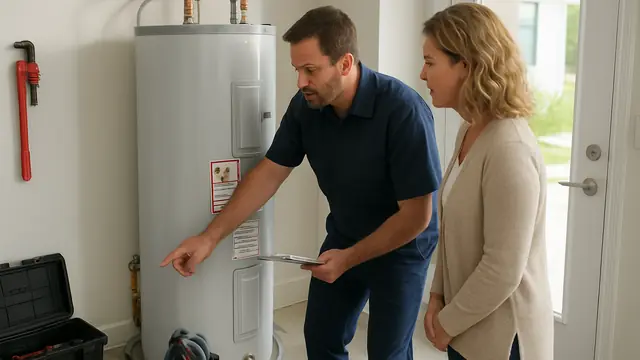
The plumber asks when symptoms occur, which fixtures are affected, and whether previous cleaning or repair was performed. The pattern helps show whether the issue is local or farther downstream.
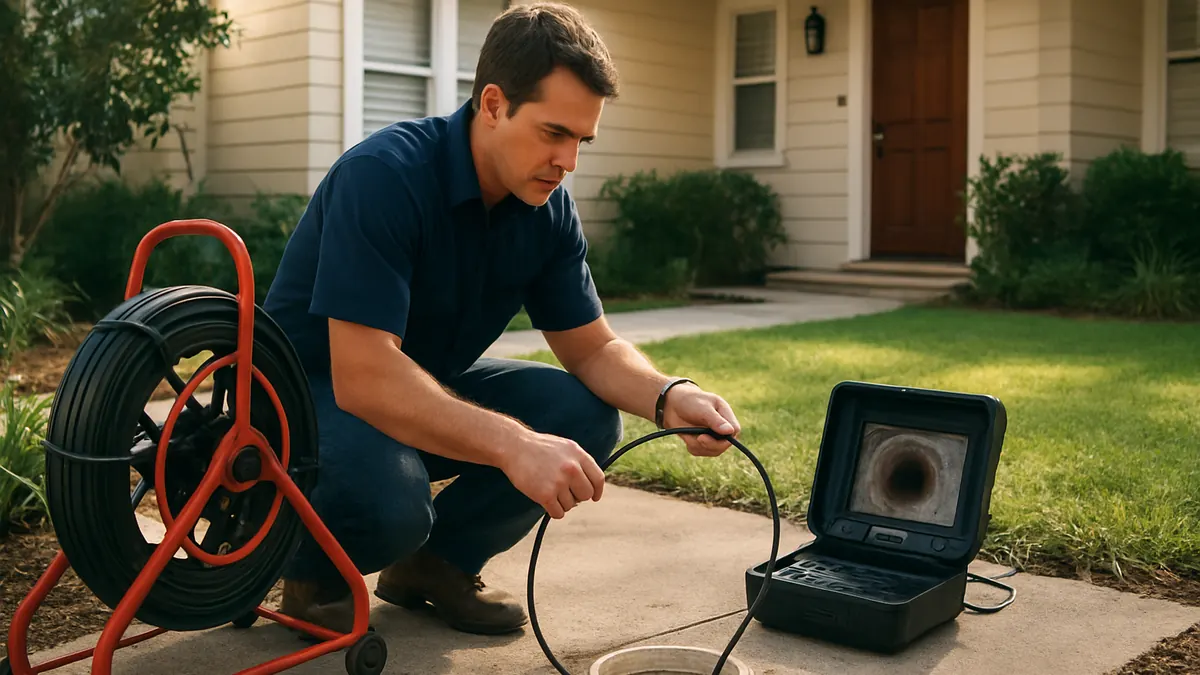
A flexible, lighted waterproof camera is inserted through a cleanout or another approved access point. Live video appears on a monitor.
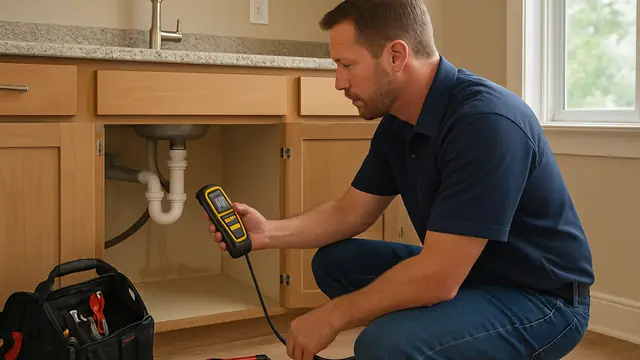
The plumber examines connections, bends, pipe walls, buildup, standing water, and visible damage. A transmitter in the camera head may be located from above ground, helping estimate the position and depth of a defect.
The camera provides evidence but does not clear or repair the line.
Why Intermittent Drain Problems Still Matter
A partially restricted line may pass small amounts of water but struggle when several fixtures discharge at once. That is why a home can seem normal in the morning and back up during laundry or evening showers.
A loose piece of debris may shift inside the pipe, temporarily improving flow before blocking it again. Roots or an offset joint can also catch material and release some of it unpredictably.
Intermittent symptoms should not be ignored simply because the drain works between episodes. A camera inspection can identify the condition before the line becomes completely blocked.
Common Findings During the Inspection
- The camera may reveal paper buildup, wipes, grease, sludge, or a foreign object. These conditions may be removable when the pipe itself remains sound.
- Roots may enter through a failed joint or crack. Removing the roots can restore flow, but the opening may continue allowing regrowth.
- An offset joint means two connected pipe sections are no longer properly aligned. Waste can catch on the exposed edge and cause recurring stoppages.
Cracks, corrosion, deformation, and collapse indicate structural damage. Standing water may point to a sagging section, poor slope, or a restriction beyond the camera's current position.
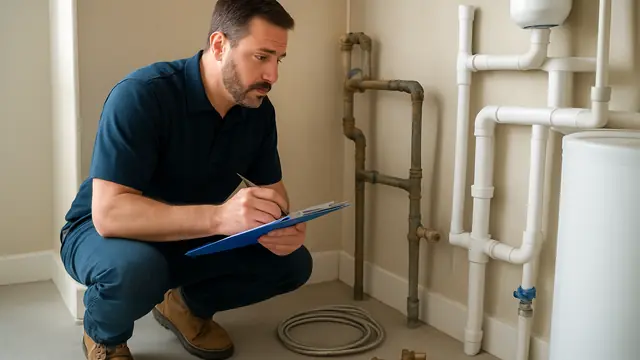
The plumber should relate visible conditions to the symptoms. Not every rough spot requires repair.
Safe Checks the Homeowner Can Perform
- Determine whether the symptom is limited to one fixture or affects several areas.
- Record when the problem occurs. Heavy water use, a washing machine cycle, or simultaneous showers may reveal a partially restricted main line.
- Listen for gurgling and note which fixture makes the sound.
- Locate the exterior cleanout if it is visible, but do not remove the cap during a backup. The line may be full and under pressure.
What the Homeowner Should Not Attempt
- Do not pour repeated chemical treatments into a line with recurring symptoms. The product may not reach the cause and may remain trapped in the pipe.
- Do not mix drain-cleaning products. Chemical reactions can create heat, fumes, and dangerous splashing.
- Do not insert improvised tools or operate a large cable machine without training. Equipment can become lodged, injure the operator, or damage already weakened pipe.
- Do not dig or remove flooring based only on where wastewater appears. The backup location does not necessarily identify the defect location.
Signs That Make the Problem Urgent
Sewage entering the home is urgent. Stop using all plumbing fixtures, keep people and pets away, and arrange prompt service.
Quick attention is also needed when every toilet is affected, wastewater rises whenever another fixture is used, or the backup threatens finished materials or electrical equipment.
A clog that returns immediately after cleaning, a strong sewer odor combined with visible leakage, or a sudden loss of drainage throughout the home may indicate a serious obstruction or structural failure.
How a Licensed Plumber Diagnoses the Line
The plumber compares the homeowner's observations with the home's drainage layout. Selected fixtures may be tested carefully.
If the line is completely obstructed, cleaning is often required before a useful camera inspection can be completed. Heavy coating may also need removal so the pipe walls can be seen clearly.
The camera is advanced slowly, and important findings may be recorded. Cable distance gives a rough measurement, while a locating transmitter can help narrow the position from above ground.
The plumber should explain the limits of the inspection. A camera can show visible conditions inside accessible piping, but some leaks, venting problems, or inaccessible branches may require additional tests.
Repair Options From the Least Invasive Upward
- If the camera shows a simple obstruction in otherwise sound pipe, professional cabling may be enough.
- Heavy grease, sludge, or attached buildup may require a more thorough cleaning method selected for the pipe material and condition.
- A foreign object may sometimes be retrieved through an existing access point. Roots can be cut to restore drainage, followed by repair of the entry point when appropriate.
A single damaged fitting, joint, or short section may be replaced without disturbing the entire line. Trenchless rehabilitation may be considered when access, pipe condition, and layout make it suitable.
Replacement becomes reasonable when multiple sections have failed, the line is deformed, or collapse prevents dependable flow. It should be supported by clear findings.
Typical Factors Affecting Cost
- Inspection cost varies with access, pipe length, number of bends, blockage severity, and whether cleaning is required first.
- When no suitable cleanout is available, removing and resetting a toilet or creating another approved access point may add labor.
- Repair cost depends on the defect's location, depth, length, pipe material, repair method, and the surfaces that must be opened and restored.
- A written estimate should identify whether locating, permits, cleanup, restoration, and post-repair camera inspection are included.
Prevention and Maintenance Guidance
- Flush only toilet paper and human waste. Wipes, paper towels, hygiene products, cotton swabs, dental floss, and household trash should not enter the toilet.
- Keep grease and cooking oil out of sink drains. Even liquid grease can cool and coat the inside of the pipe.
- Use strainers where appropriate and address recurring slow drainage early. Keep camera videos and repair records for future reference.
- If the inspection identifies a condition that may recur, ask the plumber for a maintenance interval based on the actual pipe condition rather than a generic schedule.
Take Action Before the Line Fully Blocks
What happens during a sewer camera inspection in Cinco Bayou is a practical effort to identify the cause and location of a hidden drainage problem. The plumber reviews the symptom pattern, gains access, clears the line if necessary, records visible conditions, locates significant findings, and explains repair choices from the least invasive reasonable option upward. When symptoms come and go, do not assume the problem has disappeared. Reduce water use and arrange an inspection before the line becomes completely blocked.
About this guide: This resource provides general homeowner education, not a remote diagnosis. Actual conditions, code requirements, equipment, and safe repair options must be evaluated at the property.