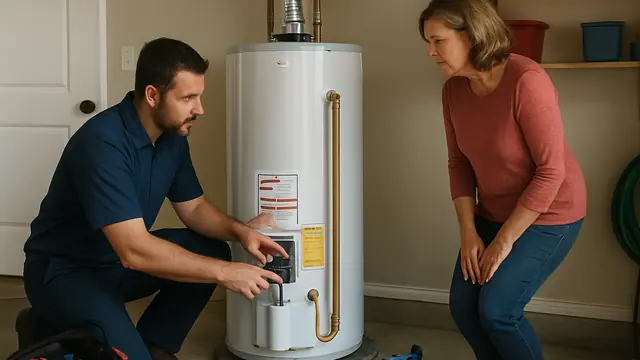
Stop and call for qualified help when plumbing water is near electrical equipment, sewage is entering occupied space, gas or burning odors are present, or a repair would require opening pressurized piping.
The kitchen sink is slow, the toilet bubbles after a flush, and water appears in the bathtub when the washing machine drains. That combination is more than an inconvenience. When several fixtures are affected, the problem is usually in a pipe they share rather than in each fixture separately.
If multiple drains are backing up in your DeFuniak Springs home, stop using water. Turn off the washing machine and dishwasher, avoid showers, and avoid testing toilets. Water sent into a restricted drain may return through a tub, shower, floor drain, or toilet.
A prompt diagnosis can help determine whether the solution is drain cleaning or a sewer or septic repair.
What the Backup Pattern Can Tell You
Those branches feed the main building drain, which carries wastewater away from the home.
If only the kitchen sink is slow, the clog may be near that fixture. If the toilet, vanity, and tub in one bathroom react together, the shared bathroom branch may be restricted. If fixtures in several rooms are slow or overflowing, the main drain becomes more likely.
The lowest fixture usually shows the backup first because it is the easiest escape point for wastewater trapped downstream.
Why Are Multiple Drains Backing Up?
A Main Drain Obstruction
A main-line blockage can affect nearly every fixture. Waste, toilet paper, wipes, grease, and other material may accumulate until the pipe cannot carry normal flow.
A partial obstruction may pass small flows but fail when a washer, bathtub, or several fixtures release water quickly.
A Clogged Branch Line
A branch clog affects a group of connected fixtures. One bathroom may be unusable while another operates normally, or the kitchen and laundry drains may slow together.
Grease, Soap, and Food Residue
Cooking grease cools inside a pipe and creates a sticky layer. Food particles and soap attach to it, slowly narrowing the opening.
Items That Should Not Be Flushed
Wipes, paper towels, hygiene products, cotton items, cleaning cloths, and excessive toilet paper may catch inside the line. Even a product marketed as flushable can remain intact long enough to contribute to a clog.
Roots, Shifting, or Pipe Damage
Roots can enter a buried line through a crack or loose joint. Broken, offset, deteriorated, or sagging piping may also trap waste.
A low section of pipe that holds water is commonly called a belly. Solids settle in that area and can create recurring blockages.
Septic-System Restrictions
For a home served by septic, a full tank, obstructed inlet, blocked outlet, or drain-field problem may affect multiple fixtures. Indoor drain cleaning will not fix an overloaded wastewater system.
Safe Checks Before Calling a Plumber
Stop water use and list the affected fixtures. Note whether symptoms occur throughout the home or only in one area.
Check the lowest shower, tub, or floor drain without touching any wastewater. Listen for gurgling and notice whether a toilet bowl rises, falls, or bubbles when another fixture drains.
Look for an exterior cleanout only if it is visible. Moisture around the cap may indicate the line is holding wastewater. Do not remove the cap yourself when the system may be pressurized.
For a septic system, note when the tank was last serviced, but never open or enter any septic component.
What Not to Do During a Whole-House Backup
- Do not keep running water in hopes that pressure will clear the line. Plumbing drains are gravity systems, and added water usually increases the overflow risk.
- Avoid chemical drain cleaners. They may not reach a deep clog, can damage some materials, and may expose the technician to corrosive liquid when the line is opened.
- Do not use a garden hose, improvised rod, or undersized hand snake in a main cleanout. The tool can become lodged or damage the pipe.
- Do not remove a toilet or touch backed-up wastewater. Keep children and pets away.
Signs That Require Prompt Service
Raw sewage inside the home requires prompt attention. Stop water use and keep everyone away from the affected area.
Other urgent conditions include all toilets becoming unusable, an exterior cleanout overflowing, wastewater near electrical equipment, a strong sewage odor, or a backup spreading from one room to another.
If a recently cleared line backs up again, grease, roots, damage, or incomplete cleaning may remain.
How a Licensed Plumber Diagnoses the Cause
The plumber studies the fixture pattern to decide whether to begin at a fixture, branch, main cleanout, or septic connection.
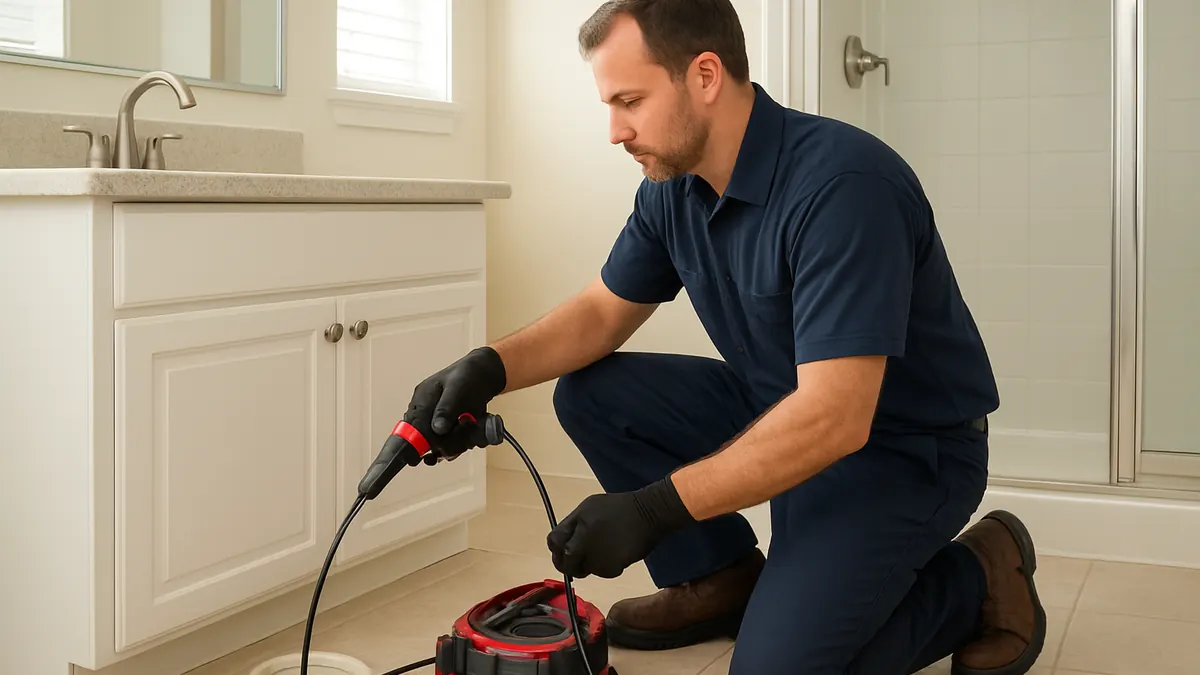
Professional cable equipment may be used to open the line and retrieve or break apart the obstruction. Different cable heads are designed for soft blockages, roots, or heavy buildup.
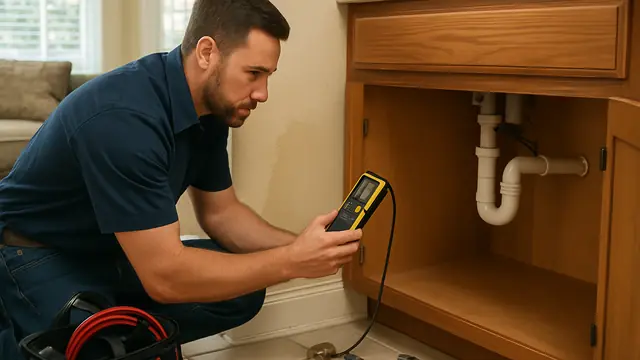
After water is flowing, a sewer camera can inspect the interior. Video may show grease, roots, cracks, offset joints, a belly, or a foreign object.
Electronic locating equipment can mark a defect's position and depth before digging is considered.
Repair Options, Starting With the Least Invasive
- A local clog may be removed by cleaning a trap or short fixture line. A branch or main obstruction may require professional snaking through a cleanout.
- Hydro jetting can scour grease and sludge from suitable piping. It uses high-pressure water and should be selected only after the line and access are evaluated.
- Root cutting may restore drainage, but roots can return unless the opening is repaired. A single damaged area may be addressed with a spot repair.
Some pipes qualify for trenchless lining or another method that reduces excavation. A collapsed, severely misaligned, or extensively deteriorated line may require conventional replacement.
For septic-related trouble, the solution may involve pumping, clearing a connection, repairing a component, or evaluating the drain field. The diagnosis should determine the work.
Factors That Influence Cost
- The cost depends on whether the blockage is close to a fixture or deep in the main line, how easily the pipe can be accessed, and what equipment is required.
- Pipe length and diameter, camera inspection, locating, hydro jetting, root removal, septic service, excavation, permits, and restoration can change the scope.
- After-hours response and sewage cleanup may add work. The estimate should explain the findings and recommended repair.
How to Reduce the Chance of Another Backup
- Flush only toilet paper and human waste. Put wipes, paper towels, hygiene products, cotton swabs, floss, and cleaning materials in the trash.
- Keep grease, coffee grounds, food scraps, and fibrous waste out of kitchen drains. Scrape dishes before washing and use sink strainers.
- Do not ignore several drains becoming slow at once. Gurgling toilets, recurring odors, and water moving between fixtures are early signs that the system needs attention.
- Homes with confirmed roots, recurring grease buildup, or septic concerns may benefit from a maintenance schedule based on the actual cause.
What to Do When Multiple Drains Back Up in DeFuniak Springs
When multiple drains are backing up in DeFuniak Springs, stop using the plumbing and arrange a licensed diagnosis. Several affected fixtures usually indicate a shared branch, main drain, sewer, or septic problem. Finding the location and cause allows the plumber to start with the least invasive reasonable repair while helping prevent another overflow.
About this guide: This resource provides general homeowner education, not a remote diagnosis. Actual conditions, code requirements, equipment, and safe repair options must be evaluated at the property.