Stop and call for qualified help when plumbing water is near electrical equipment, sewage is entering occupied space, gas or burning odors are present, or a repair would require opening pressurized piping.
The first sign may be easy to dismiss: brown water for a moment when you turn on a bathroom faucet. Then a shutoff valve begins seeping, the kitchen pressure seems weaker, and a plumber repairs another small leak in a different part of the house. For a DeFuniak Springs homeowner, that combination can point to more than ordinary fixture wear. It may be among the signs your home needs repiping.
Repiping replaces some or all pressurized hot- and cold-water supply lines. The goal is to identify when repeated repairs, corrosion, restricted flow, or unreliable materials make a larger project practical.
If water is leaking now, shut off the closest fixture valve or the main water supply when you can do so safely. Keep away from water near outlets, lights, appliances, or electrical panels. Place a container under a minor accessible drip only if the area is safe, and contact a licensed plumber.
Warning Signs That Should Be Evaluated Together
Rust-Colored or Cloudy Water From Several Fixtures
Temporary discoloration can follow water-system or water-heater service. Repeated discoloration from several fixtures may also come from deteriorating metal lines.
Test the hot and cold sides separately and note how long the water takes to clear. This information helps determine whether the source is the water heater, one branch, the incoming supply, or the home's piping.
A Pattern of Small Leaks
A single leak can result from a loose connection, failed valve, damaged fitting, or accidental impact. Multiple leaks in separate locations are more significant, especially when they involve the same material.
Repeated spot repairs can leave weakened sections in service. Ask the plumber to evaluate the pattern rather than each failure separately.
Low Flow That Has Worsened Over Time
What feels like low pressure may actually be restricted flow. Corrosion and buildup can narrow the opening inside certain pipes.
A clogged showerhead or faucet aerator can create the same symptom at one fixture. Weak hot and cold flow throughout the home requires a more complete diagnosis.
Corrosion Around Exposed Connections
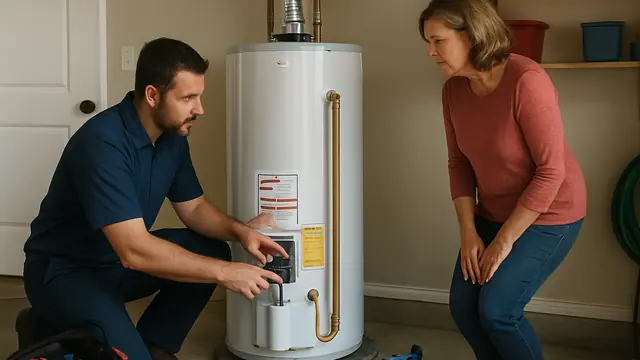
Look under sinks, near the water heater, beside the washing machine, and around accessible valves. Rust, pitting, green-blue marks, crusty deposits, or recurring dampness can indicate deterioration.
Surface staining does not always reveal the condition inside a pipe, but corrosion at several connections is a reason to inspect the rest of the system.
Unexplained Moisture or Water Damage
A damp cabinet, stained ceiling, warped baseboard, loose flooring, musty odor, or soft drywall may indicate concealed water. Plumbing is only one possible cause, so avoid assuming the source.
A supply-pipe leak becomes more likely when moisture appears during water use or similar leaks have occurred elsewhere.
Why Repiping May Become Necessary
Reliability depends on pipe material, water chemistry, pressure, temperature, installation quality, support, fittings, and previous repairs-not age alone.
Metal piping can corrode internally, causing discoloration, restricted flow, and weakened walls. Plastic pipe can fail because of poor connections, incompatible components, heat, damage, or inadequate support.
High water pressure adds stress to fittings, valves, appliance connections, and plumbing fixtures. A pressure problem should be corrected whether the home needs one repair or a complete repipe.
Safe Checks You Can Make Without Opening the Plumbing
Run several fixtures one at a time. Compare the hot and cold flow, then see what happens when a second fixture is opened. Write down which rooms are affected.
Inspect an accessible faucet aerator if you can reinstall it correctly. Debris may explain one slow faucet; similar particles at several fixtures may require investigation.
Check accessible cabinets and utility areas for moisture, corrosion, or previous patches. Look at ceilings below bathrooms and laundry areas. Do not enter a wet crawlspace, attic, or other unsafe area.
With fixtures and appliances off, observe the meter if safely accessible. Movement can suggest a leak, though automatic equipment should be considered.
Gather earlier repair invoices or photographs, including dates, rooms, and failed components.
What a Homeowner Should Not Do
Do not cut drywall, flooring, or ceilings at random. Professional testing can often narrow the source and reduce unnecessary damage.
Do not use drain cleaner to address pressure, discolored water, or a supply-line leak. Drain chemicals work in waste piping and cannot repair pressurized water lines.
Do not tighten a heavily corroded valve or fitting aggressively. Weak metal may crack or separate. If the component must be operated to stop water, use caution and stop if it begins moving abnormally.
Do not keep patching concealed leaks without asking why they are recurring. A patch may be reasonable, but repeated failures require a system-level decision.
When Repiping Concerns Become Urgent
Shut off the water and seek prompt help when water is flowing through a wall or ceiling, a ceiling begins sagging, flooring becomes saturated, or water reaches electrical components.
Sudden loss of pressure, a rapidly moving meter with everything off, or the continuous sound of running water behind a surface also requires fast action.
Several leaks over a short period can justify planning replacement before another failure occurs.
How a Licensed Plumber Diagnoses the Piping
The plumber reviews symptoms, leak history, pipe materials, and previous repairs. Exposed piping is checked for corrosion, poor support, old patches, incompatible fittings, and signs of stress.
Pressure testing can identify excessive pressure or unusual drops. Comparing flow at different fixtures helps distinguish a local restriction from a larger distribution problem. Individual branches may be isolated when possible.
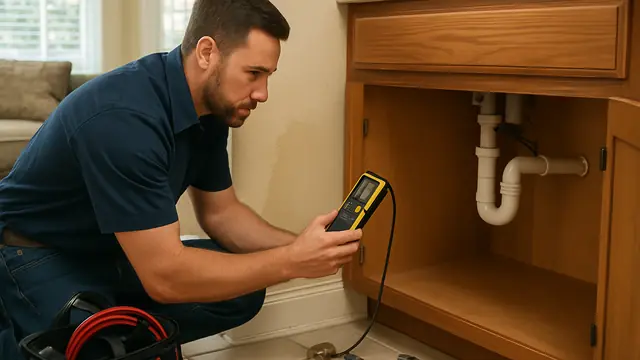
Moisture meters, acoustic detection, thermal imaging, and other methods may help locate hidden water. Results are combined with inspection.
A sound recommendation should explain whether the failure is isolated, limited to one branch, or likely to affect the broader system.
Repair and Replacement Options
- The least invasive reasonable option may be replacing an aerator, shutoff valve, supply connector, pressure regulator, fitting, or short accessible pipe section.
- If one branch is restricted or leaking while the rest remains serviceable, a partial repipe may solve the problem.
- A phased approach may also work, provided transitions between old and new materials are designed correctly.
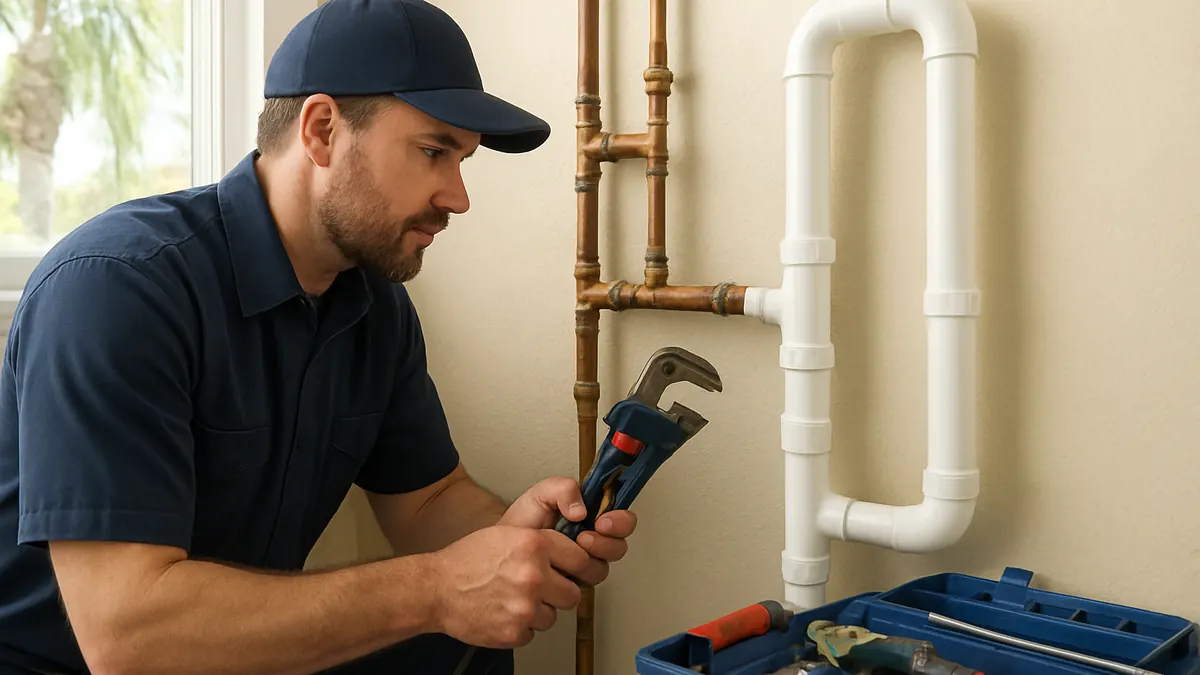
Whole-house repiping becomes more reasonable when leaks are occurring in several locations, flow restrictions are widespread, or the same unreliable material remains throughout the home. PEX and copper are common replacement materials, chosen according to the building, route, approved use, and homeowner priorities.
Factors That Influence Repiping Cost
- Cost depends on home size, fixture count, stories, material, pipe length, route, and access.
- Construction affects labor. Piping in open utility areas is easier to reach than piping behind tile, cabinets, finished ceilings, or other detailed surfaces.
- Permits, inspections, insulation, valves, reconnections, drywall repair, painting, and debris removal may also affect cost. Compare included work, not totals alone.
Prevention and Ongoing Maintenance
- Know where the main water shutoff is located and keep the path to it clear. Replace worn appliance hoses and fixture connectors before they split.
- Have water pressure checked if pipes bang, valves fail, or connectors repeatedly develop leaks. Respond to discoloration and dampness before damage spreads.
- Keep repair records. For a sometimes-vacant home, monitored leak alarms or an automatic shutoff can shorten response time.
Choose the Next Step Before Another Failure
The signs your home may need repiping in DeFuniak Springs matter most when they appear together: recurring leaks, restricted flow, discoloration, corrosion, and unexplained moisture. A licensed plumber can determine whether you need a focused repair, partial repipe, phased plan, or whole-house replacement.
About this guide: This resource provides general homeowner education, not a remote diagnosis. Actual conditions, code requirements, equipment, and safe repair options must be evaluated at the property.