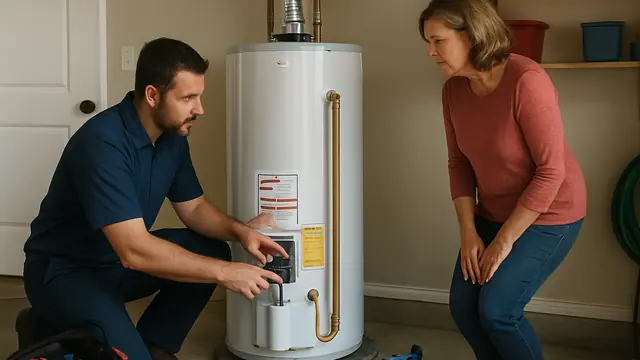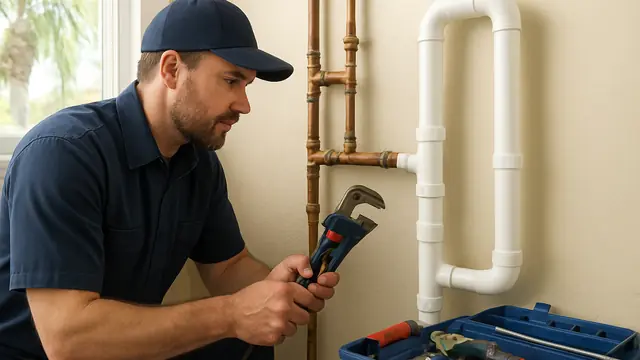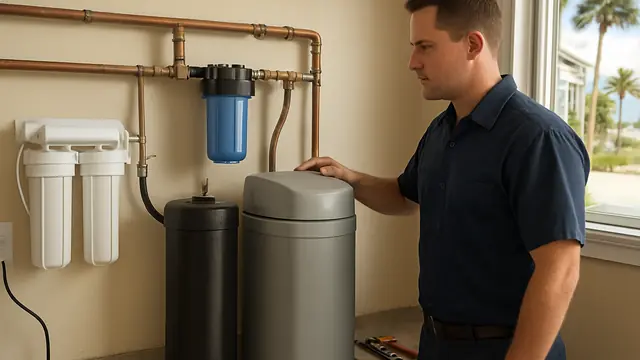
Stop and call for qualified help when plumbing water is near electrical equipment, sewage is entering occupied space, gas or burning odors are present, or a repair would require opening pressurized piping.
Your water bill rises even though no one has changed the household routine. You check the faucets, look beneath the sinks, and find no puddles. A few days later, you hear a faint hiss near the wall behind a bathroom. Those two clues together may indicate a hidden plumbing leak in your DeFuniak Springs home.
Hidden leaks can occur inside walls, above ceilings, beneath floors, or in other areas that are difficult to see. Turn off nearby fixtures and appliances while you investigate. If water is actively damaging the home, close the shutoff valve when safely accessible and arrange professional service.
Why Hidden Plumbing Leaks Need Attention
Water escaping behind finished surfaces can damage drywall, cabinets, flooring, insulation, and framing. The cause may be a loose connection, toilet seal, appliance hose, shower valve, drain fitting, or concealed pipe. Prompt diagnosis separates a localized repair from a larger piping concern.
Seven Warning Signs of a Hidden Plumbing Leak in DeFuniak Springs
1. The Water Meter Shows Flow When Nothing Is Running
Turn off every faucet, toilet, water-using appliance, outdoor spigot, irrigation zone, and treatment cycle. After toilets finish refilling, observe the meter.
Continued movement may indicate a pressurized leak, although a running toilet or overlooked appliance can produce the same result.
2. Your Water Use Increases Unexpectedly
A higher bill or usage report may be the first clue of a small supply leak. Compare the increase with occupancy, outdoor water use, laundry, cleaning, and appliance activity.
A continuing increase without a reasonable explanation should be investigated because even a small supply opening can leak continuously.
3. You Hear Hissing, Dripping, or Running Water
After fixtures stop and toilets finish filling, continuing hissing or rushing may indicate pressurized water movement. Intermittent dripping may involve a drain used only at certain times.
Listen near plumbing walls, cabinets, the water heater, and rooms below bathrooms. Sound can travel through the structure, so treat it as a clue rather than an exact location.
4. Walls, Ceilings, or Trim Begin to Change
Look for bubbling paint, soft drywall, stains, swollen baseboards, or sagging material. Water may travel along framing, so the mark may not sit directly below the failure.
Do not press on a bowed ceiling. Saturated drywall can fall, and moisture may be close to electrical wiring or fixtures.
5. Floors Become Soft, Loose, or Discolored
A concealed leak can produce loose tile, raised edges, darkened seams, or a soft area that was previously solid.
Keep people away from an unstable section. Continued walking may increase damage or create a fall hazard.
6. A Musty Smell Persists
A damp odor that returns after cleaning may mean moisture remains trapped inside a cabinet, wall, ceiling, or floor. Condensation or exterior water can create similar symptoms, so testing is needed.
7. Moisture Appears Only When a Fixture Operates
A ceiling stain that darkens after a tub drains, water beneath a sink after the dishwasher runs, or dampness around a toilet after flushing may point toward a fixture-specific leak.
The problem could involve a trap, drain, seal, valve, supply line, or appliance hose. Stop using the fixture once the pattern is clear.
Safe Checks You Can Perform
- Dry and photograph the surface. Record which fixture was used and whether the area changed.
- Inspect visible plumbing beneath sinks, around toilets, near the water heater, and behind safely accessible appliances. A dry tissue can reveal slight moisture.
- Locate the main shutoff valve and confirm that it can be reached. Do not force a valve that is corroded, stuck, or difficult to turn.
What Homeowners Should Not Attempt
Do not cut open a wall or ceiling based only on a stain. Water can travel, and concealed wiring creates a safety risk.
Do not pour chemical drain cleaner into a fixture to stop leakage. It will not repair a failed joint and can leave corrosive liquid in the pipe.
Avoid using improvised patches, household glue, tape, or sealants on pressurized plumbing. A temporary repair may fail suddenly or hide the condition long enough for damage to continue.
Signs the Problem Is Urgent
Shut off the water and call promptly when water is spreading rapidly, the meter shows substantial continuous flow, a ceiling is sagging, or pressure drops throughout the home.
Treat moisture near electrical equipment as hazardous. Do not touch a wet switch, outlet, light fixture, panel, or powered appliance.
Water containing sewage, a strong sewer odor, or leakage that follows a toilet flush may involve a sanitary drain. Keep children and pets away, avoid contact, and do not use affected fixtures.
How a Licensed Plumber Diagnoses a Hidden Leak
The plumber starts by reviewing the timing and pattern. Is the leak constant? Does it appear after one fixture operates? Does the meter move while the home is quiet? Those answers help distinguish supply leakage from a drain, fixture, or appliance problem.
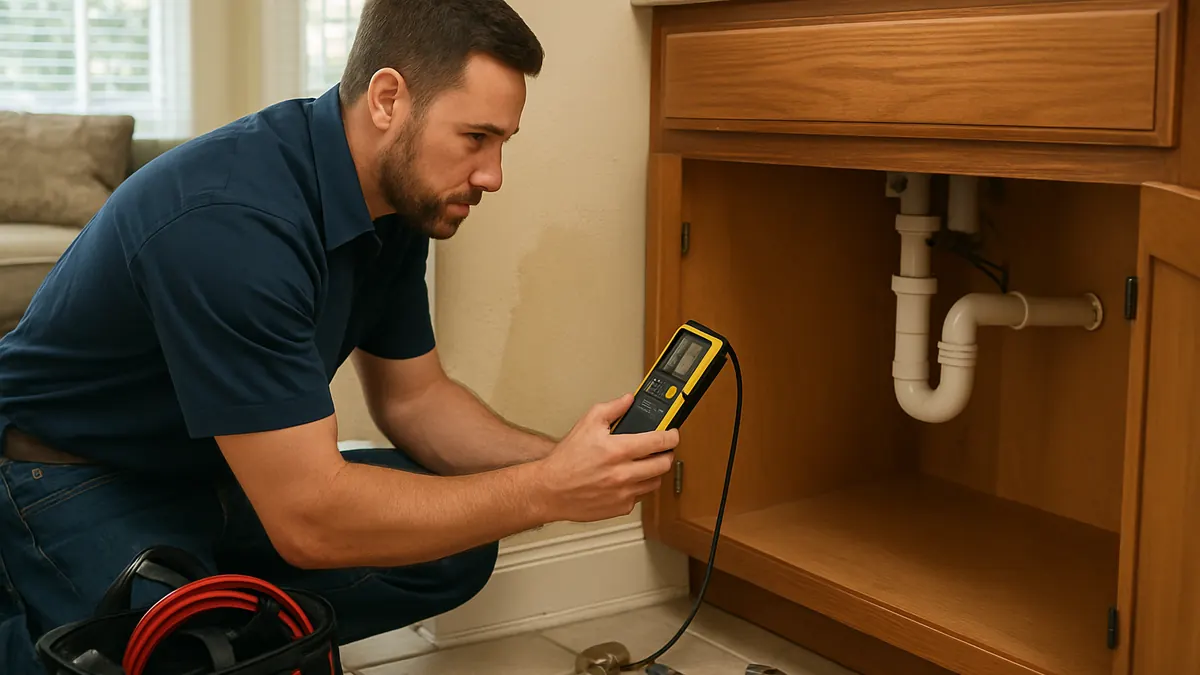
Testing may include fixture isolation, pressure measurement, moisture scanning, acoustic listening, or a small camera through an existing opening.
Drain lines may require controlled fixture testing or another suitable method. The goal is to confirm the failed component and select the smallest practical access point.
Repair Options Beginning With the Simplest Solution
An accessible supply tube, shutoff valve, sink trap, toilet component, appliance hose, or fixture fitting may only require adjustment or replacement.
A leak in a concealed but localized pipe section may be repaired through a targeted access opening. In some situations, rerouting a short section is less disruptive than removing a large amount of finished material.
More extensive replacement may be appropriate when inspection finds repeated failures or broad deterioration. That decision should be supported by evidence.
What Affects the Cost of Repair?
- Cost is influenced by the diagnostic work, location of the leak, accessibility, pipe material, failed component, and finish materials that must be opened or restored.
- A repair inside a cabinet differs from one behind tile, beneath flooring, or above a ceiling. Emergency response, drying, isolation, and restoration also affect the total.
- Request a clear explanation of the plumbing work and any separate drywall, paint, flooring, or cleanup needs.
Preventing Future Hidden Leaks
- Inspect visible hoses, valves, toilet connections, traps, and water-heater fittings regularly. Replace components showing corrosion, cracking, swelling, or recurring moisture.
- Monitor household water use and investigate unexplained changes. Know where the shutoff is and keep access to it clear.
- Leak alarms can warn of moisture near water heaters and appliances. An automatic shutoff system may add protection when a property is unoccupied.
- After any leak repair, allow wet materials to dry properly before the area is enclosed or refinished.
Homeowner FAQs
Can a hidden leak be present without a stain?
Yes. Water may collect beneath flooring, drain into another area, or remain inside a cavity before becoming visible.
Does low water pressure prove there is a leak?
No. A partially closed valve, regulator problem, utility issue, clogged fixture, or simultaneous demand can also reduce pressure.
Why does the leak appear only after using the shower?
The shower drain, trap, valve, supply connection, or surrounding assembly may leak only while water is flowing.
Should I turn off the main water supply overnight?
If active supply leakage is causing damage and the valve works safely, turning it off may limit loss. Do not use affected fixtures while the supply is off.
Will a plumber have to remove a large section of wall?
Not necessarily. Diagnostic testing often helps narrow the source so access can be limited, although some opening may still be required.
Respond Promptly to Seven Warning Signs of a Hidden Plumbing Leak in DeFuniak Springs
The seven warning signs of a hidden plumbing leak in DeFuniak Springs include meter movement, increased water use, concealed sounds, damaged finishes, changing floors, persistent odors, and moisture tied to fixture operation.
Document the pattern, stop using the suspected fixture, and shut off the main supply when active water is causing damage. A licensed plumber can determine whether the solution is a simple accessible repair, a targeted concealed repair, or a broader correction.
About this guide: This resource provides general homeowner education, not a remote diagnosis. Actual conditions, code requirements, equipment, and safe repair options must be evaluated at the property.