Stop and call for qualified help when plumbing water is near electrical equipment, sewage is entering occupied space, gas or burning odors are present, or a repair would require opening pressurized piping.
You turn on the shower and the pressure drops as soon as someone starts the washing machine. A few days later, another brown stain appears beneath a bathroom sink, even though a fitting was repaired only months ago. That combination can make a homeowner wonder whether the house has an isolated plumbing problem or a larger piping-system issue.
The immediate safe step is to stop using any fixture that is actively leaking, close the nearest working shutoff valve, and use the home's main water shutoff if water cannot be controlled locally. Keep water away from electrical equipment and do not open walls simply to search for a pipe.
The signs your home may need repiping in Destin, FL usually appear as a pattern: repeated leaks, widespread pressure loss, discolored water, inconsistent flow, or deterioration affecting more than one section. One failed connector does not automatically mean the entire home needs new piping. A licensed plumber should determine whether a localized repair, sectional replacement, reroute, or broader repipe is justified.
What Repiping Actually Means
Repiping means replacing some or all of the water-distribution piping that carries hot and cold water throughout the home. It does not normally mean replacing drains, sewer lines, faucets, or every fixture.
A partial repipe may replace one damaged branch or one bathroom group. A whole-home repipe replaces the main interior supply network when isolated repairs are unlikely to provide dependable service.
Common Signs Your Home May Need Repiping in Destin
Repeated Leaks in Different Locations
One leak may come from accidental damage, a loose fitting, or a single failed section. Several leaks in unrelated areas can indicate broader pipe deterioration, pressure stress, installation problems, or aging materials.
Low Water Pressure at Several Fixtures
A slow faucet can be caused by a clogged aerator. Widespread low pressure may involve internal pipe restriction, a failing pressure regulator, a partially closed valve, a service-line issue, or multiple leaks.
Discolored Water From Multiple Faucets
Rust-colored or cloudy water can come from the water heater, utility work, a fixture, or internal piping. Compare hot and cold water at several locations. Discoloration that repeatedly appears from multiple cold-water fixtures may justify further investigation.
Visible Corrosion, Staining, or Mineral Buildup
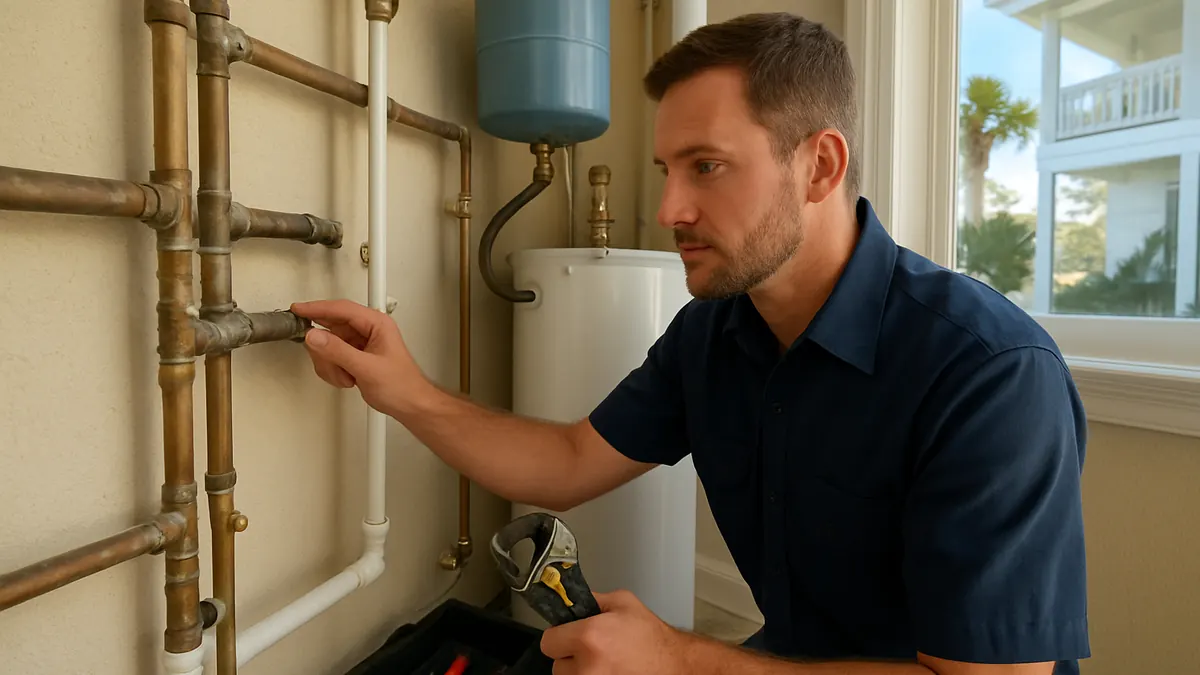
Inspect accessible piping, shutoff valves, and fittings. Green staining, rust, flaking, dampness, or heavy buildup may show deterioration. Visible damage in several locations can indicate a larger system problem.
Unexplained Water Sounds or Meter Movement
Hissing behind walls, repeated dripping sounds, or water-meter movement during a no-use period may indicate hidden leakage. These signs require leak diagnosis before any decision about repiping.
Most Common Causes Behind Widespread Pipe Problems
Pipe systems can deteriorate because of age, corrosion, excessive pressure, vibration, poor support, repeated movement, incompatible materials, installation stress, or previous repairs that addressed symptoms without correcting the underlying condition.
High pressure can stress fittings, valves, appliance connectors, and joints throughout the property. Isolated damage may create a local failure rather than a whole-home problem.
The material, condition, installation quality, and leak history all matter. A plumber should rely on evidence rather than assuming that every older or unfamiliar piping material requires replacement.
Safe Checks the Homeowner Can Perform
Check whether low pressure affects one fixture or several. Compare hot and cold flow at multiple locations.
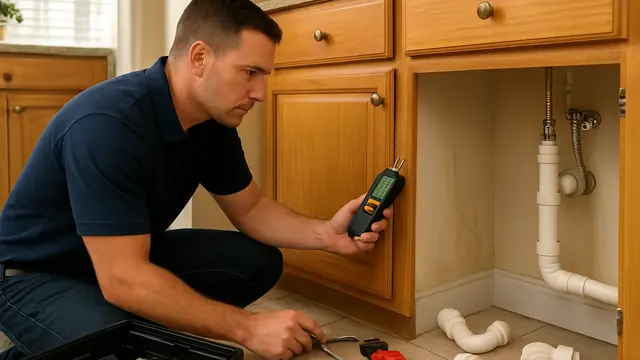
Inspect exposed pipes, valves, appliance connections, and the water-heater area with a flashlight. Use a dry paper towel around accessible joints to identify minor moisture.
Perform a controlled meter test. Turn off faucets, irrigation, appliances, ice makers, and other automatic water users. Photograph the meter, avoid all water use for 15 to 30 minutes, and compare the reading.
Document leak locations, repair dates, pressure symptoms, water color, and affected fixtures. This history can help distinguish one bad fitting from a systemwide pattern.
What the Homeowner Should Not Attempt
Do not open walls, remove flooring, break tile, or cut ceilings before testing narrows the problem. Random access can create unnecessary restoration without identifying the failed pipe.
- Do not force corroded shutoff valves, repeatedly tighten leaking fittings, or apply chemical sealers to the water-distribution system. A brittle component can crack.
- Do not assume low pressure means the pipes are too small or corroded. The cause may be a regulator, valve, fixture restriction, utility condition, or leak.
- Never perform plumbing work near energized electrical equipment or continue using a line that is actively damaging the property.
Signs That Make the Situation Urgent
Act quickly when water is spreading, a ceiling is sagging, flooring feels unstable, the meter moves rapidly, or water is near wiring or electrical panels.
A sudden major pressure drop, multiple active leaks, or a failed main shutoff also requires prompt service. Shut off the main water supply when a local valve cannot control the leak.
How a Licensed Plumber Determines Whether Repiping Is Necessary
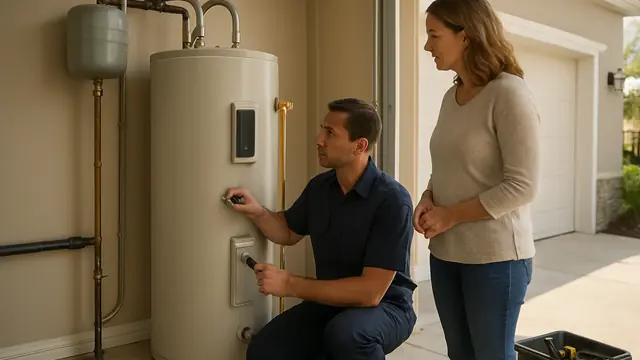
A plumber reviews the leak history, pipe materials, repair records, pressure complaints, and affected areas. The inspection includes accessible piping, shutoff valves, fixtures, water-heater connections, and the main supply path.
Pressure testing, meter testing, fixture isolation, moisture mapping, and inspection of previous repairs may be used. The plumber may compare static pressure, which is pressure when no water is flowing, with dynamic pressure, which is pressure while fixtures are operating.
Representative pipe sections or fittings may be examined for wall thinning, internal restriction, corrosion, or installation stress. The plumber then determines whether the problem is local, limited to one branch, or distributed throughout the system.
Repair Options Beginning With the Least Invasive
- The smallest reasonable repair may be replacing one valve, connector, fitting, or damaged pipe section. A localized leak can often be repaired through one controlled opening.
- If one branch serves the problem area, sectional replacement or rerouting may provide a dependable solution without replacing the entire home's piping.
- Pressure-regulator repair, valve correction, fixture service, or removal of a local restriction may restore flow when the pipes remain serviceable.
A partial repipe may be recommended when deterioration is concentrated in one area. Whole-home repiping is considered when repeated failures, widespread restriction, extensive deterioration, or multiple vulnerable sections make isolated repairs unreliable.
Typical Factors Affecting Cost
Cost depends on the amount of piping replaced, material selected, number of fixtures, home layout, access, number of stories, routing, and finish work.
Cabinetry, tile, concrete, limited access, and occupied spaces can increase labor. Permit and inspection requirements, shutoff replacement, pressure correction, fixture reconnects, and wall repair may also affect the scope.
Ask whether the proposal includes access openings, piping, valves, fixture connections, pressure testing, cleanup, and wall closure.
Prevention and Maintenance Guidance
- Keep the main shutoff accessible. Monitor water bills for unexplained increases and address pressure changes promptly.
- Inspect visible piping and appliance connectors for corrosion, moisture, or bulging. Keep a record of leaks and repairs.
- Have water pressure checked when pipes bang, connectors fail repeatedly, or fixture performance changes throughout the home.
Look for a Pattern Before Choosing a Whole-Home Solution
The signs your home may need repiping in Destin, FL are most meaningful when several occur together: repeated leaks, widespread pressure loss, recurring discoloration, visible deterioration, or hidden water loss. One symptom may have a smaller cause, so diagnosis should come before a major replacement decision.
A licensed plumber can determine whether a targeted repair, branch replacement, reroute, pressure correction, partial repipe, or whole-home repipe is the least invasive dependable solution.
About this guide: This resource provides general homeowner education, not a remote diagnosis. Actual conditions, code requirements, equipment, and safe repair options must be evaluated at the property.