Stop and call for qualified help when plumbing water is near electrical equipment, sewage is entering occupied space, gas or burning odors are present, or a repair would require opening pressurized piping.
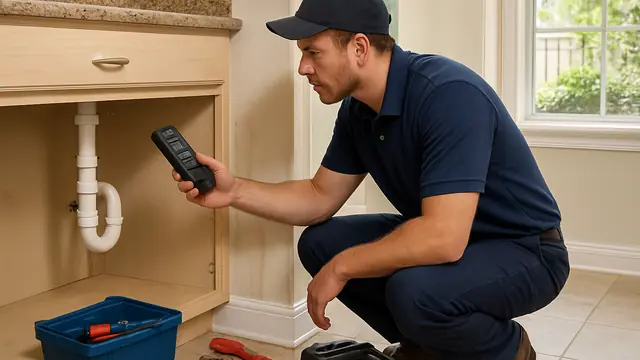
You may be completing an insurance questionnaire, preparing to sell, or reviewing a plumbing repair when someone asks whether your Freeport home contains polybutylene. You look under a sink and find gray pipe, but you cannot tell whether it is older PB, modern PEX, or a short transition left from a previous repair. Do not cut the pipe or pull it forward for a better look. Photograph what is visible, locate the main water shutoff, check for moisture, and ask a licensed plumber to identify the material and document where it remains.
Polybutylene is a flexible plastic water-supply material commonly installed from the late 1970s through the mid-1990s. It carries pressurized water to plumbing fixtures and appliances. It is not the sink drain, sewer line, irrigation tubing, or braided connector attached directly to a faucet.
How to Identify Polybutylene Plumbing in Freeport
Printed markings provide the strongest visual clue. Look for "PB," "PB2110," or manufacturer information along an exposed section. The pipe is often gray, silver-gray, blue-gray, black, or white. It may curve gently through a cabinet or utility area rather than using rigid elbows at every change in direction.
The pipe's color is not enough to make a final identification. PEX and other plastic piping may have a similar appearance. A plumber considers the marking, diameter, fitting style, crimp ring, flexibility, and installation pattern.
Polybutylene may connect to plastic, copper, or brass fittings. Metal rings around those connections are common. Repairs can create confusing transitions, such as gray PB entering a wall while a short section of newer PEX connects it to a valve. Inspecting one fixture alone may therefore produce an incomplete answer.
Build a Room-by-Room Picture
Start with plumbing that is already visible. Under each sink, follow the hot and cold supply lines behind the fixture shutoffs. The braided connector between a valve and faucet is replaceable hardware, not the concealed branch piping you are trying to identify.
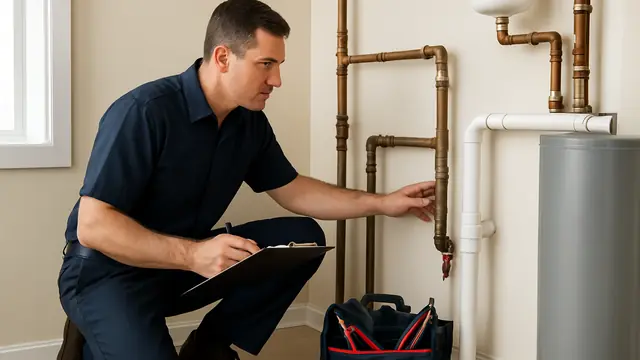
Look near toilet shutoffs, the water heater, washing-machine connections, utility areas, and plumbing access panels. Compare several locations and take photographs of markings, fittings, and material transitions.
Why Identification Matters Even Without a Leak
Polybutylene can deteriorate internally. Oxidants in treated water may contribute to changes in the pipe wall over time. The damage may not be visible on the exterior, which means a dry, smooth-looking section cannot confirm the condition of concealed piping.
Mechanical stress may add to the problem. Connections, tight bends, unsupported sections, and piping installed under tension can become vulnerable points. A leak may begin as slow seepage near a fitting or appear suddenly as a split in a pressurized line.
Finding polybutylene does not tell you exactly when failure will occur. It tells you that the system deserves a complete assessment so you can make a planned decision instead of waiting for water damage.
Symptoms That Need Closer Attention
Possible supply-leak symptoms include damp cabinet floors, ceiling stains below bathrooms, bubbling paint, swollen trim, musty odors, soft drywall, loose flooring, or the sound of water when fixtures are off.
Safe Checks You Can Make
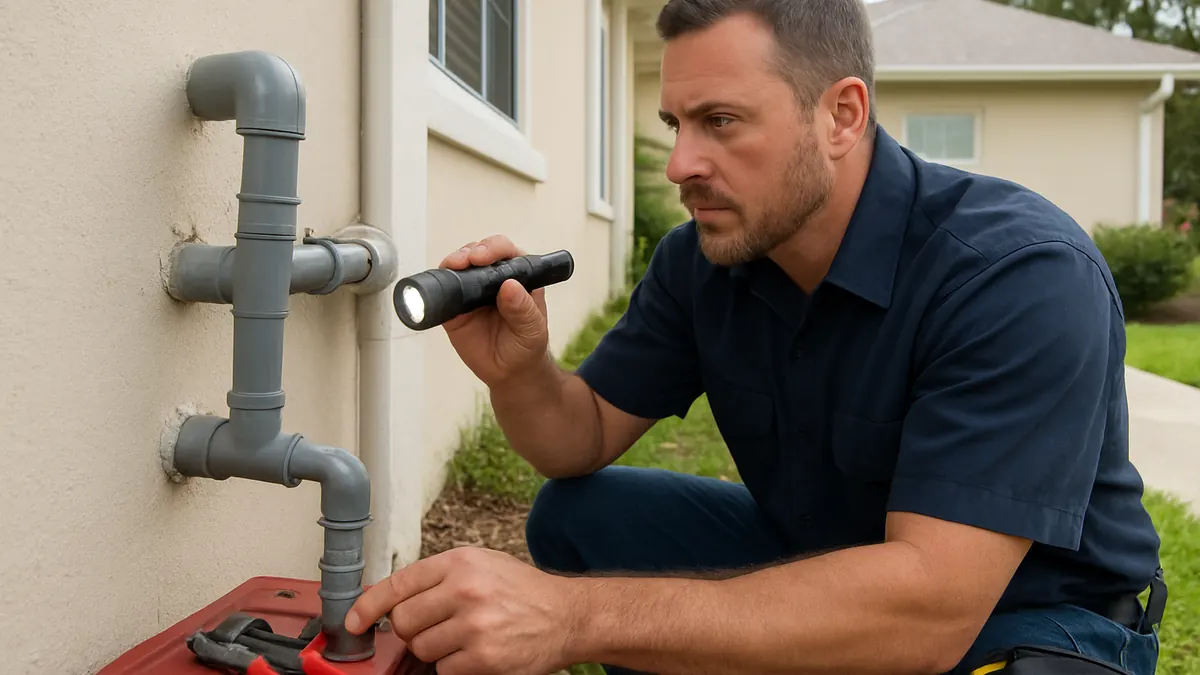
Inspect exposed areas with a flashlight and keep your hands off questionable fittings. Use a dry paper towel to check for moisture around a visible connection without twisting the pipe.
Turn off all known water uses and watch the meter if it is safely accessible and you understand its display.
Locate the main water shutoff and keep the path to it clear. If an active leak occurs, shut off the supply only if you can reach the valve safely. Stay away from water near electrical panels, outlets, wiring, or energized appliances.
What You Should Never Do
Do not cut out a sample, scrape the pipe aggressively, or bend it to reveal printed text. Aging pipe or fittings may crack when disturbed.
Do not use household glue, heat, tape, an unapproved clamp, or a fitting selected only because it appears to fit. Pressurized water-pipe repairs require compatible approved materials and proper transition methods.
Do not conceal suspected PB behind new drywall, cabinets, or tile until the system has been assessed. Do not represent a home as fully repiped based only on one modern-looking section or an invoice for a single repair.
When Polybutylene Becomes an Urgent Plumbing Concern
Active spraying, rapidly expanding stains, water coming through a ceiling, buckled flooring, or moisture near electrical equipment requires urgent service. Shut off the main supply when safe and move people away from the affected area.
Repeated failures, a shutoff valve that will not operate, or an active renovation that is about to cover the piping should be addressed quickly even when no large leak is visible.
How a Licensed Plumber Confirms the Material
A plumber examines markings, fitting materials, crimp rings, pipe size, flexibility, and routing. Multiple accessible locations are inspected to determine whether the system is consistent or mixed.
The evaluation may include moisture readings, thermal imaging, an inspection camera, or a limited opening where necessary.
The plumber should document whether the polybutylene is confined to a short section, remains on several branches, or serves most fixtures.
Repair Options From Minimal to Comprehensive
A localized repair may be reasonable for one accessible failed fitting or short section when the surrounding piping can remain in service. The damaged portion is removed and transitioned to approved modern pipe.
A partial repipe can replace a clearly defined branch or fixture group. It may make sense when prior renovations already replaced other portions or when PB is limited to one area.
A whole-house repipe replaces the pressurized hot- and cold-water distribution piping with an approved material, commonly PEX or copper depending on the installation. Routes and access points are selected to limit unnecessary disruption. Old pipe may be disconnected and abandoned inside concealed spaces when physical removal is not necessary.
Leak sensors and an automatic shutoff can provide added protection. These improvements reduce risk but do not reverse deterioration in pipe that remains.
Factors That Affect Cost
Cost depends on the amount and location of the piping, fixture count, home size and layout, number of levels, accessibility, routing, selected replacement material, permits, inspections, and restoration.
Ask for a written proposal that distinguishes plumbing work from wall or finish repairs and explains access, cleanup, warranties, and exclusions.
Prevention and Maintenance After the Inspection
Keep the main shutoff accessible and make sure responsible occupants know how to use it. Install leak alarms near the water heater, washing machine, dishwasher, and sink cabinets. Consider a monitored automatic shutoff when the home may be unoccupied.
Have pressure evaluated after recurring connector leaks, banging pipes, or unusually forceful water flow. Keep all inspection reports, photographs, invoices, permits, and warranties together.
Turn an Uncertain Pipe Into a Clear Plan
Understanding how to identify polybutylene plumbing in Freeport means checking markings, fittings, and several accessible locations rather than relying on color or one photograph. A licensed plumber can document what material is present, determine how much remains, check for current leakage, and explain the least invasive reasonable repair before discussing broader replacement. With that information, you can respond accurately to a leak, renovation, sale, or insurance question and make the decision on your schedule.
About this guide: This resource provides general homeowner education, not a remote diagnosis. Actual conditions, code requirements, equipment, and safe repair options must be evaluated at the property.