Stop and call for qualified help when plumbing water is near electrical equipment, sewage is entering occupied space, gas or burning odors are present, or a repair would require opening pressurized piping.
You replace a leaking toilet supply line, then notice that the laundry-room valve is corroded. A few weeks later, the kitchen faucet sputters and the shower pressure drops when another fixture is used. For a Freeport homeowner, these may seem like separate repairs. When several symptoms appear together, however, they may be signs your home needs repiping.
Repiping replaces some or all pressurized water-supply lines. The right scope may be one repair, one branch, several planned sections, or the whole house.
If water is actively leaking, shut off the nearest fixture valve or the main water supply if it is safe to do so. Keep away from water near electrical components, protect nearby belongings, and call a licensed plumber. Do not leave the water running while trying to determine where a concealed leak originates.
Signs Your Home May Need Repiping in Freeport
Repairs Are Happening More Often
One failed valve or connector can be routine. A pattern of leaks in different locations is more concerning, especially when each failure involves the same pipe material or type of connection.
Repeated leaks may also require access, drying, drywall work, painting, or cabinet repair. A system-wide inspection helps determine whether spot repairs remain sensible.
Water Flow Is Weak at Several Fixtures
Low flow at one faucet is often caused by a clogged aerator, shutoff valve, or fixture cartridge. Weak flow throughout the home may involve the main valve, pressure regulator, incoming supply, undersized piping, or internal restrictions.
Compare hot and cold flow. If only hot water is affected, the heater or hot-water piping may be involved. Weakness on both sides in several rooms requires broader evaluation.
Water Looks Rusty or Contains Particles
Brown, orange, yellow, or reddish water can come from corroding metal pipe, the water heater, or the incoming supply. Small particles caught in several faucet aerators may also signal internal deterioration.
Record affected fixtures and whether the condition occurs on hot water, cold water, or both. Identify the source before recommending repiping.
Exposed Pipe Shows Corrosion or Old Patches
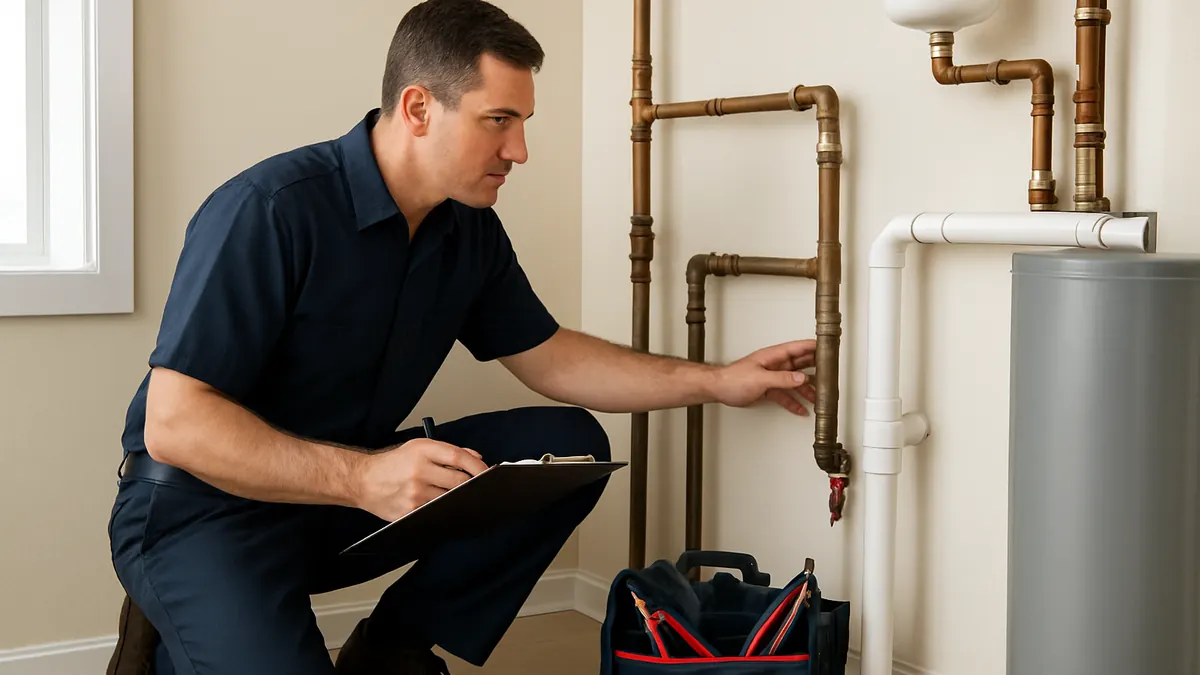
Look under sinks, around the water heater, near the washing machine, and at other safely accessible lines. Rust, pitting, colored staining, crusty deposits, damp fittings, or several old repair couplings deserve attention.
One repaired area does not prove the entire system is failing. Numerous patches or deteriorated connections make a wider evaluation more important.
Hidden Moisture Keeps Appearing
Water stains, bubbling paint, swollen cabinets, loose flooring, damp baseboards, and musty odors can indicate a concealed leak. Roof leaks, drains, appliances, and air-conditioning equipment can create similar damage, so the source must be confirmed.
A supply-line problem becomes more likely when moisture changes with fixture use or the meter moves with water use stopped.
Why Water-Supply Lines Become Unreliable
Pipe condition depends on material, pressure, temperature, installation, fittings, support, movement, and water chemistry.
Metal pipe can corrode internally, restricting flow and weakening walls. Plastic pipe can fail because of poor installation, incorrect fittings, heat, damage, or inadequate support.
High pressure adds stress to valves, appliance connections, toilet components, and joints. Correcting pressure is important even when only a small repair is needed.
Safe Checks Before Calling a Plumber
- Run several fixtures separately and note which have weak flow. Compare hot and cold water, then operate two fixtures at once to see how much the flow changes.
- Inspect visible supply lines and valves without twisting or scraping them. Look for moisture, staining, corrosion, old patches, or cabinet damage.
- Check ceilings below bathrooms and laundry areas for spots or soft drywall. Avoid unsafe attics, crawlspaces, and flooded areas.
- With fixtures and appliances off, observe the meter if safely accessible. Movement may indicate a leak, though some equipment cycles automatically.
- Review earlier invoices and photographs. Their dates and locations can reveal a wider failure pattern.
What You Should Not Attempt
- Do not cut random holes in walls or ceilings. Leak-detection methods can often narrow the source before access is opened.
- Do not turn up the water pressure to compensate for poor flow. Higher pressure can worsen weak fittings and increase stress on the plumbing system.
- Do not use drain chemicals for discolored water, low pressure, or supply-line leaks. Drain products cannot repair pressurized water piping.
- Avoid treating clamps, tape, sealant, or improvised fittings as permanent concealed repairs. A temporary measure may help control an emergency, but the pipe still needs inspection.
Signs That Require Prompt Action
- Water flowing through a ceiling, wall, light fixture, or electrical area requires immediate attention. Shut off the water if safe and stay away from wet electrical components.
- A sagging ceiling, rapidly spreading stain, sudden loss of water pressure, visible burst pipe, or sound of water running behind a wall also requires a fast response.
- Several leaks within a short period may justify prompt planning before another failure occurs in a harder-to-access location.
How a Licensed Plumber Diagnoses the System
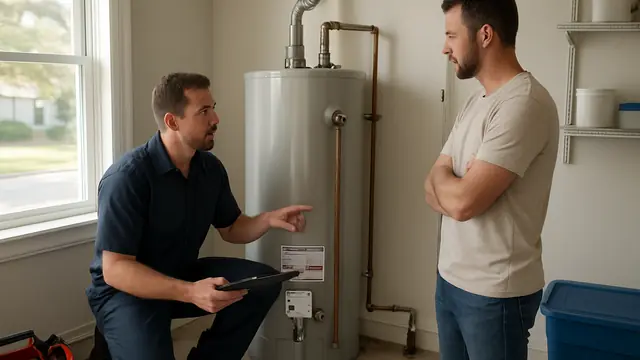
The plumber begins by reviewing symptoms, repair history, affected fixtures, and known pipe materials. Exposed piping is checked for corrosion, movement, poor support, incompatible fittings, and previous patches.
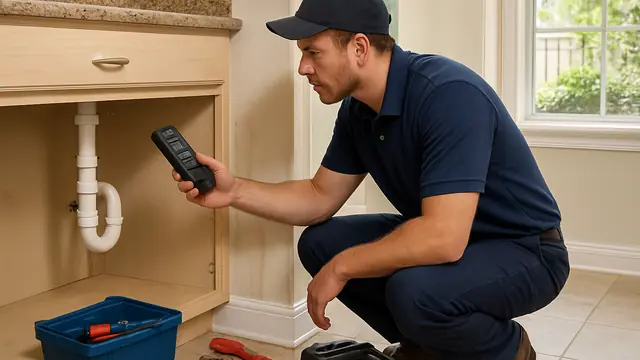
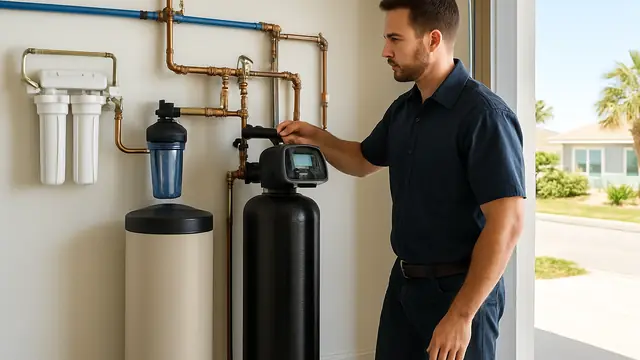
Pressure is measured with fixtures off and while water is flowing. This helps distinguish high pressure, low incoming pressure, or restrictions inside the home. Branches may be isolated to determine whether one section or the entire system is affected.
Leak-detection tools may help locate concealed water. The recommendation should explain the failure, likely cause, and condition of the remaining system.
Repair Options Starting With the Least Invasive
A plumber may begin by cleaning an aerator, replacing a fixture cartridge, repairing a connector, replacing a shutoff valve, correcting a pressure regulator, or replacing a short damaged pipe section.
If the problem is limited to one room or branch, a partial repipe may be appropriate. This can restore reliable service without replacing proven piping elsewhere.
A phased plan may coordinate replacement with remodeling while accounting for transitions between old and new materials.
Whole-house repiping becomes more reasonable when leaks occur in several locations, restrictions affect many fixtures, or the same unreliable material remains throughout the home. PEX and copper are common options, depending on routing, access, code requirements, and homeowner priorities.
Factors That Affect Repiping Cost
Cost depends on home size, fixture count, stories, pipe routes, material, and accessibility.
Work behind cabinets, tile, or finished ceilings may require protection and restoration. Drywall, painting, insulation, and cleanup can affect the total.
Permits, inspections, valves, fixture reconnections, and water-service sequencing may also be included. Ask for a written scope that explains what the plumbing contractor will complete and what finish work is separate.
Prevention and Maintenance Guidance
Keep the main shutoff accessible and make sure household members know how to use it. Replace worn washing-machine hoses, refrigerator lines, toilet connectors, and faucet supplies before they rupture.
Have pressure checked when pipes bang, valves leak repeatedly, or appliance connectors fail early. Investigate dampness, stains, and water discoloration promptly.
For a sometimes-empty property, monitored leak sensors or an automatic shutoff can reduce discovery time and damage.
Make the Decision Before Repairs Become a Cycle
The signs your home may need repiping in Freeport usually form a pattern: recurring leaks, weak flow, discoloration, corrosion, or concealed moisture. A licensed inspection can determine whether you need a focused repair, branch replacement, phased project, or complete repipe.
About this guide: This resource provides general homeowner education, not a remote diagnosis. Actual conditions, code requirements, equipment, and safe repair options must be evaluated at the property.