Stop and call for qualified help when plumbing water is near electrical equipment, sewage is entering occupied space, gas or burning odors are present, or a repair would require opening pressurized piping.
A guest messages you late in the evening because the upstairs toilet will not stop running, the bathroom faucet has weak pressure, and a damp spot has appeared on the ceiling below. In an Inlet Beach vacation rental, those symptoms may involve separate fixture problems, but the ceiling moisture makes the situation more urgent. A supply connection, toilet component, drain seal, or concealed pipe may be leaking.
Ask the guest to stop using the upstairs bathroom. If an accessible fixture shutoff valve turns easily, close it. Place a container beneath any visible clean-water drip and keep everyone away from wet electrical fixtures. If the ceiling is bulging, water is spreading, or the source cannot be controlled, shut off the home's water only if the main valve is known and safe to operate, then call a licensed plumber.
Why Rental Plumbing Problems Can Be Difficult to Trace
Water does not always appear directly beneath a leak. It can travel along framing, pipes, or finished surfaces before becoming visible. In a vacation rental, the first clear sign may be a ceiling stain reported by a guest rather than a puddle beside the failing connection.
The Most Common Plumbing Problems for Vacation Rentals in Inlet Beach
Toilet Leaks and Constant Refilling
A toilet that runs continuously may have a flapper that does not seal, a tangled chain, an incorrect water level, or a failing fill valve. The sound can disturb guests and the ongoing water use can hide a more serious fixture leak.
Water outside the toilet may come from the supply line, shutoff valve, tank bolts, tank-to-bowl seal, condensation, or the seal beneath the base. A rocking toilet should not remain in service because movement can worsen leakage.
Hidden Leaks Above Ceilings
An upstairs bathroom leak can originate from a toilet, sink supply, drain connection, shower valve, tub drain, or concealed piping. A stain that grows during fixture use provides an important clue.
Peeling paint, softened drywall, musty odor, discoloration, and dripping from a light fixture require prompt attention. The visible stain may be several feet from the source.
Low Water Pressure at One Fixture
Weak flow from one faucet may result from a clogged aerator, a partially closed valve, mineral debris, or a fixture cartridge problem. When pressure is low throughout the property, the cause may involve the main supply, a pressure-regulating component, a significant leak, or another system issue.
Slow Drains and Toilet Backups
Hair, soap residue, wipes, excessive paper, and foreign objects can restrict bathroom drains. One slow fixture often means a localized clog. Several slow drains, gurgling, or water rising in a shower when a toilet flushes may indicate a shared drain blockage.
Kitchen Sink and Disposal Problems
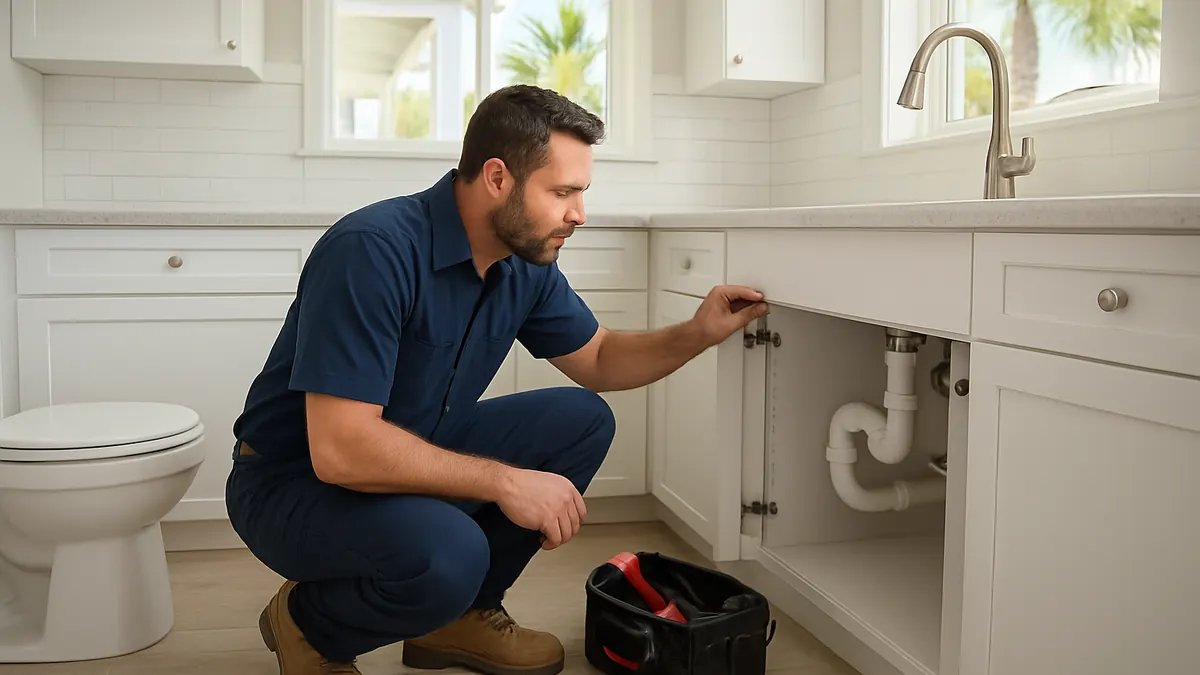
Grease, food scraps, coffee grounds, and fibrous waste can accumulate in kitchen piping. Guests may report odors, slow drainage, a humming disposal, or water backing into the adjoining sink bowl.
Water-Heater Complaints
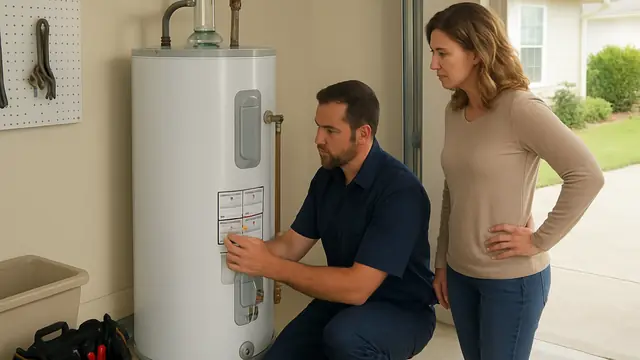
Back-to-back showers may use hot water faster than the system recovers. A sudden loss of capacity, however, can indicate a failed element, thermostat, burner, control, or electrical supply.
Moisture near the heater, repeated breaker trips, unusual sounds, or water that never heats should be evaluated. Leakage from a connection may be repairable; leakage from the tank often requires replacement.
Safe Checks the Homeowner or Manager Can Perform
Begin by identifying which fixture was being used when the problem appeared. Ask whether the ceiling stain changes when the toilet flushes, the sink runs, or the shower operates. Do not repeatedly test a fixture when water is actively spreading.
For a running toilet, remove the tank lid and see whether the flapper closes flat and whether water enters the overflow tube. For low faucet pressure, unscrew and inspect an easily removable aerator only when the fixture is not leaking and the task can be done without force.
What the Homeowner Should Not Attempt
Do not cut into a ceiling simply because a stain is visible. Water may have traveled, and electrical wiring or plumbing can be present behind the surface.
Do not remove a toilet, open a water heater, alter gas controls, or cap a pressure-relief line. Avoid repeated chemical drain treatments, especially when the line is already blocked.
Never force a stuck shutoff valve. Do not stand beneath a sagging ceiling or touch a wet light fixture. If water is near electrical equipment, keep the area clear and obtain urgent help.
Signs That Make the Situation Urgent
A bulging ceiling, active dripping through a light fixture, rapidly spreading water, or a toilet that will not stop overflowing requires prompt action. Sewage entering a shower or tub is also urgent.
Other serious signs include no functioning toilet in an occupied rental, several drains backing up, sudden whole-home pressure loss, a water heater leaking from its tank, or a strong gas odor.
If gas is suspected, have everyone leave and contact the gas utility or emergency services from a safe place. Do not enter standing water near electricity.
How a Licensed Plumber Diagnoses the Problem
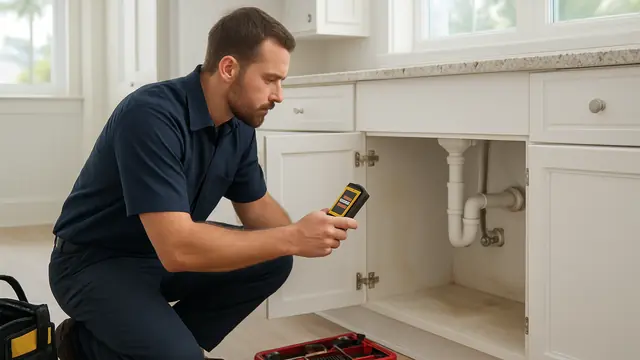
The plumber uses the timing and location of the symptom to narrow the source. Individual fixtures may be operated separately while moisture readings are taken below. Supply-side leaks may continue under pressure, while drain leaks usually appear only when water is used.
Diagnosis may include inspecting toilet seals and tank parts, testing shutoff valves and supply connections, checking faucet flow, observing the water meter, and performing pressure tests. Drain problems may require professional cleaning equipment or a sewer camera.
Repair Options From Least to Most Invasive
The least invasive repair may involve replacing a toilet flapper, adjusting a chain, cleaning an aerator, tightening an approved connection, replacing a flexible supply line, or clearing a localized drain clog.
More involved work may include replacing a fill valve, toilet seal, faucet cartridge, shutoff valve, shower component, or damaged section of pipe. Limited access may be opened only after testing identifies the likely location.
Fixture or equipment replacement is considered when a toilet is cracked, a water-heater tank leaks, piping is extensively damaged, or repeated failures make repair unreliable.
Factors That Affect Repair Cost
Cost depends on accessibility, diagnostic time, parts, labor, and whether finished surfaces must be opened. A visible supply-line leak is usually simpler than a concealed leak above a finished ceiling.
Prevention and Maintenance for Inlet Beach Rentals
Have cleaners inspect ceilings below bathrooms, flooring around toilets, sink cabinets, appliance connections, and the water-heater area during every turnover. Small stains and damp odors should be reported immediately.
Test toilets to confirm they flush, refill, and stop. Run showers and sinks long enough to observe drainage and pressure. Check that shutoff valves are accessible and label the main water valve.
Take Prompt Action on Inlet Beach Rental Plumbing Problems
The most common plumbing problems for vacation rentals in Inlet Beach include toilet failures, concealed leaks, low fixture pressure, drain backups, kitchen clogs, and water-heater trouble. Stop using affected fixtures, control clean water when safe, keep guests away from wet electrical areas, and arrange professional diagnosis before the next reservation.
About this guide: This resource provides general homeowner education, not a remote diagnosis. Actual conditions, code requirements, equipment, and safe repair options must be evaluated at the property.