Stop and call for qualified help when plumbing water is near electrical equipment, sewage is entering occupied space, gas or burning odors are present, or a repair would require opening pressurized piping.
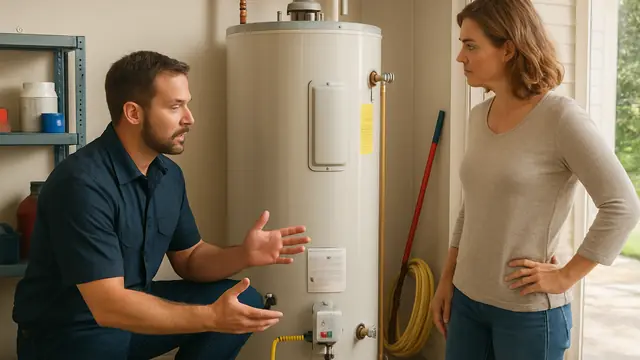
A homeowner often discovers a water-heater leak by accident. You may hear a faint dripping sound, find a wet cardboard box near the unit, or notice that the floor remains damp even after it has been dried. If you are asking, "Why is my water heater leaking in Lower Grand Lagoon?" the most useful first step is to determine whether the water is coming from a serviceable component or from the tank itself.
Do not begin by disassembling the heater. Move belongings away from the wet area and keep people from walking through the water. If the leak is active and the cold-water shutoff valve is safely accessible, close it to limit additional water entering the tank. Turn off an electric unit at the breaker only if the path and panel are dry. Do not touch wet wiring. For a gas heater, follow the manufacturer's shutdown instructions if you know them. If you smell gas, leave immediately and contact the gas utility or emergency services.
Start With the Pattern of the Leak
A continuous leak may come from a pressurized water connection or a hole in the tank. A leak that appears only while the heater is heating may involve temperature, pressure, or an element gasket. Water that appears after maintenance may be related to the drain valve.
Why Is My Water Heater Leaking in Lower Grand Lagoon?
A Supply Line or Shutoff Valve Is Failing
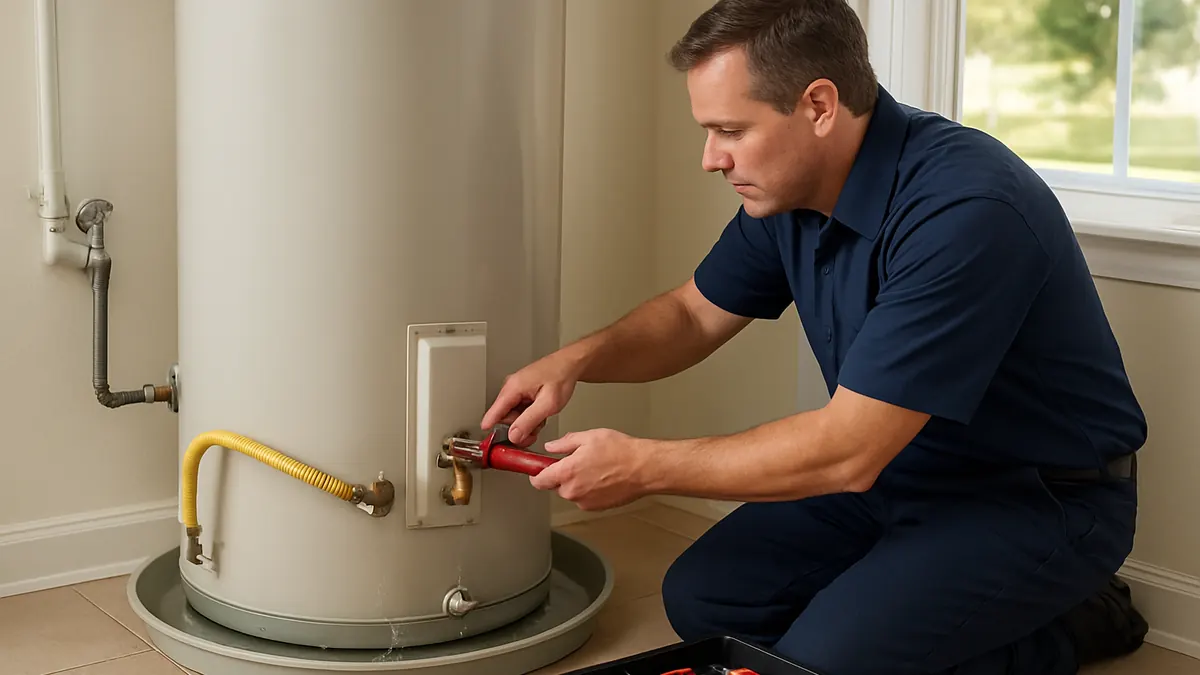
The cold-water inlet and hot-water outlet are usually located at the top. These connections may include flexible lines, threaded adapters, unions, and valves. Corrosion, worn seals, movement, or an imperfect connection can produce a slow drip.
The T&P Valve Is Doing Its Job-or Failing to Seal
The temperature-and-pressure relief valve protects the water heater from dangerous internal conditions. It can open because water temperature is too high or pressure exceeds a safe level.
The discharge pipe should never be capped, reduced, or blocked. Water from this pipe is a warning that deserves evaluation.
The Drain Valve Is Leaking
The drain valve near the bottom allows the tank to be flushed or emptied. It may seep because debris is caught in the seal, the valve was not fully closed, or the body has deteriorated.
An Internal Component Seal Has Failed
Electric heaters have heating elements that pass through openings in the tank. Gaskets form watertight seals around those elements. A damaged gasket can leak behind an access panel and send water down the jacket.
The Tank Itself Is Leaking
The most serious possibility is corrosion inside the steel tank. A protective lining and anode rod slow corrosion, but neither lasts forever.
Water that appears through the tank shell, from beneath the insulation, or along the bottom seam usually means the inner pressure vessel has failed. Exterior patches are not a dependable repair because the metal continues to weaken from the inside.
Safe Checks Before the Plumber Arrives
Dry the unit and floor, then use paper towels to monitor visible connections. Place one beneath the top fittings, another near the T&P discharge pipe, and another around the drain valve. Do not place anything where it could contact a burner or hot vent.
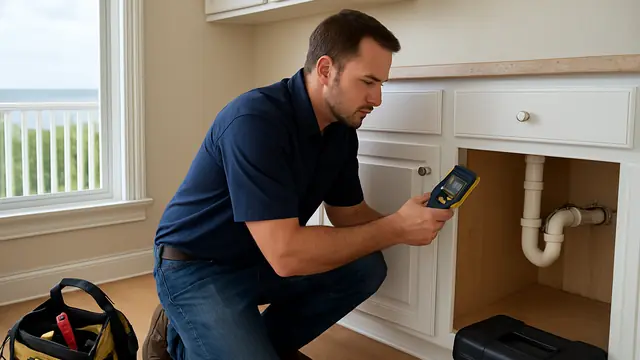
Look at nearby equipment. An air-conditioning condensate line, washing-machine hose, or plumbing pipe can leak toward the heater. Confirming whether the tank is truly the source is important.
Write down when the leak occurs, whether hot-water performance has changed, and whether you have heard popping, hissing, or rumbling.
What the Homeowner Should Not Attempt
- Do not use epoxy, tape, or automotive stop-leak products on a water heater. These materials cannot restore a weakened pressure vessel and may create additional problems.
- Do not plug a relief valve or its discharge pipe. Do not force a stuck valve, open a drain on a hot tank, or remove electrical covers while the unit is energized.
- Do not modify gas piping, burners, controls, or venting. Gas and combustion repairs require proper testing and training.
Signs That Make the Leak Urgent
- Call for prompt service if water is spreading rapidly, entering a wall, reaching electrical equipment, or damaging finished flooring.
- A swollen tank, steam, unusually hot water, or forceful T&P discharge can indicate unsafe operating conditions.
- A gas odor, soot, scorch marks, or a damaged vent requires immediate action. Leave the building if gas is suspected.
How a Licensed Plumber Diagnoses the Problem
A licensed plumber begins by verifying the source. The technician may dry each component, restore water pressure, and observe where moisture returns.
The inspection includes the inlet and outlet, shutoff valve, unions, T&P valve, discharge pipe, drain valve, tank jacket, and surrounding plumbing. System water pressure may be measured.
When the relief valve is involved, the plumber checks actual water temperature, thermostat operation, incoming pressure, and pressure changes during heating. This helps distinguish a worn valve from a pressure or overheating problem.
Electric heaters may require resistance, continuity, and leakage testing on the elements and thermostats. Gas heaters may require inspection of the burner, pilot or ignition system, controls, venting, and combustion area.
Repair Options Beginning With the Least Invasive
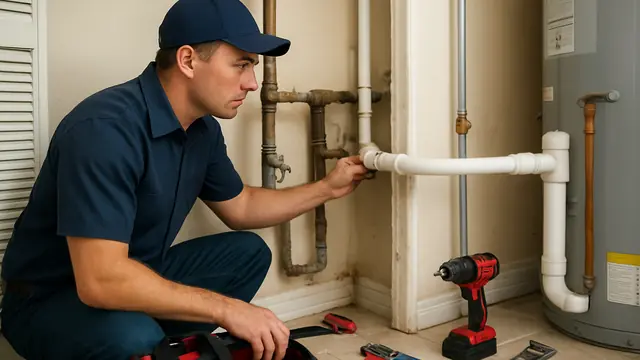
A minor connection leak may be corrected by replacing a flexible connector, union, fitting, or shutoff valve.
A drain valve can be replaced when the tank opening remains sound. An electric-element gasket may be replaced after the tank is safely drained to the required level.
A T&P valve may be replaced only after pressure and temperature are checked. If excessive pressure or thermal expansion is the cause, the plumbing system may need a pressure regulator or expansion-control repair.
Replacement is the correct choice when the inner tank is leaking, corrosion is extensive, or several problems make further repairs unreliable. Replacement options may include a properly sized tank heater or, where practical, a tankless system.
Typical Factors That Affect Cost
The location and cause of the leak have the greatest effect on repair cost. An exposed connector is generally less involved than diagnosing intermittent pressure discharge or replacing a component behind an access panel.
Access can change labor requirements. A heater in an open area is easier to service than one in a tight closet or surrounded by finished materials.
Replacement cost depends on capacity, fuel type, efficiency, venting, electrical or gas requirements, piping changes, drain-pan and drainage needs, permits, disposal, and corrections needed for a safe installation.
Prevention and Maintenance Guidance
Inspect the water heater several times a year. Look for moisture, rust trails, mineral deposits, loose connections, or staining beneath the relief discharge pipe.
Follow the manufacturer's maintenance schedule. Depending on the equipment, this may include flushing, anode-rod evaluation, burner cleaning, vent inspection, thermostat checks, or electrical testing.
Keep the area clear so a small drip can be seen. A water alarm can notify you early.
Make the Decision Based on the Source
The answer to "Why is my water heater leaking in Lower Grand Lagoon?" may be a loose connection, worn valve, failed gasket, pressure problem, or corroded tank. Each condition requires a different response.
Contain the water safely, avoid temporary patches, and let a licensed plumber identify the source. A precise diagnosis helps you choose a reasonable repair when one is available and replacement only when it is necessary.
About this guide: This resource provides general homeowner education, not a remote diagnosis. Actual conditions, code requirements, equipment, and safe repair options must be evaluated at the property.