Stop and call for qualified help when plumbing water is near electrical equipment, sewage is entering occupied space, gas or burning odors are present, or a repair would require opening pressurized piping.
The cleaning crew finishes a turnover, but as they run the dishwasher, water begins rising in the kitchen sink. A few minutes later, a guest bathroom toilet makes a bubbling sound. This usually points to a partial drain restriction rather than two unrelated fixture problems. The system may still move some water, but it is no longer carrying wastewater at the rate the property needs.
The safest step is to stop the dishwasher and avoid other fixtures until the cause is known. If wastewater appears in a sink, tub, shower, or floor drain, stop all plumbing use. More water can force contamination into the home and affect the next reservation.
Vacation rentals expose plumbing weaknesses quickly. Kitchens, bathrooms, and laundry may operate together, turning a minor restriction into an urgent problem.
Most Common Plumbing Problems for Vacation Rentals in Lower Grand Lagoon
Kitchen Drain Backups
Kitchen clogs commonly develop when grease, oils, food particles, coffee grounds, and disposal waste collect inside the drain. Grease may enter the pipe as a warm liquid and then cool into a sticky coating. Other debris adheres to that layer, reducing the inside diameter of the pipe.
If the sink backs up only when the dishwasher drains, the shared kitchen drain may be partially restricted. The dishwasher releases water quickly, which can overwhelm a narrowed line.
Garbage-Disposal Jams
Guests may assume a disposal can handle nearly any food waste. Bones, shells, fibrous vegetables, utensils, and large quantities of leftovers can jam or damage the unit.
A disposal that hums without spinning should be turned off. Repeatedly switching it on can overheat the motor. A disposal that runs but drains poorly may be working while the drain line itself is clogged.
Toilets That Clog or Overflow
A toilet clog may result from too much paper, wipes, hygiene products, or a foreign object. Repeated clogs in the same bathroom can mean something is trapped inside the toilet or branch drain.
If the toilet bubbles when another fixture drains, the issue may be deeper in the shared system. Flushing again can cause an overflow.
Shower and Tub Drain Restrictions
Hair and soap residue commonly accumulate in bathroom drains. Guests may notice water collecting around their feet or a tub taking several minutes to empty.
A slow shower alone may have a local blockage. A shower that fills when a toilet is flushed or a washing machine drains points to a more serious shared-line restriction.
Water-Heater Performance and Leaks
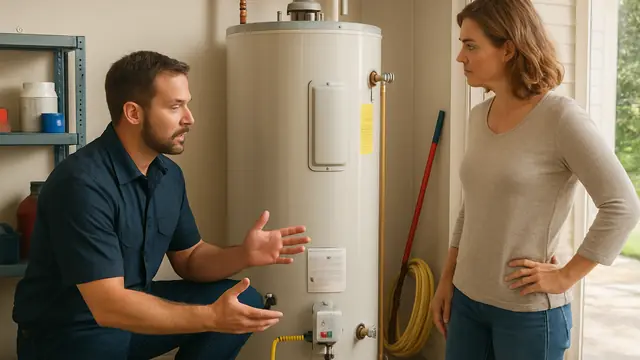
Vacation rental guests expect reliable hot water. Complaints may involve no hot water, inconsistent temperature, or a heater that cannot recover between showers.
Possible causes include excessive simultaneous demand, failed heating elements, thermostat problems, burner or ignition issues, sediment, or a leaking tank. Water at the base of the heater may come from a nearby fitting or valve, but the source should be confirmed before deciding on repair or replacement.
Leaks Behind Fixtures and Appliances
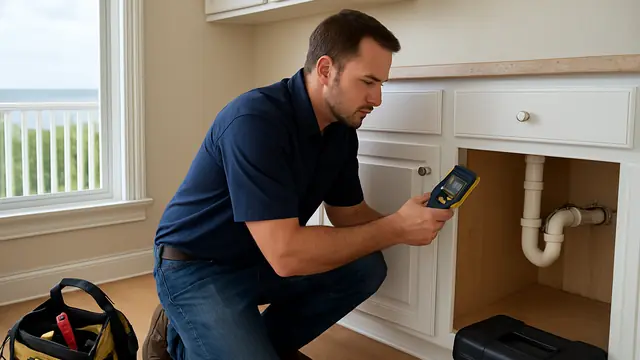
Supply lines and drain connections beneath sinks, behind toilets, at washing machines, and around dishwashers can loosen or deteriorate. Small leaks may first appear as cabinet swelling, stained trim, warped flooring, or an odor.
Turnover inspections help reveal hidden leaks.
Safe Checks a Homeowner or Manager Can Perform
Determine which fixtures are involved. Ask whether the problem appears only during dishwasher or washing-machine discharge, after toilet use, or during several simultaneous showers.
- Look beneath sinks and around toilet bases. Check accessible appliance hoses and the water-heater area. Use a dry paper towel around fittings to identify small drips.
- For a single clogged toilet with no other symptoms, one careful attempt with a proper flange plunger may be reasonable. Stop if the bowl rises or another drain reacts.
- For a slow sink, remove visible debris from an accessible strainer. Do not dismantle plumbing while guests are present unless you are qualified and can safely contain water.
What the Homeowner Should Not Attempt
- Do not pour chemical cleaner into a disposal, toilet, or backed-up line. Chemicals may not reach the blockage and can remain in standing water.
- Do not continue operating the dishwasher or washing machine to "push the clog through." The extra discharge may cause an overflow.
- Avoid using improvised objects inside a disposal or toilet. They can damage the fixture or push debris deeper.
Do not open water-heater electrical panels, adjust gas valves, or plug a dripping temperature-and-pressure relief valve. That valve is designed to release dangerous pressure and must never be disabled.
Signs the Plumbing Problem Is Urgent
Sewage entering a tub, shower, or floor drain requires urgent service. So does water flowing into a wall, ceiling, or occupied room.
A burst supply line, a toilet that cannot be stopped, or a leaking water-heater tank should be addressed immediately. Strong sewer odor with gurgling and multiple slow drains is another warning sign.
Electrical concerns such as sparks, burning odors, or repeated breaker trips require the equipment to remain off until it is inspected.
How a Licensed Plumber Diagnoses the Cause
A plumber uses the pattern of symptoms to locate the affected section of the system. If the kitchen backs up only when the dishwasher drains, the kitchen branch is examined. If several bathrooms react, the investigation moves farther downstream.
Professional drain-cleaning tools may be used through an appropriate access point. A camera can help identify buildup, foreign objects, pipe damage, or a remaining restriction after the line is opened.
Leak diagnosis can include pressure testing, moisture readings, inspection of valves and connectors, and isolation of individual fixtures. Water-heater diagnosis may include testing controls, utility supply, heating components, safety devices, and the tank.
Repair Options Beginning With the Least Invasive
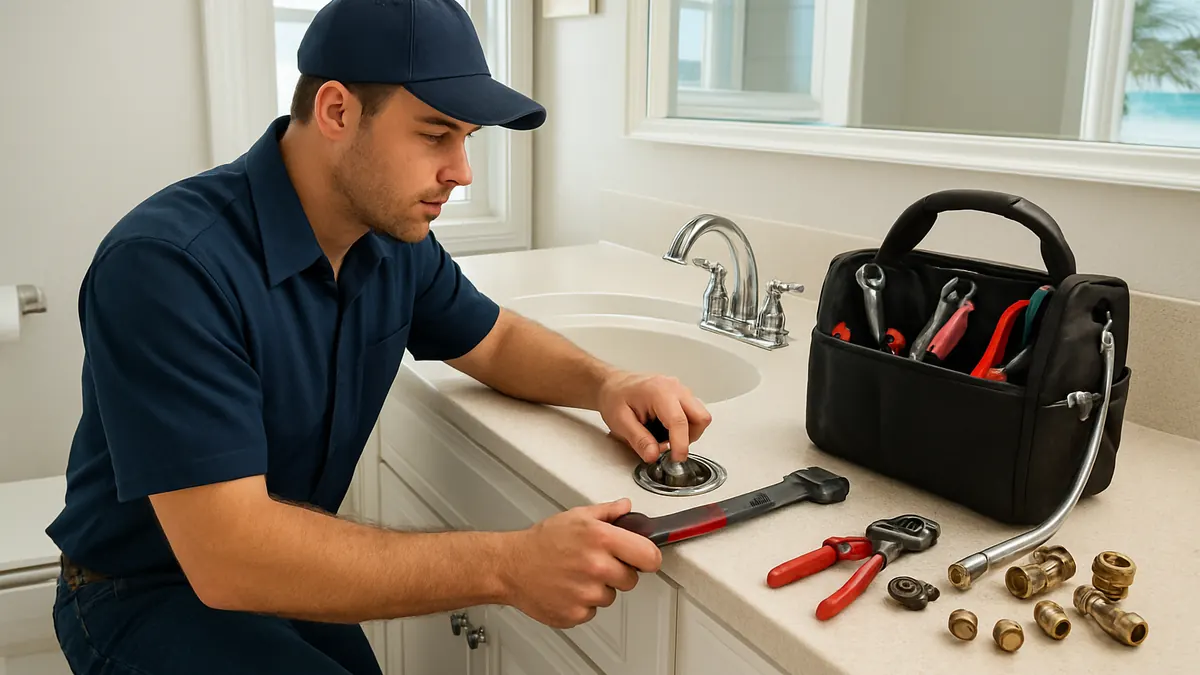
- A simple repair may involve clearing a trap, freeing a disposal jam, changing a toilet flapper, repairing a supply line, or replacing a faucet cartridge.
- A local blockage may be removed with professional drain equipment. If the clog returns, additional cleaning or camera inspection may be needed.
- When one pipe section is damaged, targeted repair may be possible. A larger replacement should be based on verified condition rather than one isolated backup.
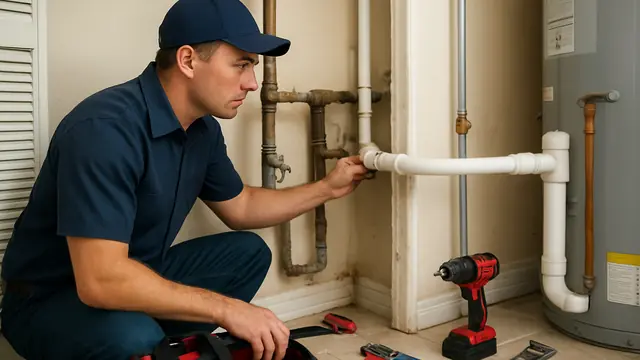
Water-heater repairs may include replacing a valve, heating element, thermostat, ignition component, or connection. Replacement becomes more likely when the tank leaks or the equipment is no longer dependable.
Typical Factors That Affect Cost
The cost of service depends on the blockage location, access, equipment required, pipe condition, and whether fixtures must be removed. Cleanup, wall or cabinet access, camera work, after-hours timing, and replacement parts also affect the scope.
A clear explanation of the diagnosis should come before a major repair recommendation.
Prevention and Maintenance for Rental Properties
Provide written kitchen instructions. Tell guests not to pour grease into the sink and not to place bones, shells, fibrous foods, or large leftovers in the disposal.
Install sink and shower strainers. Keep wastebaskets in bathrooms. During each turnover, run the dishwasher drain cycle, flush toilets, check shower drainage, and inspect visible connections.
Label shutoff valves and confirm that they operate. Train the cleaning or management team to report slow drains, running toilets, and moisture immediately rather than waiting for a visible failure.
Protect the Rental Before the Next Reservation
The most common plumbing problems for vacation rentals in Lower Grand Lagoon are easiest to manage when owners respond to the first warning signs. Stop using fixtures that are backing up, isolate active leaks, and obtain a licensed diagnosis before full occupancy places additional demand on the system.
About this guide: This resource provides general homeowner education, not a remote diagnosis. Actual conditions, code requirements, equipment, and safe repair options must be evaluated at the property.