Stop and call for qualified help when plumbing water is near electrical equipment, sewage is entering occupied space, gas or burning odors are present, or a repair would require opening pressurized piping.
A guest checks into your Bid-A-Wee vacation rental, uses the kitchen sink, takes a shower, and then reports that the toilet is gurgling and the tub is draining slowly. That combination usually means more than one fixture is clogged. It may indicate a partial blockage in a shared drain line or a developing sewer problem.
The safest immediate step is to stop using the affected fixtures. Ask guests not to run the dishwasher, washing machine, or multiple showers until the problem is evaluated. If water is rising from a drain, discontinue plumbing use. Continuing to send water into a restricted line can turn a manageable clog into an overflow that damages flooring.
Vacation rentals experience concentrated plumbing demand. A property may sit quiet, then suddenly serve a full group of guests. That stop-and-start pattern makes several problems especially common.
What Are the Most Common Plumbing Problems for Vacation Rentals in Bid-A-Wee?
Slow or Clogged Drains
Hair, soap, cooking grease, food scraps, excessive paper, wipes, and other debris can collect inside drain piping. One slow sink may have a local clog. Several slow drains, a bubbling toilet, or water appearing in a shower when another fixture runs may indicate a deeper blockage.
Even products labeled "flushable" may remain intact long enough to contribute to a clog. Rental instructions should tell guests to flush only toilet paper and human waste.
Running or Frequently Clogging Toilets
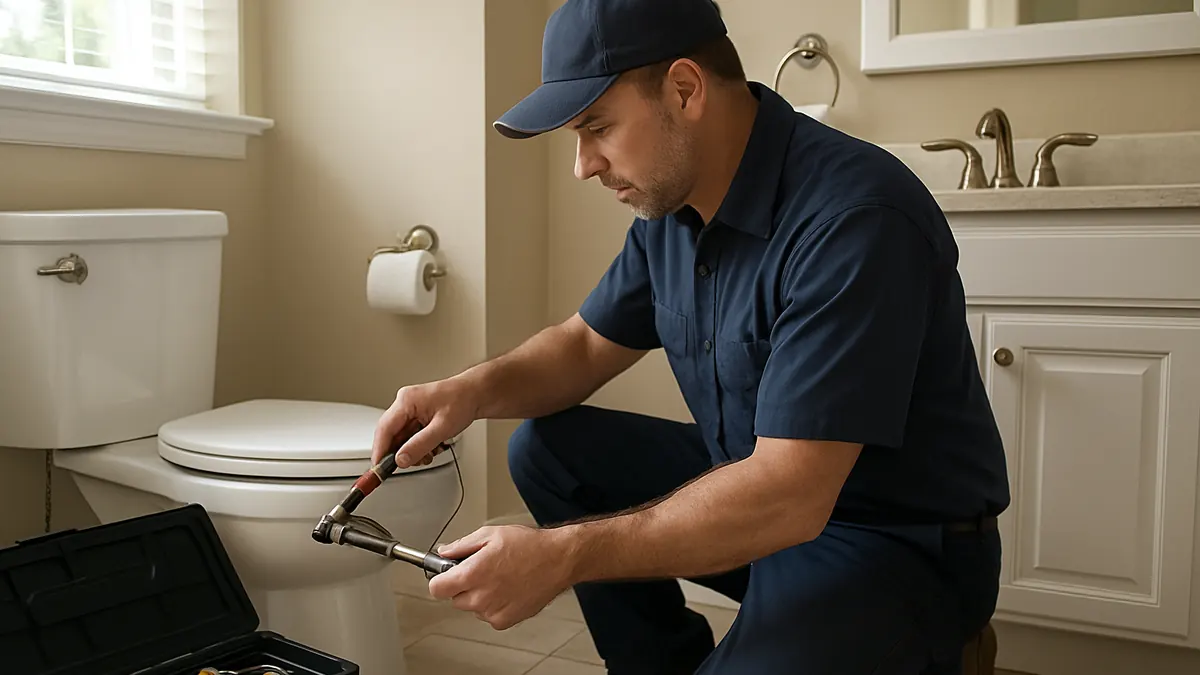
A toilet that runs after flushing may have a worn flapper, an incorrect tank water level, or a failing fill valve. A toilet that clogs repeatedly may contain an obstruction or have a restriction farther down the drain.
Repeated flushing after a clog can also cause an overflow.
Leaking Faucets and Supply Connections
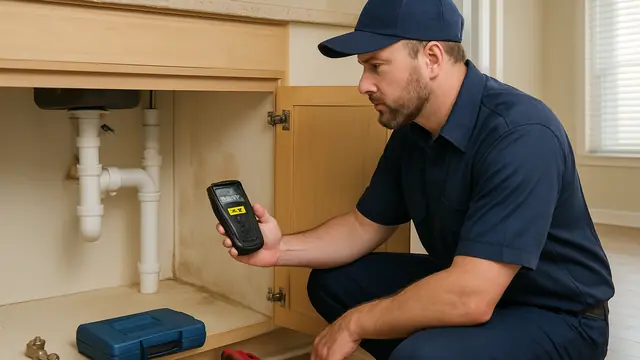
Common leak points include toilet supply lines, sink shutoff valves, washing-machine hoses, refrigerator lines, and fittings beneath vanities. A slow leak may cause swollen cabinet panels, musty odors, peeling finishes, or stained drywall before anyone sees active water.
Water-Heater Complaints
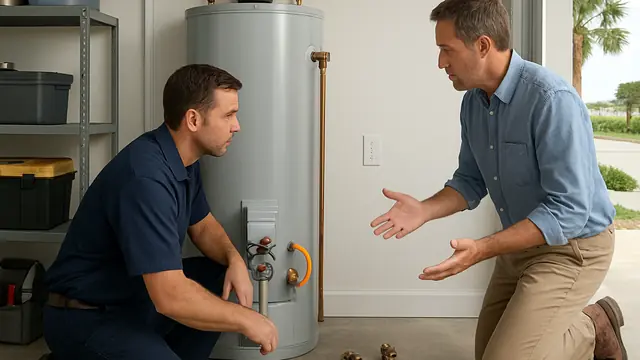
"No hot water" can mean a power loss, a tripped breaker, a failed heating component, or more simultaneous use than the heater can support. Water around the heater may come from a connection, valve, or the tank itself.
A leaking tank usually requires replacement, while a leaking valve or connection may be repairable. The source must be identified before deciding what to do.
Garbage-Disposal Jams and Kitchen Backups
Guests may place grease, bones, shells, fibrous foods, coffee grounds, or large amounts of leftovers into the disposal. The unit can jam, or food and grease can block the kitchen drain.
Safe Checks an Owner or Manager Can Perform
First determine whether the problem affects one fixture or several. Listen for gurgling. Look for water beneath cabinets, around toilet bases, behind the washing machine, and near the water heater.
For a running toilet, remove the tank lid and see whether the flapper closes. For an electrical water heater, confirm whether the breaker has tripped, but do not repeatedly reset a breaker that trips again.
Close a fixture shutoff valve when a toilet or faucet is actively leaking. If water is spreading and the source cannot be isolated, use the main water shutoff if it can be reached safely.
For a disposal, turn off the switch before inspecting the opening. Use a flashlight, never your hand.
What Owners Should Not Attempt
Do not pour repeated chemical drain cleaners into a clogged line. They may not remove the obstruction and can remain in standing water, creating a hazard for guests and technicians.
- Do not keep plunging a toilet when wastewater rises in another fixture. That can indicate a main-line restriction.
- Avoid opening water-heater electrical panels, adjusting gas components, or capping a dripping temperature-and-pressure relief valve. That valve is an important safety device.
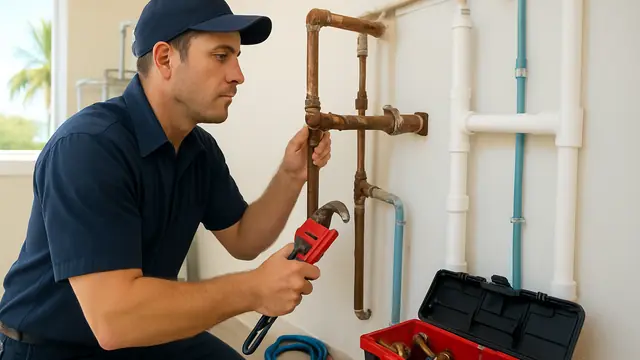
- Do not remove a toilet or cut into piping in an occupied rental unless you are trained and can safely isolate the work area.
When the Problem Is Urgent
Treat the situation as urgent when sewage is backing up, water is spreading across floors, a ceiling below a bathroom is wet, the water heater is leaking heavily, or the occupied property has no working toilet.
Other warning signs include a burning smell near equipment, a repeatedly tripping water-heater breaker, a toilet that will not stop filling, or water emerging from walls or flooring.
A minor drip may be scheduled promptly during turnover. Active leakage, wastewater, or loss of essential plumbing requires faster action.
How a Licensed Plumber Diagnoses the Cause
A plumber determines whether the issue is isolated or systemwide. Fixture testing, pressure checks, visual inspection, and drain-flow observations narrow the cause.
For recurring drain problems, professional cleaning may be followed by a sewer camera inspection. A camera can reveal buildup, foreign objects, damaged piping, or another restriction that cannot be identified from the fixture alone.
For leaks, the plumber checks valves, connections, fixture seals, pressure, and hidden piping. Water-heater diagnosis may include testing power, thermostats, heating elements, safety controls, venting, and tank condition.
Repair Options, Starting With the Least Invasive
The simplest dependable repair may be replacing a toilet flapper, supply line, faucet cartridge, trap seal, or disposal component. A local clog may be cleared without removing the fixture.
A deeper blockage may require mechanical drain cleaning or another method appropriate for the piping and buildup. Camera findings may support a targeted pipe repair rather than replacement of an entire line.
Water-heater repairs can include replacing a thermostat, heating element, valve, or damaged connection. Replacement may be appropriate when the tank leaks, the unit is severely deteriorated, or repair would not be reliable.
Factors That Affect Cost
Cost depends on the problem's location, access to piping, equipment type, blockage severity, and whether water damage is present. Occupied-property scheduling, after-hours response, fixture removal, camera inspection, wall access, and replacement parts can also affect the total.
Owners should ask for the diagnosis, recommended repair, alternatives, and the reason any larger repair is proposed.
Prevention and Maintenance
Post brief guest instructions explaining what may be flushed and what should stay out of the disposal. Place wastebaskets in bathrooms and strainers in showers and sinks.
During every turnover, check under sinks, around toilets, near the water heater, and behind accessible appliances. Test toilets for continuous running, confirm that drains empty normally, and look for drips or loose handles.
Label the main shutoff and fixture valves. Make sure cleaners and managers know how to isolate a leaking toilet or sink. Schedule professional inspection when the property has recurring clogs, older equipment, or a history of hidden leaks.
Take the Next Appropriate Step
The most common plumbing problems for vacation rentals in Bid-A-Wee are manageable when they are identified early. Stop using fixtures when water is backing up, isolate active leaks when it is safe, and arrange professional diagnosis before the next guest cycle places more demand on the system.
About this guide: This resource provides general homeowner education, not a remote diagnosis. Actual conditions, code requirements, equipment, and safe repair options must be evaluated at the property.