Stop and call for qualified help when plumbing water is near electrical equipment, sewage is entering occupied space, gas or burning odors are present, or a repair would require opening pressurized piping.
A guest arrives, unpacks, and soon reports that the kitchen sink is draining slowly, one toilet keeps running, and the hot water seems to disappear before everyone has showered. None of these symptoms automatically means the property needs major plumbing work. They do, however, suggest that one or more parts of the plumbing system are not handling normal rental use as reliably as they should.
The safest response is to stop using any fixture that is backing up or leaking. Close the local shutoff valve for an active toilet, faucet, or supply-line leak. If water continues spreading, use the main shutoff when it can be reached safely. Do not keep testing a backed-up drain, because more water can cause an overflow.
Vacation rentals often experience concentrated use. Several people may shower, run laundry, use the kitchen, and flush toilets within a short period. That demand can expose small problems that were not obvious during a light turnover inspection.
What Are the Most Common Plumbing Problems for Vacation Rentals in Latitude Margaritaville Watersound?
Toilets That Run, Clog, or Leak
A toilet that runs after flushing often has a worn flapper, an improperly adjusted fill valve, or an incorrect tank water level. The flapper is the rubber seal that opens during a flush. If it does not close completely, water leaks into the bowl and the fill valve cycles repeatedly.
Recurring clogs may come from excessive paper, wipes, hygiene products, or an object inside the toilet. Several slow fixtures suggest a deeper drain restriction.
Water around the toilet base requires prompt attention. The source may be a loose supply connection, tank bolt, failed base seal, or cracked fixture. Guests should stop using the toilet until the leak is identified.
Slow Sinks, Showers, and Tubs
Hair, soap residue, food particles, grease, and other debris can narrow a drain over time. One slow fixture generally points to a local problem. Several slow drains, gurgling toilets, or water rising in a shower when another fixture runs may indicate a larger shared-line blockage.
A drain that works during a brief cleaning visit may still fail during a full occupancy because the line cannot carry a higher volume of water.
Hot-Water Complaints
Guests may report no hot water, rapid temperature loss, or changing temperature. Causes include high demand, failed heating components, thermostat trouble, burner problems, sediment, or a damaged mixing valve.
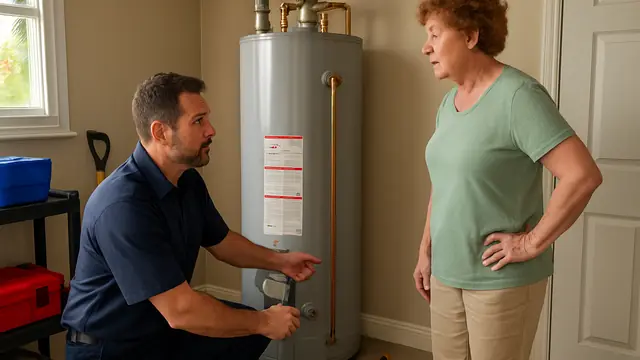
Water around the heater can come from a connection, drain valve, relief valve, or the tank. A leaking connection may be repairable. Leakage from the tank itself often means the heater has reached the end of its dependable service life.
Kitchen Sink and Garbage-Disposal Problems
A disposal is not designed to process every type of food waste. Grease, fibrous vegetables, bones, shells, coffee grounds, and large amounts of leftovers can jam the unit or clog the drain.
A disposal that hums without turning should be switched off. Continuing to energize a jammed motor can damage it.
Appliance and Supply-Line Leaks
Washing machines, dishwashers, refrigerators, toilets, and faucets rely on supply connections that can leak unnoticed behind appliances or beneath cabinets.
Safe Checks the Owner or Manager Can Perform
Determine whether one fixture or several are affected. Check under sinks, around toilet bases, behind accessible appliances, and near the water heater.
For a running toilet, remove the tank lid and see whether the flapper closes completely. Do not force or bend components. For a slow shower, remove only visible hair or debris from an accessible strainer.
Confirm whether the water heater has power or gas service. If an electrical breaker trips again after one reset, leave it off and call for service.
Use dry paper towels around supply connections to reveal small leaks. If a fixture valve closes easily and stops the leak, leave it off until the repair is completed.
What the Homeowner Should Not Attempt
Do not pour multiple chemical drain cleaners into a blocked fixture. These products may remain in standing water, damage some materials, and create a hazard when the line is opened later.
Do not repeatedly flush a clogged toilet. Do not use another fixture when water rises in a shower or tub.
Avoid opening electrical water-heater panels, adjusting gas controls, blocking a relief valve, or attempting repairs involving energized equipment. Never reach into a disposal, even when the wall switch is off. Power should be disconnected before any service.
Do not tighten older valves or plastic fittings aggressively. Excessive force can turn a small seep into a broken connection.
Signs That Make the Problem Urgent
Immediate attention is needed for sewage backup, ceiling leaks, uncontrolled supply-line leaks, or loss of all usable toilets.
Other urgent signs include a burning odor, sparking, repeated breaker trips, a leaking water-heater tank, or water near electrical equipment. Strong sewer odor combined with slow drains or gurgling also warrants prompt diagnosis.
Protect guests from contaminated water and slippery floors, and discontinue use of affected rooms when necessary.
How a Licensed Plumber Diagnoses the Problem
A plumber determines whether the symptom is isolated, related to a shared branch, or affecting the main drain. Fixtures may be tested in sequence.
Professional drain equipment can locate and clear an obstruction. A sewer camera may be recommended when clogs return or when the condition of the line needs to be seen directly.
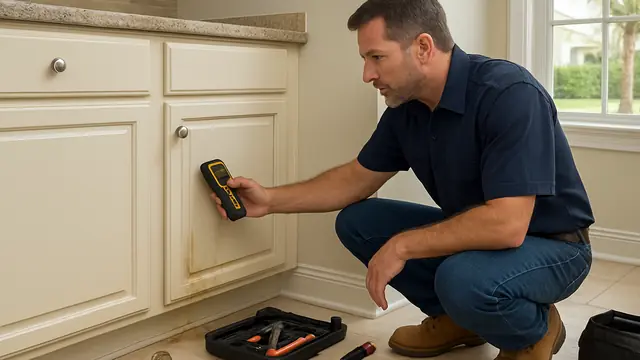
Leak diagnosis may include visual inspection, pressure testing, moisture detection, and isolation of fixtures or supply lines. Water-heater diagnosis can involve testing heating components, controls, utility supply, tank condition, and safety devices.
Repair Options From Least Invasive to More Extensive
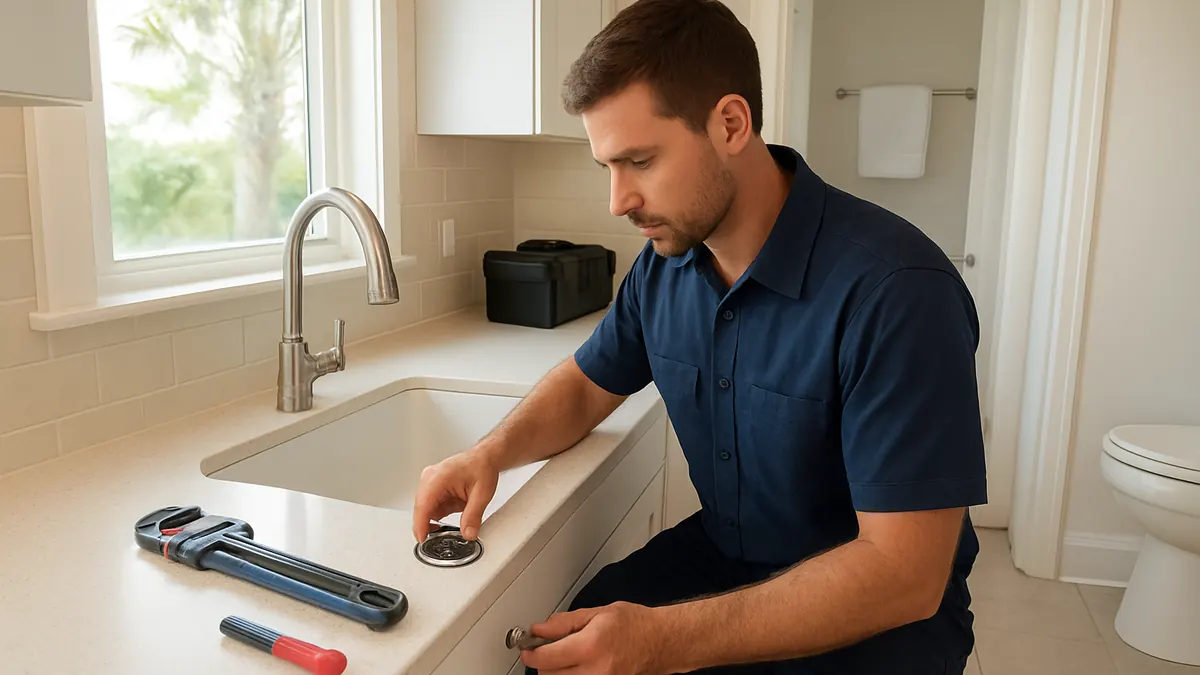
Small repairs may include replacing a toilet flapper, fill valve, supply connector, faucet cartridge, trap seal, or disposal component. A local drain blockage may be cleared without removing the fixture.
More persistent clogs may require professional drain cleaning and camera inspection. If one section of pipe is damaged, a targeted repair may be possible. Complete replacement should be considered only when the condition of the system makes a smaller repair unreliable.
Water-heater repairs may include replacing an element, thermostat, valve, control, or connection. Tank replacement is generally considered when the tank itself leaks or the unit is no longer dependable.
Factors That Affect Plumbing Repair Cost
Cost depends on location, access, diagnostic work, material type, and damage. Fixture removal, wall access, cleanup, camera inspection, parts, and after-hours response can affect the scope.
Owners should ask what failed, whether a smaller repair is reasonable, and what risk remains if the repair is postponed.
Prevention and Maintenance Guidance
Include plumbing checks in every turnover. Flush toilets, run each faucet, test hot water, and watch how quickly sinks and showers drain. Inspect beneath cabinets and around appliances.
Post guest instructions about flushing and disposal use. Provide bathroom wastebaskets and drain strainers.
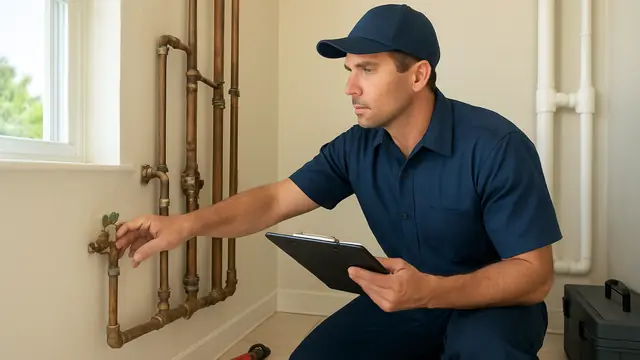
Label the main shutoff and fixture valves. Make sure managers and cleaners know where they are and whom to call. Record recurring complaints so patterns can be addressed before they interrupt another stay.
Take the Next Appropriate Step
The most common plumbing problems for vacation rentals in Latitude Margaritaville Watersound can often be corrected before they become major disruptions. Stop using fixtures when water backs up, isolate active leaks when it is safe, and arrange a professional diagnosis when the problem is recurring, hidden, or affecting multiple fixtures.
About this guide: This resource provides general homeowner education, not a remote diagnosis. Actual conditions, code requirements, equipment, and safe repair options must be evaluated at the property.