Stop and call for qualified help when plumbing water is near electrical equipment, sewage is entering occupied space, gas or burning odors are present, or a repair would require opening pressurized piping.
A guest messages late in the evening because the upstairs shower is draining slowly, the downstairs toilet bubbles when the washing machine empties, and there is an unpleasant odor near the bathroom. Those symptoms suggest more than ordinary shower debris. They may indicate a partial drain or sewer restriction that is affecting how wastewater and air move through the plumbing system.
Ask the guests to stop using the washing machine and limit water use until the cause is known. If wastewater begins entering a tub, shower, or floor drain, discontinue all plumbing use and arrange immediate service. Do not keep testing fixtures, because every gallon sent into a restricted line can increase the overflow.
Laguna Beach vacation rentals may have frequent guest turnover and periods of intense occupancy.
Recognizing the Most Common Plumbing Problems for Vacation Rentals in Laguna Beach
Multi-Fixture Drain Backups
When one sink is slow, the blockage may be close to that fixture. When a toilet gurgles as another drain runs, water rises in a shower, or several fixtures are slow together, the restriction is likely farther downstream.
Hair, soap residue, grease, food waste, excessive paper, wipes, and foreign objects can all contribute. Repeated use may move or compress the obstruction without removing it, which is why a temporary improvement after plunging does not always mean the line is clear.
Shower and Tub Drain Problems
A removable strainer can be cleaned safely, but a drain that remains slow after surface debris is removed may need professional cleaning. Standing water creates inconvenience and increases slip risk.
Toilet Stoppages and Running Components
A clogged toilet may contain too much paper or an object trapped in its internal passage. A weak flush may come from an incorrect tank level, restricted openings, or a drain problem.
Inside the tank, a worn flapper can leak water into the bowl. The fill valve then cycles repeatedly to replace it. Guests may describe this as a toilet that "turns on by itself."
Water at the base may come from a loose mounting connection, a failed seal, the supply line, or a cracked fixture. The toilet should not be used until the source is identified.
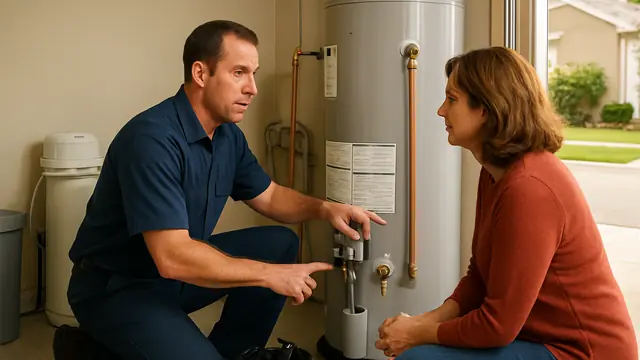
Water-Heater Reliability Issues
Hot-water complaints are especially disruptive in a rental with several guests. The heater may be undersized for actual use, but capacity is only one possibility.
A puddle near the heater should be traced. A leaking connection may be repairable, while water from the tank body often means replacement is needed.
Hidden Leaks and Moisture Damage
Small leaks can continue between stays. Supply lines, shutoff valves, faucet bodies, tub connections, and appliance hoses are common sources.
Signs include soft drywall, peeling paint, swollen baseboards, loose flooring, cabinet discoloration, and musty odors.
Garbage-Disposal and Kitchen Sink Misuse
Cooking in a vacation rental can produce grease, shells, fibrous vegetables, rice, coffee grounds, and leftovers. Many of these materials should not enter a disposal.
Safe Checks Between Guest Stays
Flush every toilet and wait to confirm that the tank stops filling. Run water in each sink, shower, and tub while watching the drain speed. Check beneath cabinets with a flashlight. Look around toilet bases and near the water heater.
For one toilet clog with no other drainage symptoms, a careful attempt with a flange plunger may be reasonable. Stop if the bowl rises or another fixture reacts.
Repairs Owners Should Not Try
- Do not use a drain snake through a toilet unless you have the correct equipment and know how to avoid damaging the porcelain or pushing an object deeper.
- Do not remove cleanout caps when the system is backed up unless you are trained and prepared for wastewater under pressure.
- Avoid chemical drain cleaners, especially when the blockage location is unknown. They can create hazardous splashing and complicate later service.
- Do not repair energized water-heater components, alter gas controls, block a relief valve, or cover water stains before locating the source.
Signs That Require Urgent Plumbing Service
Wastewater backing into a shower or tub is urgent because it creates a sanitation concern. Active water flowing through a ceiling, a burst supply line, or a toilet that cannot be stopped also requires immediate action.
Other urgent conditions include a leaking water-heater tank, a burning smell, electrical arcing, repeated breaker trips, or loss of all usable toilets.
If water is near electrical outlets or equipment, keep people away. Shut off water when it can be done safely, but do not enter standing water to reach electrical controls.
How a Licensed Plumber Diagnoses the Problem
Diagnosis begins with the sequence of symptoms. Which fixture was used first? Which drain reacted? Does the problem occur only during heavy use? These details help identify the affected section.
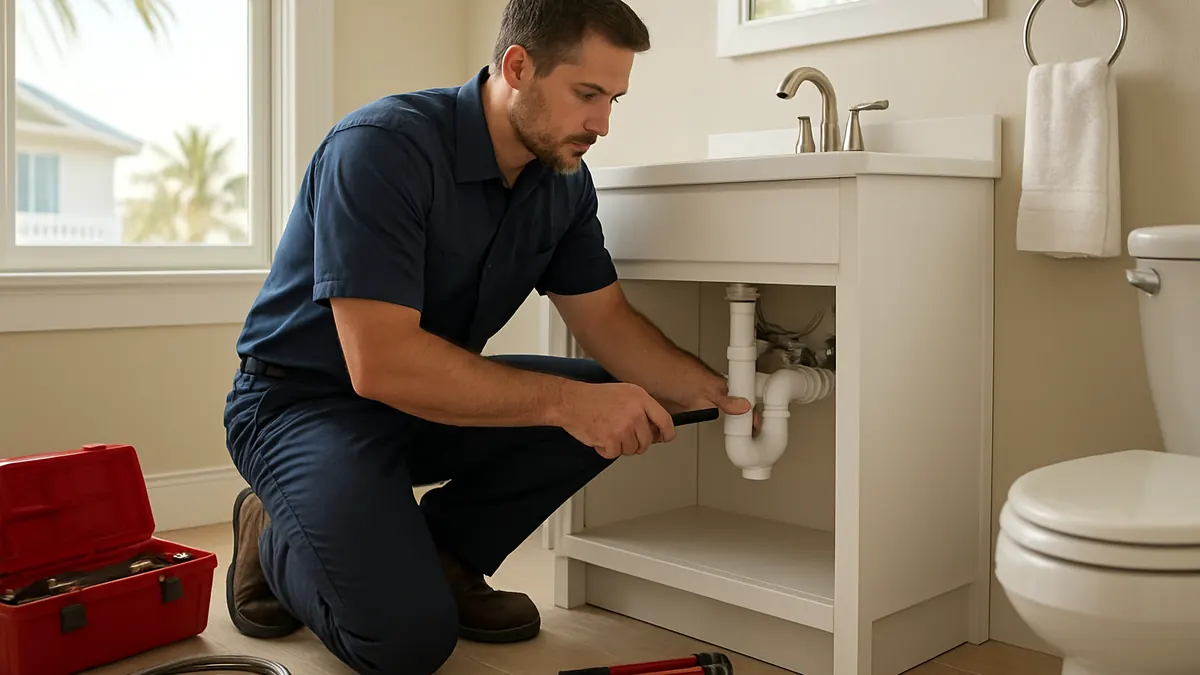
A plumber may test fixtures, inspect traps and vents, access a cleanout, and use professional drain-cleaning equipment. A sewer camera may be recommended after clearing a recurring blockage to see whether buildup, damage, or a foreign object remains.
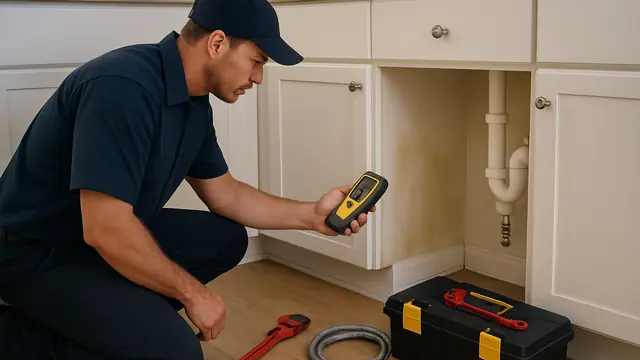
Leak diagnosis may involve moisture readings, pressure testing, fixture isolation, and inspection of concealed connections. Water heaters are checked for utility supply, component operation, safety controls, and tank condition.
Repair Options From Least Invasive to More Extensive
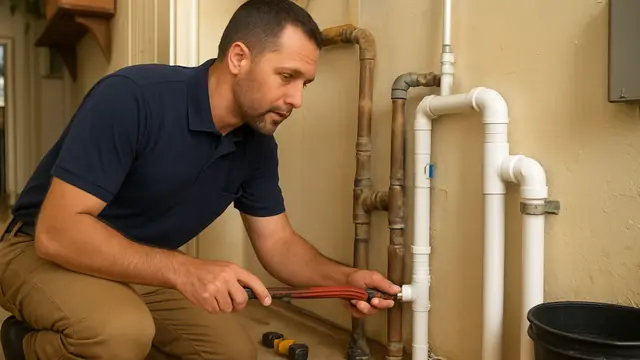
Simple repairs include cleaning a strainer, replacing a toilet flapper, changing a fill valve, repairing a faucet, or replacing a leaking connector.
A local drain clog may be cleared with professional equipment. More persistent buildup may require another cleaning method selected for the pipe condition and blockage type.
If camera inspection identifies one damaged section, targeted repair may be possible. Broad replacement should be reserved for conditions that cannot be corrected reliably with a smaller repair.
Water-heater options may include replacing controls, elements, valves, or connections. A leaking tank usually requires replacement, but not every hot-water complaint means the entire unit has failed.
Cost Factors Owners Should Understand
Cost depends on where the problem is located, how easily it can be reached, whether diagnostic equipment is needed, and what materials or components failed.
Work becomes more involved when fixtures must be removed, piping is concealed, wastewater cleanup is required, or access is limited. Emergency timing and an occupied property may also affect the service plan.
Prevention and Turnover Maintenance
Use strainers in showers and sinks. Post simple disposal and flushing instructions. Provide bathroom wastebaskets so guests have an alternative to flushing wipes or hygiene products.
During turnovers, test every fixture under normal flow instead of checking only its appearance. Listen for gurgling, watch for delayed drainage, and confirm that toilets stop running.
Inspect water-heater areas and appliance connections. Keep shutoff information available to cleaners, managers, and maintenance staff. Record recurring complaints by fixture and date; patterns can reveal a developing problem.
Restore Reliable Plumbing Before the Next Stay
The most common plumbing problems for vacation rentals in Laguna Beach are easier to control when owners respond to early symptoms instead of waiting for a complete failure. Stop water use when multiple drains react, isolate active leaks, and have recurring problems diagnosed before the next group of guests places the system under full demand.
About this guide: This resource provides general homeowner education, not a remote diagnosis. Actual conditions, code requirements, equipment, and safe repair options must be evaluated at the property.