Stop and call for qualified help when plumbing water is near electrical equipment, sewage is entering occupied space, gas or burning odors are present, or a repair would require opening pressurized piping.
You arrive to prepare your Callaway rental for the next booking and find water around the base of a toilet, a damp cabinet beneath the kitchen sink, or a water heater that is not producing enough hot water. These symptoms may indicate a failed seal, a loose connection, a drain restriction, or equipment that is beginning to fail.
The immediate safe action is to stop using the affected fixture and contain the water. Close the toilet or sink shutoff valve if the leak is on the supply side. If water continues to spread or the source is unclear, shut off the home's main water supply and schedule a licensed plumber. Do not allow new guests to occupy the property until sewage, active leakage, and essential-fixture problems have been corrected.
Vacation rentals can place concentrated demand on plumbing systems. Several showers, toilets, appliances, and sinks may be used within the same hour.
The Most Common Plumbing Problems for Vacation Rentals in Callaway
Toilet Leaks, Clogs, and Running Water
A worn toilet seal can allow water to escape around the base. A failing flapper can make the toilet run continuously. A loose supply connection may drip behind the bowl.
Repeated clogs may be caused by excessive paper, non-flushable materials, a foreign object, or a restriction in the drain line. If plunging helps only temporarily, the obstruction may not be fully removed.
Leaks Beneath Sinks and Vanities
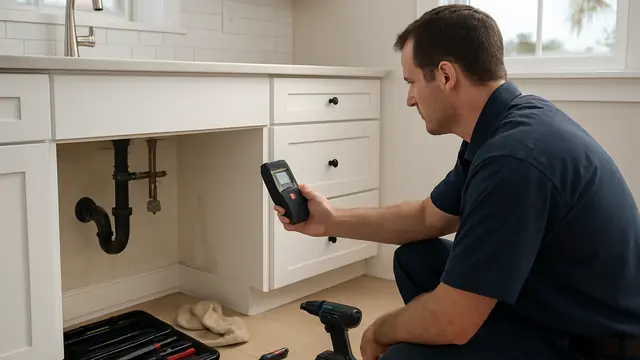
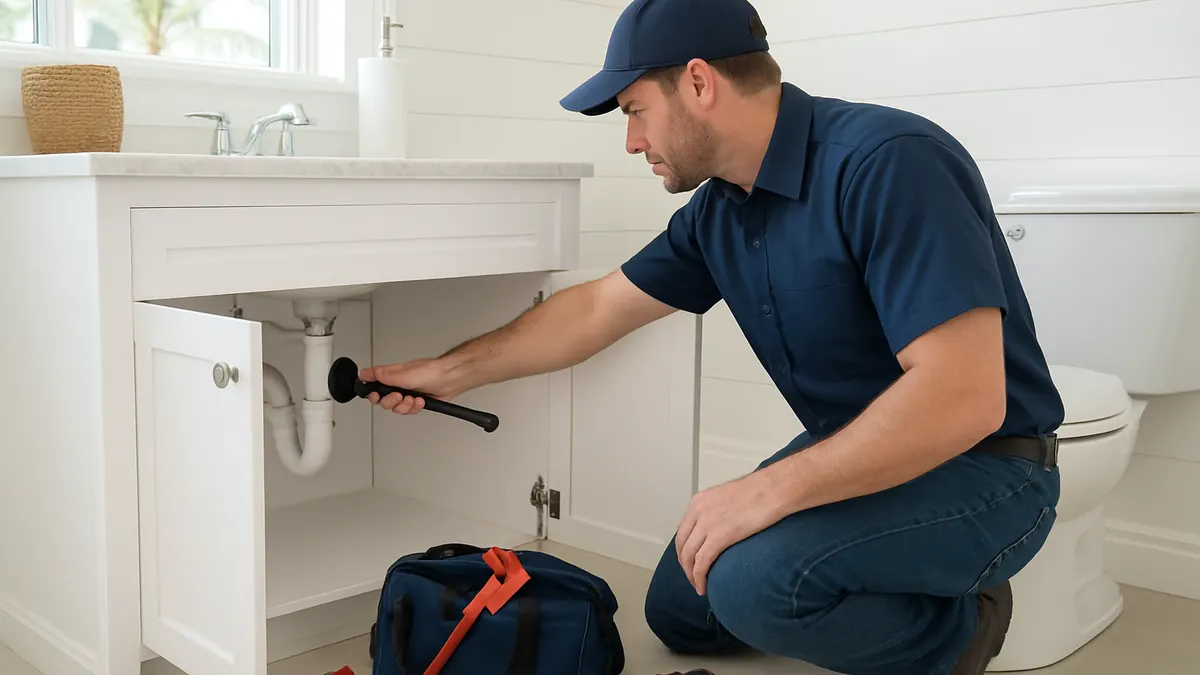
Cabinet leaks frequently come from drain traps, supply lines, shutoff valves, disposal connections, or the faucet.
Look for warped cabinet bottoms, stained items, corrosion, or a musty smell.
Kitchen Drain and Disposal Problems
Grease and food waste are common causes of kitchen backups. Warm grease may enter as liquid, then cool and cling to the pipe. Food particles attach to that layer and narrow the drain.
Disposals can jam when guests insert utensils, bones, fibrous vegetables, or too much material. A humming disposal that does not turn should be switched off immediately.
Hot-Water Shortages
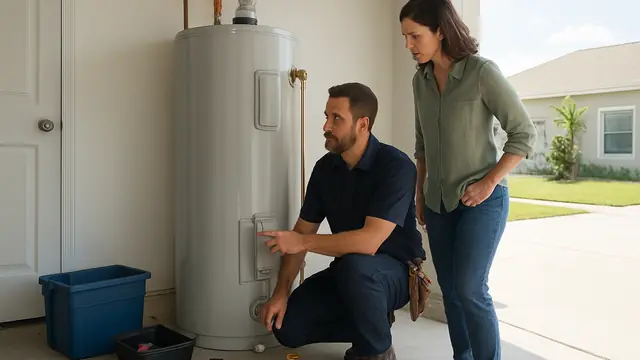
A full rental may use more hot water than expected, but a sudden performance change can point to a failed heating element, thermostat problem, burner issue, sediment, or leaking tank.
If water starts hot and cools during several showers, capacity may be part of the issue. If water never becomes hot, the heater likely needs diagnosis.
Washing-Machine and Appliance Leaks
Repeated laundry loads place demand on washing-machine hoses, drain connections, and valves. Refrigerator lines and dishwasher connections can also fail behind appliances.
These leaks may remain hidden until water reaches another room or appears beneath flooring. Flexible hoses and small lines should be checked for kinks, brittleness, corrosion, and loose fittings.
Sewer Odors and Drain Gurgling
Sewer odor may come from a dry trap, loose toilet seal, venting problem, or drain blockage. A trap is the curved pipe section that holds water and blocks sewer gas. Adding water may restore a dry trap.
Safe Checks Before Calling a Plumber
Determine whether the issue involves one fixture or several. Run only a small amount of water and observe carefully. Stop testing if water begins to rise or leak.
Check toilet tanks for a flapper that is not sealing. Inspect visible supply lines with a dry paper towel; a small leak will leave moisture. Look inside sink cabinets and around appliance connections.
For a disposal, switch off power before looking into the opening. Use a flashlight, not your hand. A reset button may help after an obstruction is safely removed, but repeated resetting is not a repair.
Confirm that the water heater has power, but do not open panels or work on wiring. If a breaker trips again after one reset, leave it off.
What a Property Owner Should Not Attempt
- Do not combine drain chemicals, bleach, or other cleaners. Mixing products can release dangerous fumes, and chemicals may remain in the line.
- Do not tighten leaking fittings aggressively. Overtightening can crack a valve or damage an older connection.
- Avoid opening walls or ceilings without locating the source. Water often travels away from the actual leak.
- Do not bypass water-heater safety controls or attempt gas repairs without training and licensing.
Signs the Problem Requires Immediate Service
Call promptly when wastewater enters a tub or shower, the only toilet is unusable, water flows through a ceiling, or a pressurized line will not stop leaking.
A water heater that leaks from the tank, gives off a burning odor, or repeatedly trips a breaker should be taken out of service. Sewage contamination and strong sewer odor also require urgent attention.
When the property is occupied, ask guests to stop using affected fixtures and move belongings away from water.
How a Licensed Plumber Finds the Cause
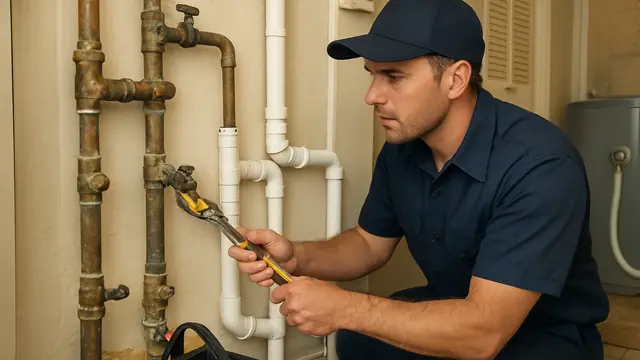
The plumber begins by reproducing the symptom safely. Drainage problems may be tested fixture by fixture to locate the affected branch. A drain cable, cleanout, or sewer camera may be used when a blockage is deep or recurring.
Leak diagnosis can include pressure testing, moisture detection, inspection of valves and seals, and examination of nearby fixtures. For hot-water issues, the plumber evaluates power or gas supply, controls, heating components, tank condition, and water flow.
Repair Choices From Simple to More Involved
Minor repairs may include replacing a toilet flapper, fill valve, supply line, faucet cartridge, trap washer, or appliance connector. A local clog may be cleared without removing the fixture.
If a toilet contains a lodged object, removal and reset may be necessary. If the fixture is cracked or unreliable after repair, replacement may make more sense.
Drain work may progress from mechanical cleaning to camera inspection, targeted pipe repair, or larger replacement only when the condition justifies it. Water-heater service may involve a component repair, valve replacement, or full replacement if the tank has failed.
The least invasive dependable option should be considered first while accounting for the risk of another guest interruption.
What Affects Plumbing Repair Cost?
Cost varies with access, labor, material type, equipment, damage extent, and the time needed to confirm the cause.
A visible sink leak may be straightforward. A leak behind tile, beneath flooring, or inside a wall requires more investigation. Drain work may cost more when the blockage is distant, access is limited, or camera inspection is needed.
Prevention for Callaway Rental Properties
Add a plumbing check to every turnover. Flush each toilet, run each faucet, verify hot water, inspect beneath sinks, and look behind accessible appliances.
Provide guest rules: flush only toilet paper, keep grease out of drains, use the disposal with running water, and report leaks immediately.
Keep shutoff valves labeled and confirm that they operate. Replace visibly deteriorated connectors before they fail. Schedule professional maintenance when the home has recurring drain issues, older water-heating equipment, or a history of hidden leaks.
Protect the Property and the Next Booking
The most common plumbing problems for vacation rentals in Callaway rarely improve on their own. Early action is less disruptive than an emergency after guests arrive. Isolate active leaks, stop using backed-up drains, document the symptoms, and have the cause diagnosed before returning the property to service.
About this guide: This resource provides general homeowner education, not a remote diagnosis. Actual conditions, code requirements, equipment, and safe repair options must be evaluated at the property.