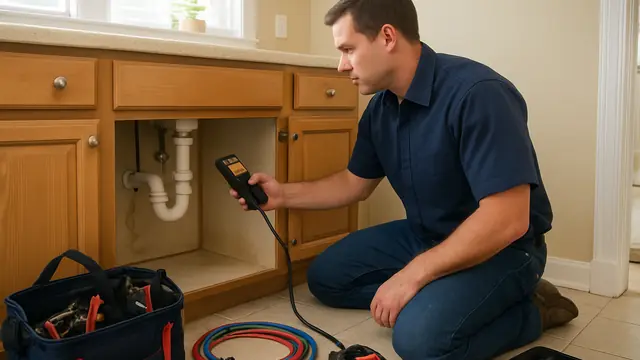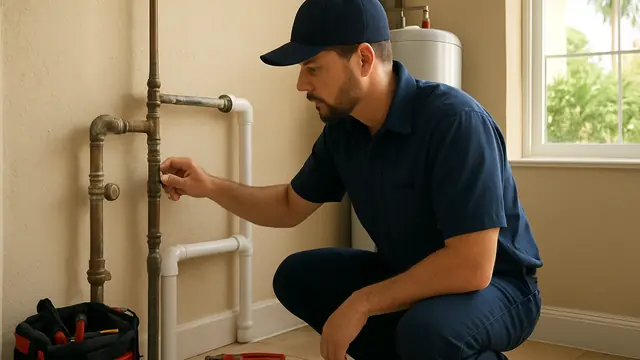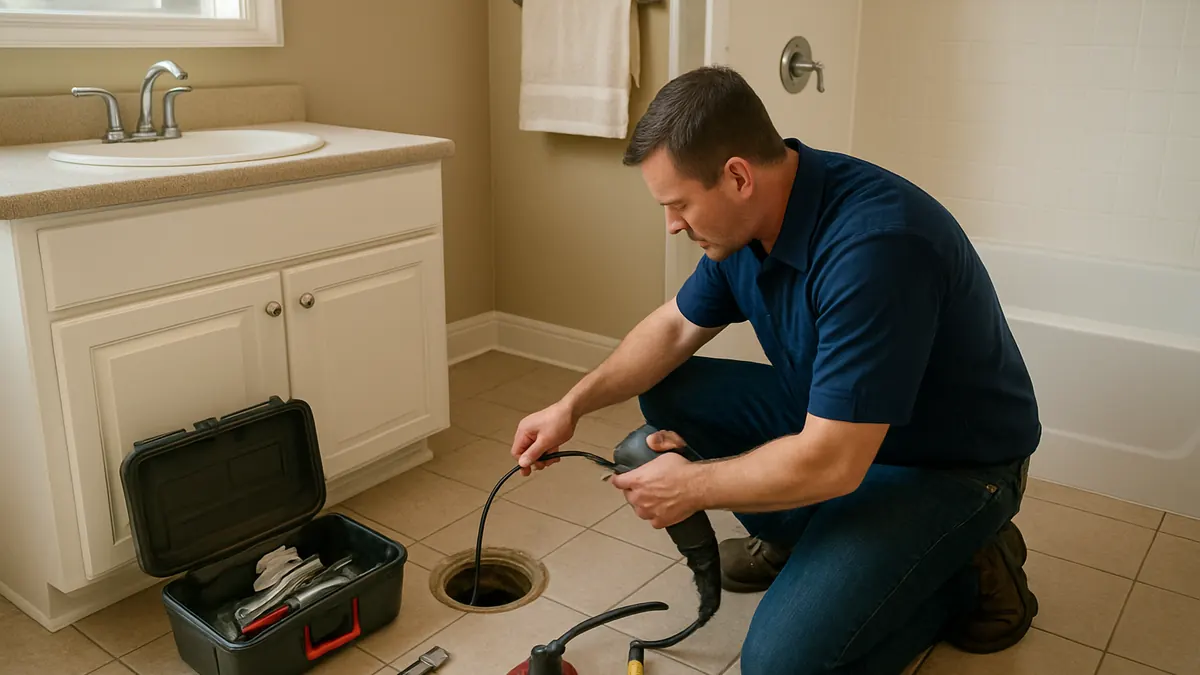
Stop and call for qualified help when plumbing water is near electrical equipment, sewage is entering occupied space, gas or burning odors are present, or a repair would require opening pressurized piping.
When several plumbing fixtures back up in a Niceville home, the problem usually involves more than a clogged sink or toilet. The homeowner may notice a toilet bubbling when another fixture drains, water entering a bathtub after the washing machine operates, or multiple sinks and showers draining slowly at the same time.
These symptoms often mean that wastewater cannot pass through a common branch drain, the main sewer line, or the connection to a septic system. Water then moves backward toward the lowest available fixture.
Multiple-drain backups require prompt attention because wastewater may contain bacteria, viruses, cleaning chemicals, and other contaminants. A backup can damage floors, drywall, cabinets, furnishings, and electrical components.
A licensed plumber can identify whether the problem is caused by ordinary debris, grease, roots, damaged piping, a septic condition, or a structural defect. The diagnosis determines whether the most economical solution is basic drain cleaning, hydro jetting, a spot repair, or another option.
The Most Common Possible Causes
A main sewer-line obstruction is one of the most likely causes when fixtures throughout the property are affected.
Paper and waste can collect around a partial obstruction until the pipe closes. Excessive toilet paper may contribute, especially when the line already has roots, scale, or poor slope.
- Wipes, hygiene products, cotton materials, and paper towels can remain intact inside the sewer. They may wrap around roots or lodge at a joint.
- Kitchen grease can coat the pipe and trap additional debris. Grease should never be treated as harmless because it enters the drain as a liquid.
- Root intrusion can occur when roots find cracks, loose joints, or deteriorated piping. Root cutting restores an opening but does not close the damaged section.
Pipe deterioration may also reduce flow. Cast iron can corrode internally. Clay or concrete joints can separate. Older fiber piping can deform. PVC can crack or settle when it lacks proper support.
A belly or sag in the line holds wastewater and solids. Recurring backups can occur even after cleaning because the pipe never fully drains.
A foreign object may become lodged in the sewer. Toilets can allow small toys, hygiene products, cleaning materials, and other objects into the drainage system.
For septic properties, the tank, filter, baffles, pump, or drain field may be involved. A plumbing diagnosis should distinguish a blocked building sewer from a septic-system problem.
Safe Checks a Niceville Homeowner Can Perform
- Stop using water throughout the house. Avoid flushing, showering, laundry, dishwashing, and running faucets.
- Determine the scope without adding more water. Are all bathrooms affected? Does the kitchen drain normally? Is the problem limited to one side of the home?
- Observe the lowest fixture. Wastewater appearing in a shower or tub strongly suggests a restriction downstream of that fixture.
- Listen for gurgling toilets or drain traps. These sounds can occur when trapped air moves through the system.
- Note whether the washing machine or dishwasher triggers the backup. High-volume discharge often reveals a partially blocked main line.
- Look for water around the exterior cleanout or septic system, but do not remove covers or contact wastewater.
If the home is connected to municipal sewer and nearby properties are also affected, report the issue to the utility. However, many backups are located between the home and the public connection.
Keep children and pets away from contaminated areas. Avoid using fans that could spread aerosols from sewage unless a cleanup professional recommends them.
What the Homeowner Should Not Attempt
- Do not continue running water to test the drain.
- Avoid chemical drain cleaners. They cannot repair broken pipes and may become trapped in standing wastewater.
- Do not combine drain-opening chemicals or mix them with cleaning products.
- Do not remove a cleanout cap without considering that sewage may be under pressure.
- Avoid using small fixture snakes as a substitute for main-line equipment. The cable may not reach the obstruction.
- Do not operate a rented sewer machine without proper training. Rotating cable equipment can cause serious injury.
- Do not use improvised hydro-jetting tools or a pressure washer in the drainage system.
- Avoid entering or leaning over a septic tank. Toxic gases and unstable covers present severe hazards.
- Do not begin excavation until the sewer has been located and other underground utilities are marked.
Signs That Make the Backup Urgent
The problem is urgent when:
- Raw sewage enters living space
- Multiple toilets are unusable
- Water rises from tubs or showers
- Wastewater reaches electrical devices
- Sewage spreads beneath flooring
- Strong sewer odors persist
- A septic alarm sounds
- Wastewater surfaces near the tank or drain field
- The backup affects a rental, business, or medically vulnerable occupant
- The problem returns soon after cleaning
- Sewage threatens neighboring property
Stop water use and contact a plumber.
How a Licensed Plumber Diagnoses It
- The plumber reviews the symptom pattern and determines whether the blockage is likely in a fixture branch, the main sewer, or the septic connection.
- A cleanout may be opened safely to evaluate the water level. Professional drain equipment can then be inserted into the line.
- Cable resistance, distance, and recovered material help identify grease, roots, wipes, scale, or foreign objects.
After flow is restored, the plumber may perform a camera inspection. The camera displays the interior of the pipe and may reveal corrosion, cracks, separated joints, bellies, roots, or collapse.
- Electronic locating equipment identifies the camera head's position and depth. This allows a repair to be targeted.
- Where septic service is present, diagnosis may include the tank level, outlet filter, pump, control panel, baffles, and drain-field condition.
- The plumber may also evaluate the cleanout arrangement and recommend access improvements if future service would otherwise require removing a toilet.
Repair Options-Not Only Full Replacement
- Mechanical cabling may be sufficient for a straightforward obstruction.
- Root cutting can restore flow where roots have entered. Camera findings should determine whether pipe repair is also appropriate.
- Hydro jetting may remove grease and sludge from sound piping. It can clean more of the pipe wall than basic cabling.
- Cast-iron descaling may improve flow in certain pipes with heavy internal buildup.
- A spot repair is often appropriate when damage is limited to one section.
- Trenchless lining can rehabilitate some cracked or deteriorated lines without opening the entire yard.
- Pipe bursting can install a replacement sewer through limited excavation in appropriate conditions.
- Traditional excavation remains the dependable option for collapse, severe offsets, or configurations that cannot be lined or burst.
Septic repairs may include pumping, filter cleaning, line clearing, pump replacement, or baffle repair. A failed component should not automatically lead to replacement of the complete system.
Typical Factors Affecting Cost
Cost factors include:
- Sewer or septic service
- Obstruction location
- Cleanout availability
- Length and size of the pipe
- Type of blockage
- Root severity
- Pipe material
- Camera and locating services
- Jetting or descaling
- Excavation depth
- Concrete or landscaping
- Permitting
- Emergency scheduling
- Septic pumping or repairs
- Cleanup and restoration
A removable clog close to an accessible cleanout is usually less expensive than underground structural failure.
Prevention and Maintenance Guidance
- Keep grease, oil, and food waste out of drains.
- Flush only toilet paper and human waste. Do not rely on flushable labeling for wipes.
- Use strainers to catch food, hair, and debris.
- Avoid putting paint, grout, plaster, concrete residue, and construction material into drains.
- Keep the main cleanout accessible. Label its location for property managers or family members.
- Arrange a camera inspection when backups recur or roots are repeatedly removed. Structural problems should be identified before an emergency.
- Avoid planting large trees directly over a known sewer line when planning new landscaping.
- For septic systems, conserve water, repair leaking fixtures, maintain pumping records, and protect the drain field.
- Early symptoms such as gurgling toilets or slow lower drains should not be ignored. They may be the first warning of a developing main-line obstruction.
About this guide: This resource provides general homeowner education, not a remote diagnosis. Actual conditions, code requirements, equipment, and safe repair options must be evaluated at the property.