Stop and call for qualified help when plumbing water is near electrical equipment, sewage is entering occupied space, gas or burning odors are present, or a repair would require opening pressurized piping.
A Panama City Beach homeowner or property manager may first discover a hidden plumbing leak after opening a vacation property, checking a guest bathroom, or noticing that a water bill is unexpectedly high during a low-use period. You may find a damp vanity, loose flooring, or a musty room even though no one remembers a spill. Stop using the fixture closest to the symptom, remove stored items from the wet area, and determine whether moisture continues to appear. If water is actively spreading and a fixture valve does not control it, shut off the main water supply when it is safe.
Where Hidden Leaks Commonly Begin
Leaks can develop at supply lines, appliance hoses, valves, toilet seals, traps, pipe joints, or concealed piping. Supply leaks may run continuously; drain leaks usually appear during fixture use. Condensation, air-conditioning drainage, or roof intrusion can resemble a plumbing leak, so the source should be confirmed before repairs begin.
Seven Warning Signs of a Hidden Plumbing Leak in Panama City Beach
1. Water Use Continues When the Property Should Be Quiet
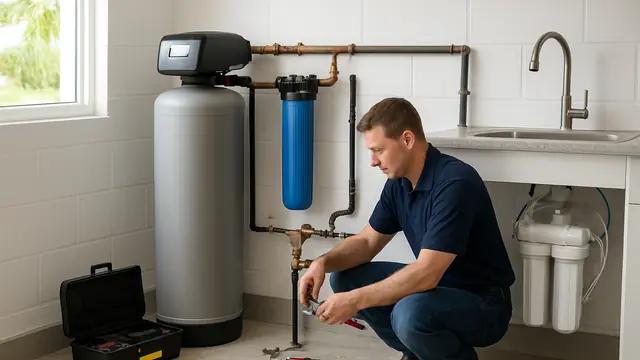
Turn off faucets, irrigation, appliances, ice makers, and water-treatment equipment. Confirm that toilets have stopped filling. Record the meter, wait 20 to 30 minutes without using water, and check again. Continued movement after toilets and automatic devices are isolated can indicate a concealed supply leak.
2. A Bathroom or Kitchen Smells Damp Between Visits
A musty or earthy odor can develop when cabinet panels, drywall, flooring, insulation, or carpet padding remain wet. Ventilating the room may reduce the smell temporarily, but it often returns while the material stays damp.
Open accessible cabinets and look for swelling, discoloration, or damp items. An odor that strengthens after fixture use may point toward a drain or connection.
3. Flooring Begins to Lift, Buckle, or Feel Soft
A hidden leak beneath flooring can cause laminate seams to rise, vinyl to release, wood to cup, carpet padding to feel cool, or tile to loosen. In bathrooms, the floor may feel soft near a toilet, tub, or shower.
Avoid placing weight on a weakened area and stop using nearby plumbing. An unusually warm floor may indicate a hot-water leak, although sunlight, appliances, and ductwork can create similar changes.
4. Paint, Ceilings, or Baseboards Begin to Change
Bubbling paint, swollen trim, soft drywall, separated baseboards, and yellow or brown ceiling stains can indicate concealed moisture. The mark may darken after a fixture is used or grow gradually over several days.
Water can travel along framing before appearing. Photograph the area and mark the stain's edge to track growth.
5. The Water Heater Runs Frequently or Hot Water Disappears
A leak in a hot-water line can cause the heater to cycle more often because heated water is leaving the system. Guests or occupants may report that hot water runs out sooner than expected.
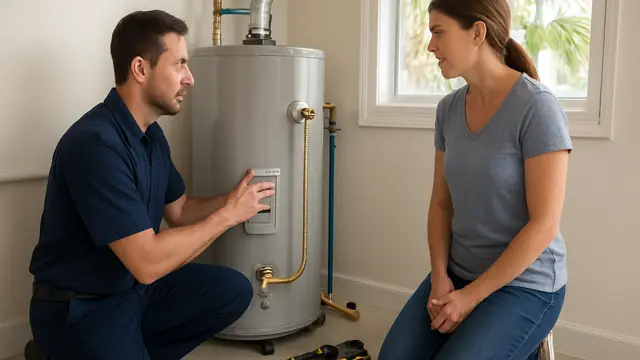
The heater itself may have a leaking connection, valve, relief line, or tank. Inspect only visible areas; water near electrical or gas components requires professional service.
6. You Hear Hissing, Dripping, or Rushing Water
A quiet property makes hidden water sounds easier to notice. Listen near bathrooms, the kitchen, laundry connections, the water heater, and walls where pipes enter.
A running toilet can create a faint refill sound. Add food coloring to the toilet tank and wait without flushing. If color reaches the bowl, the toilet is leaking internally. If the sound continues after fixtures are isolated, a concealed pressurized line may be involved.
7. Water Pressure Changes Across More Than One Fixture
A substantial supply leak can reduce water pressure in part or all of the property. A shower may weaken, a tub may fill slowly, or multiple faucets may lose flow.
A clogged aerator, valve, regulator, or utility condition may also reduce pressure. Compare several fixtures and note whether hot and cold water are affected.
Safe Checks Before Service Arrives
Use a flashlight to inspect under sinks, around toilet bases, behind accessible appliances, near the water heater, and around shutoff valves. Wipe exposed fittings with a dry paper towel to reveal a slow seep.
Document meter readings, take photographs, and write down which fixture was used before moisture appeared.
Close the nearest valve for an active leak. Use the main shutoff when water is spreading, and avoid standing water near electrical equipment.
What Homeowners and Property Managers Should Not Attempt
Do not break tile, cut flooring, drill into walls, or remove cabinets based only on the visible stain. Blind demolition can miss the source and damage wiring or additional plumbing.
Do not use chemical drain cleaner to treat unexplained moisture. It cannot repair a failed drain joint and may leave hazardous liquid in the line.
Avoid forcing stiff or corroded valves. Do not rely on tape, caulk, or surface epoxy as a permanent repair for a pressurized leak.
Signs That Make the Leak Urgent
Immediate service is appropriate when water spreads rapidly, a ceiling bulges, flooring lifts, drywall feels soft, or cabinets begin separating. Keep people away from a sagging ceiling because saturated material can fall.
Moisture near electricity requires special caution. Continuous meter movement, sudden pressure loss, repeated water-heater operation, or an active leak in a vacant or soon-to-be-vacant property also warrants quick attention.
How a Licensed Plumber Diagnoses a Hidden Leak
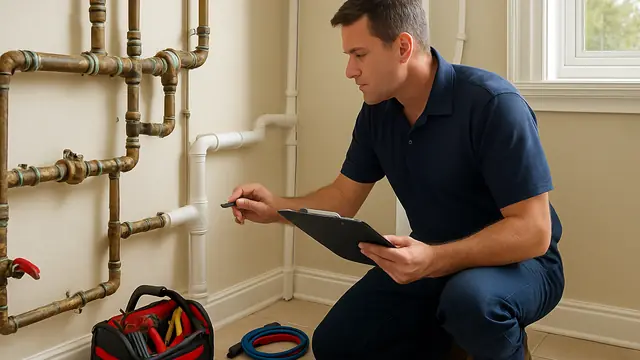
The plumber reviews the symptom timeline, checks the water meter, tests pressure, inspects accessible connections, and isolates fixtures or systems.
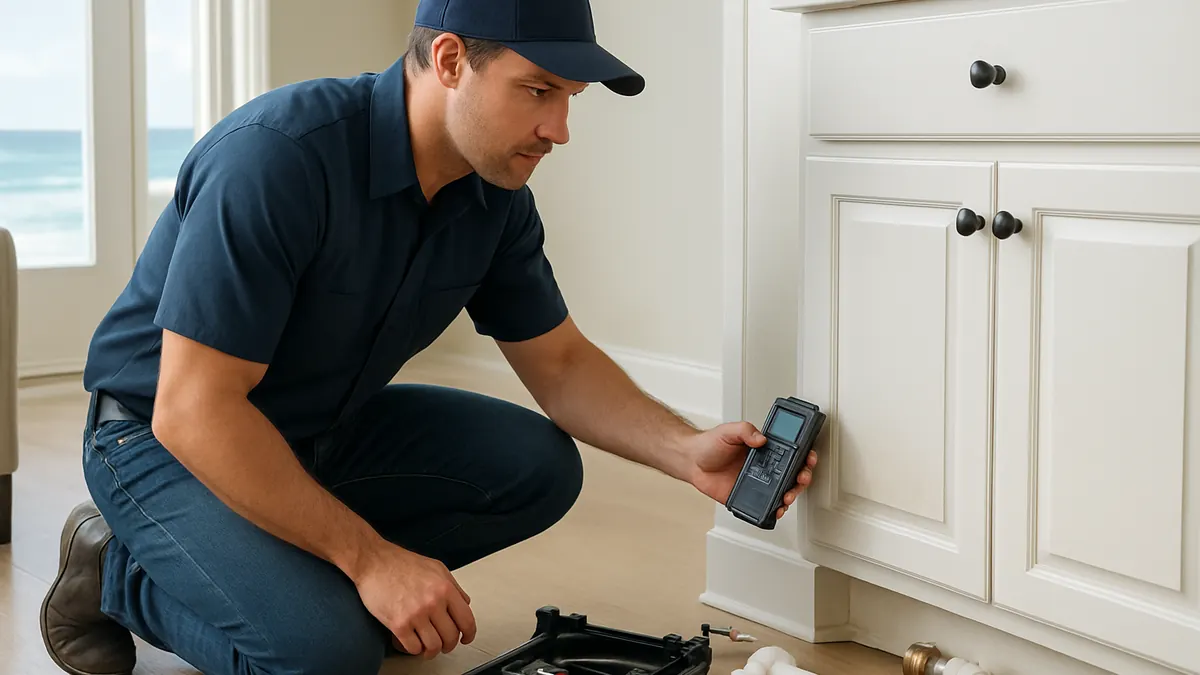
Moisture meters help identify damp materials. Thermal imaging may show temperature differences from hot water or evaporation. Acoustic equipment can help locate escaping pressurized water, and a drain camera may be appropriate when leakage follows fixture drainage.
Repair Options Beginning With the Least Invasive
A leaking appliance hose, faucet connector, valve, trap, toilet seal, or water-heater fitting may only need replacement. A failed joint or short section of pipe may be repaired through limited access.
For an inaccessible pipe, rerouting may avoid cutting through a large finished area. A longer branch can be replaced when damage is not isolated to one point. Partial or whole-home repiping may be considered when leaks repeat or multiple sections show deterioration.
What Affects the Cost of Repair?
Cost depends on the leak location, pipe material, accessibility, diagnostic complexity, repair method, and water damage. An exposed connector is simpler than piping beneath concrete, tile, or built-in cabinets.
Emergency scheduling, fixture removal, rerouting, drying, restoration, and multiple failures can affect the final scope.
Prevention for Occupied and Occasionally Vacant Properties
Inspect under sinks, around toilets, behind appliances, and near the water heater before and after periods of heavy use. Replace hoses and connectors that are cracked, swollen, rusted, or damp.
Monitor water bills and meter readings. Have excessive pressure evaluated because it can stress fittings and appliance lines. Make sure the main shutoff is labeled and accessible. For a property that is not continuously occupied, arrange periodic visual checks and respond quickly to unexpected usage.
Homeowner FAQs
Can a drain leak happen without changing the meter?
Yes. The water has already passed through the meter before it leaks from the drain, so the meter may appear normal afterward.
Why does the smell return only when the property is closed?
Closed rooms trap odors, and damp materials may become more noticeable when ventilation is limited.
Can a leak continue while no one is staying in the property?
Yes. A supply leak may run continuously until the water is shut off or the damaged section is repaired.
Can leak-detection tools prevent major demolition?
They often reduce unnecessary opening by narrowing the wet area and likely source, although some access may still be required.
Should I shut off the water between visits?
That depends on the property and its equipment. If a leak is suspected, shut it off when safe and arrange service before restoring normal use.
Protect the Property Before the Damage Expands
Seven warning signs of a hidden plumbing leak in Panama City Beach include unexplained meter movement, damp odors, flooring changes, damaged finishes, hot-water problems, water sounds, and pressure loss. Limit water use, document the symptoms, control active water safely, and schedule a professional diagnosis before the leak affects a larger area.
About this guide: This resource provides general homeowner education, not a remote diagnosis. Actual conditions, code requirements, equipment, and safe repair options must be evaluated at the property.