Stop and call for qualified help when plumbing water is near electrical equipment, sewage is entering occupied space, gas or burning odors are present, or a repair would require opening pressurized piping.
You are preparing a Panama City Beach home before an evacuation and discover that the guest-bathroom shower drains slowly while the toilet makes a bubbling sound. Because the property may remain vacant during the storm, this is more than an inconvenience. The symptoms may indicate a restriction in a shared drain or sewer line, and additional water use could cause wastewater to back up through the lowest fixture. The safest immediate step is to stop using that bathroom, limit water throughout the home, and schedule a drain inspection before leaving. Do not pour chemical drain cleaner into standing water.
Walk Through the Property as Though You Were Leaving It for a Week
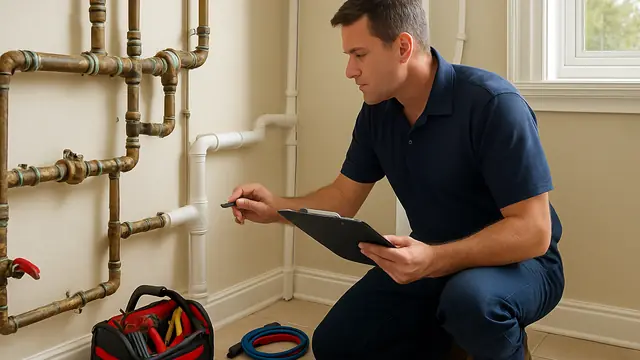
Look beneath sinks for moisture, swollen cabinet material, corrosion, and mineral deposits. Check around toilet bases, behind appliances, and beneath the water heater. Listen for dripping or running water after every fixture is turned off.
Locate the Main Water Shutoff
Find the valve that stops water entering the property. Make sure the valve is not blocked by storage. If it is corroded, difficult to turn, or leaking around the stem, do not force it. A plumber can determine whether the valve can be serviced or should be replaced.
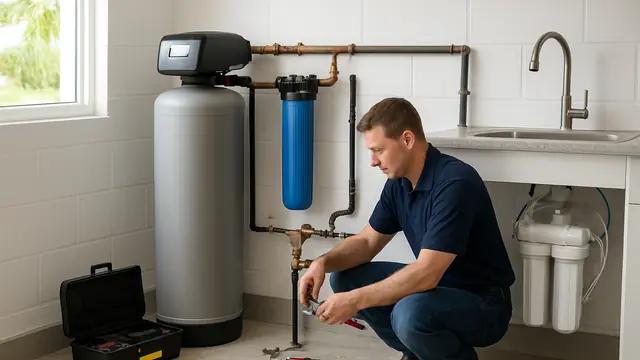
Shutting off the main water may reduce damage from an indoor supply-line failure while the property is vacant. However, fire sprinklers, water-treatment systems, recirculation equipment, and other components may require a specific procedure. Get system-specific guidance before evacuation day.
Inspect Toilets and Flexible Supply Lines
Flush each toilet and wait until it becomes quiet. Periodic refilling may be caused by a worn flapper, fill-valve problem, or incorrect water level.
Inspect the supply connector and fixture valve behind the toilet. Replace lines that are bulging, frayed, rusted, kinked, or wet around the fittings.
Test Drains Without Overloading Them
Run water briefly in sinks, tubs, and showers. Flush one toilet at a time. Watch for gurgling, slow drainage, sewage odor, or water rising in another fixture.
A single slow sink may have a local clog. Several affected fixtures suggest a problem farther down the drainage system.
Check the Water Heater Before Leaving
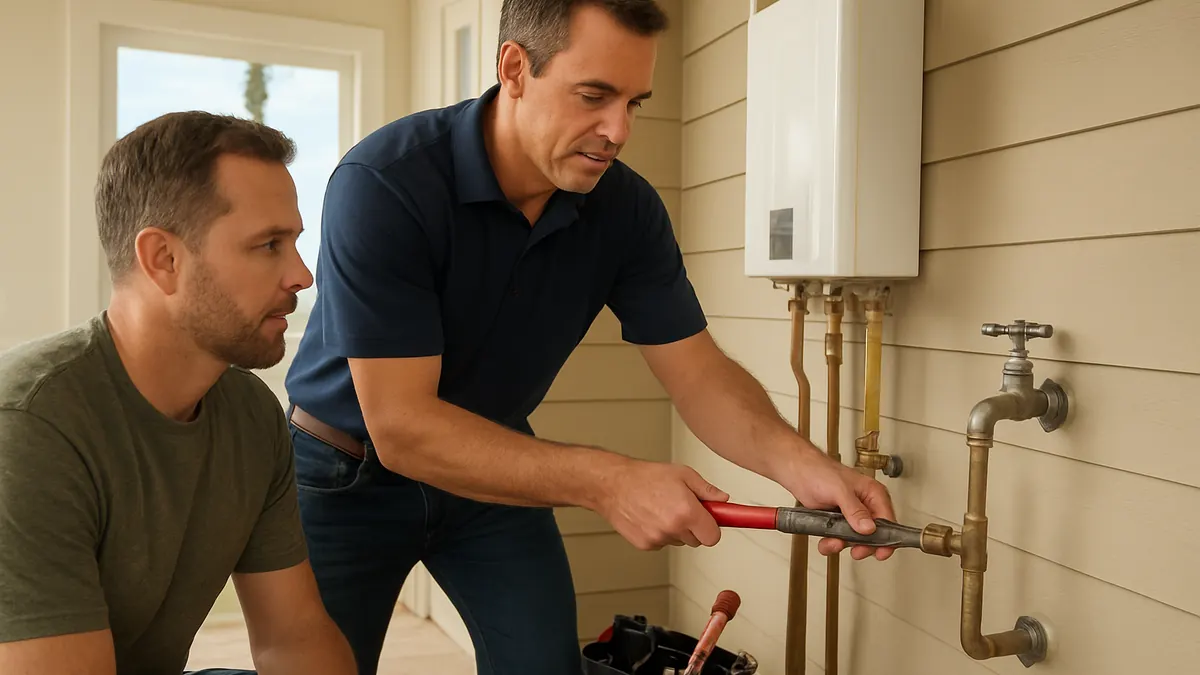
Inspect around the water heater for rust, dampness, corrosion, and water in the drain pan. Look at visible connections without touching hot piping.
The temperature-and-pressure relief valve is an essential safety component. Never cap its discharge pipe or block the outlet.
Know the correct breaker for an electric heater. Do not adjust gas controls or attempt burner work. If the heater has been exposed to floodwater, shifted, or sustained damage, leave it off until inspected.
Disconnect Outdoor Hoses and Check Exposed Fixtures
- Remove hoses from exterior faucets. A connected hose may be pulled by debris and damage the faucet or piping inside the wall.
- Look for existing leaks around hose bibs and accessible exterior piping. Do not cover, cap, or obstruct plumbing vents, drains, relief outlets, or combustion-air openings.
- Complete exterior checks while the weather is safe. Do not continue once lightning, high wind, or flooding begins.
Prepare Emergency Water Correctly
Store drinking water in clean, food-safe containers according to official emergency guidance. Water placed in a clean bathtub or bucket can be reserved for toilet flushing and cleaning. It should not be considered drinking water.
After the storm, follow any boil-water notice or other public instruction. An ordinary refrigerator filter or whole-house filter does not automatically make contaminated water safe.
Safe Checks a Homeowner or Property Caretaker Can Perform
It is generally safe to inspect visible piping, check for damp cabinets, confirm that toilets stop running, observe the water meter, and clear access to valves.
What You Should Not Attempt
- Do not climb onto the roof to inspect vent piping. Do not enter flooded rooms or exterior areas where electrical equipment may be energized.
- Do not open a sewer cleanout during a backup. Wastewater may escape suddenly when the cap is removed.
- Avoid makeshift repairs with tape, glue, or unapproved fittings. Never bypass water-heater safety devices, modify gas piping, or restart submerged equipment.
Signs the Plumbing Problem Is Urgent
- Stop all water use if sewage appears in a tub, shower, toilet, or floor drain. Keep occupants and pets away from the contaminated area.
- Close the main water valve if a supply line bursts and the valve is safely accessible. If water reaches electrical outlets, appliances, cords, or panels, stay out of the area.
- A gas odor or hissing sound requires evacuation and contact with the appropriate emergency or utility service.
- A spreading ceiling stain, sagging drywall, rapidly moving water meter, shifted water heater, or flooding around plumbing controls also requires prompt help.
How a Licensed Plumber Diagnoses the Risk
The plumber begins by identifying whether the problem is on the pressurized water side, drainage side, or within equipment.
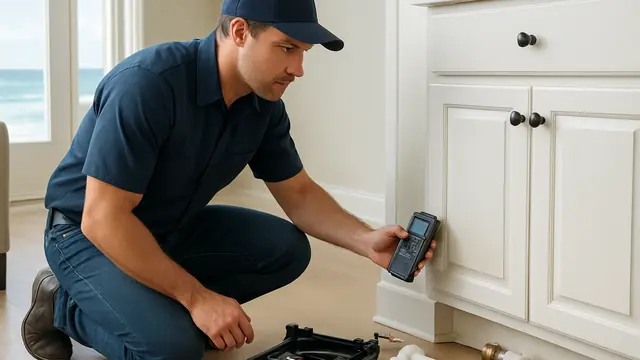
For suspected leaks, testing may include meter observation, pressure checks, fixture isolation, valve inspection, and moisture detection. This can reduce unnecessary openings in walls or ceilings.
For drainage symptoms, the plumber may test fixtures, access a cleanout, clear the line mechanically, and inspect it with a camera.
After a hurricane, diagnosis may include checking for damaged exterior piping, displaced appliances, contaminated treatment equipment, broken supports, and hidden leakage.
Repair Options Beginning With the Simplest Reasonable Fix
- A running toilet may need a flapper or fill valve. A leaking connector, faucet component, or fixture shutoff can often be replaced individually.
- A local clog may be cleared through the affected fixture or branch drain. A deeper blockage may require mechanical cleaning and camera inspection.
- A small supply or drain leak may be repaired by replacing only the failed section. A defective main shutoff can often be replaced without repiping the property.
- A serviceable water-heater valve, element, thermostat, or connection may be repairable. A leaking tank, submerged controls, or extensive corrosion may require replacement.
- Whole-house repiping or major sewer replacement becomes appropriate only when inspection confirms widespread deterioration or extensive damage.
Factors Affecting the Cost of Plumbing Work
Cost depends on access, pipe material, problem location, diagnostic testing, equipment type, and the extent of damage.
Work behind finished walls, beneath floors, in confined areas, or around contaminated wastewater can require additional labor. Parts availability, permits, cleanup, and restoration may also affect the scope.
Prevention and Maintenance for Vacant or Part-Time Properties
Repair recurring slow drains and running toilets before hurricane season. Replace deteriorated supply lines and keep shutoffs clearly labeled.
Arrange for a responsible person to inspect the property after severe weather when authorities say it is safe. The first check should include odors, standing water, ceiling stains, broken exterior piping, and equipment movement.
Do not restore normal water or power to flood-exposed equipment until it has been evaluated.
Complete Your Panama City Beach Hurricane Plumbing Checklist Before Leaving
A Northwest Florida hurricane plumbing checklist in Panama City Beach should prepare the property for both the storm and the time it may remain unattended. Confirm that drains are clear, supply lines are sound, shutoffs are accessible, and plumbing equipment has no active leak. Addressing warning signs before evacuation can prevent a manageable problem from becoming extensive damage.
About this guide: This resource provides general homeowner education, not a remote diagnosis. Actual conditions, code requirements, equipment, and safe repair options must be evaluated at the property.