Stop and call for qualified help when plumbing water is near electrical equipment, sewage is entering occupied space, gas or burning odors are present, or a repair would require opening pressurized piping.
A guest calls during the first evening of a stay and says the downstairs toilet is slow, the upstairs shower has standing water, and a damp spot has appeared beneath the kitchen sink. These symptoms may be unrelated, but they can also indicate several small maintenance issues surfacing at once under heavier use. Stop using any fixture that is backing up or actively leaking. Close the local shutoff valve for a leaking sink or toilet if it turns easily. If water continues spreading, shut off the main water supply when it can be reached safely.
Vacation rentals can place concentrated demand on plumbing systems. A home that seems normal during cleaning may behave differently when several guests use water at once.
What Are the Most Common Plumbing Problems for Vacation Rentals in Pretty Bayou?
Slow Drains and Partial Blockages
Hair, soap residue, grease, food particles, wipes, and excess paper are common causes of restricted drains. One slow sink usually points to a local clog. Several slow drains, a gurgling toilet, or water rising in a shower when another fixture runs may indicate a blockage in a shared branch or main drain.
A partial obstruction can be deceptive. Water may still pass slowly, making the system appear usable until multiple fixtures discharge at once.
Running, Clogged, or Leaking Toilets
A toilet that runs between flushes often has a worn flapper, failing fill valve, misadjusted float, or incorrect tank water level.
Recurring clogs may be caused by wipes, paper towels, hygiene products, toys, or too much toilet paper. Water around the base can come from the supply line, tank bolts, condensation, a failed floor seal, or a crack in the fixture. The source should be confirmed before assuming the toilet simply needs a new base seal.
Kitchen Sink and Garbage-Disposal Trouble
Grease, cooking oils, coffee grounds, bones, shells, fibrous vegetables, and large amounts of food waste can jam a disposal or narrow the kitchen drain.
If the sink fills when the dishwasher drains, the shared kitchen branch may be partially blocked. Repeatedly running the disposal will not remove buildup farther down the pipe.
Water-Heater Complaints
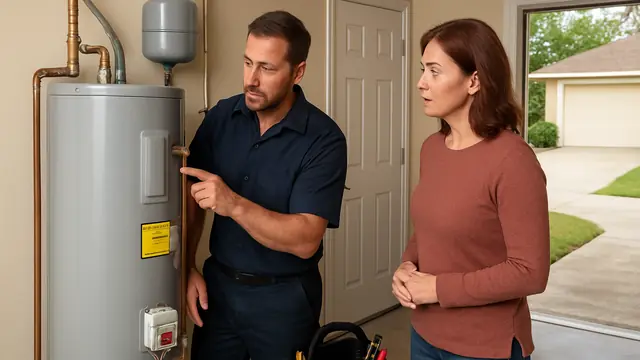
Guests may report no hot water, water that cools too quickly, or changing temperatures. Causes can include high demand, a failed heating element, thermostat trouble, ignition problems, control issues, sediment, or a damaged mixing valve.
Water around the heater may come from a connection, drain valve, relief valve, or the tank itself. A leaking fitting may be repairable. Leakage through the tank body usually means replacement is the dependable option.
Hidden Fixture and Appliance Leaks
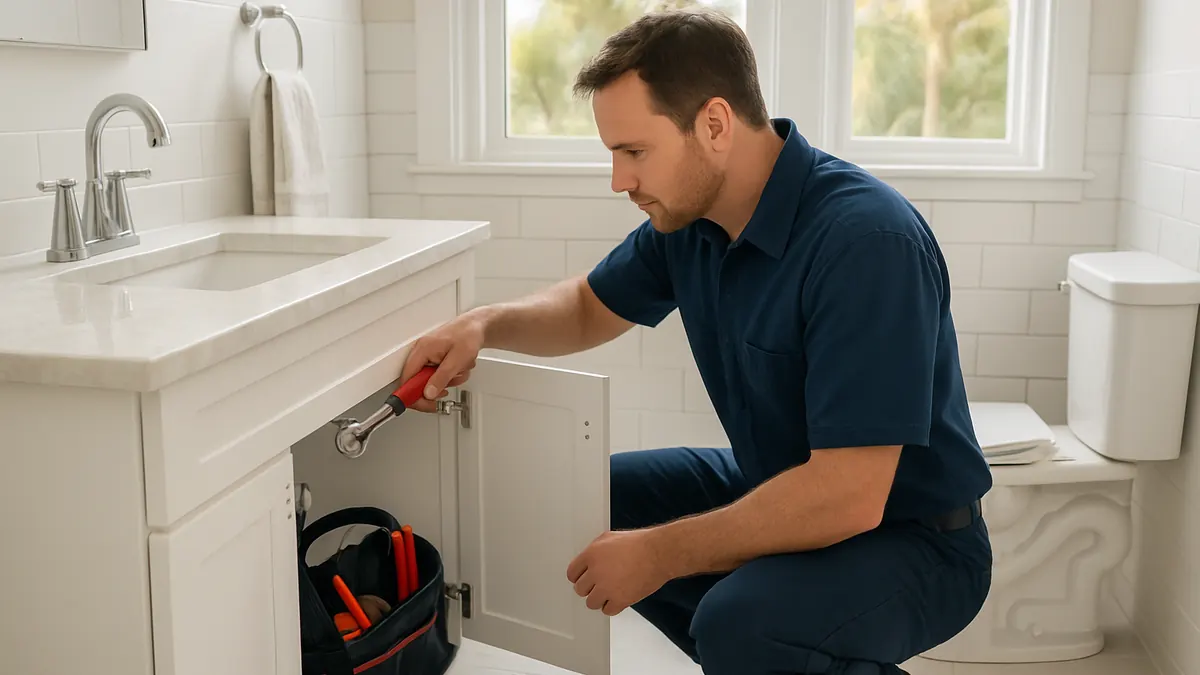
Toilet connectors, faucet supplies, washing-machine hoses, dishwasher connections, and refrigerator lines can leak behind cabinets or appliances. A slow leak may first appear as swollen wood, loose flooring, peeling paint, staining, or a musty odor.
Safe Checks an Owner or Property Manager Can Perform
Determine whether the problem affects one fixture or several. Ask guests what was running when the symptom appeared. Inspect beneath sinks, around toilets, near the water heater, and behind accessible appliances. A dry paper towel wiped around visible connections can reveal a small leak.
- For a running toilet, remove the tank lid and see whether the flapper closes. For a slow shower, remove only visible hair or debris from an accessible strainer.
- A single isolated toilet clog may respond to one careful attempt with a flange plunger. Stop if the bowl rises, another fixture bubbles, or water appears elsewhere.
- For an electric water heater, confirm whether the breaker has tripped. One reset may be reasonable, but if it trips again, leave it off and arrange service.
What the Homeowner Should Not Attempt
- Do not pour repeated chemical drain cleaners into a blocked fixture. They may remain in standing water and create a hazard.
- Do not keep flushing a clogged toilet or operate the dishwasher or washing machine when water is backing up elsewhere.
- Avoid opening water-heater electrical panels, adjusting gas controls, or capping a dripping temperature-and-pressure relief valve.
- Do not force an old shutoff valve that is stuck or tighten toilet bolts aggressively. A corroded valve can break, and porcelain can crack.
Signs That Make the Problem Urgent
The problem is urgent when sewage enters a tub, shower, or floor drain; water flows through a ceiling; a supply line sprays; or the property has no usable toilet.
A leaking water-heater tank, burning odor, sparking, repeated breaker trips, or water near electrical equipment also requires immediate attention. Strong sewer odor combined with gurgling and multiple slow drains can warn of a larger backup.
Keep guests away from wastewater and slippery areas. Shut off water only when it can be done without entering standing water near electrical equipment.
How a Licensed Plumber Diagnoses the Cause
A plumber begins with the sequence of symptoms. Which fixture was used first? Did another drain react? Does the problem occur only during heavy use? These details help identify the affected piping.
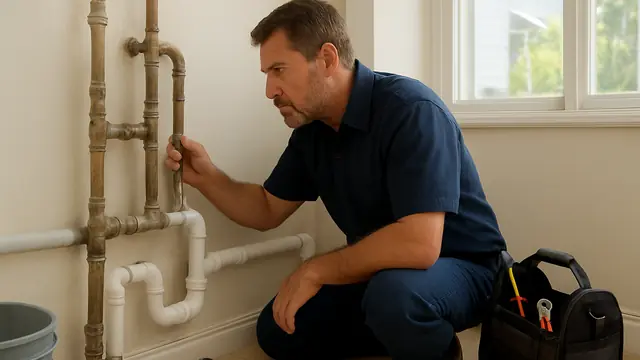
Drain diagnosis may involve fixture testing, access through a cleanout, professional cleaning equipment, and a sewer camera when clogs recur. A camera can reveal buildup, a foreign object, pipe damage, or another restriction.
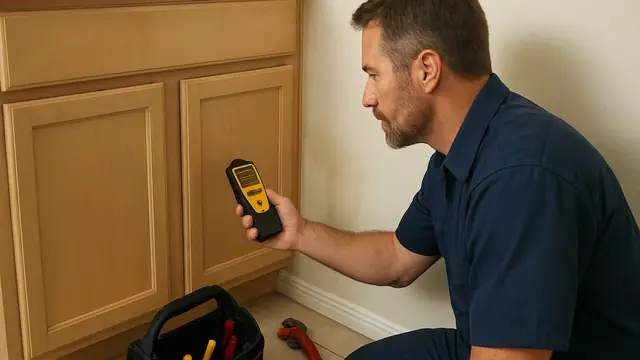
Leak diagnosis may include moisture detection, pressure testing, inspection of valves and connectors, and isolation of fixtures or lines. Water-heater diagnosis can include testing utility supply, heating components, controls, safety devices, and tank condition.
Repair Options Beginning With the Least Invasive
Minor repairs may include replacing a toilet flapper, fill valve, supply connector, faucet cartridge, trap washer, or appliance hose. A local clog may be cleared without removing the fixture.
A deeper blockage may require mechanical drain cleaning. If the problem returns, camera inspection may support a targeted pipe repair rather than replacement of an entire line.
Water-heater repairs can include replacing a thermostat, element, valve, ignition component, or damaged connection. Replacement may be appropriate when the tank leaks or the unit can no longer provide reliable service.
Typical Factors That Affect Cost
Cost depends on the problem's location, access to piping, blockage severity, equipment needed, pipe condition, and water damage. Fixture removal, camera inspection, wall access, cleanup, replacement parts, and after-hours response can also affect the total.
Owners should ask what failed, whether a smaller repair is reasonable, and why any larger repair is recommended.
Prevention and Maintenance Guidance
Include plumbing checks in every turnover. Flush each toilet, run every faucet, verify hot water, observe drain speed, and inspect beneath cabinets and near appliances.
Post clear guest instructions. Explain that only toilet paper should be flushed and that grease, bones, shells, coffee grounds, and fibrous foods should stay out of the disposal.
Use strainers in showers and sinks. Place wastebaskets in bathrooms. Label the main shutoff and fixture valves, and make sure cleaners and managers know how to isolate a leak safely.
Protect the Rental Before the Next Guest Cycle
The most common plumbing problems for vacation rentals in Pretty Bayou are easier to manage when owners respond to the first warning signs. Stop using fixtures that are backing up, isolate active leaks when safe, and arrange professional diagnosis before the next guest cycle places additional demand on the property.
About this guide: This resource provides general homeowner education, not a remote diagnosis. Actual conditions, code requirements, equipment, and safe repair options must be evaluated at the property.