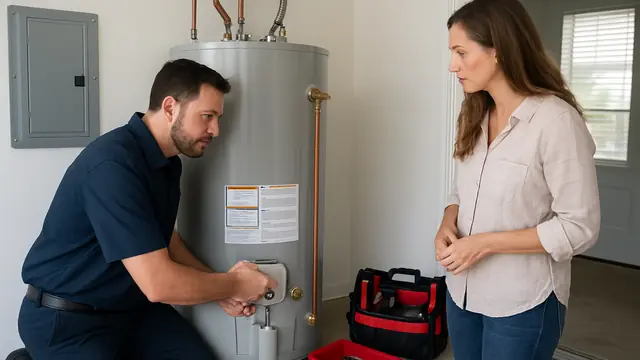
Stop and call for qualified help when plumbing water is near electrical equipment, sewage is entering occupied space, gas or burning odors are present, or a repair would require opening pressurized piping.
A bathroom faucet begins sputtering after it has not been used for a few days. Soon afterward, a shutoff valve starts seeping, and a faint ceiling mark appears below another bathroom. For a Rosemary Beach homeowner, each issue may seem manageable by itself. When pressure changes, discoloration, corrosion, and leaks begin occurring together, they may be signs your home needs repiping.
Repiping replaces some or all of the pressurized pipes carrying hot and cold water to fixtures. It does not involve the drains that carry wastewater away. The correct response may be a small repair, a branch replacement, or a whole-house repipe, depending on what testing reveals.
If water is actively leaking, shut off the closest fixture valve or the main water valve when safe. Keep away from wet electrical areas, remove valuables from the affected space, and arrange professional service. Do not continue using fixtures supplied by a concealed leaking line.
What Symptoms Suggest a Repiping Evaluation?
Leaks Develop Behind Finished Surfaces
A leak behind tile, drywall, a ceiling, or cabinetry can cause damage before it becomes visible. One concealed leak may result from accidental damage or a failed fitting. Multiple concealed leaks in separate areas suggest the condition of the remaining piping should be evaluated.
Flow Changes From One Fixture to Another
One weak faucet may have debris in its aerator or a worn cartridge. If showers, sinks, and other fixtures across the home have gradually lost flow, the cause may be a restriction, valve problem, regulator issue, or undersized pipe.
Corrosion Appears at Several Accessible Points
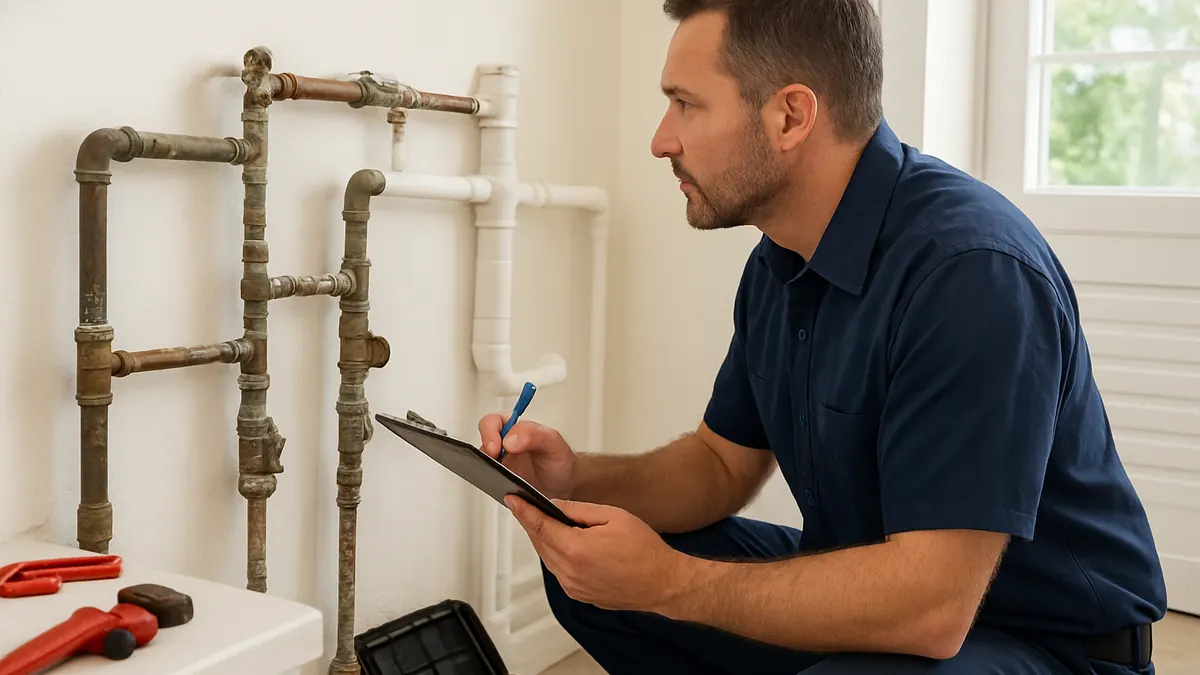
Look at exposed pipe and valves under sinks, near the water heater, and around appliance connections. Rust, pitting, blue-green stains, white crust, damp fittings, or old repair couplings should be noted.
The concern is greater when similar deterioration appears in several places.
Water Discoloration Returns Repeatedly
Discolored water may come from the water heater, incoming supply, one fixture, or corroding metal piping. Test hot and cold water separately and note which fixtures are affected.
Repeated brown, orange, or yellow water combined with poor flow or leaks deserves investigation.
Repairs Are Becoming Frequent
If separate lines, valves, or fittings have failed over time, ask whether the untouched piping is made from the same material and exposed to the same conditions.
Why Water Lines May Need Replacement
Supply pipes are affected by material, pressure, water temperature, installation, fittings, support, damage, and water chemistry. A pipe system should not be judged by age alone.
Metal pipe can develop internal corrosion. Deposits narrow the passage through which water flows, and weakened pipe walls may develop small leaks. Plastic piping avoids rust but can still fail because of poor connections, incorrect fittings, heat, physical damage, or inadequate support.
High water pressure can accelerate wear throughout the plumbing system. It may damage connectors, valves, appliance components, and joints even when the main piping material remains serviceable.
Safe Checks to Make Before the Appointment
Run cold and hot water at several fixtures. Note where the flow is weak, where discoloration appears, and whether pressure falls sharply when another fixture is opened.
Inspect under sinks, around toilets, near the water heater, and beside water-using appliances. Look for corrosion, dampness, swollen cabinet material, stains, or signs of earlier repairs.
- Check ceilings below bathrooms and laundry areas for discoloration or soft drywall. Avoid touching wet surfaces near electricity.
- With all known water use stopped, watch the water meter if it is accessible and safe. Continued movement may suggest a leak, although automatic equipment should be considered.
- Keep photographs, invoices, and dates. These details help a plumber distinguish an isolated incident from a continuing pattern.
What Not to Attempt
- Do not remove tile, cabinetry, ceilings, or large wall sections to search for the pipe. Leak-detection testing can often narrow the area first.
- Do not turn up a pressure regulator to force more flow through restricted piping. Excess pressure can worsen leakage and damage fixture components.
- Do not use chemical drain products for weak supply flow or discolored water. Supply piping and drain piping perform different jobs.
- Avoid permanent reliance on tape, sealant, clamps, or unapproved transitions. Temporary repairs may control an emergency but should not replace a proper evaluation.
When the Problem Is Urgent
Water near lights, outlets, electrical panels, or appliances creates an additional hazard. Shut off the water when safe and avoid the affected electrical area.
A sagging ceiling, expanding stain, burst pipe, sudden whole-home pressure loss, or continuous water sound behind a surface requires prompt attention.
A rapidly moving water meter when fixtures are off can also indicate substantial concealed water use. Several failures within a short period should prompt timely planning even after the immediate leak is stopped.
How a Licensed Plumber Diagnoses Repiping Problems
The plumber reviews repair history, symptoms, pipe material, and affected locations. Exposed lines and connections are inspected for corrosion, damage, poor support, patches, and improper transitions.
Pressure is tested when fixtures are closed and while water is flowing. The comparison can identify excessive pressure, inadequate incoming pressure, or restrictions within the home.
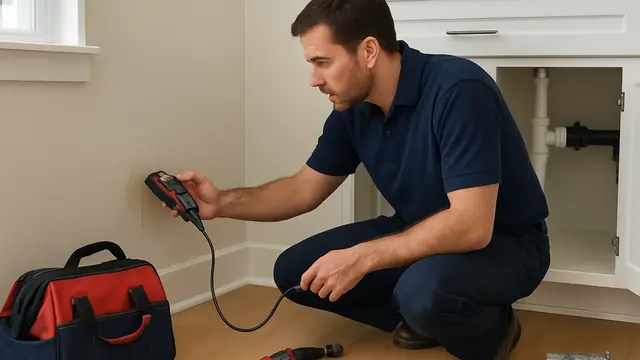
Individual branches may be isolated. Moisture meters, acoustic tools, thermal imaging, or other leak-detection methods may help locate concealed water with limited access openings.
A responsible recommendation explains whether the defect is local, limited to one branch, or present throughout the distribution system.
Repair Options Before Complete Repiping
The least invasive option may be cleaning an aerator, replacing a faucet cartridge, repairing a fixture connector, replacing a shutoff valve, correcting a regulator, or replacing one damaged pipe section.
A branch repipe may be appropriate when one bathroom group, hot-water run, or other defined section is failing. Selective work may be coordinated with remodeling or scheduled access. Whole-house repiping becomes more practical when leaks occur in several areas, flow restrictions affect many fixtures, or repeated repairs are damaging finished surfaces. PEX and copper are common replacement options. Selection depends on approved use, routing, accessibility, and the project's needs.
What Affects Repiping Cost?
Cost is influenced by home size, fixture count, floors, pipe lengths, access, routing, and replacement material.
Detailed finishes, cabinets, tile, and completed ceilings may increase protection and restoration requirements. Permits, inspections, valves, insulation, reconnections, drywall repair, painting, and cleanup may also affect the scope.
Ask for a proposal that explains the work, restoration, shutdowns, and exclusions.
Prevention and Maintenance Guidance
- Know where the main shutoff is and keep it accessible. Replace aging washing-machine hoses, refrigerator lines, toilet connectors, and faucet supply tubes before they rupture.
- Have pressure measured if pipes bang, valves fail repeatedly, or appliance connectors wear out prematurely. Investigate stains, odors, discoloration, and flow changes promptly.
- For a home that is not continuously occupied, monitored leak sensors or an automatic shutoff can reduce the length of time a leak continues unnoticed.
Address the Cause, Not Only the Latest Symptom
The signs your home may need repiping in Rosemary Beach become persuasive when they form a pattern: recurring concealed leaks, deteriorated connections, reduced flow, persistent discoloration, or frequent repairs. A licensed diagnosis can identify whether a targeted repair, partial replacement, phased plan, or complete repipe is appropriate.
About this guide: This resource provides general homeowner education, not a remote diagnosis. Actual conditions, code requirements, equipment, and safe repair options must be evaluated at the property.