Stop and call for qualified help when plumbing water is near electrical equipment, sewage is entering occupied space, gas or burning odors are present, or a repair would require opening pressurized piping.
A property manager enters your Rosemary Beach vacation rental between stays and hears a toilet refilling by itself. The nearby shower drain smells unpleasant, and a damp mark is visible inside the vanity. These symptoms may point to a leaking toilet tank, a restricted drain, or a loose sink connection.
For a clean-water leak, use the fixture shutoff only if it turns easily. Dry the cabinet, remove stored items, and contain a minor drip. Do not keep running fixtures to test a possible backup. Sewage, spreading water, or moisture near electricity requires urgent help.
Why Turnover Inspections Matter in Vacation Rentals
A component may begin leaking late in a stay, while a partial clog may remain hidden during a brief cleaning visit.
A turnover inspection should confirm that toilets stop running, drains empty normally, hot water remains consistent, and cabinets stay dry.
Most Common Plumbing Problems for Vacation Rentals in Rosemary Beach
Toilets That Refill, Leak, or Flush Poorly
A toilet that activates by itself is usually losing tank water into the bowl. A flapper, chain, fill valve, or high water level may be responsible.
Weak flushing can result from low tank water or a partial obstruction. Exterior water may come from the supply, tank hardware, or base seal.
Shower Odors and Slow Bathroom Drains
A drain odor may involve a dry trap, local buildup, or another drainage condition. The trap is the curved pipe that holds water and blocks sewer gases.
Hair and soap can narrow drains. Several gurgling or slow fixtures suggest a broader problem.
Leaks Inside Vanities and Cabinets
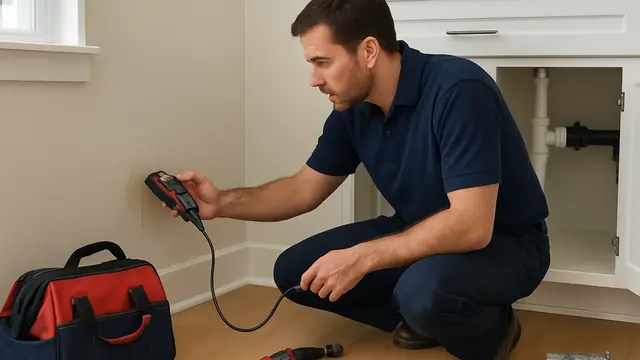
Sink leaks can come from supplies, valves, drain assemblies, traps, or basin seals. Supply leaks may continue with the faucet off; drain leaks may appear only as the basin empties.
Look for swelling, discoloration, corrosion, or a musty smell. The first visible drop may not identify the failed connection.
Kitchen Drain and Disposal Failures
Grease, grounds, starches, and fibrous scraps can block kitchen drains, causing slow drainage, odors, bubbling, or water in an adjoining bowl.
A disposal may hum, remain silent, or leak. Switch it off and leave the opening untouched.
Inconsistent or Missing Hot Water
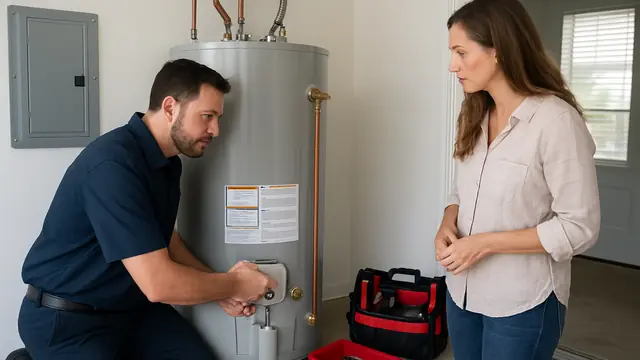
Heavy demand can exhaust hot water, but sudden performance loss may indicate a failed element, thermostat, burner, control, or electrical component.
Recurring breaker trips, unusual sounds, or moisture need evaluation. Leakage may originate from a connection, valve, relief system, or tank.
Leaks From Laundry and Kitchen Appliances
Washer hoses, dishwasher connections, and refrigerator lines may leak only during operation, leaving moisture after the appliance stops.
Safe Checks Before Professional Service
- Ask when the symptom occurs and which fixtures or appliances were operating. This information often helps distinguish a supply leak from a drainage problem.
- For a running toilet, remove the tank lid and observe whether the flapper closes and whether water continues entering the overflow tube. Do not bend or force unfamiliar parts.
- Dry an under-sink area and use a small amount of water while observing accessible connections. Stop the test if water spreads or appears near wiring or an outlet.
For an odor, run a small amount of water into a fixture that has not been used recently. If the odor remains, several drains are affected, or drainage is slow, schedule an inspection rather than masking it with fragrance or chemicals.
What Owners and Managers Should Not Attempt
Do not mix drain cleaners or continue adding chemicals to a blocked fixture. The chemicals may remain trapped and create a hazard when the line is opened.
Do not remove a toilet, dismantle a disposal, open a water heater, adjust gas controls, or alter a temperature-and-pressure relief system. Do not cut into cabinetry, tile, walls, or ceilings before the leak location has been narrowed through testing.
Never force a shutoff valve that is stuck or heavily corroded. If a valve will not operate normally, control the situation through a known main shutoff or professional assistance.
Warning Signs That Require Urgent Attention
Treat sewage entering a shower, tub, sink, or floor drain as urgent. The same applies to an overflowing toilet that cannot be stopped, water flowing through a ceiling, or a leak spreading toward electrical equipment.
Other serious signs include no working toilet in an occupied property, sudden whole-home pressure loss, the sound of running water behind a wall, or a water heater leaking from its tank.
If anyone smells gas, have everyone leave the property and contact the gas utility or emergency services from a safe location. Do not use switches or attempt to locate the source.
How a Licensed Plumber Finds the Cause
Diagnosis begins with the pattern of the complaint. The plumber determines whether the issue occurs continuously, only during fixture use, or only while an appliance fills or drains.
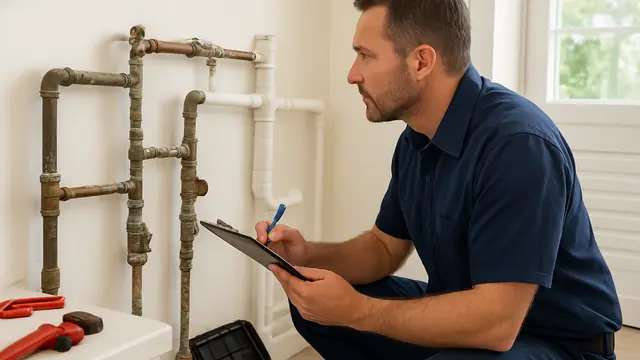
Toilet components, sink connections, traps, appliance hoses, and visible valves can be inspected individually. Drain problems may require mechanical cleaning or a sewer camera when a blockage is recurring or affects multiple fixtures.
Hidden leaks may be investigated with moisture readings, pressure testing, water-meter observation, and fixture isolation. Water-heater diagnosis may include testing the energy source, controls, heating components, safety devices, and tank.
Repair Options Beginning With the Least Invasive
A minor repair may involve adjusting a toilet chain, replacing a flapper, cleaning an aerator, resealing a drain connection, tightening an approved fitting, clearing a fixture trap, or safely resetting a disposal.
The next reasonable option may include replacing a fill valve, supply tube, shutoff valve, appliance hose, faucet cartridge, disposal, or water-heater component. Professional drain cleaning may resolve a blockage without opening finished surfaces.
Limited access may be necessary for concealed piping after testing narrows the location. Full replacement is considered when a tank or fixture is cracked, a component is severely deteriorated, or repeated repairs no longer provide reliable operation.
Factors That Influence Repair Cost
Cost depends on access, diagnostic time, labor, parts, and required equipment. A visible toilet or sink repair is usually more direct than a concealed leak behind finished materials.
The number of affected fixtures, after-hours response, damaged shutoff valves, camera inspection, water removal, and restoration work can also affect the total scope.
Prevention and Maintenance Guidance
Require a plumbing check during every turnover. Flush toilets and confirm that they stop refilling. Run sinks and showers long enough to observe drainage, odors, pressure, and leakage.
Open cabinets, inspect appliance connections, and check the water-heater area. Label the main shutoff and local valves, and give management staff instructions for responding to an active leak.
Provide guests with clear guidance about wipes, grease, food scraps, and disposal use. Repeated odors, slow drains, or toilet problems should be professionally evaluated before they become emergency calls.
Resolve Rosemary Beach Rental Plumbing Problems Before Check-In
The most common plumbing problems for vacation rentals in Rosemary Beach include running toilets, shower odors, slow drains, cabinet leaks, kitchen blockages, appliance-line leaks, and inconsistent hot water. Document when the symptom occurs, stop using affected fixtures, contain clean water when safe, and obtain professional diagnosis before the next reservation begins.
About this guide: This resource provides general homeowner education, not a remote diagnosis. Actual conditions, code requirements, equipment, and safe repair options must be evaluated at the property.