Stop and call for qualified help when plumbing water is near electrical equipment, sewage is entering occupied space, gas or burning odors are present, or a repair would require opening pressurized piping.
Your Seaside vacation rental is nearly ready for the next arrival when the cleaner notices that the downstairs shower is holding water, the nearby toilet gurgles after flushing, and the laundry drain gives off an unpleasant odor. A single slow shower may be a local clog, but interacting fixtures can indicate a restriction in piping they share. The odor may come from stagnant buildup, an unused trap, or the same drainage problem.
Do not run more water simply to test the system. Stop using the affected bathroom and laundry fixtures. If wastewater rises into a shower, tub, or floor drain, limit water use throughout the property and contact a licensed plumber. For a small clean-water leak, close an accessible fixture valve only when it turns normally.
Why a Small Rental Plumbing Symptom Deserves Attention
Plumbing problems often begin with a slow drain, occasional gurgle, weak flush, or faint odor. A brief turnover visit may not reproduce the demand of a fully occupied home. Addressing the first symptom is usually less disruptive than responding after check-in.
Most Common Plumbing Problems for Vacation Rentals in Seaside
Multiple Slow Drains and Gurgling Fixtures
One slow drain may have a nearby obstruction. When several fixtures interact, the restriction may be in shared piping. Gurgling occurs when air and water cannot move normally; a toilet may bubble as another fixture drains, or water may rise in a shower when the washer discharges.
Shower and Tub Clogs
Hair, soap residue, and personal-care products narrow shower and tub drains. Removing visible hair may help a shallow restriction, but repeated slow drainage suggests buildup remains deeper in the trap or line.
Toilets That Clog, Run, or Flush Weakly
Excessive paper, wipes, hygiene products, and foreign objects can block a toilet. A weak flush may also result from low tank water, an improperly operating flapper, or a partial obstruction.
A toilet that refills without being used is usually losing tank water into the bowl. The cause may be a worn flapper, chain interference, incorrect water level, or a failing fill valve.
Drain Odors in Bathrooms and Laundry Areas
A drain trap holds water that blocks sewer gases. Odor may develop if the trap dries out, buildup collects, or a drainage problem affects the fixture. Running water may restore a dry trap, but returning odor, gurgling, or multiple affected drains need evaluation.
Kitchen Sink and Disposal Backups
Grease, food scraps, coffee grounds, starches, and fibrous waste can accumulate in kitchen piping. The sink may drain slowly, smell unpleasant, or back up into the second bowl.
A disposal can jam, trip, leak, or fail. A humming unit should be switched off. Never place a hand or utensil inside the opening.
Water-Heater Performance Problems
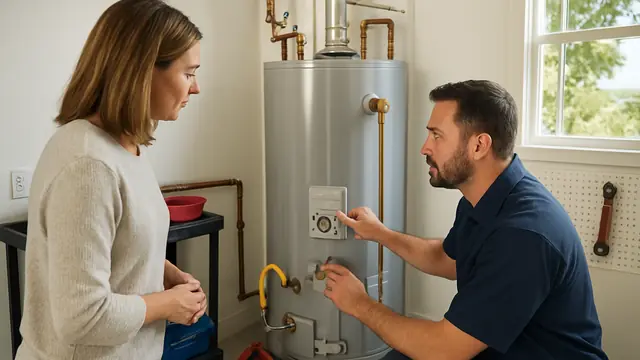
Hot water may recover slowly or run out after several showers. Heavy use can exceed recovery capacity, while a failed element, thermostat, burner, control, or electrical part can create similar symptoms. Moisture, unusual sounds, corrosion, or repeated breaker trips need evaluation.
Safe Checks Before the Plumber Arrives
Identify which fixtures are involved and what happened immediately before the symptom. Remove only visible hair from a slow shower drain. For a running toilet, check whether the flapper closes and whether water enters the overflow tube.
If odor is the only symptom, run a small amount of water into a seldom-used fixture. Stop if drainage is slow or water appears elsewhere. Check a labeled water-heater breaker once and leave it off if it trips again. Photograph the problem.
What the Homeowner or Cleaner Should Not Attempt
Do not combine drain cleaners or keep pouring chemicals into a line that remains blocked. Chemicals may sit in the trap or standing water and create a hazard during professional cleaning.
Do not remove a toilet, open a water heater, adjust gas controls, dismantle a disposal, or cut into walls or floors. Never cap a water-heater relief pipe or force a shutoff valve that will not turn with normal hand pressure.
Do not continue using another fixture merely because it is located in a different room. When drains interact, additional water may return through the lowest opening.
Signs the Problem Has Become Urgent
Sewage entering a shower, tub, sink, or floor drain requires prompt service. Stop water use when several fixtures are backing up or a toilet cannot be kept from overflowing.
Other urgent signs include water moving through a ceiling, standing water near electrical equipment, a rapidly spreading supply leak, no usable toilet in an occupied rental, or a water heater leaking from its tank.
A strong gas odor requires everyone to leave the property and contact the gas utility or emergency services from a safe location. Do not operate switches or try to find the source.
How a Licensed Plumber Diagnoses the Problem
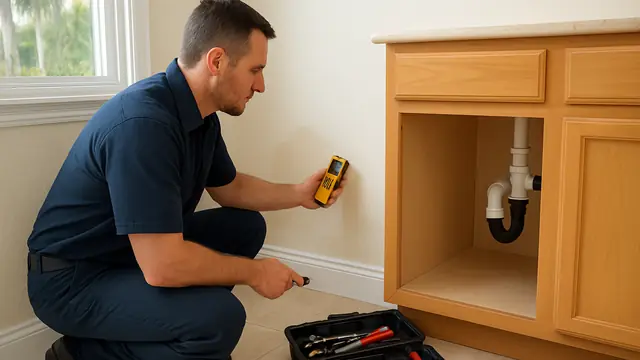
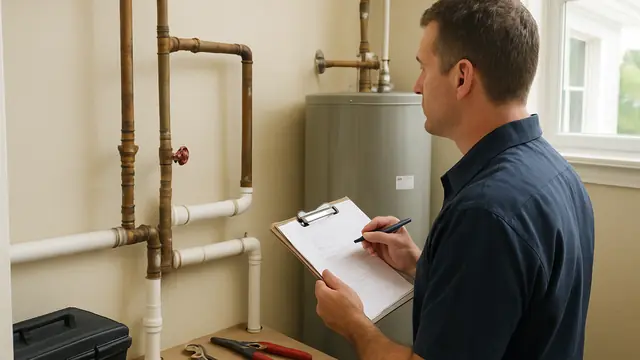
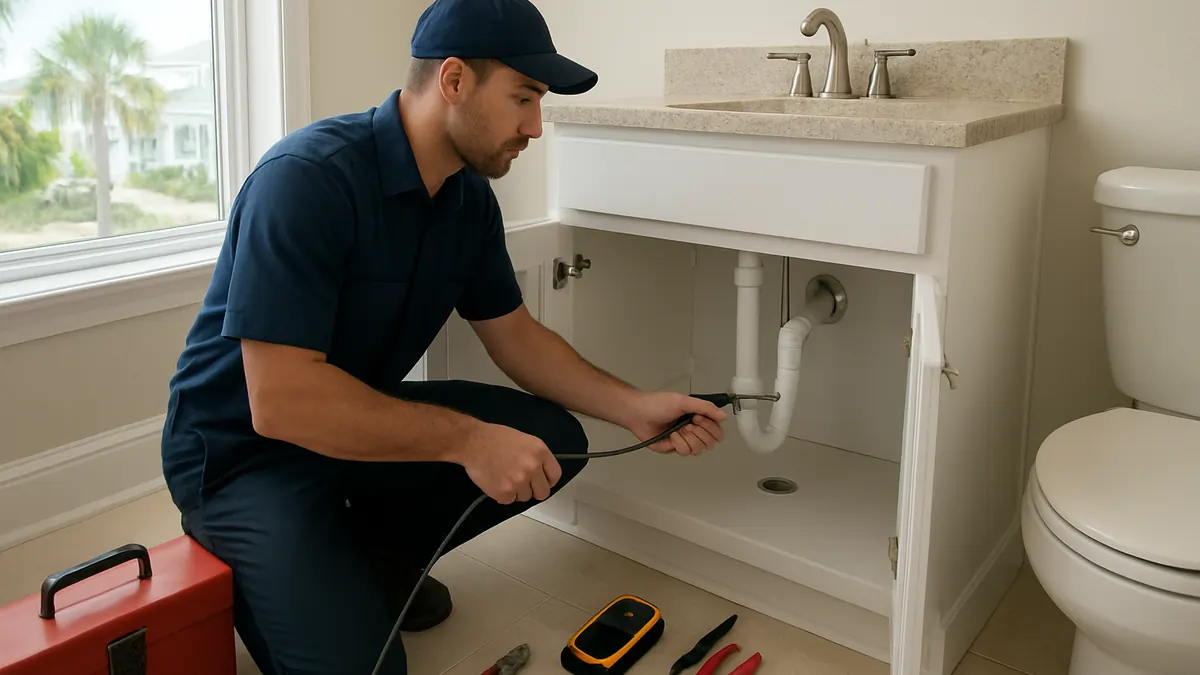
The plumber maps shared piping and observes the system during controlled use. Diagnosis may include mechanical drain cleaning, sewer-camera inspection, toilet-part and flushing tests, base inspection, and testing the water heater's energy source, controls, heating components, safety devices, and tank.
Repair Options Starting With the Least Invasive
The least invasive solution may be removing accessible buildup, clearing a trap, adjusting a toilet chain, replacing a flapper, cleaning an aerator, or restoring water to a dry trap.
More involved repairs may include replacing a fill valve, resetting a toilet, cleaning a branch drain, repairing a fixture connection, replacing a disposal, or servicing a water-heater component.
Limited access may be needed to repair concealed piping after testing identifies the location. Replacement is considered when a fixture is cracked, a tank is leaking, or repeated repairs no longer produce reliable operation.
Factors That Affect Plumbing Repair Cost
Cost depends on the number of affected fixtures, obstruction location, accessibility, diagnosis time, parts, labor, and equipment. A shallow fixture clog is usually more direct than a recurring blockage in shared piping.
Camera inspection, difficult access, damaged valves, after-hours response, sewage cleanup, water removal, and restoration can increase the work required.
Prevention and Maintenance for Seaside Vacation Rentals
During turnover, run showers long enough to confirm drainage, flush toilets, listen for refilling, test the kitchen sink and disposal, and inspect the laundry area. Provide wastebaskets and guest guidance about wipes, grease, and disposal waste. Label shutoff valves and require cleaners to report gurgling, odor, slow drainage, movement, or moisture.
Take the Next Step When Seaside Rental Plumbing Acts Differently
The most common plumbing problems for vacation rentals in Seaside include interacting drain clogs, gurgling toilets, shower restrictions, drain odors, kitchen backups, and hot-water complaints. Stop adding water when fixtures affect one another, perform only safe surface checks, and arrange professional diagnosis before the next group places the system under heavier demand.
About this guide: This resource provides general homeowner education, not a remote diagnosis. Actual conditions, code requirements, equipment, and safe repair options must be evaluated at the property.