Stop and call for qualified help when plumbing water is near electrical equipment, sewage is entering occupied space, gas or burning odors are present, or a repair would require opening pressurized piping.
A guest reports that the bathroom smells like sewer gas after the property sat vacant for several days. When they run the sink, the odor improves, but the toilet begins gurgling later that evening. A dry drain trap may explain an odor that disappears after water is added, but gurgling can indicate a developing drain restriction. The safest response is to limit water use and watch for rising water in the lowest shower, tub, or floor drain. If wastewater appears, stop all plumbing use and arrange immediate service.
Guest descriptions can be vague, so ask when the symptom occurs, which fixtures are affected, and whether water is visible.
Most Common Plumbing Problems for Vacation Rentals in Springfield
Sewer Odors and Dry Drain Traps
Every sink, shower, tub, and floor drain has a trap, which is the curved section of piping that holds water. That water forms a barrier against sewer gas. When a fixture is unused long enough, the trap can dry out and allow odor into the room.
Adding water may restore a dry trap. However, odor that continues, returns quickly, or occurs with gurgling and slow drainage may point to a loose toilet seal, venting problem, leaking drain connection, or blockage. Persistent sewer odor should not be covered with fragrance and ignored.
Toilets That Run or Refill by Themselves
A guest may hear a toilet refill even though no one has flushed it. Water may be leaking past the flapper into the bowl, causing the fill valve to replace it. Other causes include a damaged fill valve, incorrect tank level, or a problem with the flush mechanism.
Water on the floor may come from the supply line, tank hardware, condensation, base seal, or a crack.
Recurring Toilet and Drain Clogs
Excess toilet paper, wipes, hygiene products, food waste, grease, hair, and soap residue are frequent causes of rental drain problems. A clog in one fixture may be local. Several fixtures reacting together usually means the restriction is in shared piping.
A toilet that bubbles when the washing machine drains may indicate restricted shared piping.
Hot-Water Loss or Inconsistent Temperature
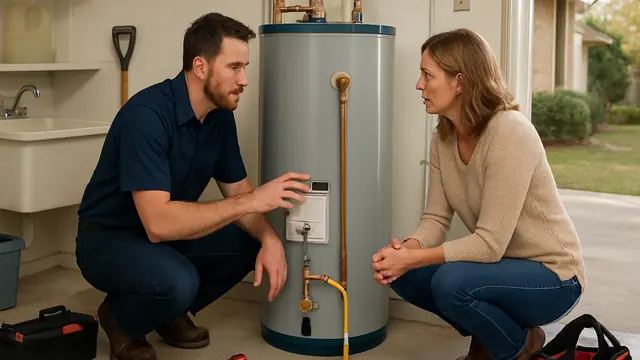
Guests may use showers, laundry, and kitchen hot water close together. Heavy demand can temporarily exceed the heater's recovery rate. A sudden change may indicate a failed heating element, thermostat problem, ignition component, control, or another equipment problem.
The source may be a fitting or valve that can be repaired, or it may be the tank itself. A leaking tank generally requires replacement.
Faucet, Sink, and Appliance Leaks
Leaks commonly develop at faucet supplies, shutoff valves, drain traps, toilet connectors, washing-machine hoses, dishwasher connections, and refrigerator lines. A hidden leak may be discovered through cabinet swelling, damaged trim, loose flooring, stains, or odor.
Garbage-Disposal Misuse
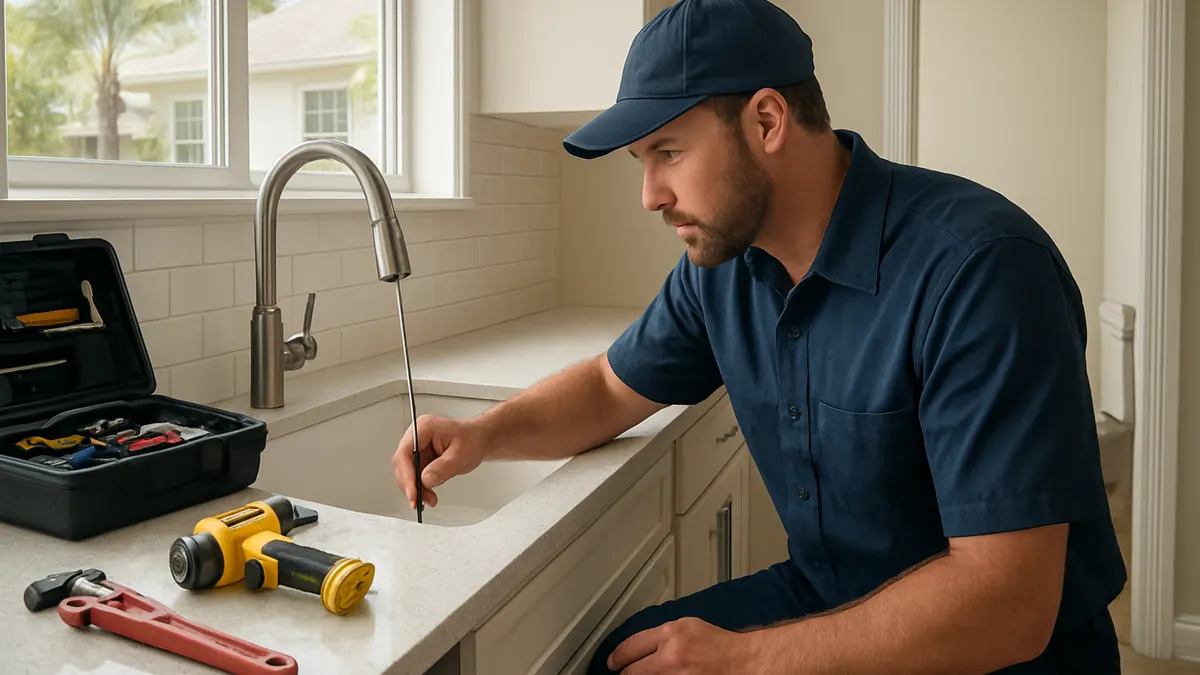
A disposal can jam when guests insert bones, shells, fibrous foods, utensils, or too much waste at once. Grease and coffee grounds can collect farther down the kitchen drain even when the disposal continues to run.
Safe Checks the Homeowner Can Perform
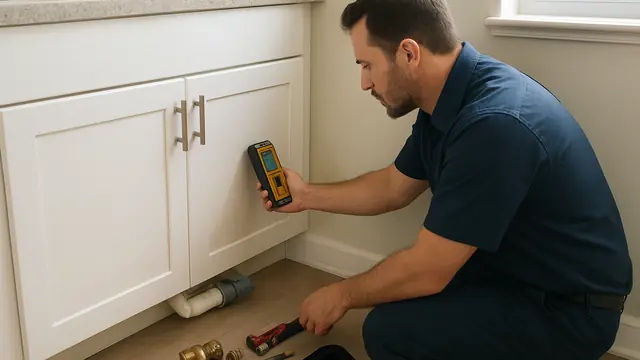
Begin with a visual inspection. Look under sinks, around toilets, near the water heater, and behind appliances that can be viewed without moving them unsafely. Use a dry paper towel around visible fittings to detect moisture.
Add water to an infrequently used drain when a dry trap is suspected.
For a running toilet, remove the tank lid and observe whether the flapper closes and the fill valve stops. For an isolated toilet clog, one careful attempt with a flange plunger may be reasonable. Stop if the bowl rises or another drain reacts.
Check whether the water heater has utility service. Do not repeatedly reset a breaker or relight equipment that will not remain operating.
What the Homeowner Should Not Attempt
- Do not mix drain chemicals, bleach, or other cleaners. Mixed products can create dangerous fumes, and chemicals may remain in the blocked line.
- Do not continue flushing or running appliances to see whether a shared blockage clears itself. Additional water can produce a sewage overflow.
- Avoid removing a toilet, opening a cleanout, or dismantling concealed piping in an occupied rental unless you are trained and prepared to contain wastewater.
- Do not open water-heater electrical panels, alter gas controls, or block a temperature-and-pressure relief valve. Never reach into a disposal, even when the wall switch is off.
Signs That Make the Problem Urgent
Treat sewage entering the property as urgent. Stop water use, keep guests away, and arrange professional service. An uncontrolled supply-line leak, water flowing through a ceiling, or loss of all usable toilets also needs immediate attention.
A water heater should remain off when the tank is leaking, the breaker repeatedly trips, or there is sparking, a burning odor, or another electrical concern. Strong sewer odor that causes discomfort or occurs with multiple slow drains should be evaluated promptly.
How a Licensed Plumber Diagnoses the Problem
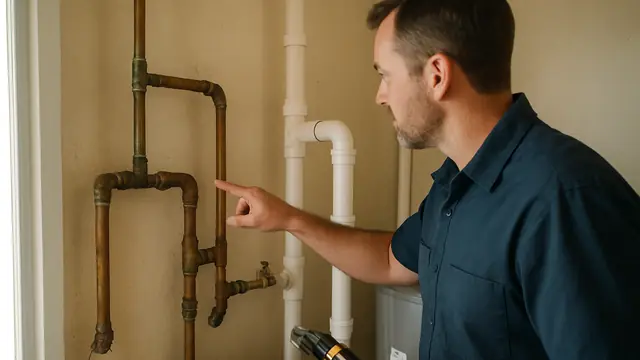
A plumber uses the symptom pattern to determine whether the issue is connected to a fixture, branch line, main drain, supply system, or water heater.
Professional drain-cleaning equipment can remove an obstruction through the appropriate access point. A sewer camera may be used when backups recur.
For leaks, the plumber may inspect seals and connections, take moisture readings, perform pressure testing, and isolate individual lines. Water-heater diagnosis may include testing power or gas supply, heating components, controls, safety devices, temperature, and tank condition.
Repair Options From the Least Invasive Upward
A dry trap may need only water and confirmation that the fixture is used periodically. A running toilet may require a flapper, fill valve, or adjustment. Faucet cartridges, supply connectors, drain seals, and appliance hoses can often be replaced without opening walls.
A local clog may be cleared with professional equipment. A recurring blockage may require more thorough cleaning or a camera inspection. If one section of piping is damaged, targeted repair may be possible instead of replacing an entire line.
Water-heater repairs may involve a thermostat, element, valve, ignition component, or connection. Replacement is more likely when the tank leaks or the equipment cannot be restored to dependable operation.
Factors That Affect Plumbing Repair Cost
Cost depends on access, the location and severity of the problem, the diagnostic equipment required, material type, and the condition of surrounding components. Fixture removal, concealed piping, cleanup, camera inspection, replacement parts, and emergency scheduling can increase the scope.
Prevention and Maintenance for Rental Properties
- Run water in every fixture during turnovers, including seldom-used sinks, tubs, and floor drains. Flush toilets and wait to confirm that they stop filling.
- Inspect beneath cabinets, around toilet bases, and near appliance and water-heater connections. Replace connectors that show cracking, swelling, corrosion, or leakage.
- Provide guests with simple instructions about flushing, disposal use, and immediate leak reporting. Label the main shutoff and fixture valves so a manager can stop water quickly.
Resolve the Cause Instead of Masking the Symptom
The most common plumbing problems for vacation rentals in Springfield can begin with an odor, unusual sound, slow drain, or small leak. Identify which fixtures are involved, stop water use when drains back up, and arrange licensed diagnosis when a symptom persists or affects more than one part of the system.
About this guide: This resource provides general homeowner education, not a remote diagnosis. Actual conditions, code requirements, equipment, and safe repair options must be evaluated at the property.