Stop and call for qualified help when plumbing water is near electrical equipment, sewage is entering occupied space, gas or burning odors are present, or a repair would require opening pressurized piping.
A homeowner, landlord, or property manager in Upper Grand Lagoon may first suspect a hidden plumbing leak after finding a damp bathroom wall, a water meter that moves during an unoccupied period, or a room that smells musty when the door has been closed. The leak may be inside a wall, beneath flooring, behind a fixture, or at an appliance connection. Stop using the plumbing nearest the symptom, move belongings out of the wet area, and see whether moisture continues to appear. If active water is spreading and cannot be isolated at a fixture, shut off the main water supply when it is safe.
Why Hidden Plumbing Leaks Can Be Intermittent
A pressurized supply line may leak constantly. A drain line usually leaks only when water passes through it. Toilet seals, shower connections, appliance hoses, and valves may leak only during use or under certain operating conditions.
Other moisture sources can look similar, so the cause should be tested instead of assumed.
Seven Warning Signs of a Hidden Plumbing Leak in Upper Grand Lagoon
1. The Water Meter Moves During an Unoccupied or No-Use Period
Turn off faucets, irrigation, appliances, ice makers, and water-treatment equipment. Confirm that toilets have stopped filling. Record the meter reading and avoid using any water for 20 to 30 minutes.
Toilets and automatic equipment should be ruled out first. Continued movement after they are isolated makes a concealed supply leak more likely.
2. A Closed Room Develops a Strong Musty Odor
A damp smell may become more obvious when a bathroom, closet, or bedroom has been closed. Wet drywall, insulation, cabinet material, flooring underlayment, or carpet padding can hold moisture beneath the surface.
If the odor returns after ventilation, inspect nearby plumbing spaces and note whether fixture use makes it stronger.
3. Paint, Baseboards, or Cabinet Materials Begin to Swell
Moisture behind finished surfaces may cause paint to bubble, drywall to soften, trim to separate, cabinet panels to swell, or doors to stick. The bottom edge of a vanity or baseboard may change before water becomes visible on the floor.
Use a dry paper towel around accessible fittings, but do not dismantle cabinetry because moisture may have traveled.
4. Flooring Changes Between Property Checks
A hidden leak may cause laminate seams to rise, vinyl to loosen, wood to cup, carpet padding to feel damp, or tile to become loose.
A warm patch may indicate hot water beneath the floor, although other heat sources can cause warmth. Meter movement or water sounds make it more significant.
5. You Hear Water With Every Fixture Off
A faint hiss, drip, spray, or rushing sound may be noticeable when the property is quiet. Listen near toilets, vanities, the kitchen, laundry connections, the water heater, and walls where plumbing enters.
A toilet may run silently from the tank into the bowl. Add food coloring to the tank and wait without flushing. If color enters the bowl, the toilet is leaking internally. If the sound remains after fixtures are isolated, a hidden pressurized line may need testing.
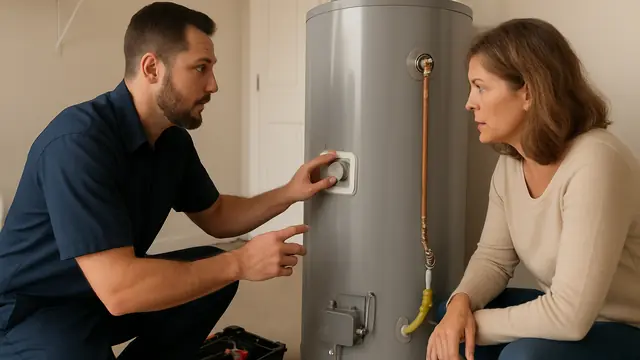
6. The Water Heater Operates More Often or Hot Water Runs Out
A concealed hot-water leak can cause the heater to cycle frequently because heated water is leaving the system. Occupants may report that hot water does not last as long as it once did.
The water heater itself may also have a leaking valve, connection, relief line, or tank. Inspect only visible areas and avoid removing service panels. Water near electrical or gas components requires professional attention.
7. Water Pressure Drops at Several Fixtures
A significant supply leak may reduce pressure throughout part or all of the property. Showers may weaken, tubs may fill slowly, or faucets may lose flow when another fixture operates.
Aerators, valves, regulators, or utility conditions can also reduce pressure. Note which fixtures and temperatures are affected.
Safe Checks Before Professional Service
Inspect under sinks, around toilet bases, behind accessible appliances, near the water heater, and around visible shutoff valves.
Take photographs, record when symptoms appear, and mark stain edges to track growth.
If an active leak is causing damage, close the nearest fixture valve or the main shutoff when safely accessible. Do not enter standing water near electrical outlets, appliances, light fixtures, or the electrical panel.
What You Should Not Attempt
Do not cut drywall, drill into a wall, remove tile, or pull up flooring because a stain or sound suggests a nearby leak. Water may have traveled from another location, and hidden wiring or plumbing may be damaged.
Do not use chemical drain cleaner. It cannot repair a broken pipe or failed joint.
Avoid forcing corroded valves or overtightening old fittings. Do not rely on tape, caulk, or surface epoxy as a permanent repair for a pressurized leak.
When the Leak Is Urgent
Seek immediate service when water spreads, a ceiling bulges, flooring lifts, drywall softens, or cabinets separate. Keep people away from a sagging ceiling.
Moisture near electrical equipment requires immediate caution. Continuous meter movement, sudden pressure loss, repeated water-heater operation, or an active leak in a vacant property also deserves prompt attention.
How a Licensed Plumber Locates the Leak
A plumber determines whether moisture follows supply water, hot water, drainage, or no-use periods.
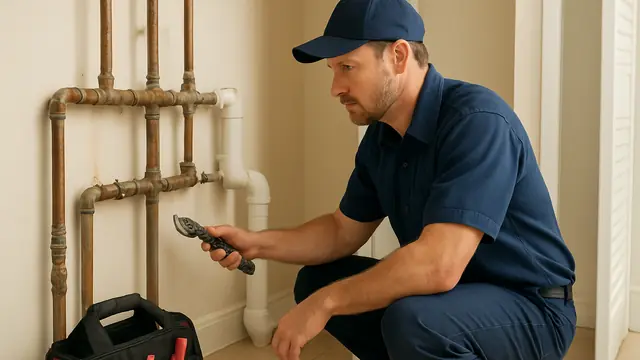
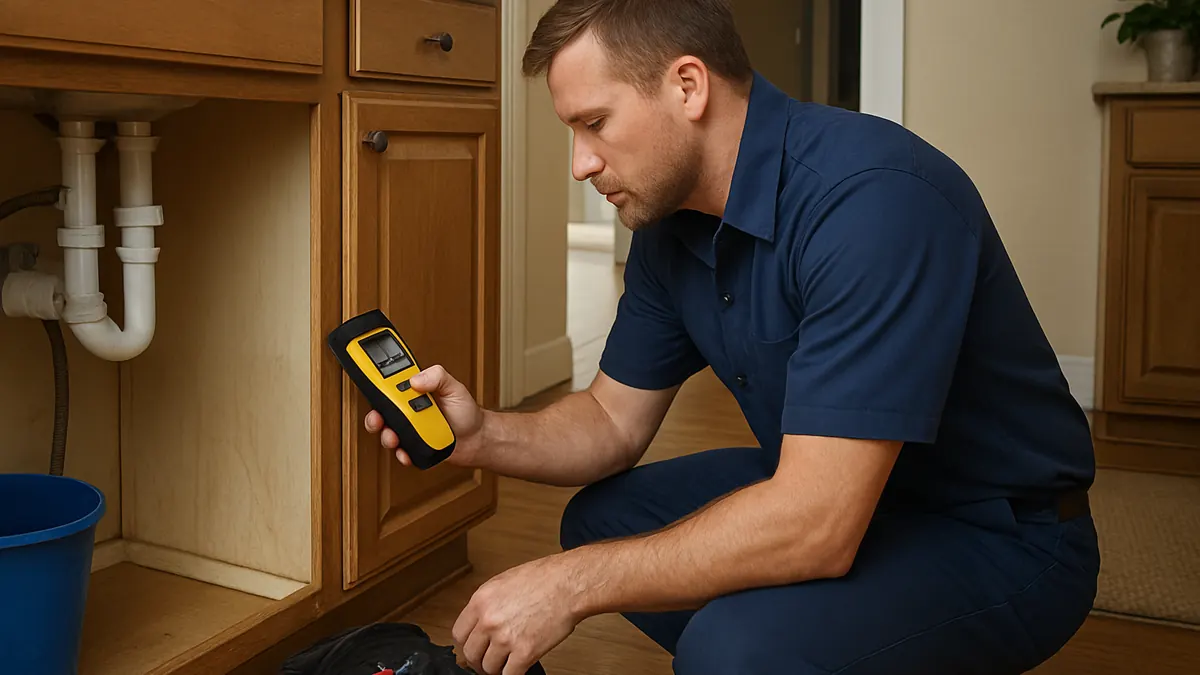
Testing may include meter observation, pressure readings, toilet checks, fixture isolation, and inspection of accessible connections. Moisture meters help map wet materials. Thermal imaging may reveal temperature differences caused by hot water or evaporation. Acoustic equipment can help locate pressurized leaks, and a drain camera may be appropriate when symptoms occur after drainage. These methods reduce unnecessary demolition.
Repair Options From Least Invasive to More Extensive
A leaking faucet connector, appliance hose, valve, trap, toilet seal, or water-heater fitting may need only component replacement. A failed joint or short damaged pipe section may be repaired through a limited opening.
If a pipe beneath flooring or concrete is difficult to access, rerouting may avoid opening a larger finished area. A longer branch may be replaced when damage extends beyond one point. Partial or whole-home repiping may be considered when leaks repeat or the piping system shows widespread deterioration. Drying and restoration may be required after the leak is stopped.
Typical Factors Affecting Cost
Cost depends on the leak location, pipe material, accessibility, diagnostic complexity, repair method, and amount of property damage. An exposed connector is less complex than a pipe beneath concrete, tile, or built-in cabinetry.
Emergency timing, fixture removal, rerouting, drying, restoration, and multiple failures can affect the final scope.
Prevention for Occupied and Occasionally Vacant Properties
Inspect sink cabinets, toilet connections, appliance hoses, and the water heater before and after extended absences. Replace connectors that are cracked, swollen, corroded, or damp. Keep the main shutoff accessible and clearly labeled.
Monitor bills and meter readings, have excessive pressure evaluated, and arrange regular visual checks when the property is not continuously occupied.
Homeowner FAQs
Can a hidden leak continue while the property is empty?
Yes. A supply leak may run continuously until the main water is shut off or the damaged section is repaired.
Can a drain leak occur without moving the meter afterward?
Yes. The water has already passed through the meter before it leaks from the drain, so a later no-use test may look normal.
Why does the odor become stronger when the room is closed?
Closed rooms trap odors, making moisture-related smells easier to notice when ventilation is limited.
Can leak-detection tools prevent all wall or floor openings?
Not always, but they can narrow the likely location and help the plumber choose a smaller, more accurate access point.
Should the water be shut off between visits?
If a leak is suspected, shut it off when safe and arrange service. Routine shutoff decisions depend on the property and equipment that require water.
Protect the Property Before the Next Visit
Seven warning signs of a hidden plumbing leak in Upper Grand Lagoon include unexplained meter movement, musty closed rooms, swollen finishes, flooring changes, water sounds, hot-water problems, and pressure loss. Limit fixture use, document the evidence, shut off active supply water when safe, and arrange a licensed diagnosis before leaving the property unattended.
About this guide: This resource provides general homeowner education, not a remote diagnosis. Actual conditions, code requirements, equipment, and safe repair options must be evaluated at the property.