Stop and call for qualified help when plumbing water is near electrical equipment, sewage is entering occupied space, gas or burning odors are present, or a repair would require opening pressurized piping.
A guest opens the refrigerator in your WaterColor vacation rental and finds water along the cabinet toe kick. At nearly the same time, someone reports that an upstairs toilet is rocking and the shower below is draining slowly. The visible water may come from the refrigerator supply, dishwasher, sink plumbing, or another concealed connection. The toilet and shower may be separate issues, or they may indicate drainage and sealing problems that deserve attention before more water is used.
Ask guests to stop using the affected appliance and bathroom. If a visible clean-water connection is leaking, close its shutoff valve only if the valve turns easily. Move belongings away from wet cabinetry and keep everyone away from water near outlets or appliance cords. If wastewater appears, a ceiling begins staining, or the leak cannot be controlled, call a licensed plumber promptly.
Why Vacation Rentals Need a Broader Plumbing Check
Water may appear away from its source, and several symptoms can develop during concentrated guest use. Careful diagnosis separates unrelated fixture repairs from one problem affecting shared piping.
Most Common Plumbing Problems for Vacation Rentals in WaterColor
Refrigerator, Dishwasher, and Under-Sink Leaks
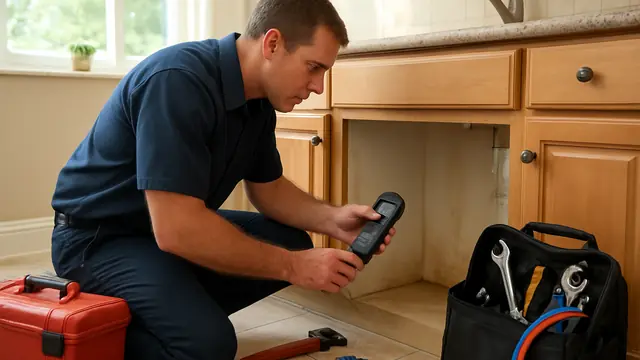
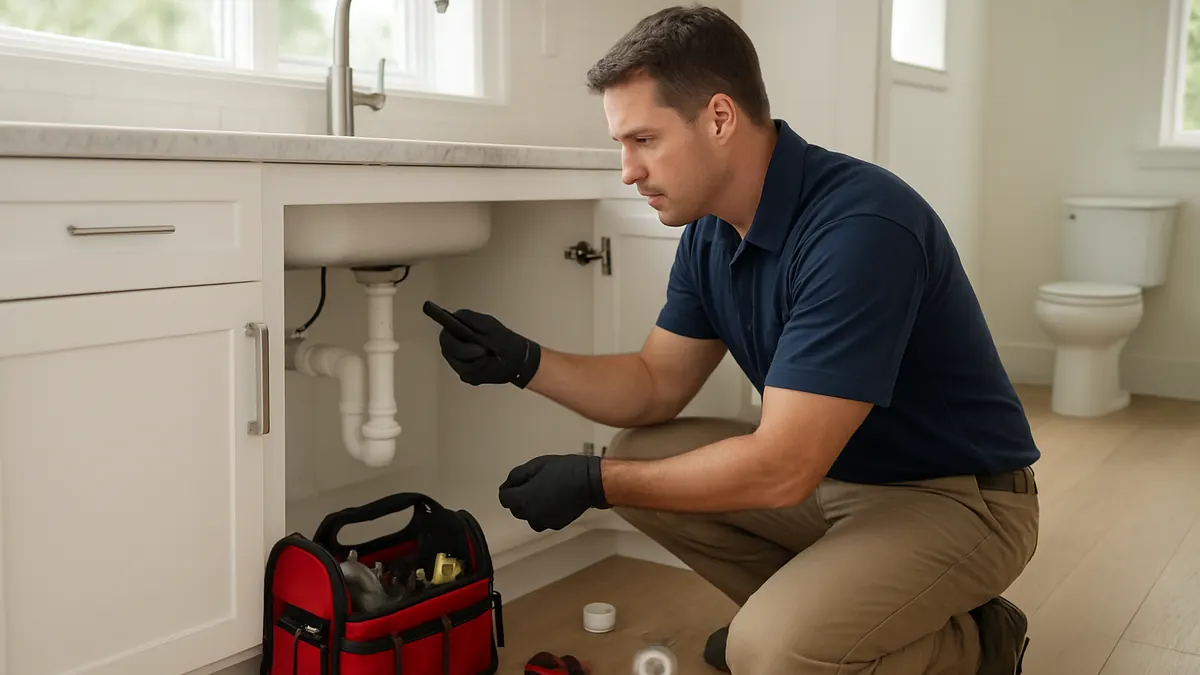
Refrigerator lines, dishwasher hoses, faucet connections, valves, disposals, and sink traps can release water. Some leaks continue under pressure; others occur only when an appliance fills or drains. Swelling, discoloration, corrosion, or a musty odor can indicate hidden moisture beneath cabinetry.
Rocking or Leaking Toilets
A toilet should not move. Rocking may involve loose hardware, an uneven base, mounting damage, or a failed seal. Leakage can also come from the supply tube, valve, tank bolts, or tank connection. Dry and trace water around the base rather than covering it with caulk.
Slow Showers and Bathroom Sinks
Hair, soap, and personal-care residue restrict bathroom drains. One slow fixture often points to a nearby clog. Interacting or simultaneously slow fixtures may indicate a blockage in shared piping.
Running Toilets and Weak Flushing
A self-refilling toilet may have a worn flapper, chain interference, incorrect water level, or fill-valve problem. Weak flushing can result from low tank water, poor flapper operation, or a partial obstruction.
Kitchen Drain and Garbage Disposal Problems
Grease, coffee grounds, starchy food, fibrous scraps, and other waste can build up inside kitchen piping. Symptoms include slow drainage, gurgling, odor, or water backing into another sink bowl.
A disposal may hum, trip, remain silent, or leak at its mounting and drain connections. Turn it off before inspection and never reach inside.
Hot-Water Interruptions
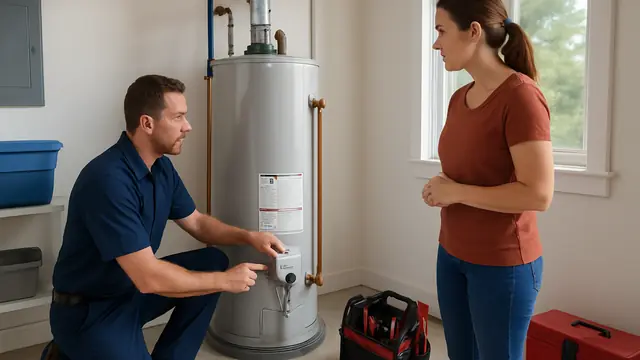
Guests may use hot water faster than the system recovers, but sudden capacity loss can also result from a failed element, thermostat, burner, control, or electrical part. No hot water, breaker trips, unusual sounds, or moisture around the heater need evaluation.
Safe Checks the Owner or Property Manager Can Perform
Ask when kitchen water appeared and which appliance or fixture was operating. Do not restart a leaking appliance when water could reach electricity. Dry accessible surfaces, observe visible connections, contain a minor drip, and close a valve only if it turns normally.
Stop using a rocking toilet. For a running toilet, check whether the flapper closes and whether water enters the overflow tube. Remove only visible drain debris. Check a labeled water-heater breaker once and leave it off if it trips again.
What the Homeowner Should Not Attempt
Do not move appliances across wet flooring or reach behind energized equipment while standing in water. Avoid chemical drain cleaners and never mix products. Do not remove a toilet, dismantle a disposal, open a water heater, adjust gas controls, cap a relief pipe, or cut into finished surfaces based only on where water appears. Never force a corroded valve.
Signs That Make the Problem Urgent
Water near an outlet, appliance connection, electrical panel, or light fixture requires immediate caution. Keep people out of the wet area and obtain professional help.
Sewage entering a shower, tub, sink, or floor drain is urgent. So are an uncontrollable toilet overflow, a rapidly spreading supply leak, a bulging ceiling, water passing between floors, or no usable toilet in an occupied rental.
A water heater leaking from its tank, a sudden pressure loss with running-water sounds, or a strong gas odor also requires prompt action. If gas is suspected, leave the property and contact the gas utility or emergency services from a safe location.
How a Licensed Plumber Diagnoses the Source
The plumber uses timing to separate supply leaks from drain leaks. Diagnosis may include testing appliance hoses, valves, toilet seals, tank parts, and sink plumbing; taking moisture readings; performing mechanical drain cleaning or sewer-camera inspection; and testing the water heater's energy supply, controls, components, safety devices, and tank.
Repair Options Beginning With the Least Invasive
The least invasive repair may be tightening an approved connection, replacing a supply tube, resealing a drain joint, replacing a flapper, clearing a trap, or safely resetting a disposal. More involved work may include a new appliance valve, hose, faucet cartridge, toilet seal, disposal, shutoff valve, water-heater component, or professional branch-drain cleaning.
Limited access may be opened after testing identifies concealed damage. Replacement is considered for a cracked fixture, leaking tank, or repeatedly failing component.
Factors That Affect Plumbing Repair Cost
Cost depends on access, diagnostic time, labor, parts, and equipment. Concealed leaks require more work than visible hoses or traps. Moving appliances, damaged valves, multiple affected fixtures, camera inspection, water removal, restoration, and after-hours service can increase the scope.
Prevention and Maintenance for WaterColor Vacation Rentals
During turnover, inspect appliance connections and cabinets for moisture, corrosion, staining, or swelling. Flush toilets, confirm they remain stable and stop refilling, run showers long enough to observe drainage, and test hot-water performance. Label shutoff valves, give cleaners a leak-response process, provide guest guidance, and professionally evaluate recurring symptoms.
Protect the Rental Before WaterColor Plumbing Problems Spread
The most common plumbing problems for vacation rentals in WaterColor include appliance and cabinet leaks, rocking toilets, slow bathroom drains, kitchen backups, running toilets, and hot-water interruptions. Stop using affected fixtures or appliances, control clean water when safe, keep guests away from wet electrical areas, and arrange professional diagnosis before the damage expands or the next stay begins.
About this guide: This resource provides general homeowner education, not a remote diagnosis. Actual conditions, code requirements, equipment, and safe repair options must be evaluated at the property.