Geothermal HVAC systems can be a smart fit for Freeport homes, especially when long cooling seasons, high humidity, and steady year-round demand push traditional systems hard. A ground-source heat pump can deliver reliable comfort and lower operating costs, but only if the system is designed well and kept in good shape. In Walton County, where weather, soil conditions, and home construction styles all affect performance, small issues can have a bigger impact than many homeowners expect.
If you are trying to get more from your system, the good news is that there are practical steps that can help. Some are simple maintenance habits. Others involve a closer look at the loop field, ductwork, controls, or indoor equipment. For homeowners comparing options or looking for service in the area, A Superior Mechanical offers geothermal HVAC systems in Freeport with design, repair, replacement, and maintenance support tailored to local properties.
Why geothermal systems can work well in Freeport
Freeport sits in a hot, humid part of Northwest Florida, where cooling often matters more than heating for much of the year. That climate can put a strain on standard air conditioners, especially during stretches of high heat and moisture. Geothermal systems use the more stable temperature underground to move heat more efficiently, which can help reduce energy use and improve comfort.
Homes in the area vary widely. Some are newer builds in growing neighborhoods, while others are older houses that may have ductwork, insulation, or equipment layouts that were not designed with geothermal in mind. That is why local knowledge matters. A system that performs well in one home may struggle in another if the loop size, airflow, or controls are not matched to the property.
For homeowners who want a broader look at service options in town, the Freeport service area page is a good place to start. For countywide support, you can also review Walton County HVAC services.
Simple ways to improve geothermal HVAC performance
Keep airflow steady inside the home
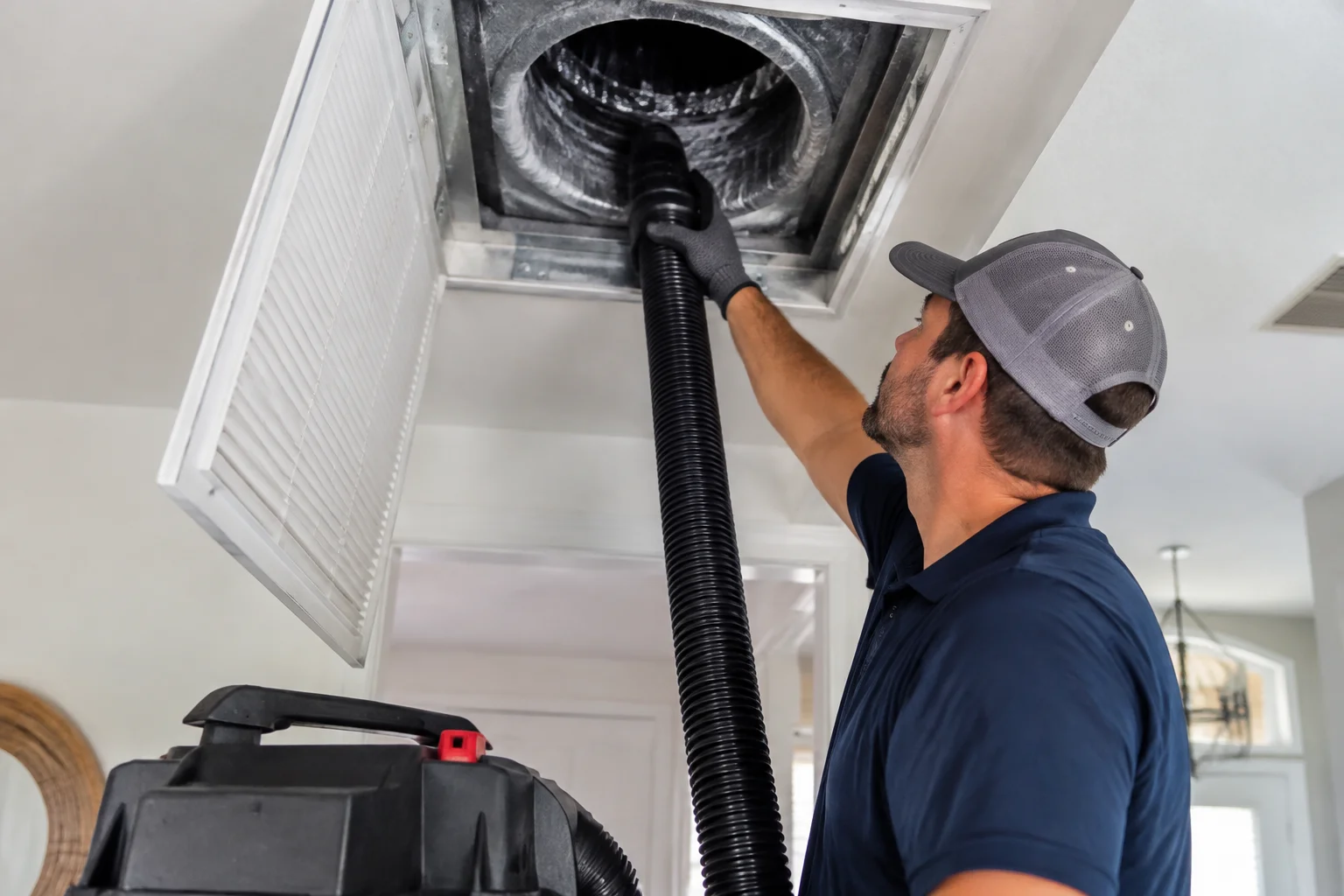
Even the best geothermal unit cannot perform well if airflow is restricted. Dirty filters, blocked supply vents, closed registers, and leaky ductwork all make the system work harder. In humid climates like Freeport, restricted airflow can also make rooms feel sticky even when the thermostat says the temperature is right.
Homeowners should replace filters on schedule, keep furniture away from vents, and have ductwork checked if some rooms feel warmer or cooler than others. Uneven temperatures are often a clue that the system is not distributing conditioned air the way it should.
Watch humidity, not just temperature
In coastal and inland Northwest Florida, humidity control is a major part of comfort. A geothermal HVAC system should do more than cool the air. It should also help remove moisture. If the home still feels damp, clammy, or musty, the issue may be related to airflow, thermostat settings, oversized equipment, or a maintenance problem.
Homeowners sometimes assume the system is underperforming because the air feels warm, when the real issue is excess humidity. That is one reason local service matters. A technician familiar with Freeport homes can look at the whole comfort picture, not just the temperature reading.
Check the thermostat and controls
Geothermal systems rely on proper control settings to run efficiently. A thermostat that is placed in direct sunlight, near a draft, or in a poorly insulated room can send mixed signals to the equipment. Programmable and smart controls can help, but only if they are set up correctly.
If your system cycles too often, runs too long, or seems to ignore the set temperature, the issue could be calibration, sensor placement, or a control problem. Small adjustments can make a noticeable difference in both comfort and energy use.
Protect the ground loop area
The underground loop is the heart of a geothermal system. It transfers heat between the home and the earth, and it needs stable conditions to work properly. While the loop itself is buried, the area above it still matters. Heavy landscaping changes, digging, drainage problems, or construction near the loop field can affect performance or create damage risks.
If you are planning yard work, additions, or major grading, it is smart to have the loop layout reviewed first. Freeport properties can face shifting soil and drainage concerns after heavy rain, so keeping water moving away from the loop area is important.
Common issues homeowners notice
When a geothermal HVAC system is not performing as expected, the signs are often subtle at first. You may notice higher utility bills, longer run times, or rooms that never quite reach the set temperature. Some homeowners hear unusual noises from the indoor equipment, while others notice the system short cycling or struggling to keep up during peak summer heat.
In Freeport, moisture is another common clue. A system that is cooling but not dehumidifying well can leave the home feeling uncomfortable even when the thermostat is satisfied. That can happen because of dirty coils, airflow issues, control problems, or an improperly sized system.
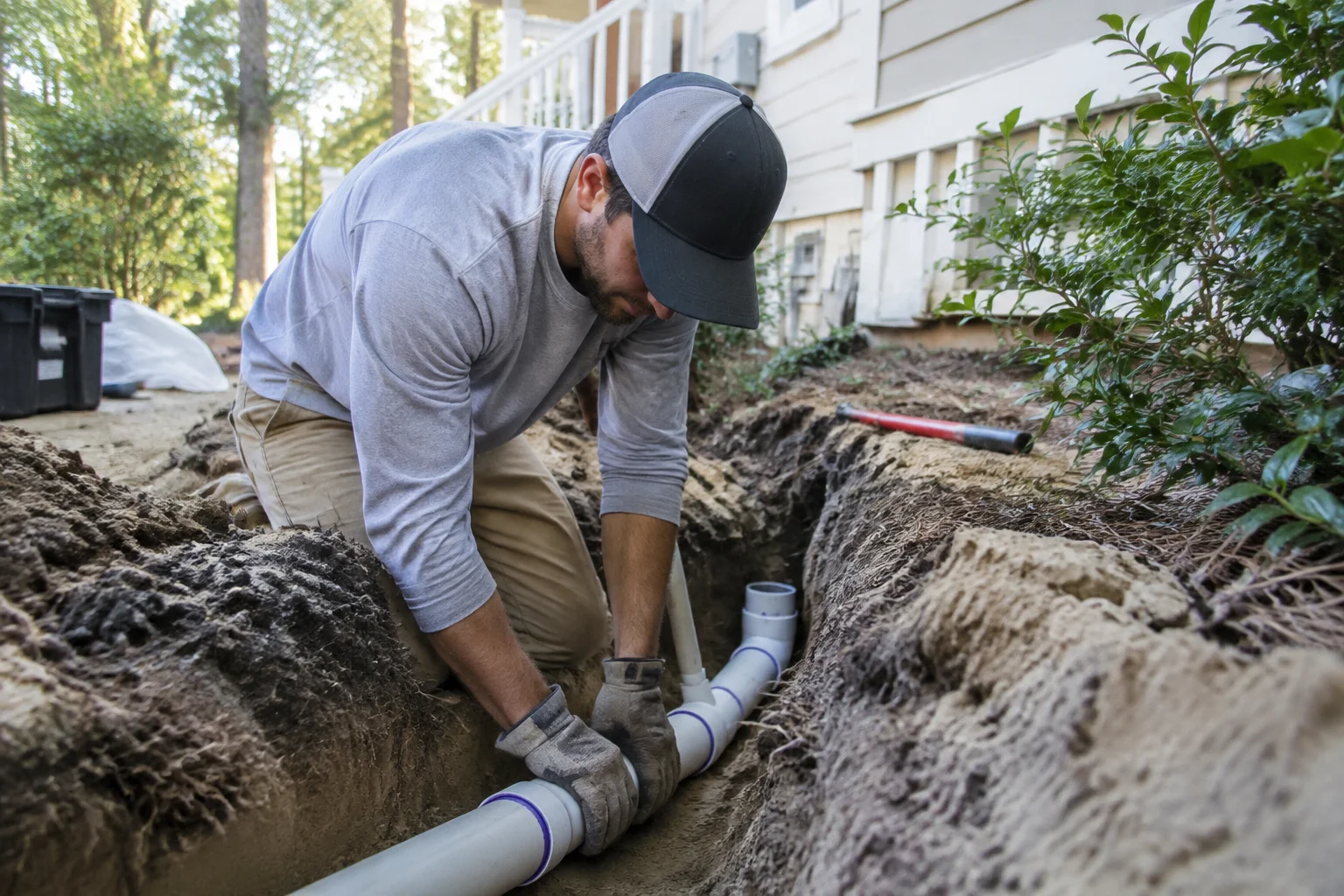
Older homes in the area may also have duct leaks, insulation gaps, or aging plumbing and equipment nearby that complicate service. If a technician finds a related issue, it may make sense to address other systems at the same time. For example, if moisture has caused damage around utility lines or mechanical areas, related work such as pipe replacement in Freeport may help protect the home from future problems.
Maintenance that keeps geothermal systems efficient
Routine maintenance is one of the best ways to improve geothermal HVAC performance. A well-maintained system usually runs quieter, uses less energy, and delivers more consistent comfort. In a climate like Freeport’s, where cooling equipment works hard for much of the year, that regular care can pay off quickly.
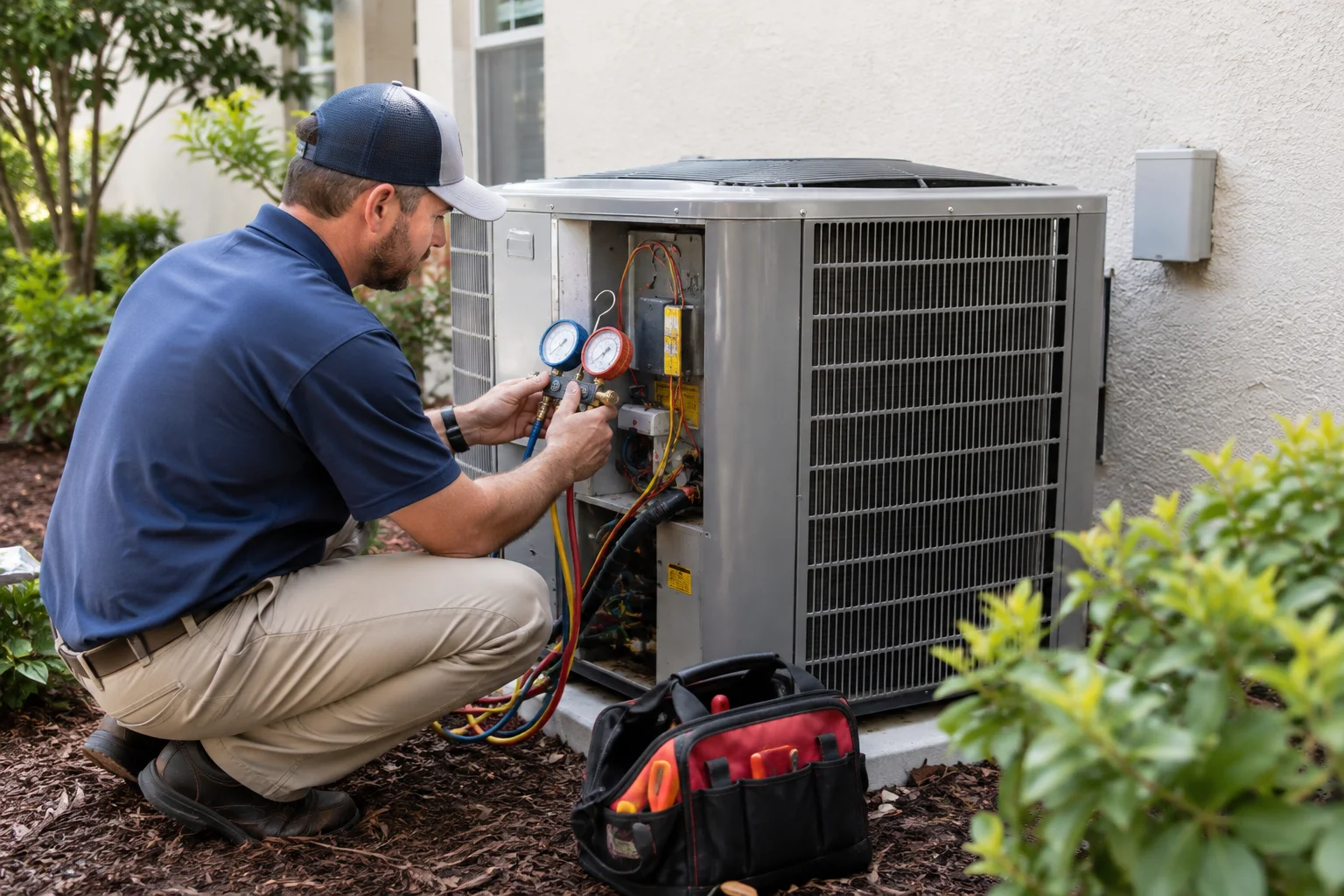
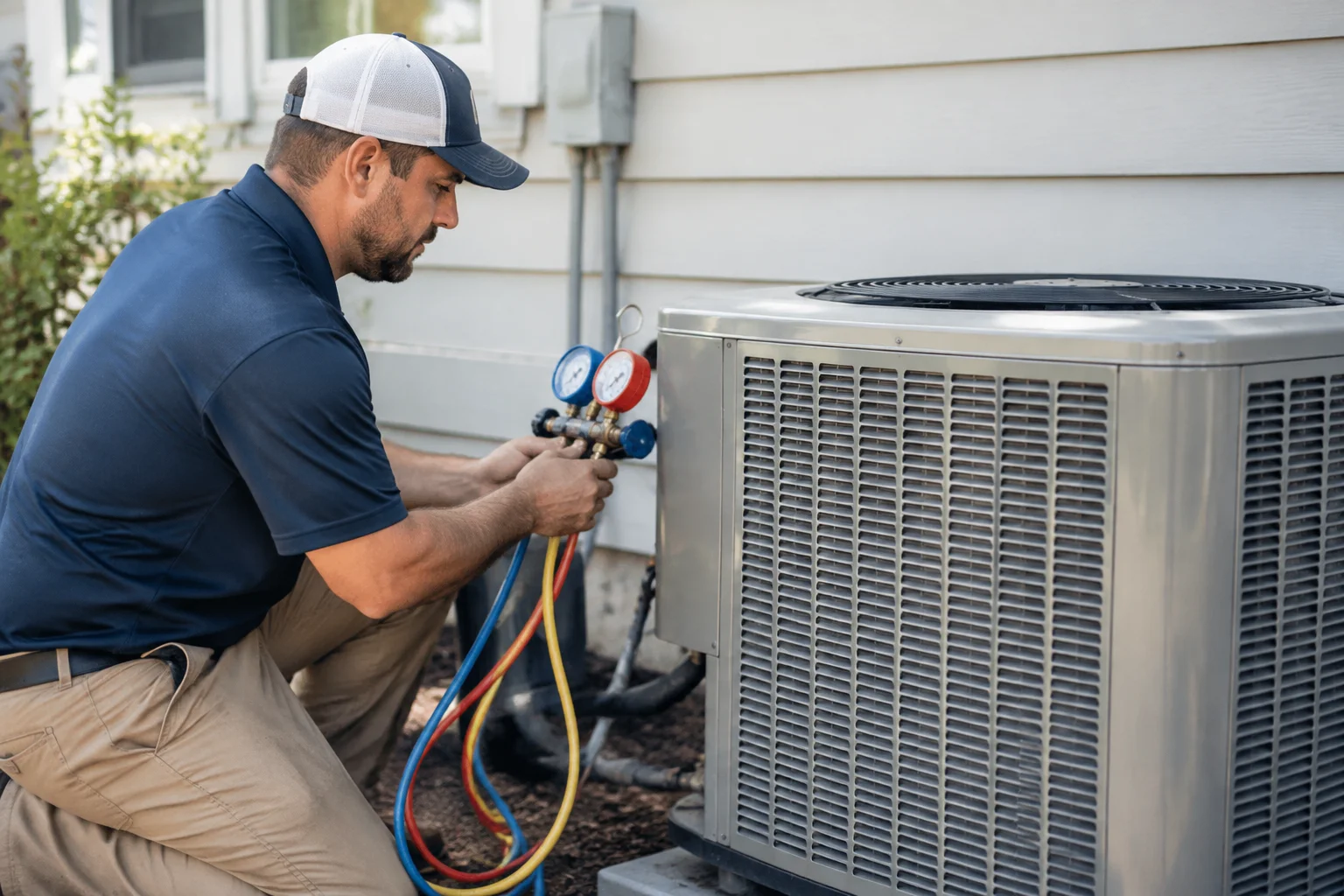
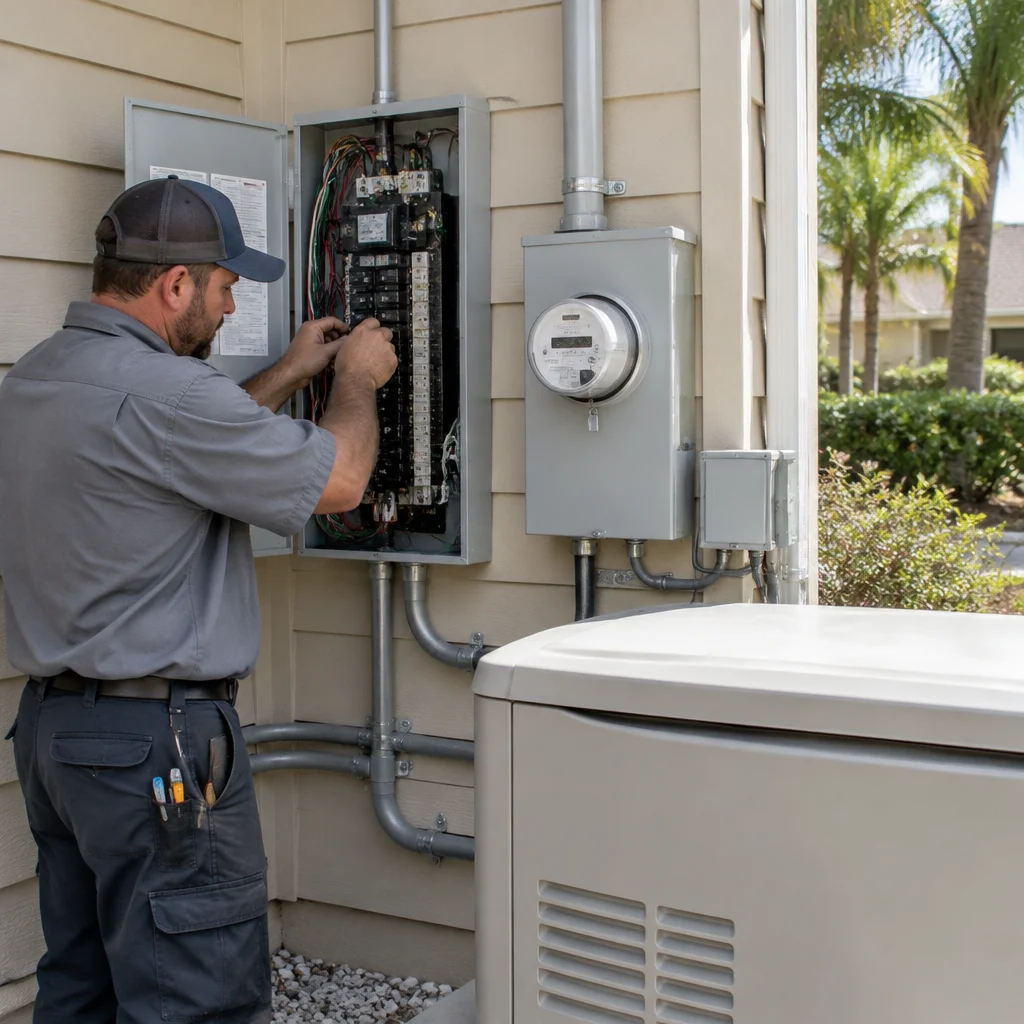
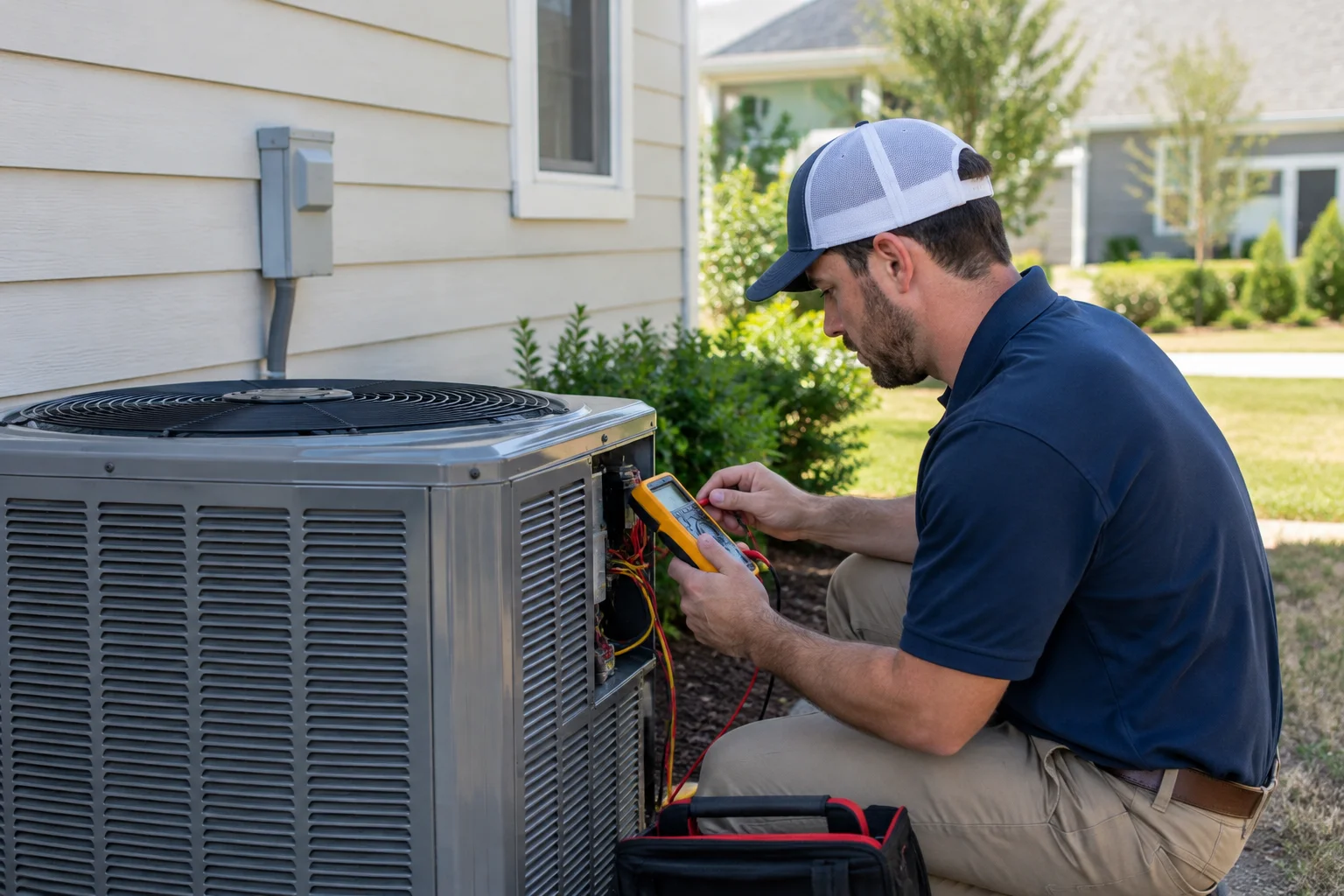
During a maintenance visit, a technician may inspect refrigerant levels, test electrical components, clean coils, check the blower, verify thermostat operation, and evaluate the loop system. They may also look at drainage and condensate handling, which matter a lot in humid weather. If water is not draining properly, it can lead to odors, indoor moisture problems, or equipment damage.
For homeowners who have multiple properties or rental homes, consistent maintenance becomes even more important. A property manager may want scheduled service across several units to avoid after-hours breakdowns. In those cases, property management HVAC services can help keep geothermal systems and other equipment on track.
How Freeport weather affects geothermal equipment
Freeport weather brings long cooling seasons, periods of heavy rain, and plenty of humidity. Those conditions can influence everything from indoor comfort to equipment wear. High humidity can make systems run longer, while frequent temperature swings between cool mornings and warm afternoons can create more cycling.
That daily wear is not limited to geothermal systems. Other HVAC equipment in the area faces similar stress, which is why local maintenance matters across the board. Homeowners who want to understand how weather affects broader system care may also find value in how Freeport’s weather and daily wear shape commercial HVAC maintenance over time and tips for avoiding emergency air conditioning repair in Freeport, FL.
Geothermal systems are efficient, but they still depend on the indoor unit, controls, and distribution system. If any one part is out of balance, the whole system can feel less effective. That is why a local technician should look at the home as a complete comfort system, not just a piece of equipment.
When repairs are better than waiting
Some geothermal issues can wait until the next maintenance visit. Others should be addressed sooner. If the system is making new noises, losing heating or cooling capacity, leaking water, or causing a sudden spike in energy use, it is time for a professional inspection. Waiting too long can turn a manageable repair into a larger equipment problem.
Repairs are especially important if the home depends on the geothermal system for both comfort and humidity control. In Freeport, a system that is only partially working can quickly lead to sticky indoor air, poor sleep, and extra strain on other appliances. If the issue seems tied to refrigerant, electrical components, or the heat pump itself, professional service is the safest path.
Homeowners who already know they need help can review the dedicated geothermal HVAC systems service page for more details on installation, repair, replacement, and maintenance options.
How local service improves long-term results
Local service matters because geothermal systems are not one-size-fits-all. A technician working in Freeport should understand the area’s soil conditions, humidity levels, typical home layouts, and the way different neighborhoods are built. That local experience helps with system sizing, loop performance checks, and practical recommendations for keeping the system efficient over time.
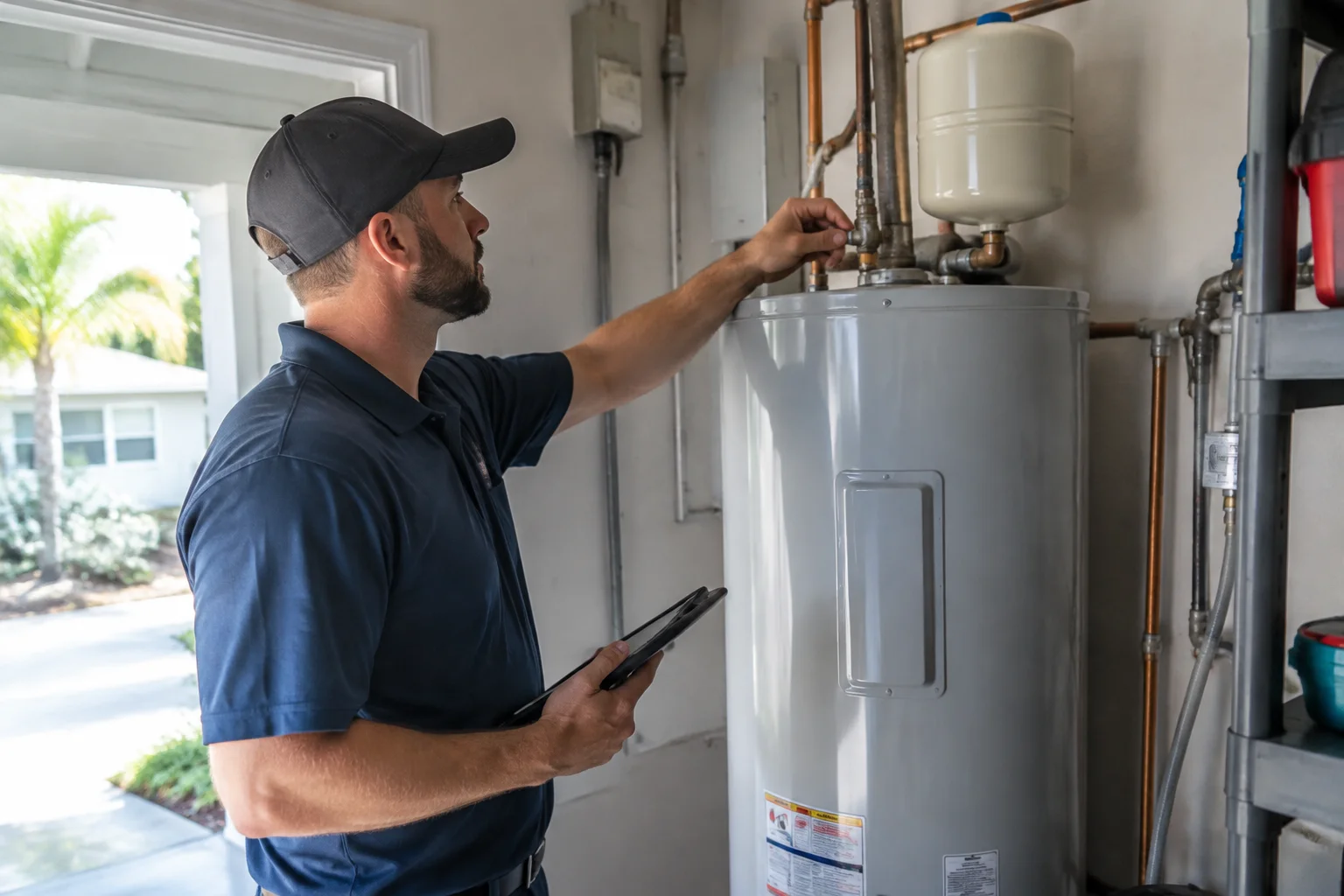
It also helps when a home has more than one comfort issue. A technician may find that the geothermal unit is fine, but the real problem is duct leakage, poor insulation, or another mechanical issue nearby. In some homes, heating and cooling concerns overlap with water heater or plumbing issues, which is why it can help to work with a team that also handles water heater services for homes in Freeport, FL, commercial plumbing services, or air conditioning repair in Freeport when those systems are involved.
Practical habits that help homeowners get more from geothermal
There are a few habits that can make a real difference over the life of a geothermal system. Keep the thermostat setting consistent instead of making large daily swings. Replace filters before they become clogged. Keep the area around the indoor unit clean and accessible. Watch for changes in humidity, airflow, or noise, and schedule service before a small issue turns into a comfort problem.
It also helps to think about the home as a whole. If the attic insulation is weak, the ductwork is leaking, or the home has drainage issues around the foundation, the geothermal system has to work harder than it should. Addressing those related problems can improve comfort and efficiency at the same time. For homeowners planning larger upgrades or new systems, it may also be helpful to read what to expect from new construction air conditioning in Freeport, FL, especially if the home is being built or renovated around modern HVAC equipment.
Geothermal HVAC can be a strong long-term choice in Freeport, but the system performs best when it is installed correctly, maintained regularly, and matched to the home’s real needs. If your system is not delivering the comfort or efficiency you expected, A Superior Mechanical can help evaluate the equipment, the loop, and the indoor setup so you can get better results from the system you already have.
Find Geothermal HVAC Systems in Freeport, FL
If you need Geothermal HVAC Systems in Freeport, FL, visit our local service page or contact A Superior Mechanical today.
Map of Freeport, FL
Frequently Asked Questions
How often should a geothermal HVAC system be serviced in Freeport, FL?
Most geothermal systems should be inspected at least once a year. In Freeport’s humid climate, annual maintenance helps catch airflow, drainage, and control issues before they affect comfort or efficiency.
Why is my geothermal system running but the house still feels humid?
That can happen when airflow is restricted, the system is oversized, the thermostat is not set correctly, or the coils need cleaning. Humidity problems are common in Walton County homes and should be checked by a professional.
Can landscaping affect a geothermal loop field?
Yes. Heavy digging, grading, drainage changes, or construction near the loop field can affect performance or damage buried lines. It is best to confirm the loop layout before making major yard changes.
Do geothermal systems work well in older Freeport homes?
They can, but older homes may need ductwork, insulation, or layout updates to get the best results. A proper evaluation helps determine whether the home is a good fit and what improvements may be needed.
Related Articles
Photo Gallery