In Panama City, commercial HVAC systems work hard for most of the year. Between long cooling seasons, sticky coastal humidity, salt air, and sudden summer storms, the equipment that keeps offices, restaurants, retail spaces, and multi-unit properties comfortable gets pushed to its limits. For business owners, that means even a small issue can turn into lost comfort, higher utility bills, and interrupted operations fast.
That is why commercial HVAC repair in Panama City, FL is not just a maintenance item. It is part of protecting the day-to-day function of a business. A well-timed repair can help extend equipment life, reduce strain on the system, and keep employees and customers comfortable through the hottest months in Bay County.
Why Panama City’s climate is tough on commercial HVAC systems
Panama City’s weather creates a specific set of challenges for HVAC equipment. The long cooling season means systems run more often than they do in many other parts of the country. Add in high humidity, and the system has to do more than cool the air. It also has to pull moisture out of it, which makes every cycle more demanding.
Coastal conditions matter too. Salt in the air can speed up corrosion on outdoor equipment, electrical parts, and metal components. Heavy rain and tropical weather can also expose weak points in drainage, refrigerant lines, and electrical connections. In Bay County, that combination often leads to breakdowns that look minor at first but become more serious if they are ignored.
For business owners in the city and nearby areas of Panama City, local service matters because a technician who works in this climate every day understands how humidity, corrosion, and high runtime affect commercial systems differently than inland equipment.
Problems that often show up before a full breakdown
Commercial HVAC systems usually give some warning before they stop working altogether. The signs are not always dramatic, but they often point to a problem that needs attention soon.
Uneven temperatures inside the building
If one part of a building feels cold while another stays warm, the system may be struggling with airflow, ductwork issues, or a failing component. In larger commercial spaces, temperature imbalance can also point to zoning problems or controls that are no longer communicating properly.
Rising energy bills
A sudden increase in utility costs is often one of the first clues that a system is losing efficiency. Dirty coils, worn belts, refrigerant leaks, and failing motors can all force the equipment to work harder than necessary. In a place like Panama City, where systems already run hard, that wasted energy adds up quickly.
Short cycling or nonstop operation
When a unit turns on and off repeatedly or runs for long periods without reaching the set temperature, it may have a thermostat issue, airflow restriction, low refrigerant, or an electrical fault. Both short cycling and nonstop running can wear down components and lead to bigger repairs later.
Strange noises or odors
Grinding, rattling, buzzing, or squealing sounds should not be ignored. Neither should musty, burning, or chemical smells. These symptoms can point to loose parts, motor trouble, electrical concerns, or drainage problems. In a humid climate, standing moisture inside the system can also create odors and indoor air quality issues.
Moisture around the unit
Water near an indoor or outdoor unit can come from a clogged drain line, damaged condensate pan, or frozen coil. In commercial properties, extra moisture can create slip hazards, damage finishes, and contribute to mold growth if the issue is not corrected quickly.
What usually causes commercial HVAC problems in Bay County
Commercial HVAC repair often starts with diagnosing the cause, not just the symptom. In Panama City and across Bay County, the most common causes tend to be a mix of wear, weather, and maintenance gaps.
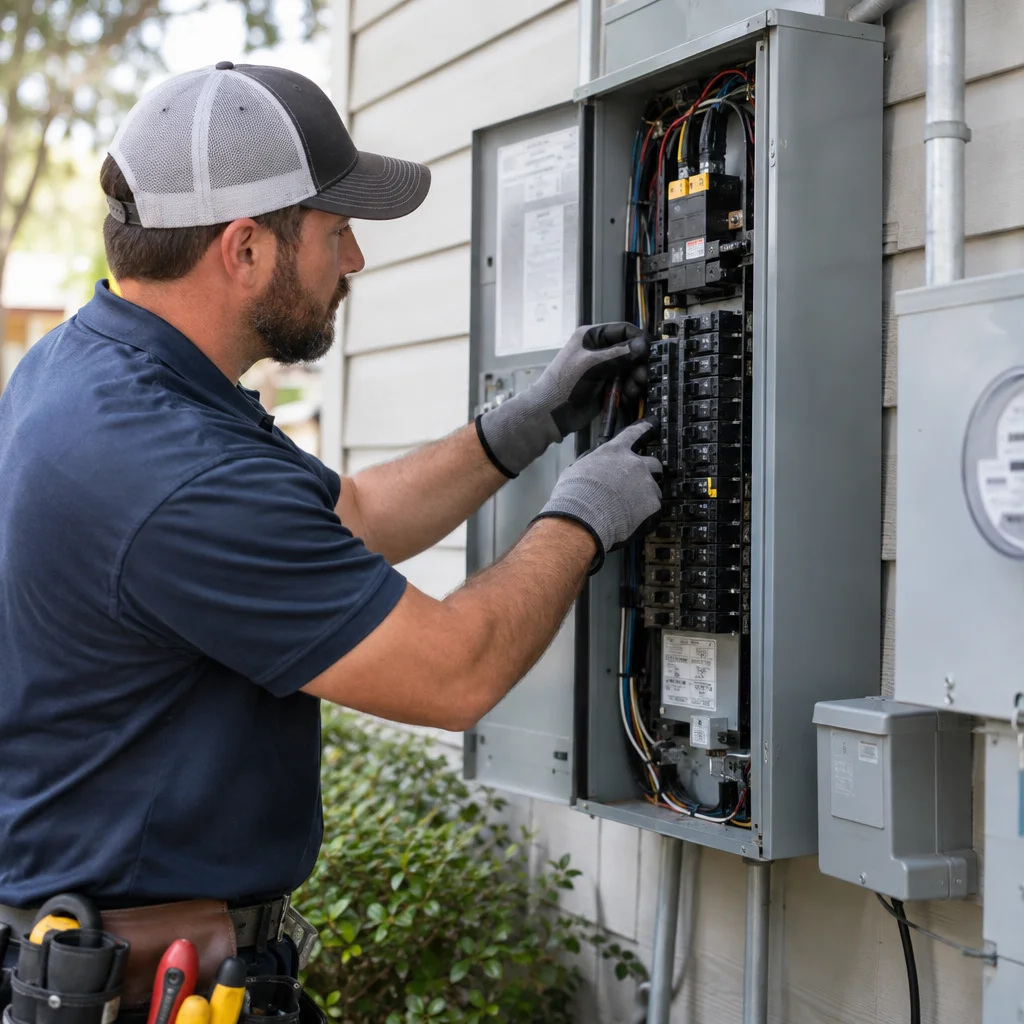
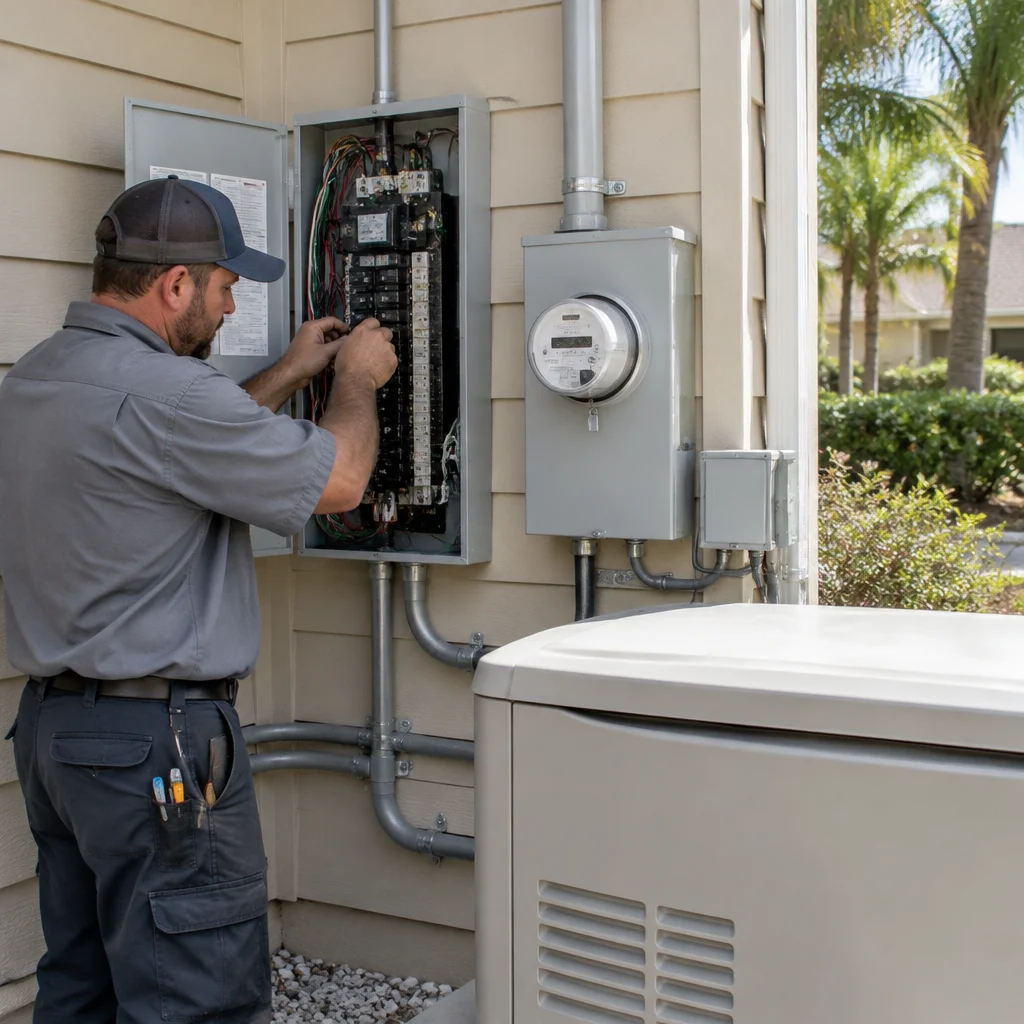
Dirty coils are a frequent issue because coastal air and heavy usage can leave systems coated with dust, grease, and debris. Clogged filters can restrict airflow and make the entire system less effective. Refrigerant leaks may show up as weak cooling, frozen coils, or longer run times. Electrical problems can develop from corrosion, loose wiring, or worn contactors, especially in outdoor equipment exposed to salt air and storms.
Drainage problems are also common in humid climates. If condensate lines clog or drain pans crack, moisture can back up and affect nearby components. In restaurants and other high-use buildings, grease and airborne particles can make these problems worse. For facilities with multiple units or rooftop systems, one neglected piece of equipment can create a ripple effect across the property.
Why fast repair matters for commercial properties
When a commercial HVAC system fails, the impact goes beyond comfort. Employees may be less productive, customers may leave sooner, and sensitive inventory or equipment may be affected by heat and humidity. In hospitality settings, a comfort issue can quickly become a reputation issue. In office buildings, it can disrupt focus and create complaints from tenants or staff.
Fast repair also helps prevent small failures from turning into expensive ones. A loose electrical connection, for example, may only cause intermittent trouble at first. Left alone, it can damage a motor or control board. A refrigerant leak can put strain on the compressor and reduce system lifespan. Addressing these issues early usually costs less than waiting for a full shutdown.
If your business needs help quickly, A Superior Mechanical offers commercial HVAC repair designed to reduce downtime and restore comfort with minimal disruption.
How local technicians approach the repair process
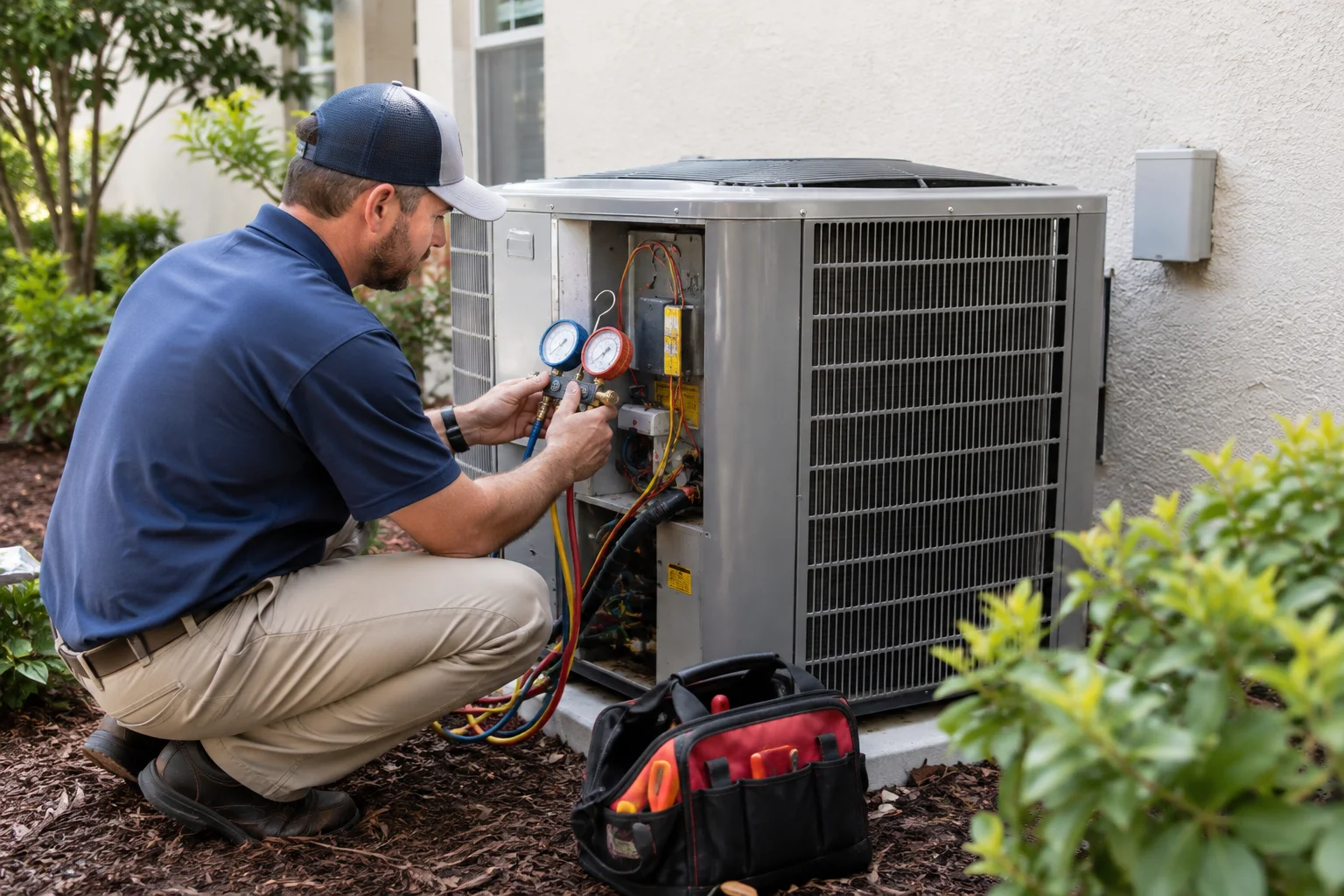
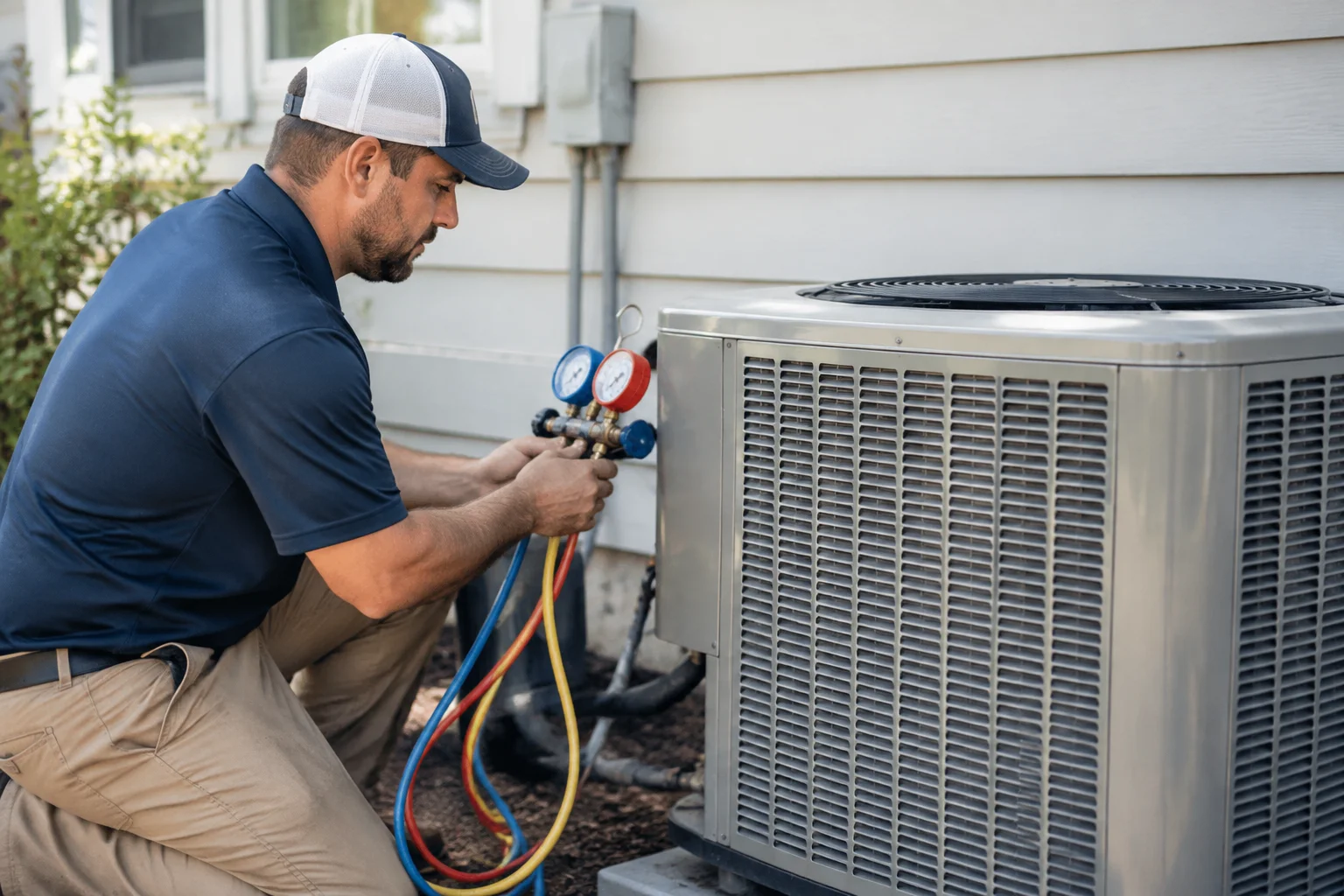
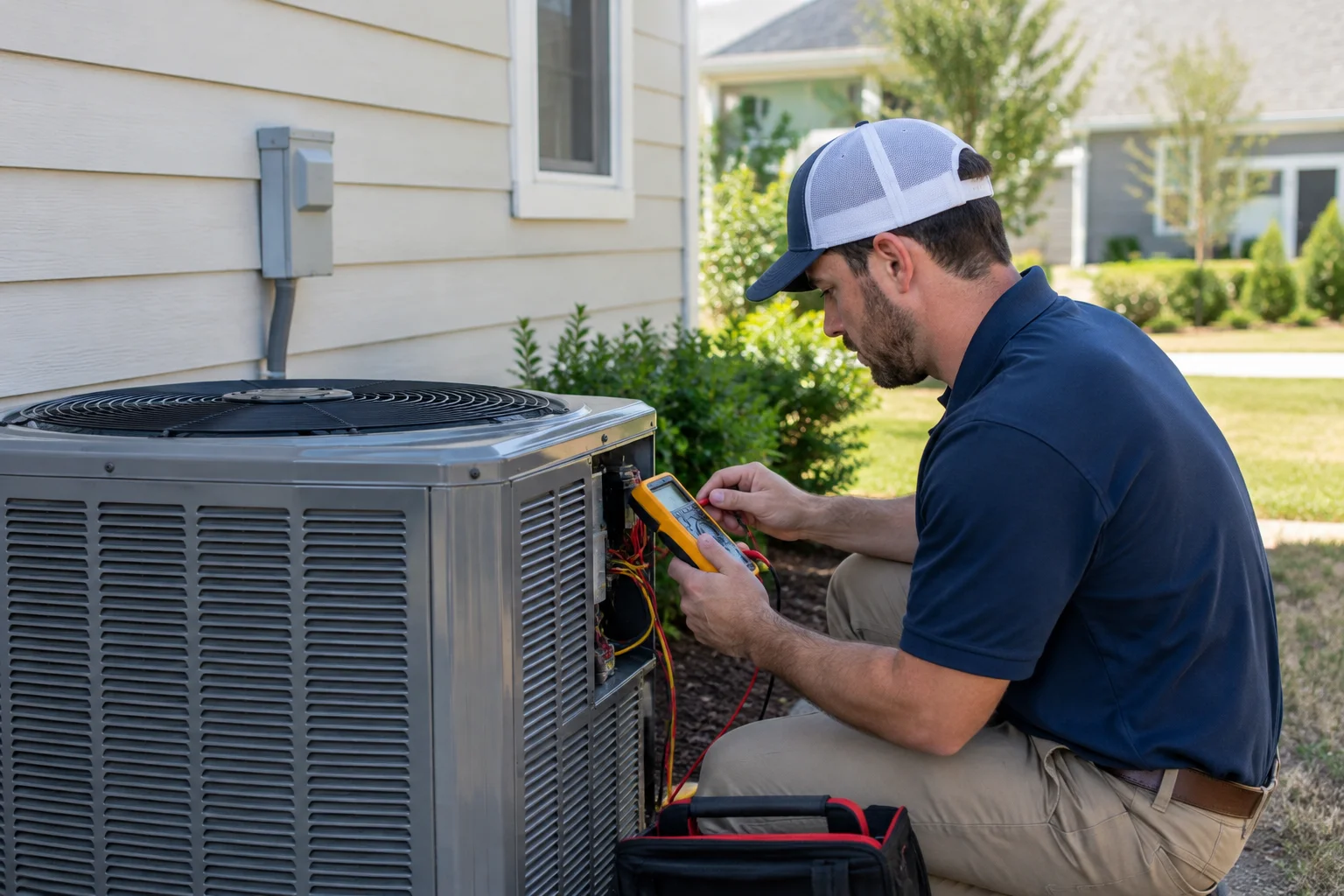
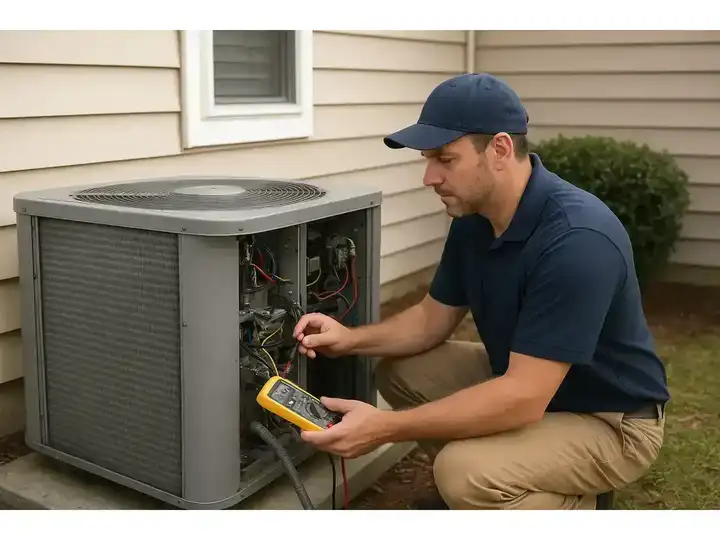
A good commercial HVAC repair visit starts with a careful diagnosis. The goal is to identify the real source of the problem, not just reset the system and hope it holds. That usually includes checking electrical components, airflow, refrigerant levels, controls, filters, coils, belts, and drainage.
In Panama City, local knowledge can make that process more efficient. A technician familiar with the area knows which problems often come from humidity, which ones are tied to corrosion, and how coastal conditions affect both rooftop and ground-level equipment. That matters when the building needs a repair that lasts, not just a temporary fix.
Depending on the issue, repairs may involve replacing worn parts, sealing refrigerant leaks, clearing drain lines, cleaning coils, repairing wiring, calibrating controls, or restoring airflow. In some cases, the technician may also recommend maintenance steps that reduce the chance of the same problem coming back.
Prevention that helps businesses avoid repeat problems
Routine maintenance is one of the easiest ways to reduce commercial HVAC repair calls. In a climate like Panama City’s, regular service is especially important because the system has less downtime between cooling seasons. Filters should be changed on schedule, coils should be cleaned, and drain lines should be checked before moisture becomes a problem.
It also helps to keep outdoor units clear of debris, salt buildup, and overgrown landscaping. For rooftop systems, regular inspections can catch loose electrical connections, damaged insulation, and worn belts before they lead to a shutdown. Businesses that rely heavily on cooling often benefit from a seasonal inspection before peak summer heat arrives.
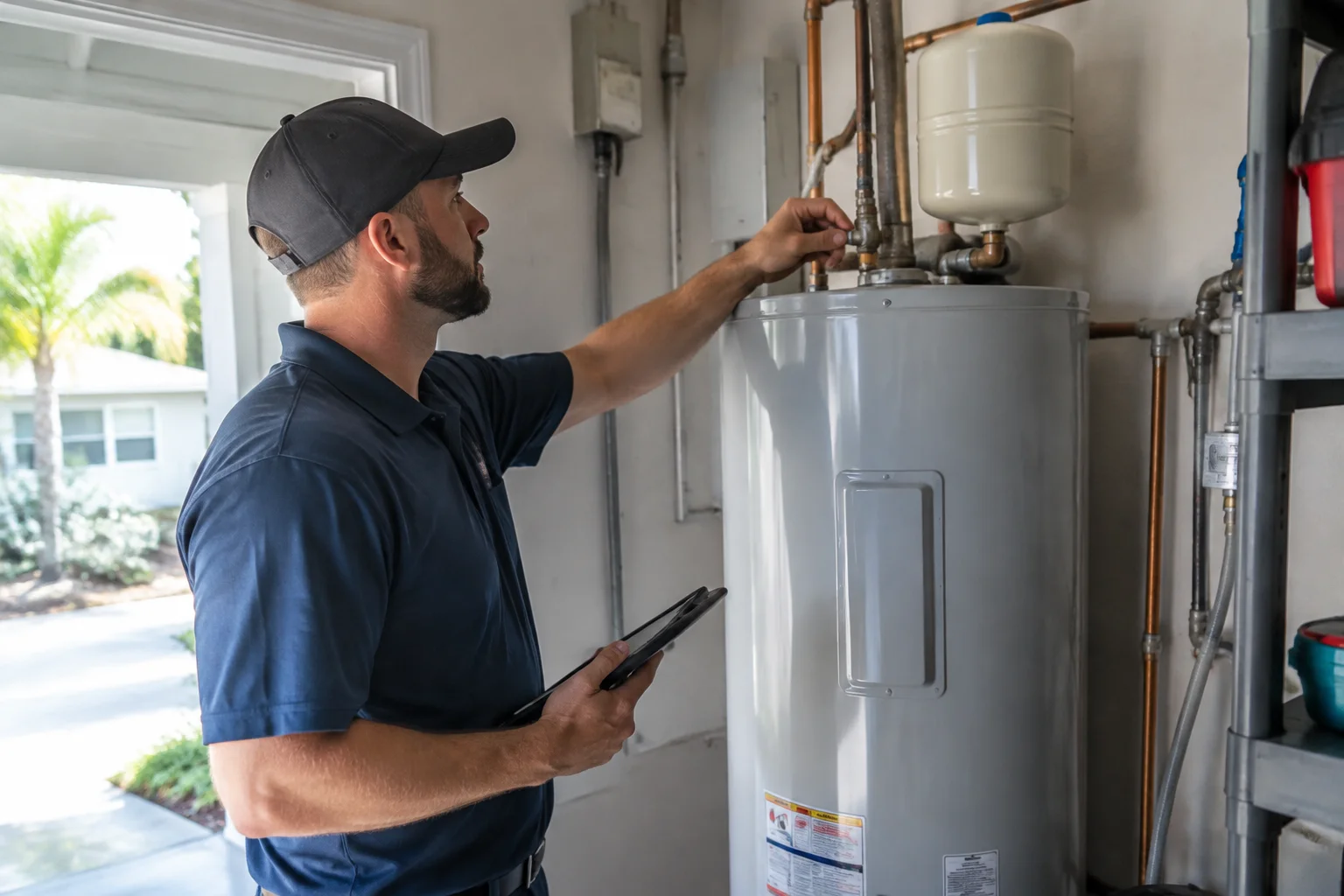
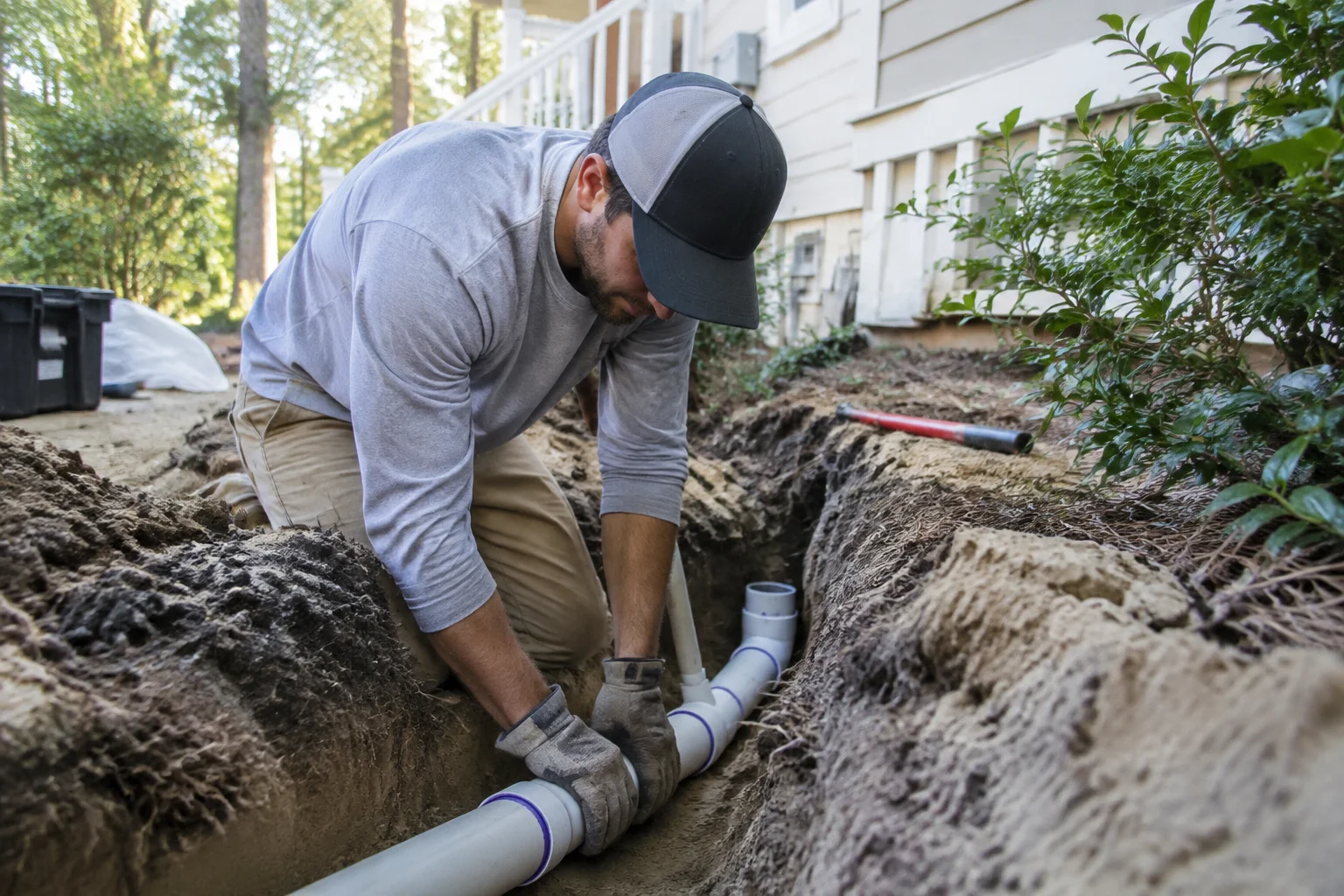
Some property managers also coordinate HVAC maintenance with other building systems. For example, a facility that is already scheduling toilet repair and replacement, water heater services, sewer repair and maintenance, or plumbing fixture services may benefit from reviewing building systems together so problems are handled efficiently without repeated service interruptions.
How homeowners can relate to commercial HVAC issues
Even though this topic focuses on businesses, many Panama City homeowners recognize the same warning signs in their own systems. Long cooling cycles, humidity problems, and uneven temperatures are common in both residential and commercial settings. That is why local readers often find value in learning how commercial systems fail and how technicians solve those issues.
For example, smart thermostats can sometimes create comfort problems when they are not configured correctly or when the system itself is already struggling. Homeowners who want a closer look at that issue can read Keeping Your Cool in Panama City Beach Without Letting Smart Thermostats Create Bigger HVAC Problems. Another helpful read is A Panama City Homeowner’s Guide to 24/7 Emergency HVAC Help, which covers how to think through urgent cooling issues when the weather turns hot and sticky.
Homeowners in nearby beach communities may also appreciate What Panama City Beach Homeowners Should Know About Commercial HVAC Service Issues That Affect Comfort and Safety. It explains how the same climate pressures that affect businesses can also affect homes, especially during peak summer demand.
Why nearby service makes a difference in Panama City
Local response time matters when a commercial HVAC system is down. A business in Panama City may not have the luxury of waiting days for service, especially during a heat wave or after a storm. Choosing a provider that works regularly in the area can make scheduling easier and help speed up diagnostics.
Local service also means familiarity with the buildings themselves. Panama City has a mix of older structures, renovated commercial spaces, coastal properties, and newer developments. Each one can present different HVAC challenges. A technician who understands the local building stock is better prepared to spot common failure points and recommend practical repairs.
That local perspective is especially useful in Bay County, where weather, salt exposure, and seasonal demand all influence how often systems need attention. A repair approach that works inland may not hold up as well here if it does not account for those conditions.
Choosing repair over delay
It is easy to put off HVAC service when a system is still running, even if it is running poorly. But in commercial properties, delay often costs more than the repair itself. Comfort complaints increase, energy use rises, and the equipment keeps wearing down while the underlying issue remains unresolved.
For business owners in Panama City, the smarter move is usually to act early, especially when the system shows repeated signs of trouble. A prompt repair can help protect operations, reduce stress on the equipment, and keep customers and employees comfortable through the hottest part of the year.
When the building depends on dependable cooling, local support from A Superior Mechanical can make the difference between a manageable repair and a costly shutdown. Businesses across Panama City and Bay County can rely on experienced service that is built around the realities of the coastal climate, not just the equipment manual.
Find Commercial HVAC Repair in Panama City, FL
If you need Commercial HVAC Repair in Panama City, FL, visit our local service page or contact A Superior Mechanical today.
Map of Panama City, FL
Frequently Asked Questions
What are the most common commercial HVAC problems in Panama City, FL?
Common issues include dirty coils, clogged filters, refrigerant leaks, electrical problems, drainage backups, and corrosion from coastal air. High humidity and long cooling seasons make these problems more likely to show up sooner.
How often should a commercial HVAC system be serviced in Bay County?
Most commercial systems benefit from regular seasonal service, and some high-use buildings may need more frequent inspections. In Panama City’s climate, routine maintenance helps catch small issues before they turn into expensive repairs.
Can a small HVAC problem affect business operations?
Yes. Even a minor issue can lead to uneven temperatures, higher energy bills, customer complaints, or equipment strain. In restaurants, offices, retail spaces, and hospitality properties, comfort problems can affect both operations and reputation.
Related Articles
- Keeping Your Cool in Panama City Beach Without Letting Smart Thermostats Create Bigger HVAC Problems
- What Panama City Beach Homeowners Should Know About Commercial HVAC Service Issues That Affect Comfort and Safety
- A Panama City Homeowner’s Guide to 24/7 Emergency HVAC Help
- How Local Weather Affects Commercial HVAC Repair in Destin, FL
Photo Gallery