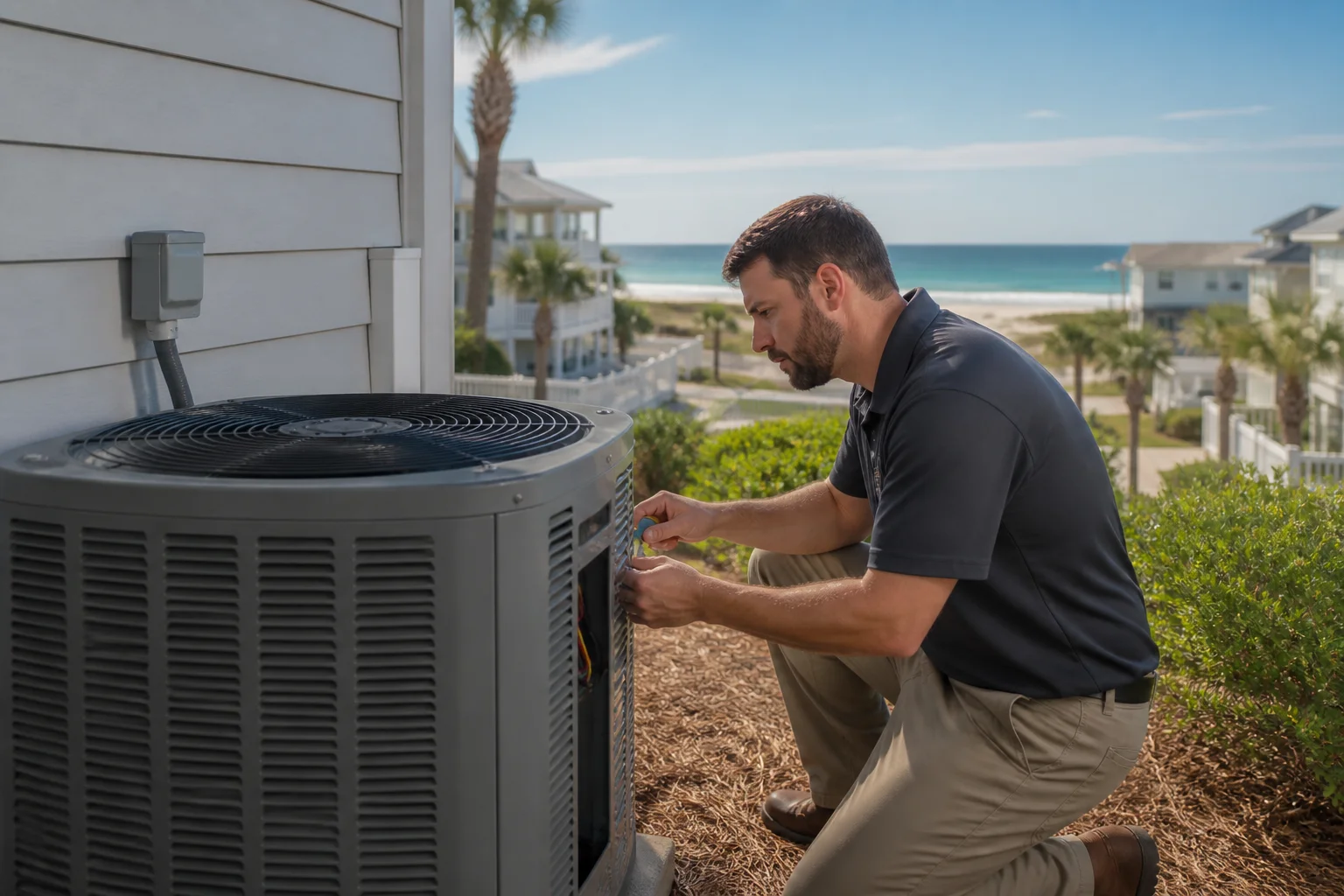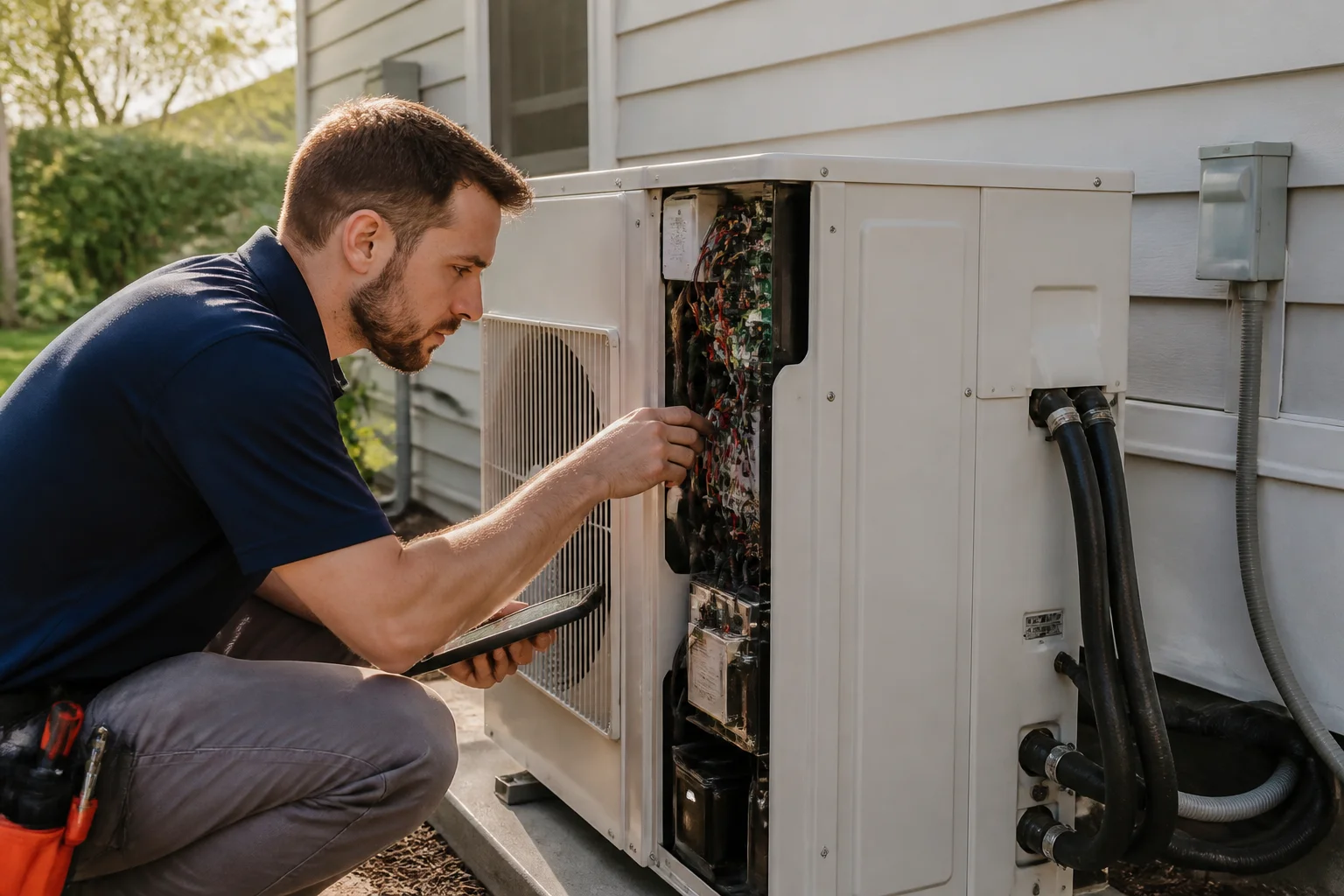
A variable refrigerant flow system can give a Mary Esther home precise control over bedrooms, living areas, additions, and other comfort zones. That precision depends on more than selecting equipment from a catalog. Capacity, airflow, humidity removal, refrigerant piping, condensate drainage, controls, and coastal exposure all need to work together.
Careful planning is especially important in Mary Esther, where long cooling seasons, salt air, heavy humidity, summer storms, and changing occupancy can challenge even high efficiency HVAC equipment. A properly designed VRF multi zone system in Mary Esther can provide efficient comfort without sacrificing moisture control or service access.
How VRF zoning changes home comfort
A VRF system uses an inverter driven compressor to adjust refrigerant flow as indoor demand changes. One outdoor unit can serve several indoor units, including wall mounted units, ceiling cassettes, concealed air handlers, and compact ducted units. Each connected zone has its own temperature control, subject to the capabilities of the selected system.
This differs from a conventional central heat pump that conditions the entire home through one air handler and a shared ductwork system. It also differs from a basic ductless mini split installation because larger VRF designs can connect more zones and use more advanced controls. Some heat recovery models can heat one zone while cooling another, although that capability requires specific equipment and careful design.
VRF is not automatically the best answer for every property. The system must fit the home, the occupants, and the maintenance plan. A straightforward central air conditioner may still make sense for an open floor plan with sound ductwork. VRF often becomes attractive when a home has distinct comfort areas, limited attic space, an addition, or rooms with very different solar and occupancy loads.
Start with a room by room load calculation
Equipment sizing should begin with a professional load calculation, not the square footage estimate used for the old system. Window area, insulation, ceiling height, orientation, shade, air leakage, roofing, appliance heat, and normal occupancy all affect how much cooling each space needs. Mary Esther homes with west facing glass or limited attic insulation can have much higher afternoon loads than rooms on the shaded side.
Oversizing indoor units can create short operating cycles. The room may reach its thermostat setting quickly, but the evaporator coil may not remain cold long enough to remove enough moisture. Undersizing can cause persistent warm rooms and nonstop compressor operation during peak seasonal demand. The outdoor condenser also needs enough connected capacity and operating range to serve all zones without losing efficiency at low loads.
Contractors should consider how the house will actually be used. A guest room that sits empty most of the year has a different load pattern from a home office occupied every weekday. Kitchens, sunrooms, enclosed porches, bonus rooms, and garage conversions also need individual attention. These details help determine the number of zones and the best type of air handler for each one.
Humidity control requires deliberate planning
Florida comfort is not just a thermostat reading. Indoor air can feel sticky at 74 degrees when relative humidity stays high. Moisture also increases the risk of musty odors, condensation, damaged finishes, and microbial growth on dusty coils or drain pans.
VRF systems can manage humidity well when loads and controls are correct. Problems develop when indoor units are oversized, fan speeds are too high, doors remain open between zones, or a thermostat measures temperature in an unrepresentative location. Frequent changes to aggressive temperature setbacks can also produce uneven moisture removal.
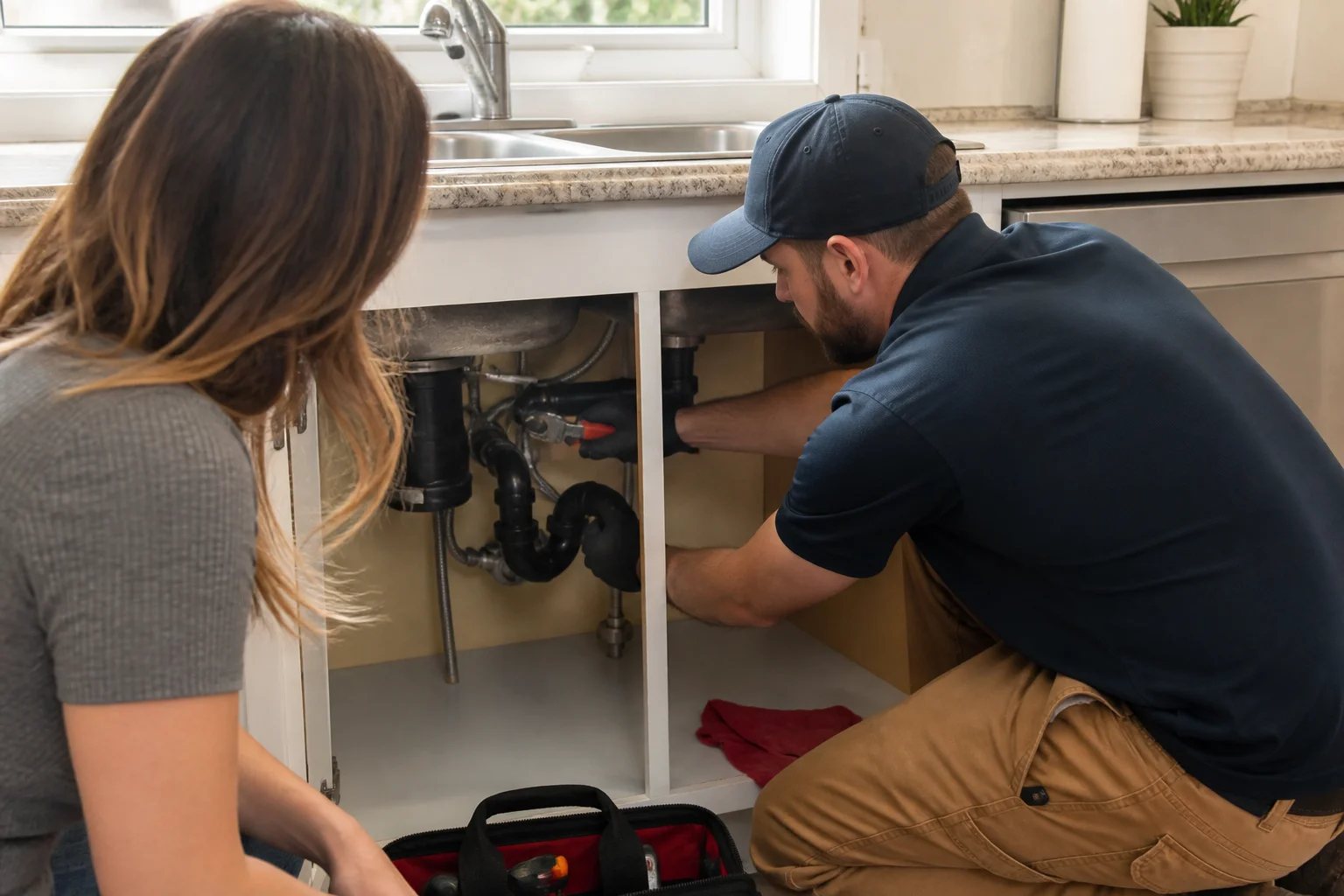
Drain lines deserve equal attention. Every cooling indoor unit produces condensate. Gravity drains need the correct slope, traps, insulation, and accessible cleanout points. Ceiling cassettes and some concealed units may use condensate pumps that require periodic testing. A blocked drain or failed pump can cause ceiling damage quickly, particularly during humid summer operation.
Some homes need dedicated dehumidification even with a well designed cooling system. This can be true for tightly remodeled homes, properties that remain vacant for part of the year, or households that prefer higher cooling setpoints. Homeowners searching for a whole home dehumidifier near me should ask how the dehumidifier will coordinate with VRF controls rather than operate as an unrelated appliance.
Airflow still matters in a refrigerant based system
VRF reduces dependence on large central ducts, but it does not eliminate airflow requirements. Wall units and cassettes need unobstructed discharge paths and enough return air around the cabinet. Concealed air handlers need properly sized supply and return ductwork. Furniture, curtains, closed doors, dirty filters, and poorly placed vents can all interfere with circulation.
Indoor unit placement affects both comfort and appearance. A wall unit aimed directly at a bed or sofa may create an uncomfortable draft. A ceiling cassette placed too close to a tall cabinet may recirculate its own supply air. A compact ducted unit with an undersized return can become noisy, reduce coil performance, and strain the fan motor.
Existing ducts should be inspected before they are reused. Older Mary Esther homes may have crushed flex duct, disconnected boots, leaky plenums, deteriorated insulation, or returns that pull humid attic air into the system. These defects can undermine a high efficiency installation. A Superior Mechanical can evaluate whether sealing is practical or whether duct replacement in Mary Esther offers a better long term result.
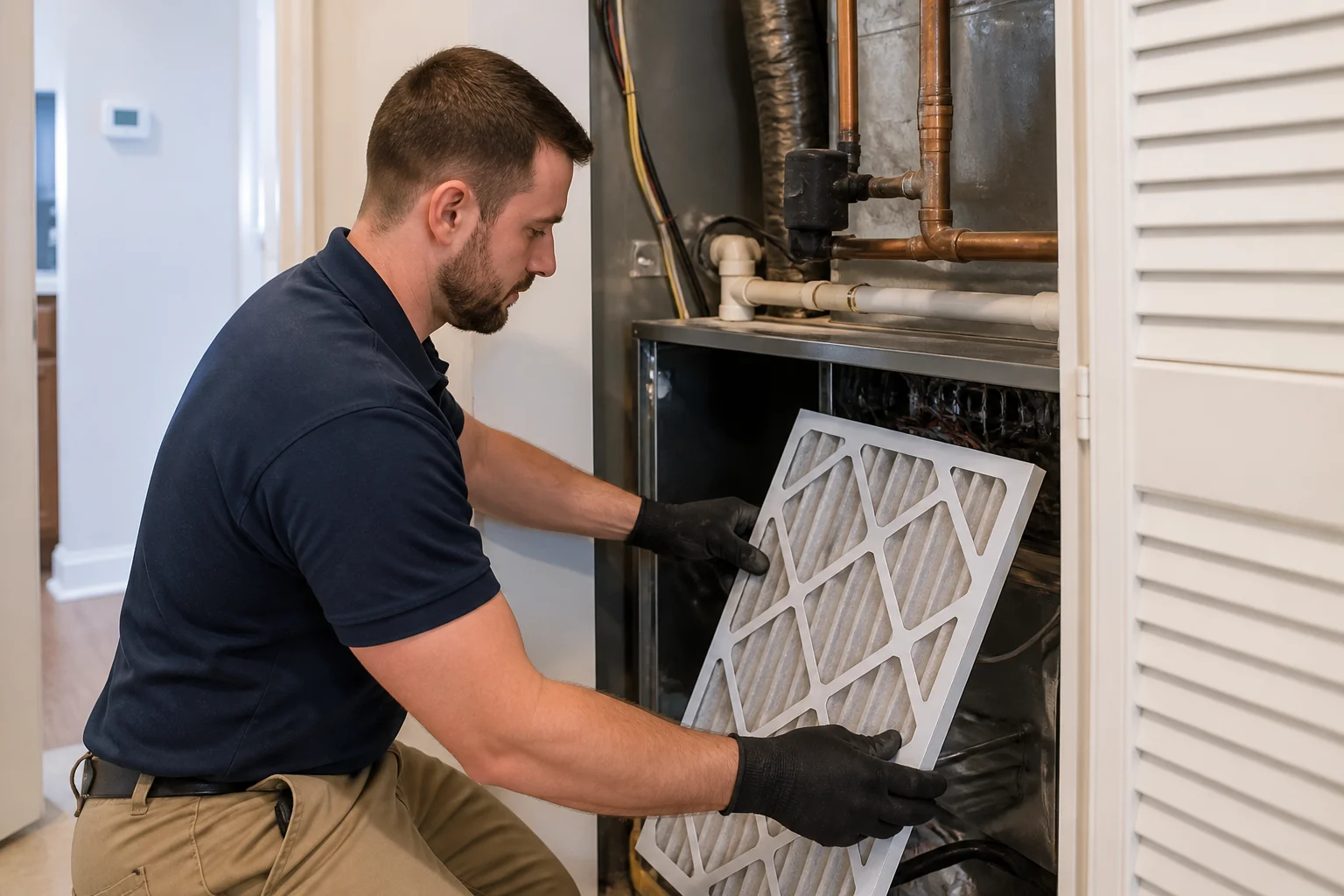
Filter selection also affects airflow and indoor air quality. A filter with excessive resistance can reduce air volume if the indoor unit was not designed for it. Filter upgrades, purification equipment, and ventilation products should be matched to the available fan capacity rather than added without measurement.
Thermostats and controls need a clear strategy
VRF controls can range from individual room controllers to centralized interfaces and mobile applications. The right approach depends on who uses the property. A family may want simple independent control, while a rental owner may need temperature limits and remote alerts.
Not every retail thermostat communicates correctly with VRF equipment. Adapters may be available, but they can limit fan control, operating modes, or diagnostic features. Homeowners searching for smart thermostat installation near me should verify compatibility before purchasing a device. A native controller often provides better equipment communication and more useful fault information.
Control logic should also prevent conflicting settings. On some heat pump systems, all indoor zones must operate in the same general mode. One room cannot request heating while another requests cooling unless the system is specifically designed for heat recovery. Setting expectations during design prevents frustration later.
Coastal weather changes outdoor equipment needs
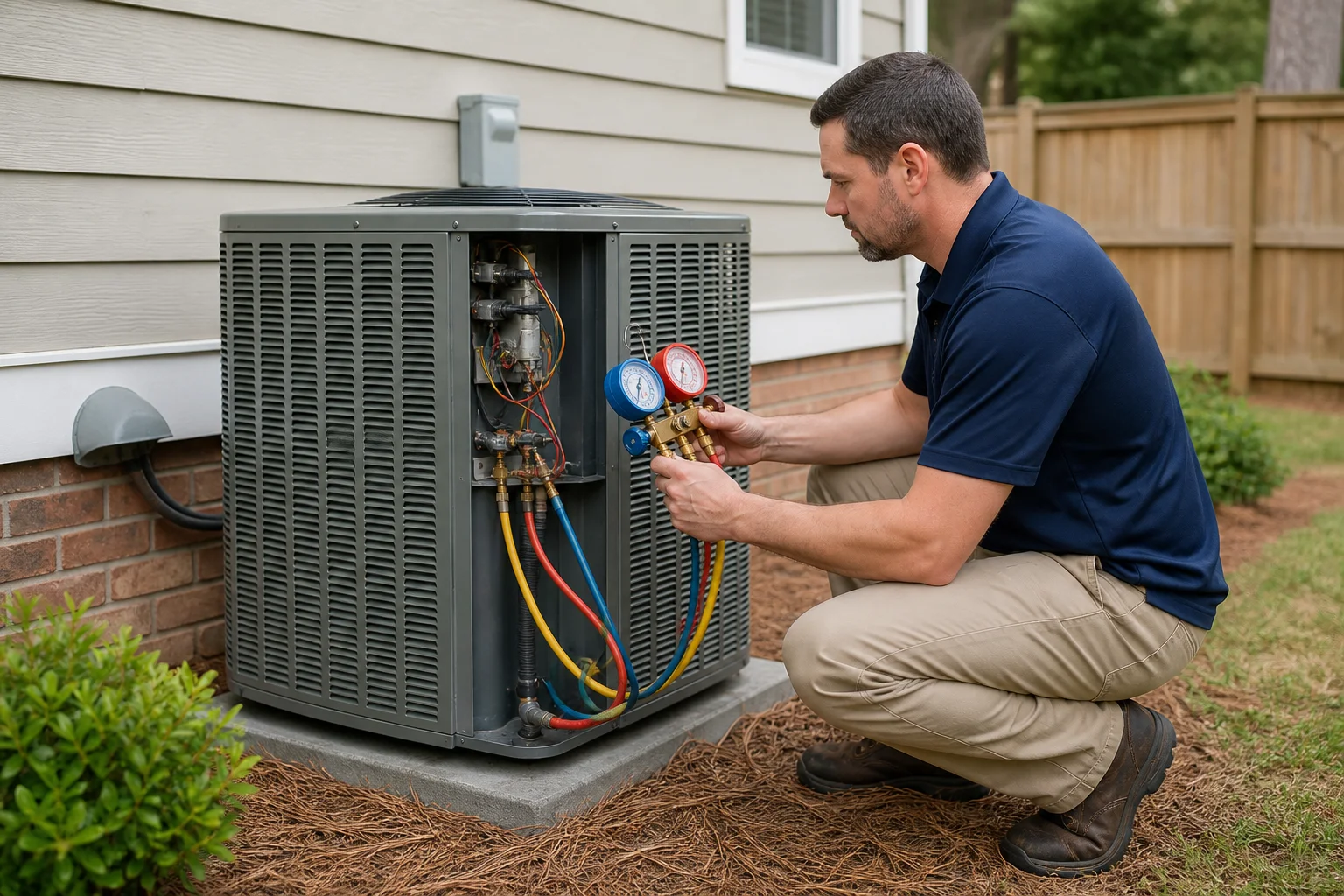
Outdoor units in Mary Esther face heat, wind driven rain, salt air, yard debris, and storm exposure. Salt residue can accelerate corrosion on condenser coils, cabinet panels, fasteners, and electrical connections. A suitable location should provide manufacturer required clearances, stable support, drainage, and reasonable access for condenser repair and maintenance.
The unit should not be hidden inside a tight enclosure or crowded by shrubs. Restricted airflow raises refrigerant pressures and reduces energy efficiency. It should also be positioned with flood risk, roof runoff, and routine landscaping in mind. After major storms, homeowners should look for impact damage and debris, but internal inspections should be left to a qualified HVAC contractor.
Coastal coil care must follow manufacturer guidance. Harsh household chemicals or pressure washing can damage delicate fins and protective coatings. Local experience matters because technicians familiar with HVAC service in Mary Esther understand the exposure conditions that equipment faces across nearby neighborhoods.
Comfort clues that point to a developing problem
A VRF system often provides warning before it stops completely. One zone may take longer to cool, an indoor unit may become noisier, or humidity may rise even though the thermostat reaches its setting. Other concerns include water around an air handler, ice on an evaporator coil, repeated error codes, weak airflow, unusual compressor sounds, and unexpectedly high energy use.
If several zones lose capacity together, the issue may involve the outdoor unit, compressor, system controls, refrigerant charge, or shared piping. A problem isolated to one room may involve that indoor unit, its sensor, filter, fan, electronic expansion valve, drain line, or local control. Refrigerant leaks can occur at flare joints, branch connections, coils, or damaged piping and should be located and repaired before refrigerant is added.
Homeowners searching for AC not cooling repair near me should note which zones are affected, whether the outdoor unit is operating, and whether a fault code appears. Do not remove panels or handle refrigerant components. VRF equipment contains sophisticated electronics and can operate at pressures that require trained service procedures.
Professional diagnostics protect a complex system
VRF troubleshooting requires more than checking whether cool air comes from a vent. A technician may review stored fault history, temperature sensors, compressor frequency, superheat or subcooling data where applicable, electronic valve position, indoor fan operation, and communication wiring. Manufacturer software may be needed to see how individual components interact.
A search for HVAC repair near me is more useful when it leads to a company experienced with the specific equipment type. Replacing a sensor without confirming wiring or refrigerant conditions can leave the real failure unresolved. The same is true when a system is treated like a basic mini split. Homeowners seeking ductless mini split repair near me should mention whether the property has a true VRF network, since tools and diagnostic steps can differ.
Heating faults also deserve prompt attention during cold weather. Many VRF systems are heat pumps and may occasionally enter defrost mode, but repeated shutdowns or cold air complaints need evaluation. If the home also uses a furnace or separate heater, professional heating service can determine whether the issue involves the VRF system, backup heat, controls, or another appliance. A heat pump repair near me search should lead to a contractor who can test the complete system rather than guess from one symptom.
Maintenance supports efficiency and prevention
Preventive HVAC maintenance should include filters, evaporator coils, blower wheels, drain pans, drain lines, condensate pumps, refrigerant connections, sensors, controllers, outdoor coils, and electrical components. Multiple indoor units mean multiple filters and drains, so a clear service record helps prevent one overlooked zone from causing water damage or poor indoor air quality.
Homeowners can keep returns and vents open, remove visible debris near outdoor units, follow filter cleaning instructions, and watch for water or error messages. Professional service should address deeper coil cleaning, refrigerant leak testing, performance measurements, and communication faults. Refrigerant should never be added as routine maintenance without investigating why charge is low.
Reasonable temperature settings improve efficiency. Closing off every unused zone may sound economical, but each system has minimum operating and connected capacity requirements. An HVAC contractor can explain how many zones should remain active and whether modest setbacks are better than shutting rooms down completely.
Property owners managing several homes may also benefit from the scheduling ideas in this guide to HVAC care for Mary Esther managed homes and rentals. Commercial and mixed use properties have additional ventilation and load considerations, covered in this resource on commercial HVAC design in Mary Esther. Ongoing commercial HVAC maintenance is especially valuable for systems serving many occupied zones.
Older homes, new construction, and additions need different plans
Older homes may benefit from VRF when attic space cannot accommodate large replacement ducts. However, installation still requires routes for refrigerant piping, control wiring, and insulated drain lines. Wall construction, historic finishes, and access for future repairs should be considered before work begins.
Newer homes can integrate concealed units, service panels, piping chases, and drainage during construction. Remodels and additions offer a middle ground. A VRF or mini split zone may solve comfort problems without forcing the existing air conditioner to serve more space than it was designed to handle.
Across Okaloosa County, permit requirements, equipment placement, wind considerations, and manufacturer specifications influence the finished installation. Local HVAC service helps connect those requirements with the realities of coastal weather and seasonal demand.
Situations that should not wait
Turn the system off and request prompt service if water is spreading across a ceiling, electrical odors are present, a breaker repeatedly trips, an outdoor unit has visible storm damage, or ice continues building on a coil or refrigerant line. Loss of cooling can also become urgent for infants, older adults, pets, and people with health conditions during extreme heat.
A Superior Mechanical provides design, installation, maintenance, and repair support for VRF systems and related air conditioning services in Mary Esther. A thoughtful system plan should deliver more than separate thermostats. It should keep air moving correctly, manage Florida humidity, protect indoor air quality, and remain accessible for years of dependable service.
Find VRF Multi-Zone Systems in Mary Esther, FL
If you need VRF Multi-Zone Systems in Mary Esther, FL, visit our local service page or contact A Superior Mechanical today.
Map of Mary Esther, FL
Frequently Asked Questions
Is a VRF system a good choice for a Mary Esther home?
It can be an excellent choice for homes with distinct comfort zones, additions, limited duct space, or rooms with different cooling loads. A professional load calculation and humidity review are needed to confirm whether VRF, a conventional heat pump, or another system is the better fit.
Can VRF equipment control Florida humidity?
Yes, when indoor units are sized correctly and fan speeds, controls, drain lines, and operating schedules are properly configured. Oversized units or short run times can reduce moisture removal. Some homes may also benefit from dedicated whole home dehumidification.
How often should a VRF multi zone system be maintained?
Most systems should receive professional maintenance at least twice a year in the Mary Esther climate. Homes near salt exposure, rentals with frequent occupancy changes, and systems that run heavily may need more frequent filter, coil, drain, and outdoor unit inspections.
Related Articles
- Keeping Mary Esther Properties Comfortable: A Practical Guide to HVAC Care for Managed Homes and Rentals
- Commercial HVAC design that keeps Mary Esther buildings comfortable, dry, and efficient
- How Better Plumbing Maintenance Extends Fixture Life in Mary Esther Homes
- How Better Plumbing Maintenance Protects Mary Esther Property Management Systems
Photo Gallery