A comfortable business needs more than cold air coming from the vents. It needs steady airflow, manageable humidity, reliable controls, and equipment that can handle long cooling seasons. In Bid-A-Wee, FL, salt air and coastal weather make those details especially important.
Commercial HVAC maintenance works best as a plan rather than an occasional service visit. For local offices, shops, and other occupied buildings, the goal is to catch developing problems before they disrupt normal operations. Many of the same principles help homeowners, particularly those managing older homes, additions, or spaces with separate heating and cooling equipment.
Start with the building, not just the equipment
A useful maintenance plan begins with how the property operates. A storefront with frequent door openings has different needs from an office with predictable occupancy. Equipment serving a busy reception area may run differently from a system cooling storage rooms or private offices.
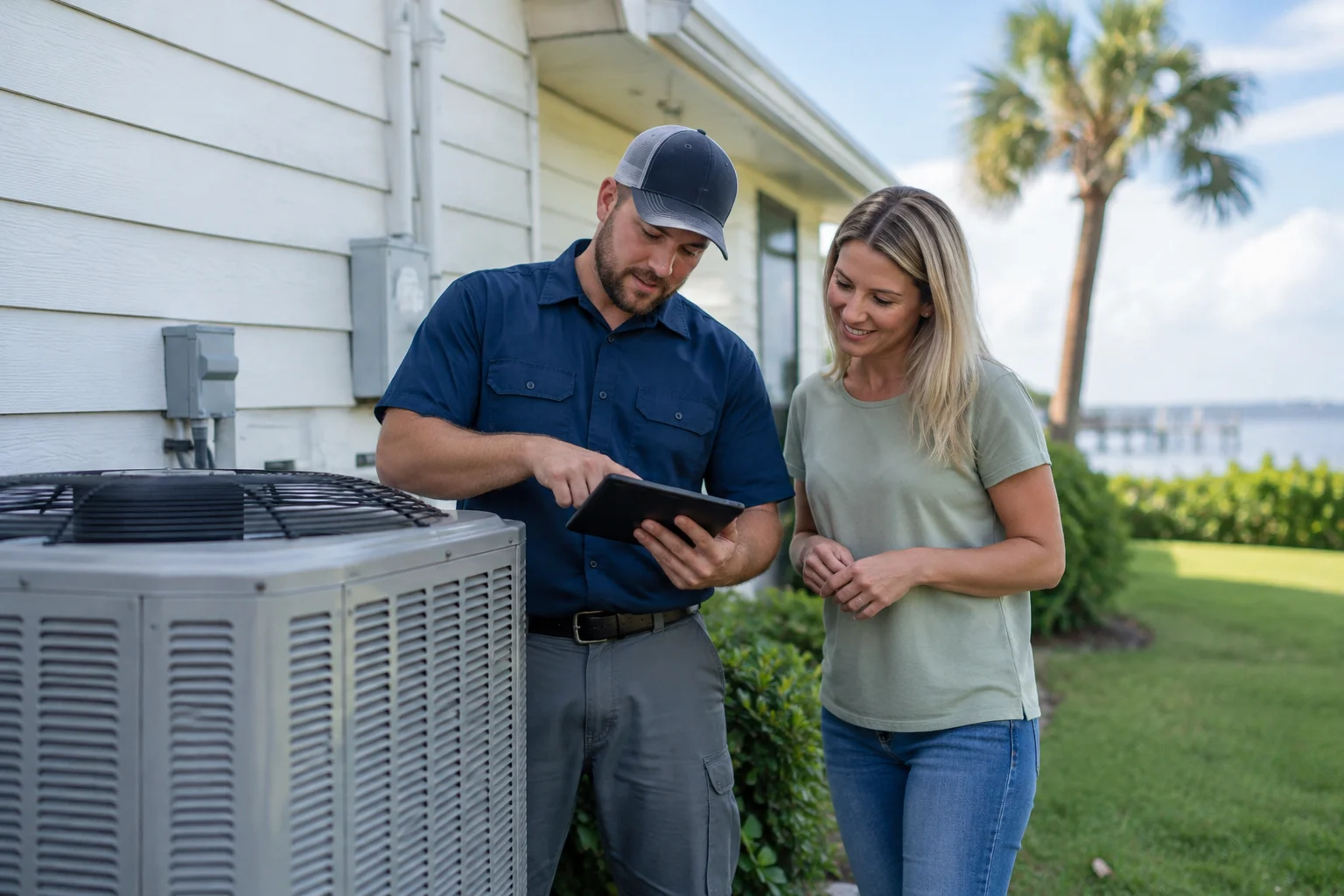
Before scheduling commercial HVAC maintenance in Bid-A-Wee, document equipment ages, previous repairs, filter sizes, operating hours, and comfort complaints. Note whether problems happen all day, only in the afternoon, or when occupancy increases. Those observations help a technician investigate causes instead of treating each complaint as an isolated event.
Homeowners searching for an HVAC company near me can use the same approach. A record of warm rooms, rising bills, or recurring drain problems gives a local contractor a more useful starting point than simply reporting that the AC feels weak.
Coastal conditions change the maintenance priorities
Salt air and outdoor equipment
Bid-A-Wee's Gulf proximity exposes outdoor units to salt carried through the air. Over time, corrosion can affect condenser coils, cabinets, fasteners, and connections. Condensers also need clear airflow to release heat. Vegetation, windblown debris, and stored items around equipment can interfere with that process.
Maintenance should include checking corrosion, coil condition, mounting stability, and manufacturer-required clearances. Cleaning methods matter: aggressive chemicals or pressure washing can damage fins and protective finishes. Have a technician recommend an appropriate cleaning schedule and method for the equipment's exposure and construction.
Humidity, storms, and long cooling seasons
Warm, humid weather creates both a cooling load and a moisture load. Storms can add debris, cause power interruptions, and expose equipment to standing water. After severe weather, inspect accessible areas from a safe distance. Do not restart equipment that has been submerged or visibly damaged.
Local HVAC service matters because operating conditions vary even within Bay County. A sheltered installation may weather differently from equipment facing open coastal exposure. A Superior Mechanical's Bid-A-Wee service area page provides a starting point for property owners arranging local help.
Make airflow testing part of the conversation
Airflow problems often appear as uneven temperatures, noisy returns, weak supply vents, or rooms that never seem comfortable. A dirty filter is one possible cause, but so are blower problems, blocked returns, damaged ductwork, and poorly adjusted dampers. Simply lowering the thermostat does not correct those restrictions.
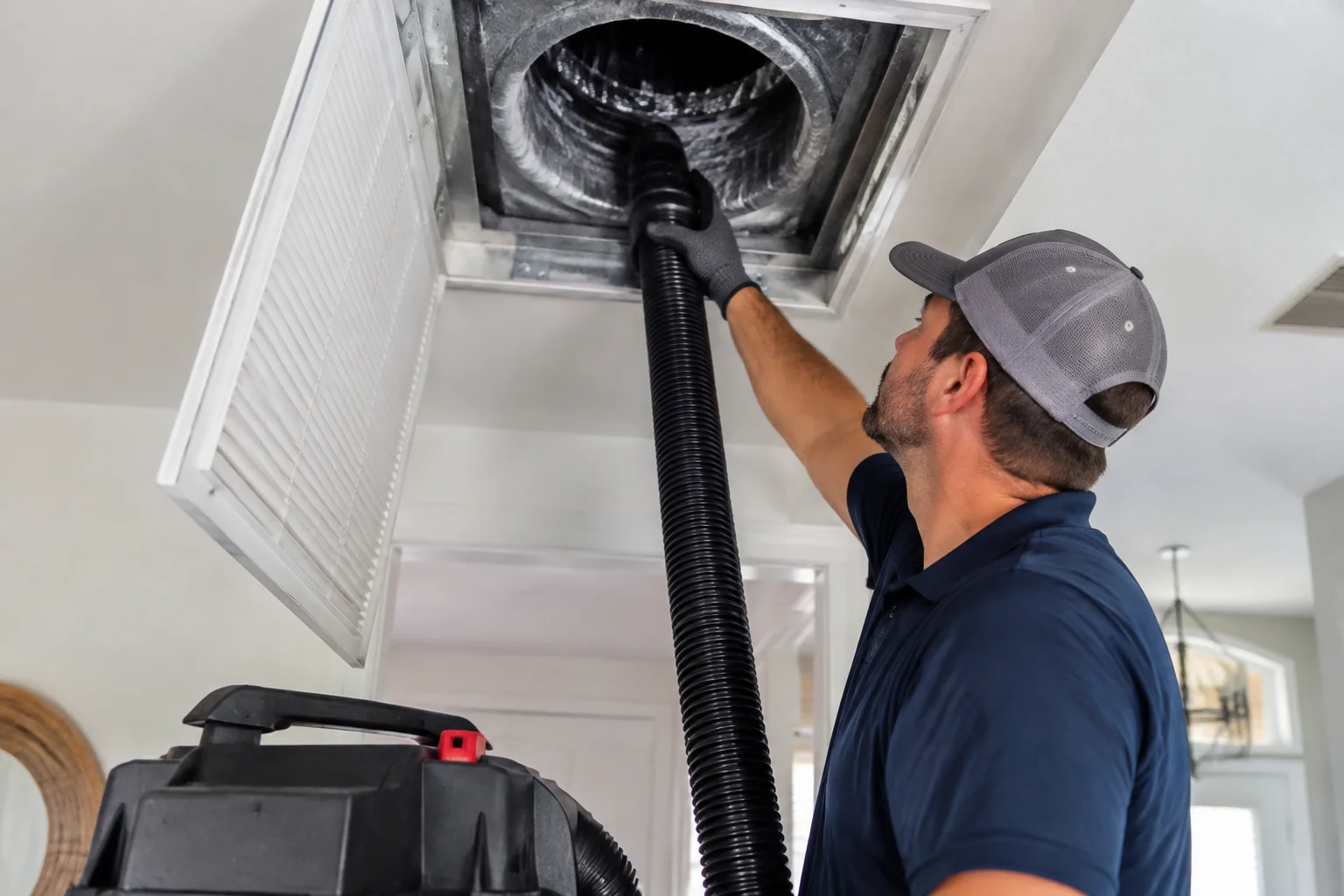
A thorough evaluation may include inspecting filters, blower assemblies, air handlers, evaporator coils, and accessible ducts. Where appropriate, technicians can measure static pressure and airflow against equipment requirements. These checks help distinguish a distribution problem from a cooling-capacity problem.
Keep supply vents and return grilles clear of furniture, displays, and boxes. Avoid closing multiple vents to force air into another room, since that can increase system pressure. Property owners searching for ductwork repair near me should ask whether the assessment includes leakage, insulation condition, and return-air pathways. Ductwork services in Bid-A-Wee can address distribution issues that routine equipment cleaning cannot fix.
Comfort depends on moisture control, too
A building can reach its thermostat setting and still feel clammy. Cooling equipment removes moisture when water vapor condenses on the evaporator coil, but performance depends on runtime, airflow, coil temperature, and the amount of humid air entering the building. Oversized equipment that cycles briefly may struggle with moisture removal.
Watch for persistent musty odors, condensation on indoor surfaces, damp ceiling areas, and indoor humidity that repeatedly exceeds roughly 60 percent. These conditions deserve investigation, although an odor or stain alone does not establish its cause. A reliable humidity monitor helps identify patterns during occupied and unoccupied periods.
Solutions may involve correcting airflow, sealing duct leaks, repairing drainage, adjusting controls, or evaluating outdoor-air ventilation. Required ventilation should not be reduced simply to lower humidity. Commercial properties may need dedicated dehumidification designed around their ventilation loads. For residential buildings, whole home dehumidifiers may help when the air conditioner alone cannot maintain suitable moisture levels.
Give coils, refrigerant, and drains focused attention
Dirty coils and refrigerant leaks
Dirty evaporator coils restrict heat transfer and may contribute to airflow problems. Dirty outdoor coils make heat rejection harder. Both conditions can increase energy use and reduce available cooling. Coil cleaning should follow manufacturer guidance and account for the condition of the equipment.
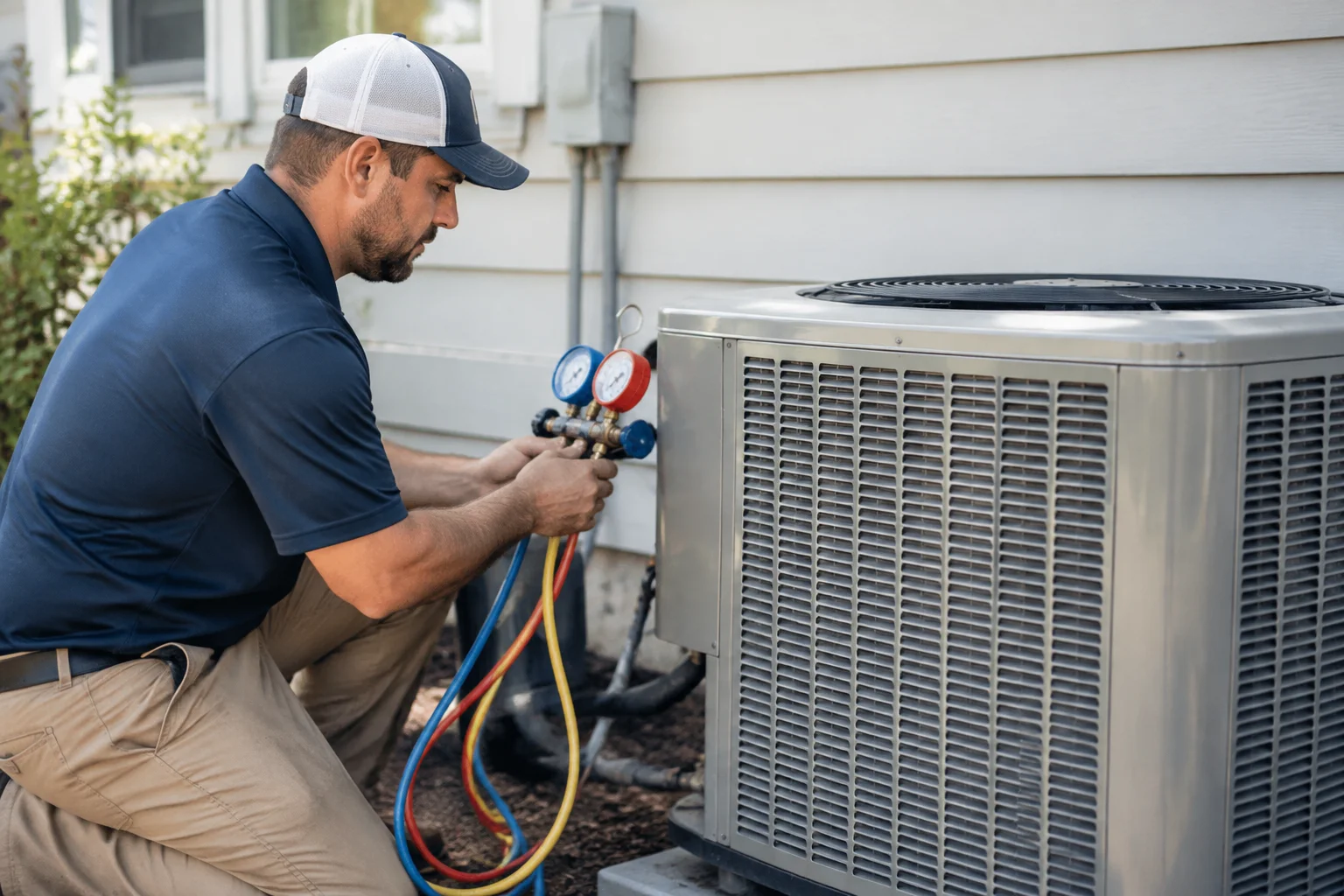
Refrigerant does not normally get used up. A low charge can indicate a leak or an earlier charging problem, and adding refrigerant without investigating the cause is not a complete solution. Charge evaluation should follow the equipment manufacturer's procedure, with airflow conditions checked first. Ice on refrigerant lines or the indoor coil calls for prompt professional assessment.
Condensate management
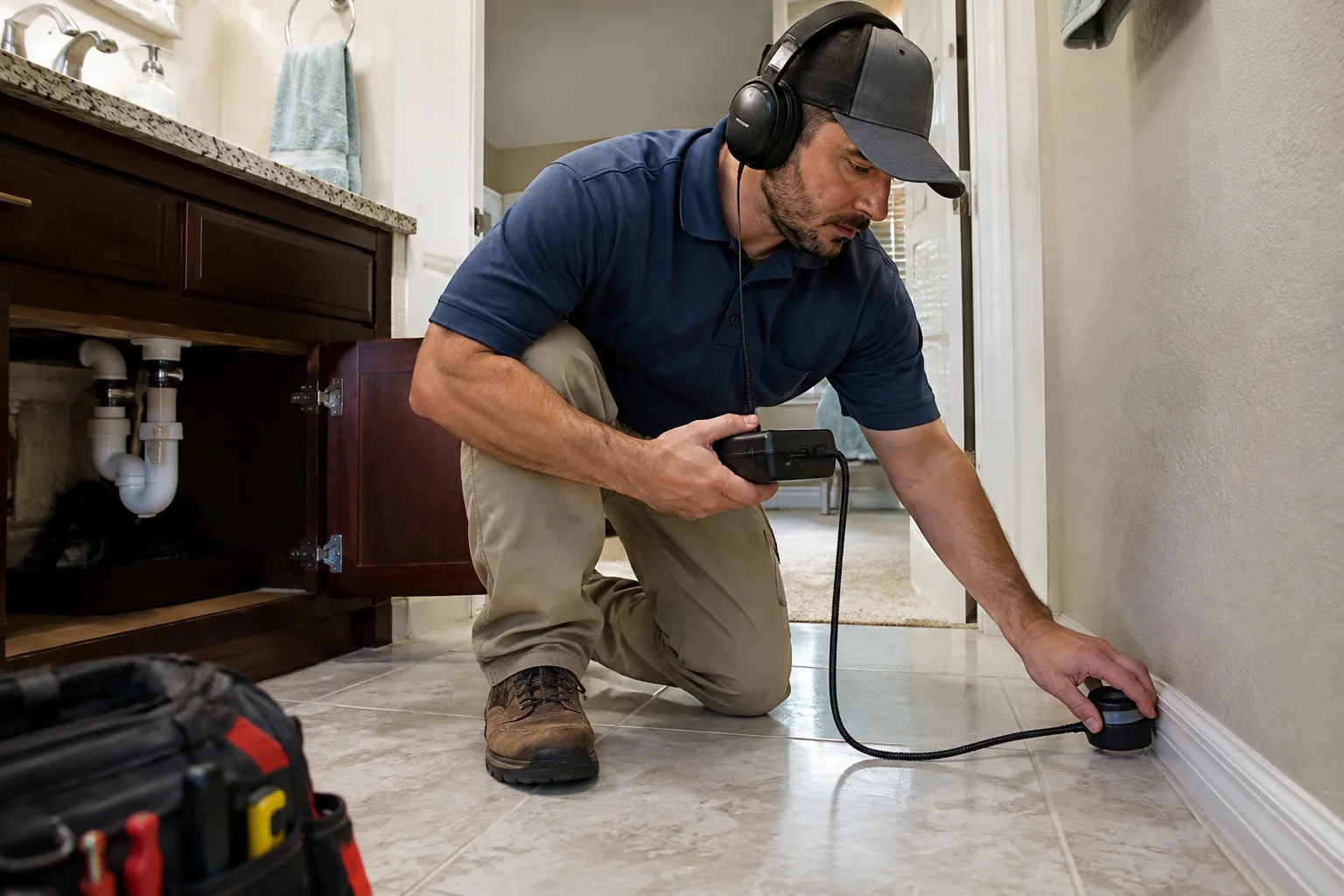
During humid weather, air handlers can produce substantial condensate. Blocked drain lines, damaged pans, and failed condensate pumps can allow water to reach ceilings, floors, or nearby materials. Maintenance should include checking drainage and testing installed overflow protection where applicable.
Staff can report water around equipment or unexpected system shutdowns, but they should not bypass a float switch to restore cooling. That switch may be preventing further water damage. Avoid pouring chemicals into a drain unless the equipment manufacturer or servicing contractor has approved the method.
Match the schedule to actual operating demands
Many properties benefit from professional maintenance before the main cooling season and again before heating demand increases. Commercial systems with long operating hours, heavy occupancy, substantial outdoor-air intake, or harsh exposure may need more frequent attention. Manufacturer requirements and warranty terms should also guide the schedule.
Filters need their own inspection routine. Check them regularly and replace them based on loading, filter specifications, and operating conditions rather than assuming every building needs the same interval. Use the correct size and a filtration level the system can accommodate. A more restrictive filter is not automatically a better choice.
Plan visits before seasonal demand builds. Keep a service log that records findings, repairs, filter changes, and unresolved recommendations. For owners managing multiple coastal properties, the approach in this Sandestin commercial HVAC maintenance guide offers another useful coastal planning reference.
Check thermostats and heating before they become urgent
Thermostats deserve more than a quick temperature adjustment. Maintenance should verify sensor accuracy, schedules, operating modes, and communication with connected equipment. A sensor near direct sunlight, an exterior door, or a heat-producing appliance may not represent the occupied space accurately.
New thermostat installation should account for equipment compatibility, including heat pump staging and auxiliary heat. Avoid aggressive setbacks without considering how the building recovers temperature and controls humidity. In some spaces, a modest schedule adjustment works better than allowing a large temperature swing.
Heat pumps need heating-mode checks before cooler weather arrives. Electric furnaces and auxiliary heating components also require appropriate inspection. Where fuel-burning furnaces are installed, combustion safety, venting, and heat exchanger condition need qualified attention. Heating repair and heat pump repair should address the diagnosed problem rather than relying on repeated resets.
Account for remodels, additions, and equipment changes
Older homes and commercial buildings may have duct leaks, aging insulation, or equipment selected for a previous layout. Newer homes and buildings can still develop comfort problems when occupancy changes or ventilation and controls are not properly coordinated. Equipment age alone does not explain every issue.
Remodels and additions can alter airflow paths, introduce more windows, or create rooms that the original system was not designed to serve. A load calculation and distribution review are more useful than assuming a larger replacement unit will solve the problem.
Ductless mini splits can provide independent conditioning for certain spaces, but they still need filter care, coil inspection, and condensate maintenance. They also do not automatically provide required outdoor-air ventilation. For a business considering changes beyond maintenance, commercial HVAC services can help connect repair decisions with longer-term system planning.
Improve efficiency without sacrificing indoor air quality
Energy efficiency usually improves when the system can move air properly, exchange heat effectively, and follow an appropriate operating schedule. Start with clean components, corrected duct leakage, suitable filtration, and functioning controls before assuming replacement is necessary.
Indoor air quality also depends on source control, ventilation, moisture management, and housekeeping. An air cleaner cannot correct a leaking drain pan or wet duct insulation. Review persistent odors, excessive dust, or humidity complaints as building conditions, not just reasons to purchase an accessory.
Compare energy bills with similar weather and operating hours whenever possible. A longer business day can raise consumption even when equipment is working correctly. If you are arranging an HVAC inspection near me, ask for measured findings and prioritized recommendations rather than a list of upgrades without supporting observations.
Know which problems should not wait
Schedule prompt air conditioning service for recurring shutdowns, poor cooling, ice buildup, or unusual equipment noise. Water near an air handler also deserves quick attention. For burning smells, smoke, or repeatedly tripping breakers, stop operating the equipment if you can do so safely and obtain professional help. Leave the building and contact emergency services for immediate fire danger or a suspected gas leak.
A business that loses cooling during extreme heat should consider occupant safety as well as equipment repair. Move vulnerable occupants to a cooler location when needed. Property owners searching for AC repair near me should describe the symptoms, affected areas, and any water or safety concerns. Air conditioning repair in Bid-A-Wee is the appropriate next step when maintenance findings reveal an active fault.
Turn service findings into a practical plan
Ask your contractor to separate immediate repairs from preventive work and longer-term improvements. A useful report identifies what was checked, what was measured, and what needs follow-up. That makes it easier to budget without overlooking issues that affect comfort or reliability.
A Superior Mechanical offers commercial HVAC maintenance for Bid-A-Wee properties and serves the surrounding Bay County area. Arrange a maintenance review around your building's hours, equipment, and coastal exposure so airflow, humidity, and developing wear receive attention before the busiest part of the season.
Find Commercial HVAC Maintenance in Bid-A-Wee, FL
If you need Commercial HVAC Maintenance in Bid-A-Wee, FL, visit our local service page or contact A Superior Mechanical today.
Map of Bid-A-Wee, FL
Frequently Asked Questions
How often should commercial HVAC equipment in Bid-A-Wee receive maintenance?
Many properties benefit from service before the cooling season and before heating demand increases. Systems with long operating hours, heavy occupancy, or significant coastal exposure may need more frequent visits. Filter inspections and replacement should follow a separate schedule based on actual loading and manufacturer guidance.
Why does a commercial building feel humid even when the AC is cooling?
Possible causes include short cooling cycles, excess outdoor moisture entering the building, duct leakage, incorrect airflow, or control problems. A technician should evaluate temperature, humidity, ventilation, and system operation before recommending changes. Some buildings need dedicated dehumidification in addition to air conditioning.
Can commercial HVAC maintenance prevent every breakdown?
No. Maintenance can identify developing problems and reduce avoidable strain, but it cannot guarantee uninterrupted operation. Regular inspections, documented repairs, clean components, and attention to coastal corrosion help reduce risk and support more informed repair or replacement decisions.
Related Articles
- A Coastal Comfort Plan for Commercial HVAC Maintenance in Sandestin
- Fewer Spots, Better Sips: Water Softening for Everyday Life in Bid-A-Wee, FL
- Water Purification in Bid-A-Wee, FL: A Fresh Look at Spots, Scale, Taste, and Odor
- Keeping Water Moving in Bid-A-Wee: Practical Care for Pipes, Leaks, and Drains
Photo Gallery