A waterline problem does not always start with a puddle. Sometimes the first clue is a weak shower, a higher water bill, or the sound of water moving when every fixture is off. In Bid-A-Wee, where year-round homes sit alongside vacation properties, those small changes can go unnoticed between visits or busy rental periods.
Knowing how your supply pipes, drains, and fixtures work together makes it easier to catch trouble early. A Superior Mechanical provides waterline services in Bid-A-Wee, FL, including leak detection, main water line repair, replacement, and new installations. Here is how to recognize problems and make sensible repair decisions.
Start by separating supply problems from drain problems
Your waterline brings pressurized fresh water into the home. Branch pipes then carry it to faucets, toilets, appliances, and the water heater. Drain and sewer pipes do a different job: they carry used water away, usually by gravity. A slow sink and a weak faucet may happen together without sharing a cause.
Low flow throughout the house can indicate a supply restriction, partially closed valve, pressure regulator issue, utility interruption, or leaking main. A sink that fills while the faucet runs normally points toward a drain restriction. Telling a plumber which fixtures are affected helps narrow the investigation and avoids treating the wrong system.
What coastal conditions mean for Bid-A-Wee plumbing
Bid-A-Wee's coastal Bay County setting brings hot, humid summers, heavy rainfall, and exposure to tropical storms. Exterior valves and fittings exposed to salt air may deteriorate faster than sheltered components. Rain can also hide a leaking underground waterline by making an already wet yard look unremarkable.
Homes may have original pipes, remodeled bathrooms, additions, or replacement sections installed at different times. That means pipe material and condition matter more than appearance alone. A renovated kitchen does not necessarily mean the buried supply line was updated.
Vacation occupancy adds another variable. Several showers, laundry loads, and dishwasher cycles can reveal a restriction that was less noticeable during lighter use. Local plumbing service matters because troubleshooting should account for the property's layout, occupancy, utility connection, and applicable Bay County requirements.
Leaks often leave clues before they become obvious
Watch for unexplained water use
Compare water bills with actual occupancy and irrigation use. An increase during a busy rental week may make sense; a steady increase while the home is empty deserves attention. Running toilets, outdoor hose leaks, and irrigation faults should be checked alongside the main waterline.
If the meter is safely accessible, turn off all water-using fixtures and appliances, including irrigation and automatic equipment. Observe the meter's leak indicator or compare readings after a quiet interval. Continued movement suggests water use somewhere, but it does not identify the location. Do not operate utility-owned valves or disturb meter equipment.
Check floors, walls, and outdoor areas
Look for damp cabinet bottoms, stained baseboards, musty odors, or a patch of yard that stays wet after surrounding ground dries. Sandy soil can allow water to move away from a buried leak, so the wettest spot may not sit directly above the damaged pipe.
Warm flooring, unexplained moisture, or water sounds beneath a slab may justify slab leak testing. These clues are not proof on their own. Homeowners searching for water leak repair near me should look for a service that locates the source before recommending excavation or opening floors.
Pressure changes need diagnosis, not guesswork
If one faucet has weak flow, its aerator or cartridge may be restricted. If several fixtures struggle at the same time, the cause may involve the main supply, a regulator, a filter, or pipe sizing. Low hot-water flow with normal cold-water flow points toward the hot-water system rather than automatically indicating a main line problem.
A pressure gauge can help document conditions, but one reading does not tell the whole story. Pressure at rest can look acceptable while flow drops sharply under demand. Repeated readings above 80 psi warrant professional evaluation because excessive pressure stresses valves, supply hoses, and fixtures.
Do not adjust a pressure regulator simply to make a shower stronger. A plumber can measure static and flowing pressure, check restrictions, and determine whether a utility-side issue needs reporting. Hammering pipes also deserve attention, especially when they accompany pressure spikes or loose pipe supports.
Choosing between waterline repair and replacement
A localized repair may be enough
An isolated damaged fitting or short pipe section may be repairable when the surrounding material remains sound. The plumber should consider the pipe's condition, accessibility, previous repairs, and the reason it failed. Repairing the visible break without addressing excessive pressure or physical stress can leave the same problem waiting to happen again.
Repeated failures call for a broader plan
Replacement may be more practical when a line has recurring leaks, extensive corrosion, inadequate capacity, or several failing sections. A new route might reduce disruption, but its suitability depends on the property, approved materials, required depth, and local rules. Trenchless methods are not appropriate for every site.
Ask for a scope that explains locating, excavation, permits when required, connection work, testing, and surface restoration. Underground utilities should be marked before digging. For homeowners comparing repair options, making smarter plumbing choices for Bid-A-Wee homes offers additional planning considerations.
Give drains and sewer lines their own attention
Waterline repair will not clear a grease-clogged kitchen drain or remove roots from a sewer. Keep grease, wipes, paper towels, and hygiene products out of drains and toilets. Even products labeled flushable can contribute to blockages. Hair catchers help in showers, especially in homes with frequent guests.
A single slow drain may have a localized obstruction. Several slow fixtures, toilet bubbling, or wastewater rising in a shower suggest a shared branch or sewer problem. Stop using affected plumbing if sewage backs up. Repeated flushing can spread contaminated water rather than clear the blockage.
Professional drain cleaning should match the pipe's material and condition. A sewer camera inspection may help identify roots, offsets, or damage, although standing water and heavy buildup can limit visibility. A search for sewer inspection near me is useful when recurring backups need an explanation beyond another temporary clearing.
Avoid repeated chemical drain treatments. They can create splash hazards and complicate later service. Tell the plumber if any product has already been used.
Fixtures and water heaters can mimic waterline trouble
A toilet that quietly refills between uses can waste substantial water without leaving a puddle. A worn flapper, faulty fill valve, or incorrect water level may be responsible. A simple dye test in the tank can help reveal leakage into the bowl. Toilet repair and replacement in Bid-A-Wee can address the fixture when that is the actual source of excess use.
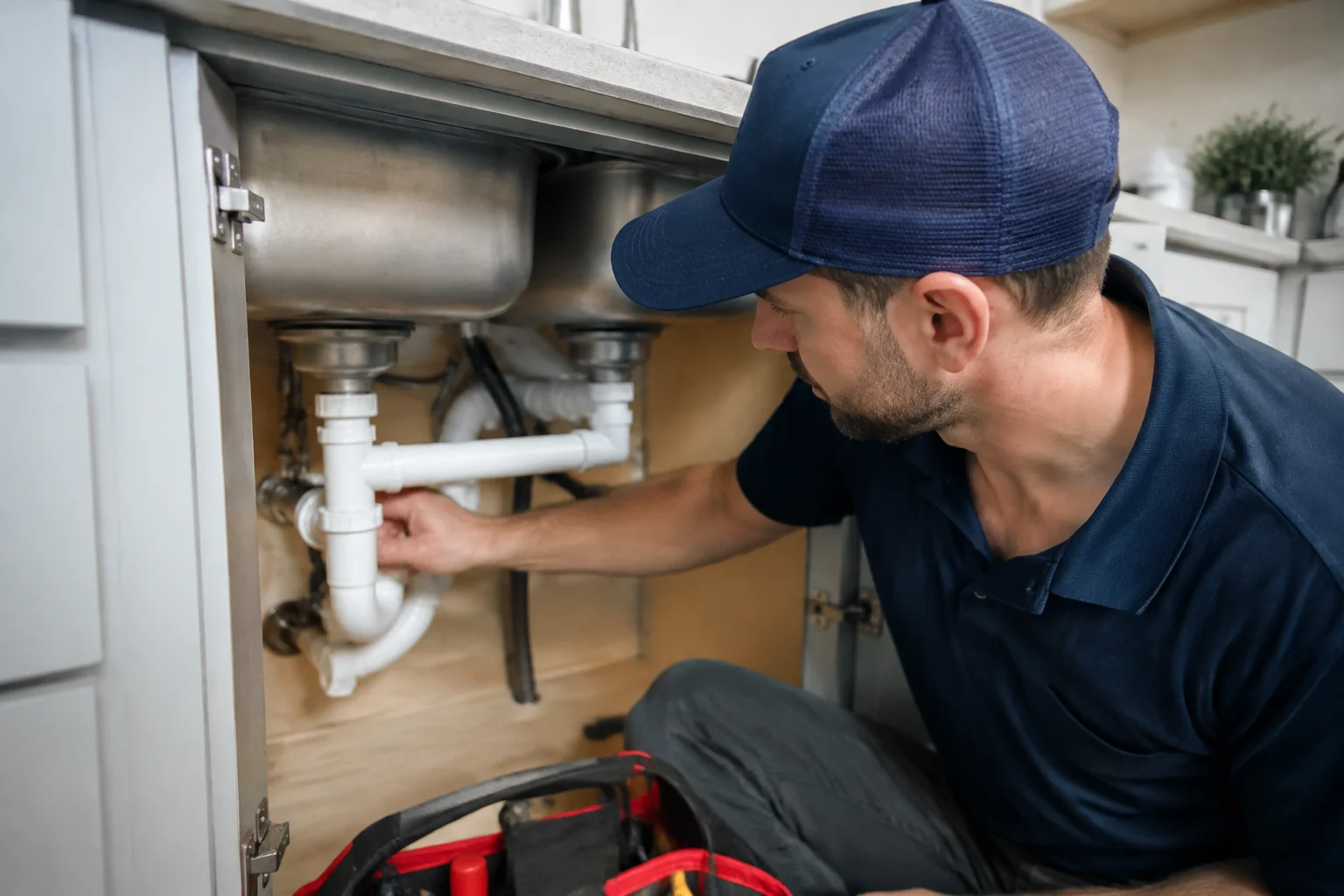
Faucet repair may involve a cartridge, seal, aerator, or supply connection rather than the home's main line. Check under sinks while the faucet runs, then again after it stops. Dry tissue around accessible connections can reveal small drips that are difficult to see.
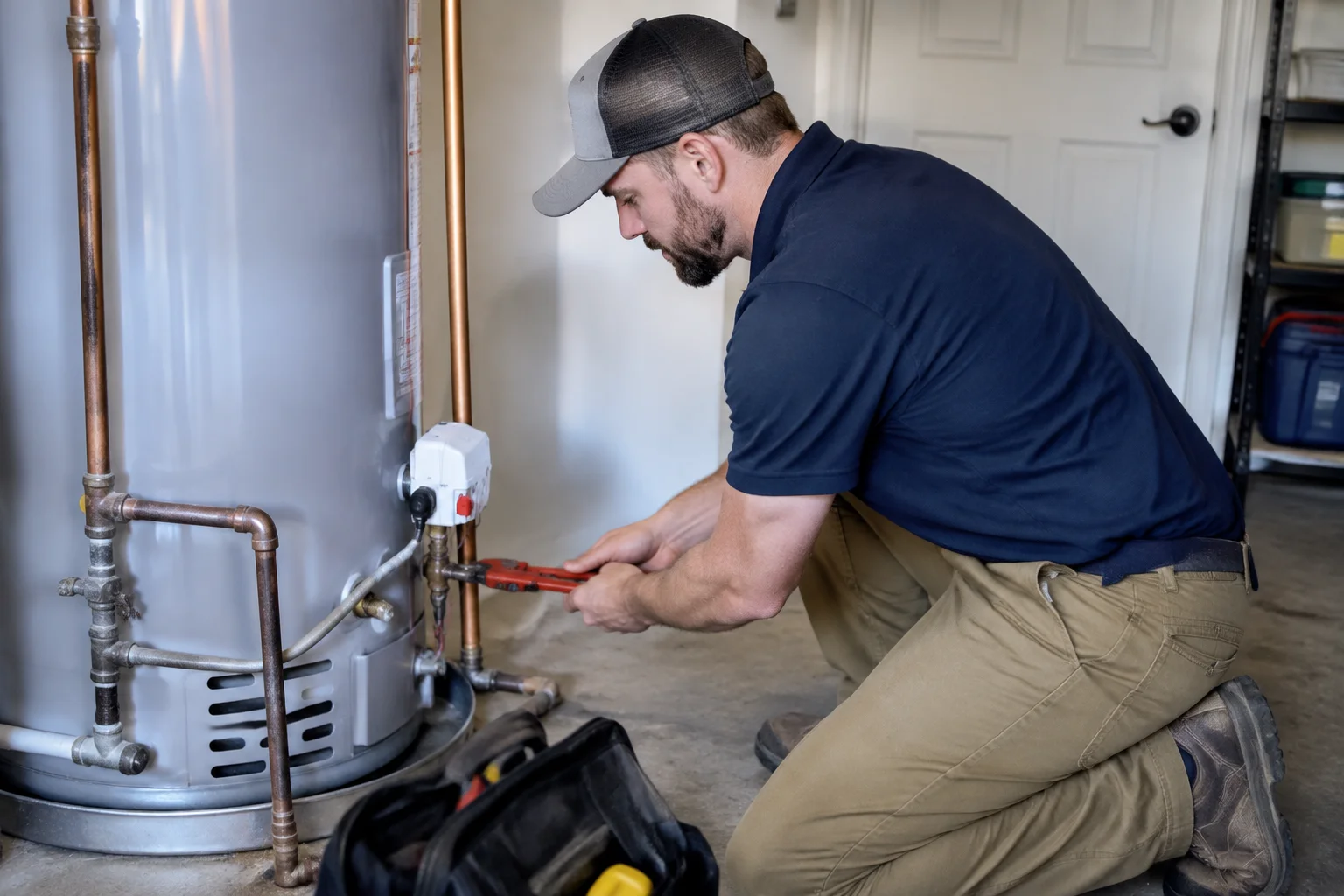
Water heater leaks require their own diagnosis. Moisture may come from a connection, valve, nearby pipe, or the tank itself. Never cap a temperature and pressure relief discharge pipe. If hot water becomes unreliable or leakage appears, arrange water heater repairs rather than assuming the entire supply system needs replacement.
Hard water deserves testing before treatment
White deposits on fixtures can indicate mineral buildup, but appearance alone does not establish water hardness or justify a particular treatment system. Check available utility water-quality information or have the water tested. Hardness can vary with the supply, and existing plumbing conditions affect what homeowners notice at the tap.
Mineral scale can restrict aerators and affect water heater performance over time. Follow manufacturer instructions for cleaning fixtures, flushing tanks, or descaling tankless equipment. Filtration and softening solve different problems, and neither repairs a leaking pipe. Learn more about how plumbing conditions affect water purification in Bid-A-Wee homes before selecting equipment.
A practical maintenance routine for coastal homes
Once a month, look beneath sinks, around toilets, behind accessible appliances, and near the water heater. Check outdoor hose bibs and exposed connections for dripping or corrosion. Review water use for changes that do not match your household's habits.
Locate and label the home's main water shutoff before an emergency. Keep it accessible and have a stiff, leaking, or corroded valve evaluated instead of forcing it. Before extended travel, ask a plumber whether shutting off the domestic supply is appropriate for your setup, including irrigation, fire protection, and water heater requirements.
For rentals, give guests a clear way to report weak pressure, running toilets, and slow drains. Schedule checks between occupancies, and consider leak sensors near vulnerable appliances. Our guide to regular plumbing maintenance in Bid-A-Wee can help turn occasional checks into a consistent routine.
Act quickly when water threatens the home
A burst line, rapidly spreading leak, sudden loss of supply with yard flooding, or sewage backup needs prompt attention. Shut off the domestic water supply if you can reach the correct valve safely. Keep away from standing water near electrical equipment, and do not enter contaminated areas to investigate.
When searching for an emergency plumber near me, explain whether the water is still running, whether the shutoff worked, and whether sewage is involved. Ask about current availability rather than assuming immediate arrival. Take photographs only when safe, and keep people and pets away from damaged areas.
Arrange plumbing help around the actual problem
When comparing results for a licensed plumber near me, ask about licensing, diagnostic methods, and experience with buried supply lines. A useful estimate should explain the likely cause, proposed work, and any uncertainty that requires further testing.
A Superior Mechanical serves homeowners seeking plumbing help in Bid-A-Wee and properties throughout its Bay County service area. For waterline concerns, share the affected fixtures, recent bill changes, pipe history if known, and any visible moisture. Those details help move the visit toward a targeted repair instead of guesswork.
Find Waterline Services in Bid-A-Wee, FL
If you need Waterline Services in Bid-A-Wee, FL, visit our local service page or contact A Superior Mechanical today.
Map of Bid-A-Wee, FL
Frequently Asked Questions
How can I tell whether a leak is in my waterline or a fixture?
Start by checking toilets, faucets, appliance connections, and irrigation for unexplained water use. If a safely accessible meter continues registering use with everything off, a hidden leak is possible. A plumber can isolate sections and perform leak detection to distinguish a buried waterline leak from a fixture or interior pipe problem.
Does low water pressure mean my Bid-A-Wee home needs a new waterline?
Not necessarily. A clogged aerator, partially closed valve, restricted filter, pressure regulator problem, or utility interruption can cause similar symptoms. Whole-house pressure and flow testing helps determine whether the supply line needs repair or replacement.
What should I do if I suspect a slab leak?
Arrange professional leak detection promptly, especially if you notice unexplained floor moisture, warm spots, or water sounds with fixtures off. If water is actively spreading, shut off the home's domestic supply when safe. Avoid opening floors until testing has identified the likely source and repair options.
Related Articles
Photo Gallery