At four in the afternoon, a Freeport sunroom can be too warm to use even though the living room is comfortable. After a summer shower, the problem can flip: the sun disappears, the room cools off, but the cushions still feel clammy. A good ductless mini-split plan accounts for both afternoons, not just the hottest hour of the year.
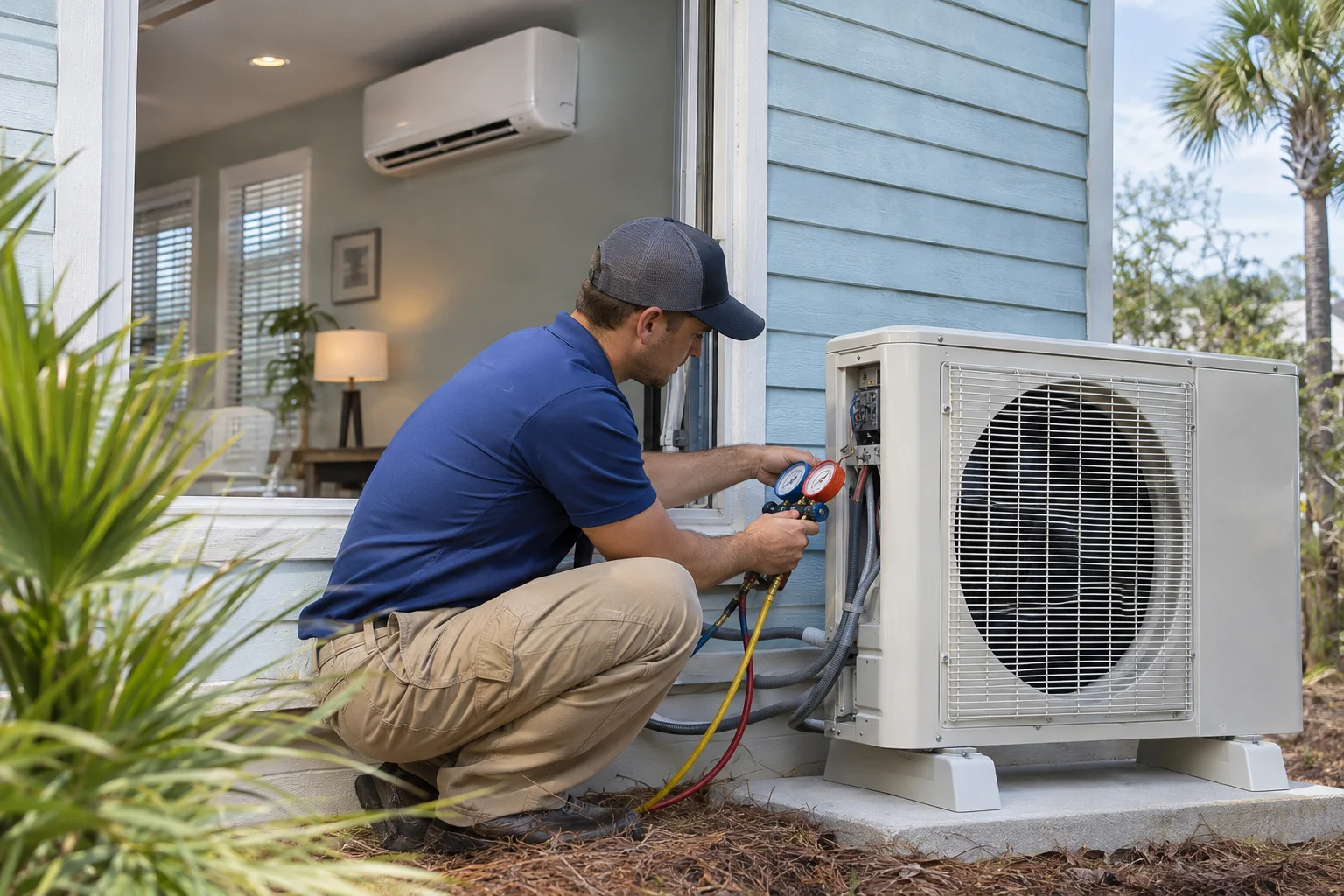
A Superior Mechanical installs and services ductless mini-splits in Freeport, FL, for spaces ranging from single bedrooms to rental properties. Before choosing equipment, it helps to figure out where the heat comes from, where the air needs to go and how the system will get moisture out of the house.
Start with the room, not the equipment catalog
Walk through the space at the time it bothers you most. Is it hot only when sunlight reaches the west windows? Does a bedroom get stuffy as soon as someone closes the door? Is the entire addition uncomfortable, or just the chair beside the glass? Those details tell an HVAC contractor more than a floor plan alone. They also help distinguish a room that needs its own cooling from one that needs a simpler repair.
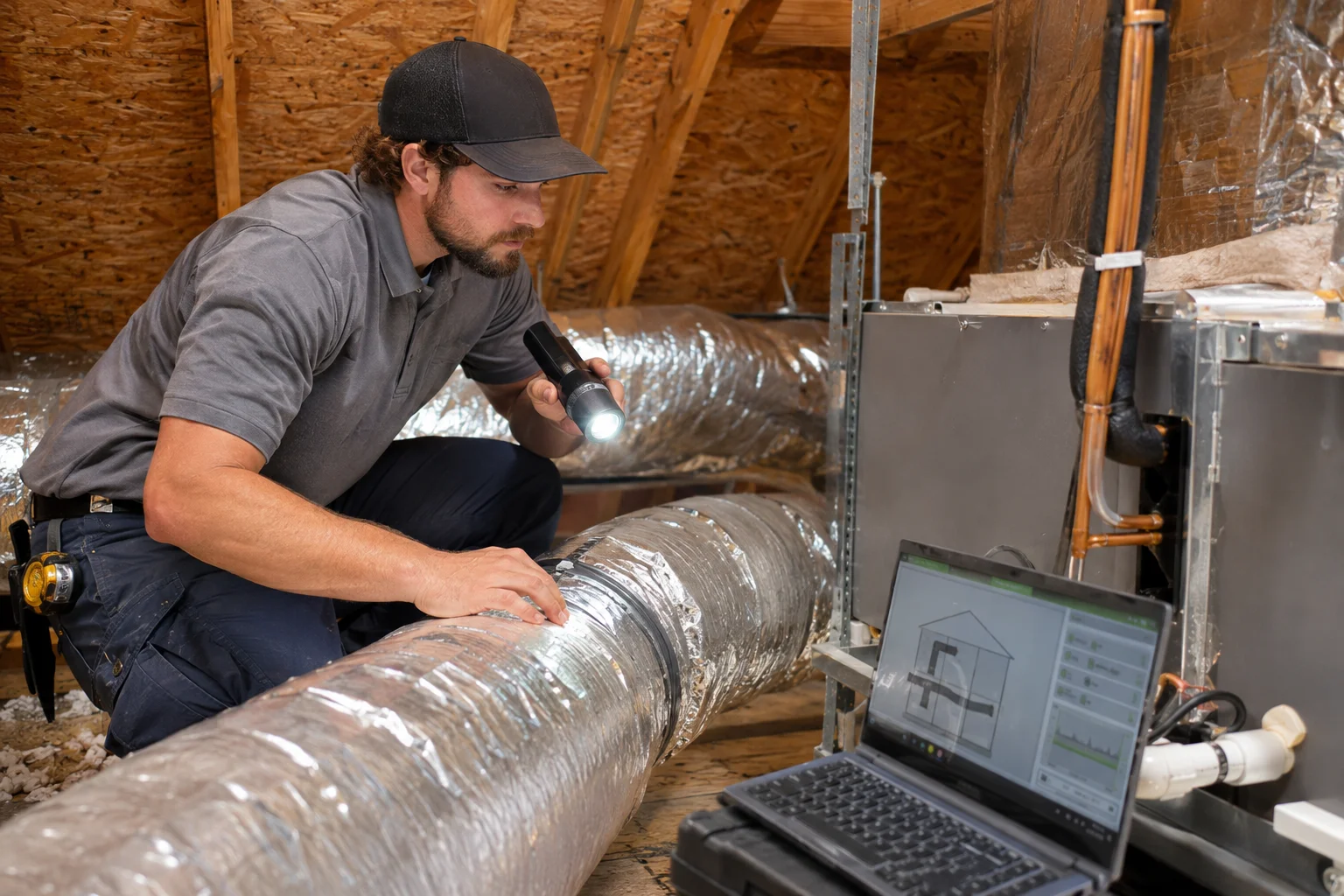
In an older Freeport home, a room at the far end of the ductwork may have a disconnected supply branch, a crushed flex duct or no good path for air to return with the door closed. Have the airflow at the vents checked before buying another system. Ductwork repair or duct sealing may restore comfort using equipment you already own. By contrast, extending a small existing branch into a new addition can leave both the addition and the original room short of air.
Newer homes present a different question. A well-insulated office may need very little cooling until two people, their computers and the afternoon sun occupy it together. If a search for sunroom mini split installation near me started your project, tell the estimator how the room is actually used. A glass enclosure used on weekends deserves a different assessment from a former porch converted to a full-time office.
Size for humid days as well as hot ones
Ask for a room-by-room load calculation that considers windows, orientation, ceiling height, insulation and air leakage. Square footage alone misses too much. Two rooms of equal size can have quite different cooling loads if one sits under an insulated attic and the other has a vaulted ceiling with afternoon sun on three sides.
In cooling mode, warm room air passes over the cold indoor evaporator coil. Water condenses on the coil and runs into a pan and drain line. That process takes operating time. An oversized unit may cool the air to the thermostat setting quickly and stop before it has removed enough moisture. Turning the setpoint down another few degrees can leave you with a colder room rather than a comfortable one.
Ask how low the system can run
Many ductless heat pumps have variable-speed compressors. Their ability to reduce output is particularly useful during Walton County's mild, damp weather, but every model has a minimum capacity. For a small bedroom, ask about that minimum as well as peak output. If several indoor air handlers will share one outdoor unit, ask how the system performs at night when only the smallest bedroom is calling for cooling.
Give the air a clear path to the people using the room
Stand where the indoor head is proposed and look across the room. A tall cabinet, ceiling beam or deep shelving can interrupt the air stream. In a narrow addition, blowing along the length of the space may work better than blowing directly across it. In a bedroom, consider where the bed sits: a placement that looks tidy above a doorway may send cold air straight onto the pillow.
One head can serve an open area, but it cannot reliably condition a series of rooms behind closed doors. For a rental with two bedrooms, discuss nighttime privacy before choosing a single hallway unit. For a remodel, settle cabinet locations and exhaust routes before picking the mounting wall. Freeport homeowners coordinating those trades can use this kitchen and laundry ventilation guide while the walls are still open.
Choose controls that measure the right place
A sensor high on the wall may read a different temperature from the one you feel at desk height. Ask whether the model supports a remote room sensor or a compatible wall controller. If you prefer a familiar smart thermostat, verify compatibility before arranging thermostat installation. A generic thermostat and adapter may not give you the same fan, vane or modulation controls as the manufacturer's controller.
Make a deliberate plan for moisture
Use an inexpensive humidity gauge in the occupied part of the room, away from windows and the supply air stream. Relative humidity that regularly stays above 60 percent merits attention, especially if you also notice musty odors or damp surfaces. Note the temperature, humidity and time of day for a few days. A brief spike after a door is opened tells a different story from a room that stays damp overnight.
Most wall-mounted mini-splits recirculate indoor air. They do not replace bathroom exhaust, bring in measured fresh air or solve moisture coming through a leaky enclosure. For better indoor air quality, check that bath fans exhaust outdoors and that doors to an unconditioned garage seal properly. If humidity remains high during mild weather with little demand for cooling, ask whether dedicated dehumidification makes more sense than running the room colder.
Plan the condensate route before installation. A gravity drain needs a continuous downward path to a suitable discharge point, not a dip behind a cabinet where water can collect. If gravity drainage is not practical, ask where the condensate pump will sit and how someone will reach it for service. A drip from the indoor head is not normal. Stop cooling in that zone, protect the furnishings below and arrange service rather than letting water disappear into the wall.
Choose an outdoor location that will still work after a storm
In Freeport, coastal weather matters even when a house is not on the water. Salt air exposure varies by site, and wind can carry debris against an outdoor coil. Look for a location clear of roof runoff, sprinkler spray and low spots that hold water after heavy rain. Ask the installer about mounting, elevation and anchoring for your property, along with manufacturer-approved options for corrosion protection where exposure warrants it.
The outdoor coil acts as the condenser in cooling mode and needs room to release heat. A decorative screen that crowds the outdoor unit can send hot discharge air back through the coil. Leave the specified clearances, including space for a technician to remove panels. After storms, check from a safe distance for shifted equipment, damaged refrigerant lines or standing water. Do not restart a unit that has been flooded until a professional has inspected it.
Protect efficiency without chasing the thermostat
Start with a comfortable setpoint and let the unit settle before making another adjustment. Use the vane to direct cooling across the occupied space and try the recommended automatic fan setting. Close shades before strong afternoon sun reaches the glass. These small changes reduce the load without asking the compressor to compensate for a hot window or poor air distribution.
Where a mini-split supplements a central heat pump or furnace, decide which system serves which space. A ductless head that warms the hallway beside the central thermostat can satisfy it early, leaving distant bedrooms cold. Tell your heating contractor about both systems before scheduling furnace service or requesting heating repair for uneven temperatures. The equipment may be sound even though the controls are working against each other.
A maintenance routine that catches trouble early
During heavy cooling use, check washable filters about monthly and clean them according to the manual. A rental with frequent turnovers or a room shared with shedding pets may need more frequent checks. Keep furniture away from the intake and leave the outdoor unit clear of leaves. Avoid pressure washing coil fins or spraying household cleaners inside the head. A clean filter helps airflow, but it does not clean a dirty blower wheel or clear a blocked drain.
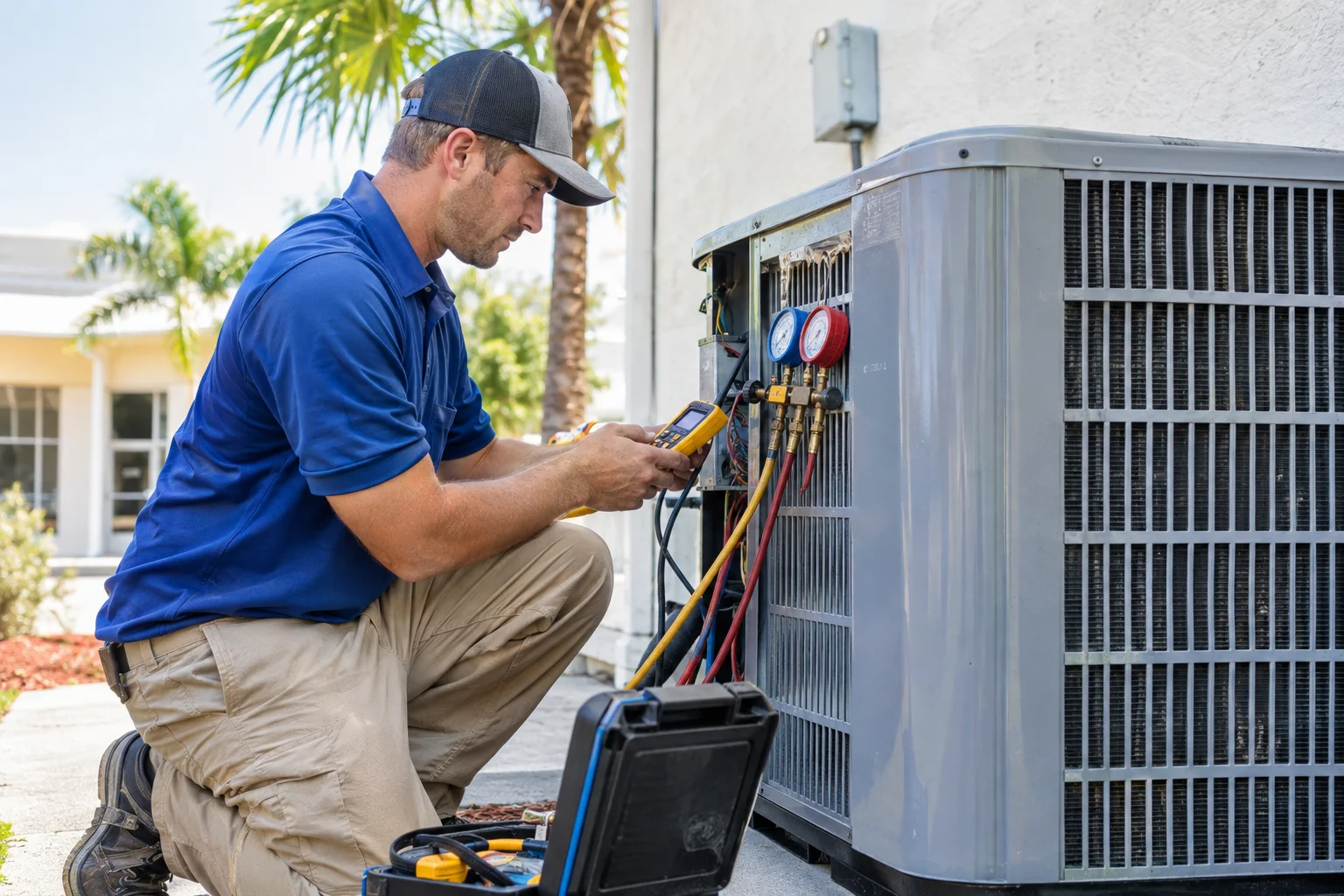
Arrange air conditioning maintenance in Freeport ahead of peak summer demand. Ask the technician to inspect the indoor coil and blower, test drainage, check the outdoor coil for deterioration and verify operation in each zone. If you are comparing results for seasonal HVAC maintenance near me, confirm that the visit covers every indoor head, not just the shared outdoor equipment.
Know which symptoms should not wait
Weak airflow, ice on an indoor coil or cooling that fades over several days calls for diagnosis. Dirty filters and blower problems can restrict airflow; refrigerant leaks can also cause icing and lost capacity. Shut cooling off if you see ice. Do not chip it away or assume the unit just needs refrigerant. A technician should identify the cause and address a confirmed leak rather than repeatedly topping up the system.
A burning smell, repeated breaker trips or water reaching electrical components warrants immediate shutdown if you can do so safely. Do not keep resetting a breaker. If a search for same day AC repair near me follows a sudden outage, tell the dispatcher whether one zone or the whole house is down and whether anyone is particularly vulnerable to heat. Move to a cooler location if indoor temperatures become unsafe. For a unit that runs but no longer cools or heats properly, request local AC repair and describe what changed, including any error code on the controller.
Get a proposal you can walk through on site
Ask the estimator to show you the indoor mounting point, the outdoor location, the path of the refrigerant lines and the drain discharge. Have the discussion with doors and furniture where they normally are. The proposal should identify the equipment serving each room and explain how you will reach filters, operate the controls and arrange heat pump repair if a zone fails.
Local service matters long after installation, particularly when summer bookings fill up or storm damage affects access. A Superior Mechanical provides HVAC service in Freeport and serves properties across Walton County. For an initial visit, bring your room measurements, a few humidity readings and a note about the least comfortable time of day. That gives the conversation a useful starting point: not just which mini-split fits the wall, but which plan makes the room pleasant to use.
Find Ductless Mini-Splits in Freeport, FL
If you need Ductless Mini-Splits in Freeport, FL, visit our local service page or contact A Superior Mechanical today.
Map of Freeport, FL
Frequently Asked Questions
Can a mini-split keep a Freeport sunroom dry on rainy days?
It removes moisture while cooling, but on a mild rainy day the room may not need enough cooling for sustained moisture removal. Track humidity at seating height. If it stays above 60 percent, have the unit sizing, air leakage and need for separate dehumidification assessed.
Should I extend my ducts or install a mini-split for an addition?
Have a contractor check the addition's load, the central system's available capacity and the proposed supply and return paths. Extending ducts may work if all three check out. A mini-split is worth considering when a duct route is impractical or the addition needs cooling at different times from the main house.
Is water under a ductless heat pump normal?
Location matters. Water at the condensate drain outlet is expected during cooling, and an outdoor heat pump can shed water during a winter defrost cycle. Water dripping from the indoor head onto the wall or floor is not normal. Stop cooling and have the drain, pan and coil checked.
Related Articles
- Cleaner Everyday Water in Freeport, FL: Solving Hard Water Spots, Scale, Taste, and Odor
- Remodeling a Kitchen or Laundry Room in Freeport: Plumbing, Power and Ventilation
- Better Hot Water Starts With Healthy Plumbing in Freeport
- Backup Power That Fits Your Freeport Home: Panels, Wiring, and Generator Care
Photo Gallery