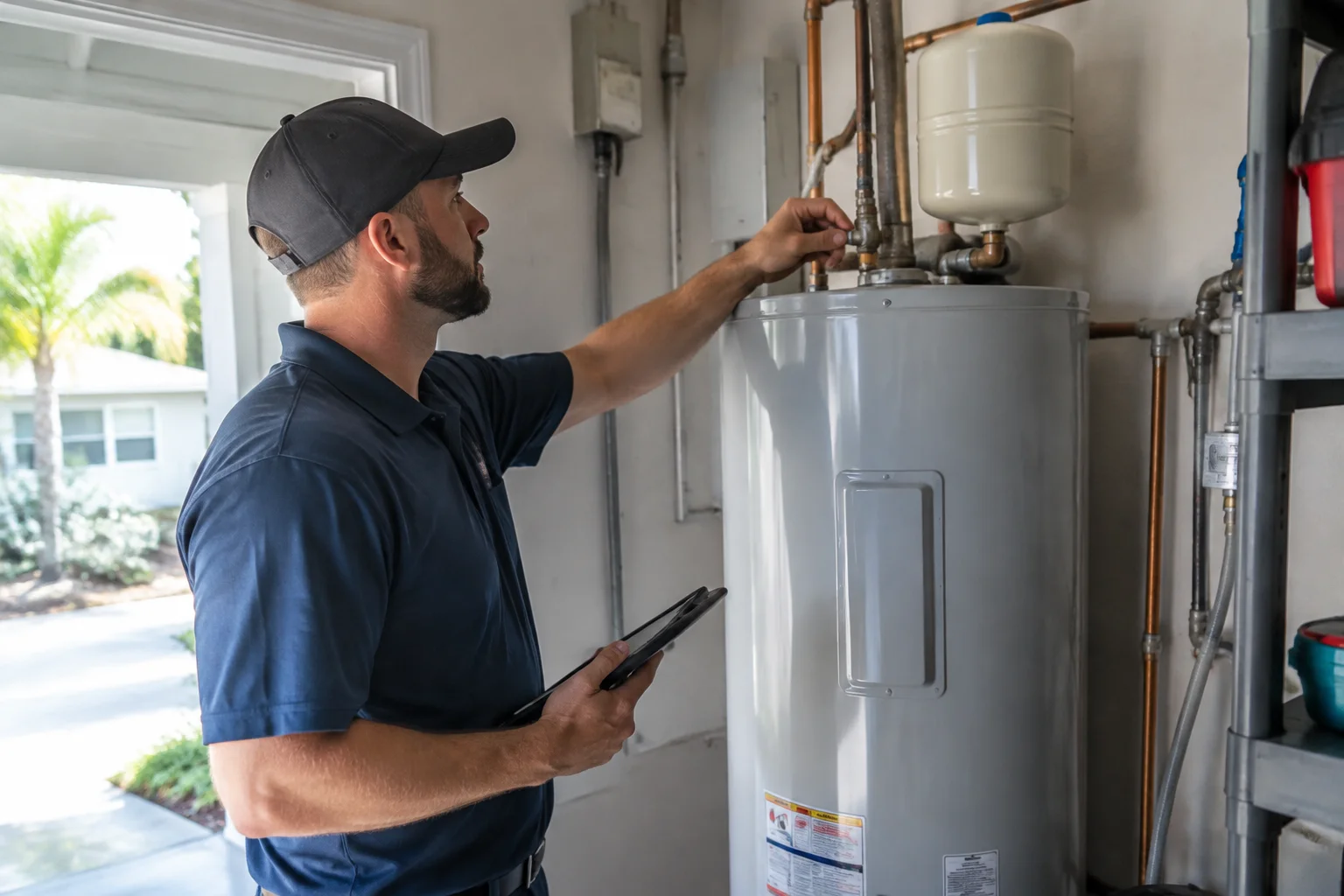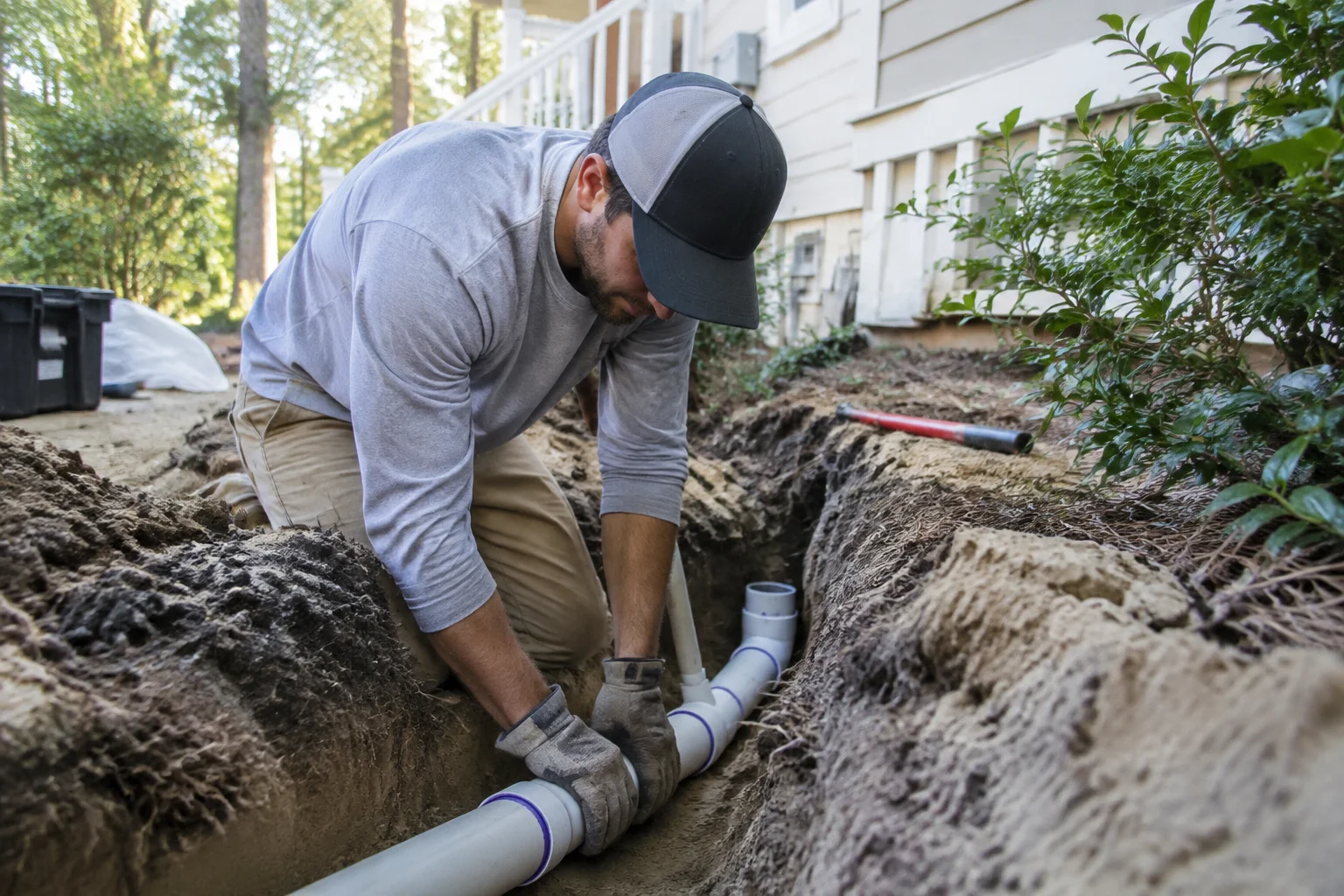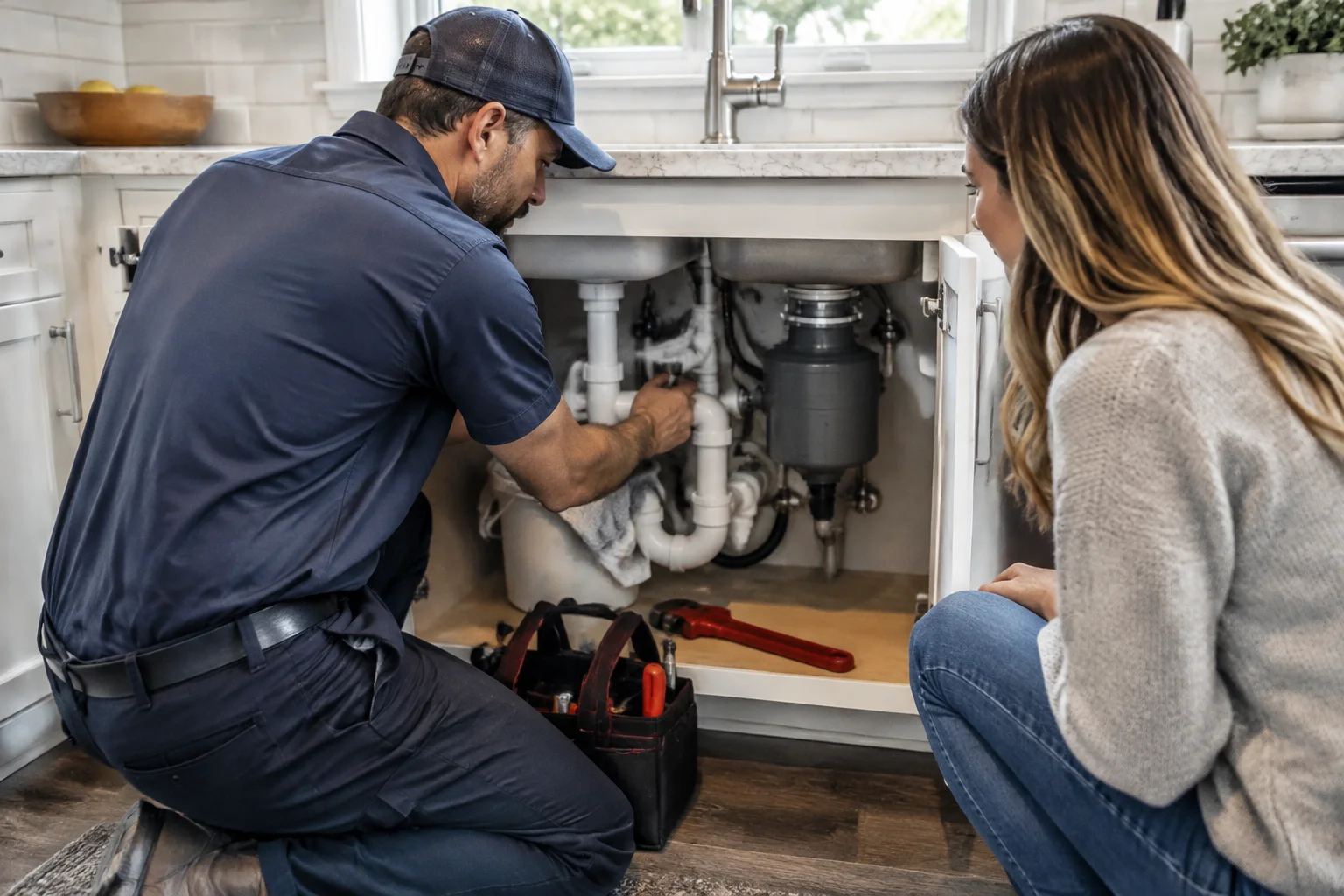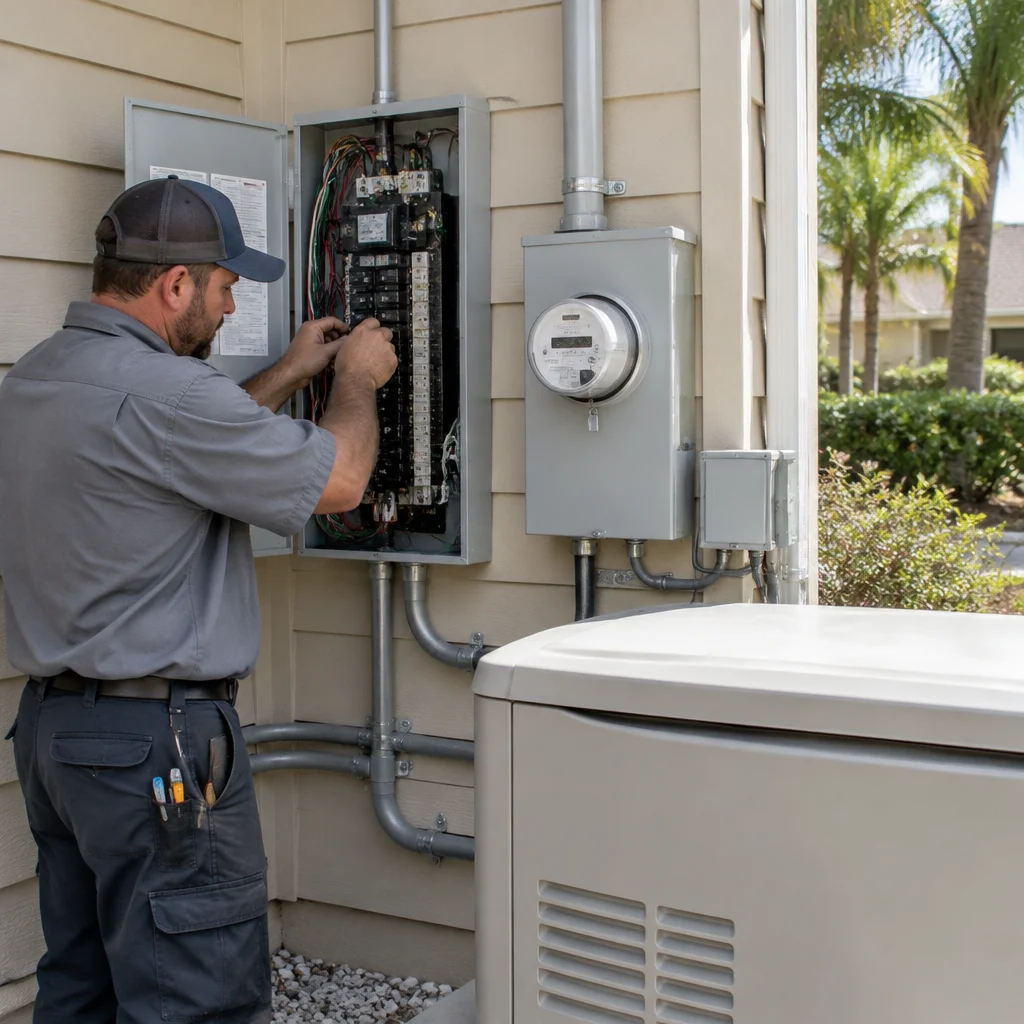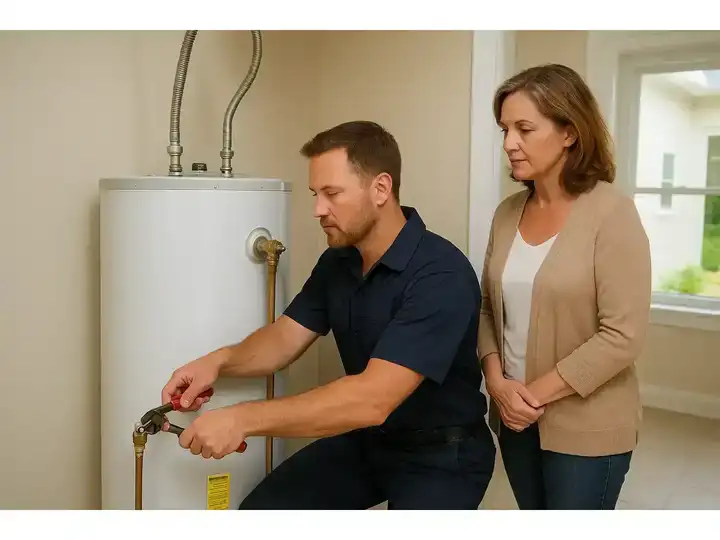
Hot water is one of those things homeowners do not think about until it is gone. In 30A, FL, that problem can show up fast, especially in homes that sit close to the coast, see heavy seasonal use, or serve as vacation rentals with a steady stream of guests. A well planned water heater replacement can improve comfort, lower energy waste, and help a property keep up with daily demand.
For homeowners searching for water heater replacement in 30A, FL, the best approach is not just swapping equipment. It is choosing a system that fits the home, the water conditions, and the way the property is used. That matters across the 30A corridor and throughout Walton County, where humidity, salt air, and seasonal occupancy can all affect plumbing performance.
Why water heaters work harder along 30A
Homes along 30A face a mix of coastal conditions that can shorten the life of plumbing equipment. Warm, humid air can add stress to mechanical components. Salt in the air can speed up corrosion on exposed parts. In vacation homes and rental properties, long periods of low use can be followed by sudden heavy demand when families arrive for a weekend or a full season.
That pattern matters because water heaters are built around consistent use. When a unit sits idle, sediment can settle in the tank. When it is pushed hard after a quiet stretch, performance problems may show up quickly. In coastal Florida, those issues can be made worse by hard water, fluctuating demand, and installation spaces that are tight or poorly ventilated.
Local service matters because the right replacement is not the same for every house. A beach cottage, a larger home near the Gulf, and a property managed for short term guests may all need different solutions. Working with a local plumber who understands 30A helps homeowners choose equipment that matches the property instead of just replacing the old unit with the same model.
Clues that the current water heater is losing ground
Most water heaters give some warning before they fail completely. The signs are not always dramatic, but they usually build over time. In a coastal home, these clues deserve attention because waiting too long can lead to leaks, water damage, or a complete loss of hot water during a busy week.
Hot water runs out faster than it used to
If showers are getting colder sooner or the dishwasher cannot keep up, the tank may be losing efficiency. Sediment inside the unit can reduce capacity and make the system work harder to heat the same amount of water.
Rusty water or corrosion around the tank
Discolored water from hot taps can point to rust inside the tank or failing internal parts. Visible corrosion on fittings, valves, or the tank base is another warning sign. In 30A’s salty air, metal parts can wear down faster than many homeowners expect.
Strange noises during heating cycles
Popping, rumbling, or banging often means sediment has hardened at the bottom of the tank. That buildup can reduce efficiency and increase strain on the unit.
Leaks or moisture near the heater
Even small drips should be taken seriously. A leak may begin at a valve or connection, but it can also mean the tank itself is failing. Once the tank shell is compromised, replacement is usually the safest option.
Rising energy bills without a clear reason
If utility costs have climbed but household habits have not changed, the water heater may be using more energy to produce the same results. Older units often lose efficiency as parts wear out and sediment builds up.
Choosing the right replacement for a coastal property
Water heater replacement should start with the property itself. The right system depends on how many people use the home, how often it is occupied, how much hot water is needed at peak times, and where the unit will be installed. For many 30A homes, the decision comes down to a standard tank water heater or a tankless system.
Tank water heaters for steady, familiar use
Traditional tank units are still a good fit for many homes. They are straightforward, reliable, and often easier to replace when the existing setup is already designed for a tank system. For families who want a familiar layout and dependable daily hot water, a properly sized tank can be a practical choice.
Tankless water heaters for efficiency and space savings
Tankless systems heat water on demand, which can be appealing in homes where space is limited or hot water use is more variable. They can also support better energy efficiency because they do not keep a full tank hot all day. In vacation rentals, that can be useful when occupancy changes from week to week.
Tankless units are not automatically the best choice for every home, though. They need the right gas or electrical setup, proper venting, and enough capacity to handle the home’s peak demand. A local plumber can help determine whether tankless makes sense for the property or whether a high efficiency tank model will be the better fit.
Size and recovery rate matter
A water heater that is too small will struggle during busy mornings or when multiple showers happen at once. A unit that is too large can waste energy. The goal is to match capacity to real use, not guess based on the old system alone. That is especially important in 30A vacation homes, where guest turnover can create sudden spikes in demand.
Why replacement can improve more than just hot water
Homeowners often think of a new water heater as a repair for a broken appliance, but the benefits go beyond restoring hot water. A properly selected and installed system can improve overall home performance in several ways.
Better efficiency can reduce wasted energy. Reliable hot water helps protect daily routines. Newer systems can also reduce the risk of unexpected leaks that damage flooring, trim, or nearby equipment. In homes with smart upgrades, a new water heater may also fit into a broader plan for better control and lower utility use, especially when paired with other improvements like smart thermostats.
For property owners who manage rentals or multiple homes, reliability is a major part of performance. A failed water heater can create guest complaints, emergency service calls, and lost rental time. That is why many owners in the area also look at property management plumbing services to keep systems working between turnovers and seasonal check ins.
How coastal climate affects maintenance after installation
Replacing the unit is only part of the plan. In 30A, the surrounding climate can still affect the new system over time, so maintenance should be part of the conversation from day one. A good installation is paired with good care.
Homeowners should keep an eye on sediment buildup, corrosion, and pressure relief valve performance. Annual flushing may help tank systems stay cleaner. Tankless systems need periodic descaling, especially in areas with mineral heavy water. Connections, venting, and electrical or gas components should also be checked regularly.
For more local guidance on keeping plumbing systems in shape, homeowners may find it useful to read Keeping Plumbing Problems Small in 30A: Maintenance Habits That Matter in a Coastal Climate and Keeping 30A Plumbing Reliable in a Coastal Climate: The Problems Homeowners Should Not Ignore. Those topics line up closely with the kinds of wear coastal properties face year after year.
Replacement timing matters for rentals and seasonal homes
In 30A, many homes are not used the same way year round. Some are primary residences. Others are vacation homes used on weekends, during holidays, or for part of the year. That creates unique plumbing challenges. A water heater can seem fine during light use, then fail once the property fills up for the season.
That is why timing a replacement before peak season can save a lot of stress. Proactive replacement allows the homeowner to choose the right unit, schedule the work without rushing, and avoid emergency service during a busy rental window. It also gives the plumber time to address any code issues, venting concerns, or space limitations before the new unit is installed.
Homeowners who oversee multiple properties often benefit from planning around broader maintenance schedules. A coordinated approach can reduce surprises and make it easier to handle plumbing, HVAC, and other system updates together. In some cases, that may include related work like water heater installation for new construction or major remodels, or even ductless mini-splits when a property update includes comfort upgrades beyond plumbing.
Why professional replacement is worth it
Water heater replacement can look simple from the outside, but the details matter. Proper sizing, safe connections, venting, drainage, and code compliance all affect how the system performs after installation. In coastal homes, those details become even more important because moisture and corrosion can shorten the margin for error.
A professional installer can help evaluate whether the old heater failed because of age, sediment, corrosion, or a setup problem that should be corrected during replacement. They can also make sure the new unit is matched to the home’s plumbing layout and energy source. That kind of local experience is valuable in Walton County, where homes range from compact beach properties to larger family residences and managed rental units.
When homeowners choose A Superior Mechanical for water heater replacement in 30A, FL, they get service built around the realities of coastal living. That includes practical recommendations, dependable installation, and support for homes that need to perform well through seasonal demand, humidity, and everyday use.
Keeping the new system in better shape
After replacement, a few simple habits can help extend the life of the new water heater. Keep the area around the unit clear so leaks are easier to spot. Watch for changes in water temperature or pressure. Schedule routine inspections if the home sits empty for long periods. If the property is in a rental program, ask for periodic checks between guests or during off season months.
Homeowners who want a broader plan for coastal plumbing upkeep may also want to review Keeping 30A Plumbing Healthy in a Coastal Climate and Keeping Commercial Plumbing Steady in 30A Homes and Properties Through Seasonal Pressure. Both offer useful perspective for properties that face changing occupancy and heavy use.
For homeowners along 30A, a smarter water heater replacement is about more than restoring hot water. It is about choosing a system that fits the home, stands up to coastal conditions, and supports the way the property is actually used. With the right equipment and a local installation team, the next water heater can do a better job from day one.
Find Water Heater Replacement in 30A, FL
If you need Water Heater Replacement in 30A, FL, visit our local service page or contact A Superior Mechanical today.
Map of 30A, FL
Frequently Asked Questions
How long do water heaters usually last in 30A, FL?
Many tank water heaters last about 8 to 12 years, while tankless systems can last longer with proper maintenance. Coastal humidity, salt air, hard water, and heavy seasonal use can shorten that timeline.
Should I choose a tank or tankless water heater for a 30A home?
It depends on the home’s size, hot water demand, and available utilities. Tank systems are often simpler and familiar, while tankless systems can save space and improve efficiency. A local plumber can help compare the options for your property.
Can a new water heater help lower energy bills?
Yes. A newer unit is often more efficient than an aging system, especially if the old one has sediment buildup or failing parts. The savings depend on the model, household use, and how well the system is maintained.
Why is local water heater replacement important in Walton County?
Local service matters because coastal homes face humidity, salt exposure, and seasonal demand that affect plumbing equipment. A plumber familiar with Walton County can recommend a system that fits the home and the climate.
Related Articles
- Keeping Plumbing Problems Small in 30A: Maintenance Habits That Matter in a Coastal Climate
- Keeping 30A Plumbing Reliable in a Coastal Climate: The Problems Homeowners Should Not Ignore
- Keeping 30A Plumbing Healthy in a Coastal Climate
- Keeping Commercial Plumbing Steady in 30A Homes and Properties Through Seasonal Pressure
Photo Gallery