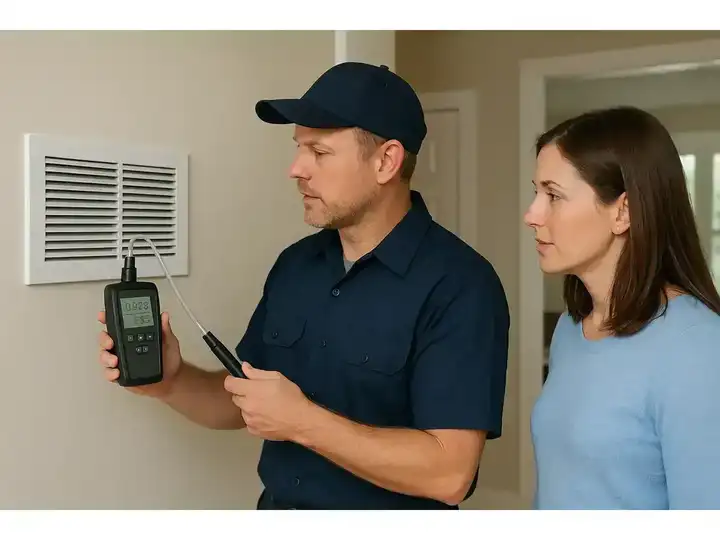
Seagrove Beach homeowners deal with a mix of coastal beauty and coastal stress. Warm temperatures, high humidity, salt air, and long cooling seasons can all affect the air inside a home, especially when windows stay closed and the HVAC system runs for much of the year. If you have noticed musty odors, allergy flare ups, or rooms that never seem to feel quite right, indoor air quality testing can help you get real answers instead of guessing.
For homeowners, vacation rental owners, and property managers in Walton County, the best decisions usually start with understanding what is actually in the air. A professional test can identify humidity problems, allergens, mold risks, VOCs, and HVAC related issues that may be affecting comfort and health. If you are looking for indoor air quality testing in Seagrove Beach, FL, it helps to know what to look for, what local conditions can do to a home, and which fixes are worth the investment.
Why Seagrove Beach homes need a closer look at indoor air
Homes in Seagrove Beach and the surrounding Walton County area face conditions that are different from inland neighborhoods. The coastal climate brings high humidity for much of the year, and that moisture can make it easier for mold to grow in hidden places such as ductwork, closets, crawl spaces, and around air handlers. Salt air can also be tough on HVAC equipment, which can reduce efficiency and make air circulation less consistent.
In many homes, the issue is not just one thing. A house might have a little excess moisture, some dust buildup in the ducts, and a system that is not filtering as well as it should. Vacation homes can sit empty for stretches of time, which makes it easier for odors and moisture problems to develop unnoticed. For a broader look at the area, homeowners can also review Seagrove Beach service coverage and the wider Walton County service area to see how local HVAC support fits into the bigger picture.
What indoor air quality testing can tell you
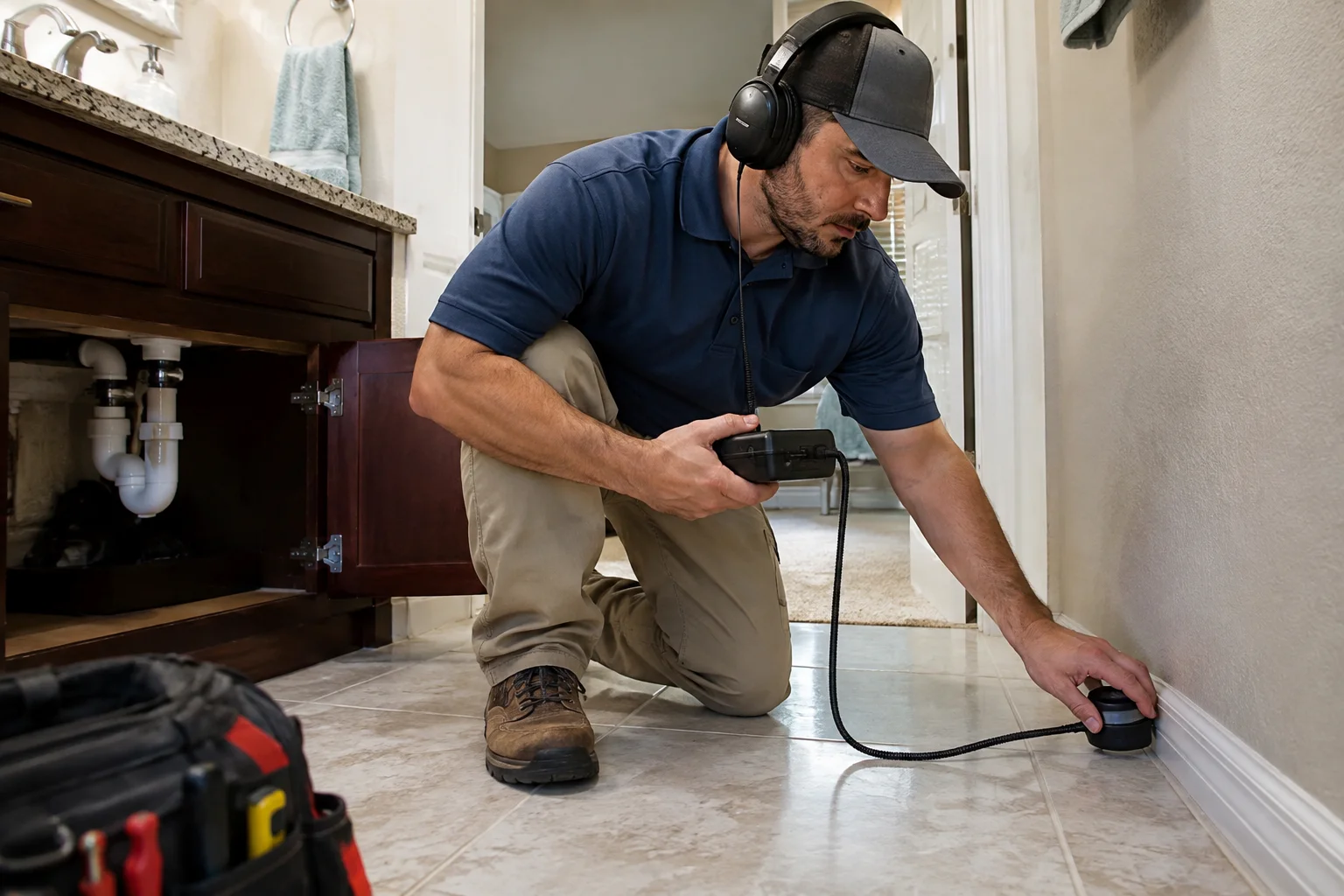
Indoor air quality testing is not just about checking whether the air feels stuffy. It can help identify specific conditions that affect comfort and health. Depending on the home, a technician may look for airborne particles, humidity levels, VOCs, signs of mold growth, ventilation issues, and HVAC performance problems that may be contributing to poor air quality.
That matters because symptoms often overlap. A dry throat, lingering odor, or worsening allergies could come from different causes. Testing helps narrow the field so you can focus on the right fix. In a coastal home, that might mean improving dehumidification, sealing duct leaks, replacing filters more often, or cleaning components that are holding moisture and dust.
Common problems found in coastal homes
In Seagrove Beach, the most common indoor air concerns usually tie back to moisture and circulation. High humidity can create a setting where mold spores thrive. HVAC systems that are undersized, poorly maintained, or clogged with debris may struggle to keep indoor air moving properly. In some homes, especially older properties or rentals that have seen repeated occupancy, odors from cooking, pets, cleaning products, or stored items can build up and linger.
Another issue is that many homeowners assume a clean looking home has clean indoor air. That is not always the case. Dust, pollen, and fine particles can stay suspended in the air or settle inside ductwork. If the system is not filtering well, those particles can keep recirculating. That is one reason indoor air quality testing is useful before making bigger HVAC decisions.
How to decide whether testing is worth it
The best time to schedule testing is often when something feels off but the cause is not obvious. If you or your family notice allergy symptoms that improve when you leave the house, if rooms feel damp even with the AC running, or if you catch a persistent musty smell, testing can help identify the source. It is also smart to test after water intrusion, roof leaks, plumbing leaks, or long periods of vacancy.
Testing can also be a practical step before a major HVAC upgrade. If you are already considering duct cleaning, equipment replacement, or better humidity control, air quality results can help guide the next move. That way, you are not spending money on a fix that does not address the real problem. Homeowners planning ahead may also find value in reading Seasonal Air Stress in Seagrove Beach Homes: Why Indoor Air Quality Testing Matters More Than Many Owners Realize for a deeper look at how local conditions affect indoor comfort.
Clues that testing should move up your list
Some warning signs are easy to overlook because they seem minor at first. Condensation on windows, a bathroom that stays humid too long, or a room that always feels warmer than the rest of the house can point to ventilation or moisture issues. So can frequent filter changes that seem to do little, or an HVAC system that cycles often but never makes the home feel truly comfortable.
If you manage a rental property, these clues matter even more. Guests may not report subtle air issues, but they will notice odors, discomfort, or visible dust. Property managers who want to keep homes consistent and guest ready can also benefit from related planning ideas in Making Smarter HVAC Choices for Property Managers in Seagrove Beach.
What makes local service different
Indoor air quality testing is most useful when the technician understands the local environment. In Seagrove Beach, that means knowing how Gulf Coast humidity affects homes, how salt air can wear on systems, and how seasonal occupancy changes indoor conditions. A local provider is more likely to recognize patterns that show up in Walton County homes, from moisture in crawl spaces to duct issues in vacation properties.
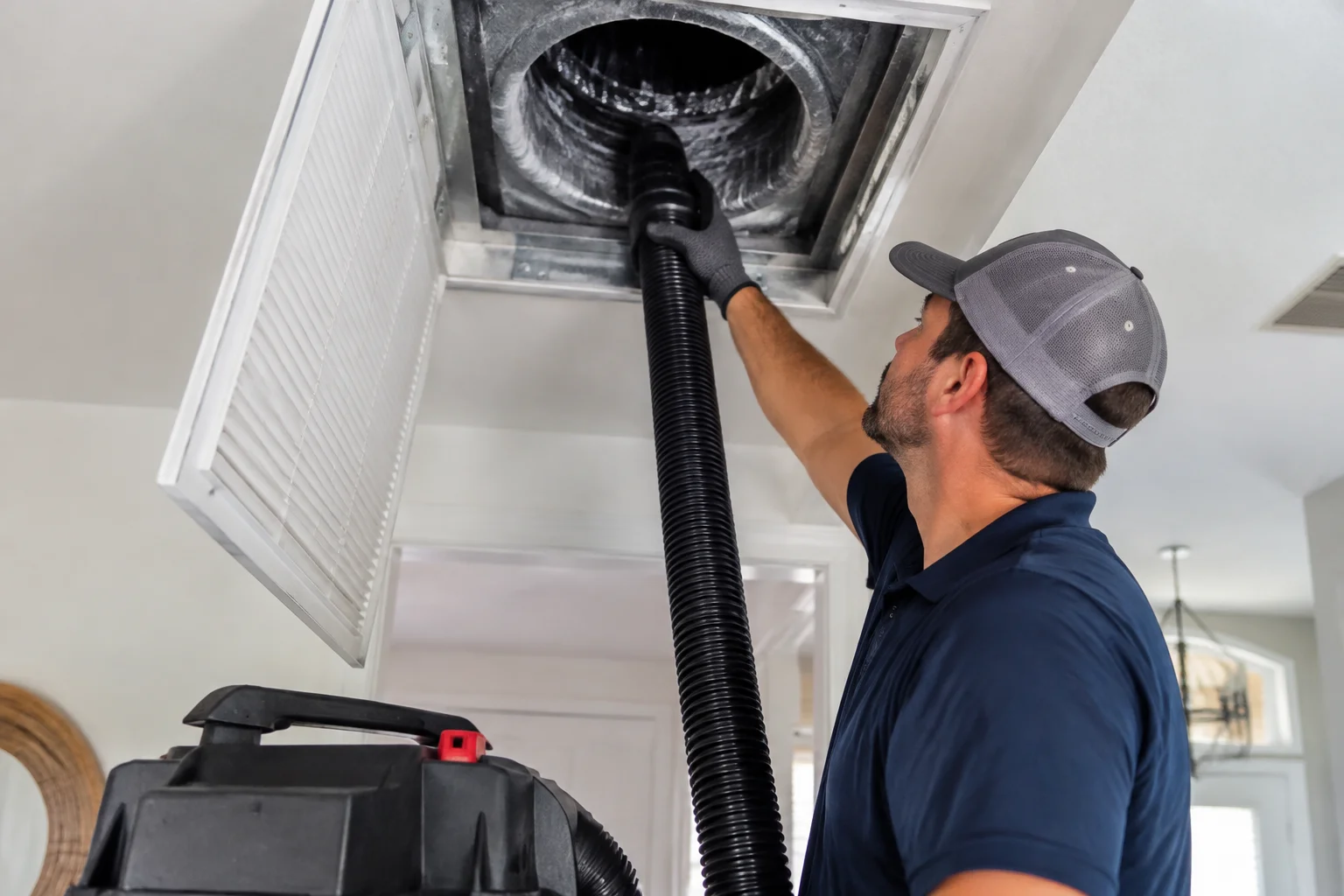
That local knowledge matters when the results come back. A reading may show elevated humidity or particulate levels, but the next step depends on the home itself. A house near the beach may need better dehumidification and sealing, while a rental with heavy turnover may need filter upgrades and more frequent maintenance. In some cases, the right solution involves more than testing and may include duct cleaning, ductless mini splits, or even new construction HVAC planning for a home that needs better airflow from the start.
How testing results usually lead to better decisions
Good testing does more than produce a report. It gives you a path forward. If humidity is too high, the answer may involve adjusting the HVAC system, improving drainage, or adding dehumidification. If dust and allergens are the main concern, the solution may be better filtration, duct cleaning, or sealing leaks that let unfiltered air into the system. If VOCs are elevated, the source may be recent paint, flooring, furnishings, or cleaning products that need time and ventilation.
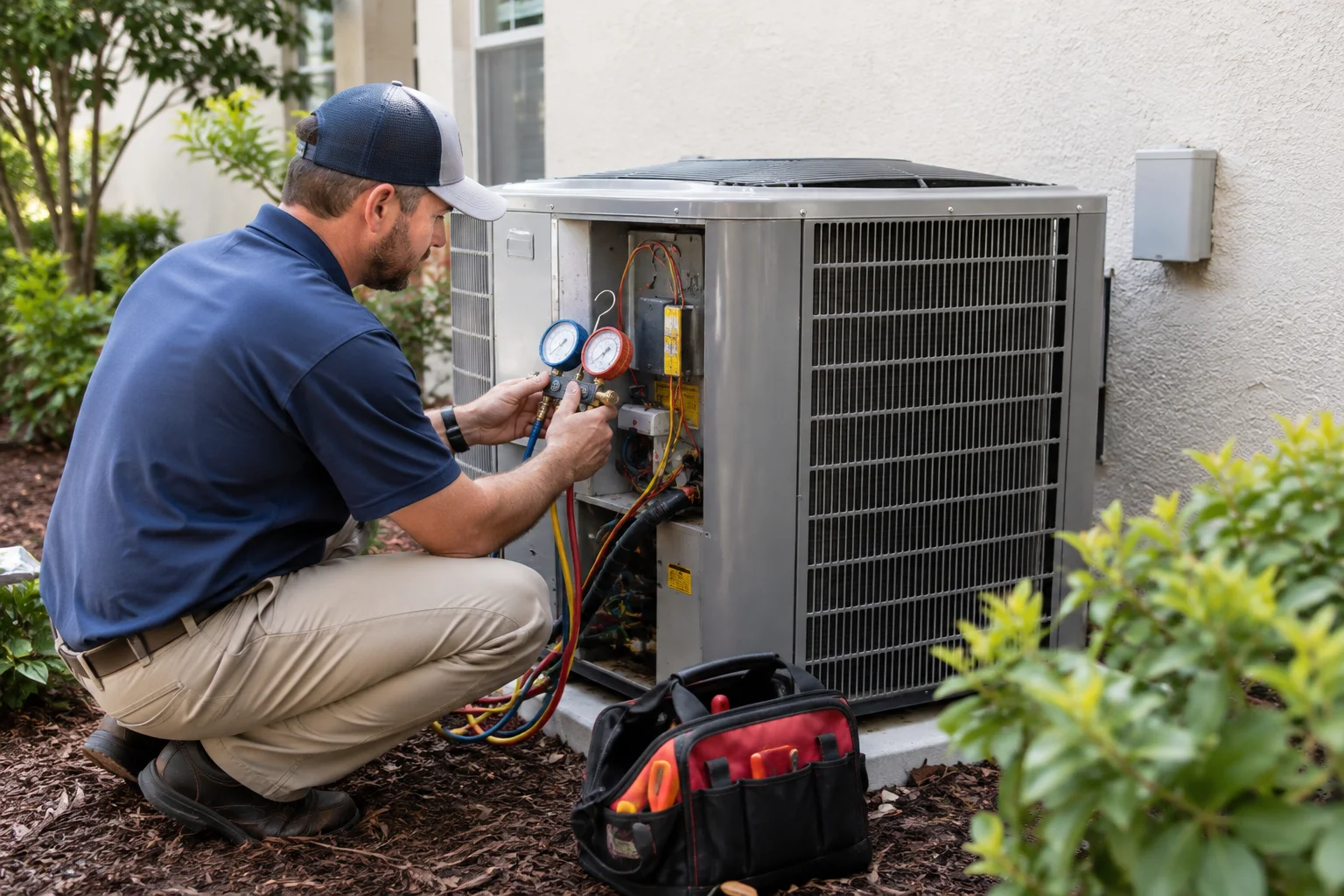
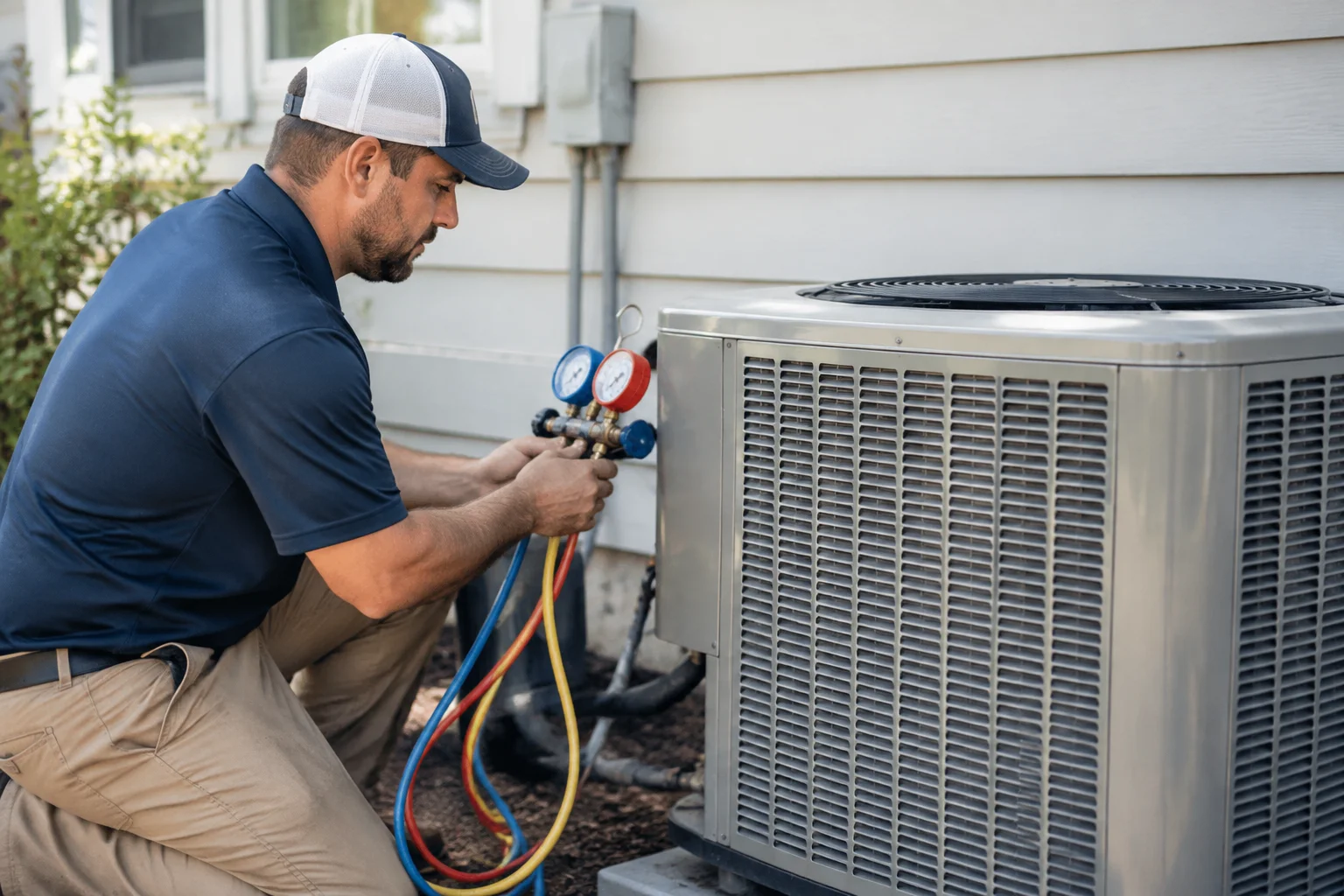
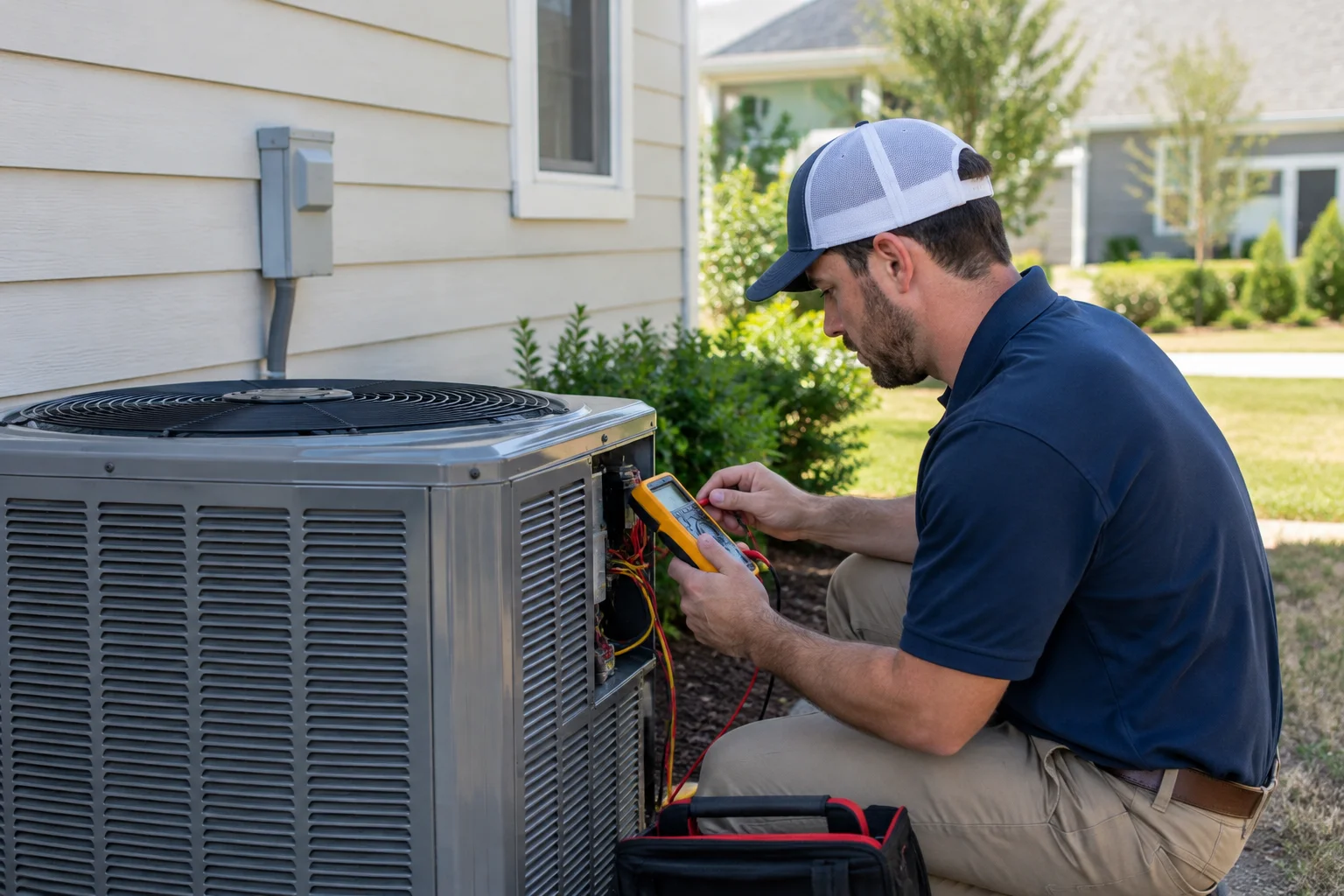
Some homes also reveal signs that the HVAC system itself is part of the problem. A unit that is short cycling, leaking condensate, or moving air unevenly can affect both comfort and air quality. In those cases, it makes sense to address the system before the issue gets worse. Businesses in the area facing similar concerns may need service as well, and commercial HVAC repair can be part of the solution for offices, retail spaces, and rental operations.
Maintenance habits that help protect indoor air
Once you have a better idea of what is happening inside the home, a few maintenance habits can make a real difference. Change filters on schedule, especially during heavy cooling months. Keep condensate drains clear so moisture can exit the system properly. Watch for signs of leaks around air handlers, windows, and plumbing areas. If your home is often vacant, consider a routine check before and after busy rental periods or extended trips.
It also helps to pay attention to how the house feels, not just how the thermostat reads. A home can be set to the right temperature and still have poor air quality if humidity is too high or circulation is weak. That is especially true in coastal homes where the outdoor air already carries a lot of moisture. If you are trying to plan ahead for future HVAC work, this can also be a good time to read How Seagrove Beach Homeowners Can Plan for HVAC Financing Before Seasonal Stress Builds so you are prepared before small issues become expensive ones.
When to bring in a professional
Some homeowners can spot basic concerns, but indoor air quality problems are often more complicated than they first appear. If odors keep returning, allergy symptoms persist, or you have already tried simple fixes without success, a professional test can save time and money. The same is true after water damage, during mold concerns, or when a home has been closed up for a long stretch in humid weather.
A Superior Mechanical helps homeowners and property owners make informed decisions with indoor air quality testing that fits the realities of Seagrove Beach and Walton County. Whether the goal is a healthier primary residence, a more dependable vacation rental, or a better performing system overall, testing gives you a clear place to start. If your home has been telling you something is off, it is worth finding out what the air is doing and why.
Find Indoor Air Quality Testing in Seagrove Beach, FL
If you need Indoor Air Quality Testing in Seagrove Beach, FL, visit our local service page or contact A Superior Mechanical today.
Map of Seagrove Beach, FL
Frequently Asked Questions
How often should indoor air quality testing be done in Seagrove Beach?
Many homeowners test when symptoms or odors appear, after water damage, or before major HVAC work. In humid coastal homes, annual or seasonal checks can be helpful if moisture problems keep returning.
What problems are most common in coastal homes?
High humidity, mold risk, dust buildup, salt air wear on HVAC equipment, and poor ventilation are some of the most common issues. Vacation homes can also develop odors or moisture problems when they sit unused.
Can indoor air quality testing help with allergies?
Yes. Testing can identify airborne particles, humidity issues, and HVAC related factors that may be making allergy symptoms worse. The results help guide fixes such as filtration, duct cleaning, or humidity control.
Is indoor air quality testing useful for rental properties?
Absolutely. Rental homes in Seagrove Beach need consistent comfort and clean air for guests. Testing can uncover moisture, odor, or ventilation problems before they lead to complaints or repeat maintenance issues.
Related Articles
- Seasonal Air Stress in Seagrove Beach Homes: Why Indoor Air Quality Testing Matters More Than Many Owners Realize
- A Smarter Way to Approach Commercial HVAC Repair in Seagrove Beach, FL
- How Seagrove Beach Homeowners Can Plan for HVAC Financing Before Seasonal Stress Builds
- Making Smarter HVAC Choices for Property Managers in Seagrove Beach
Photo Gallery