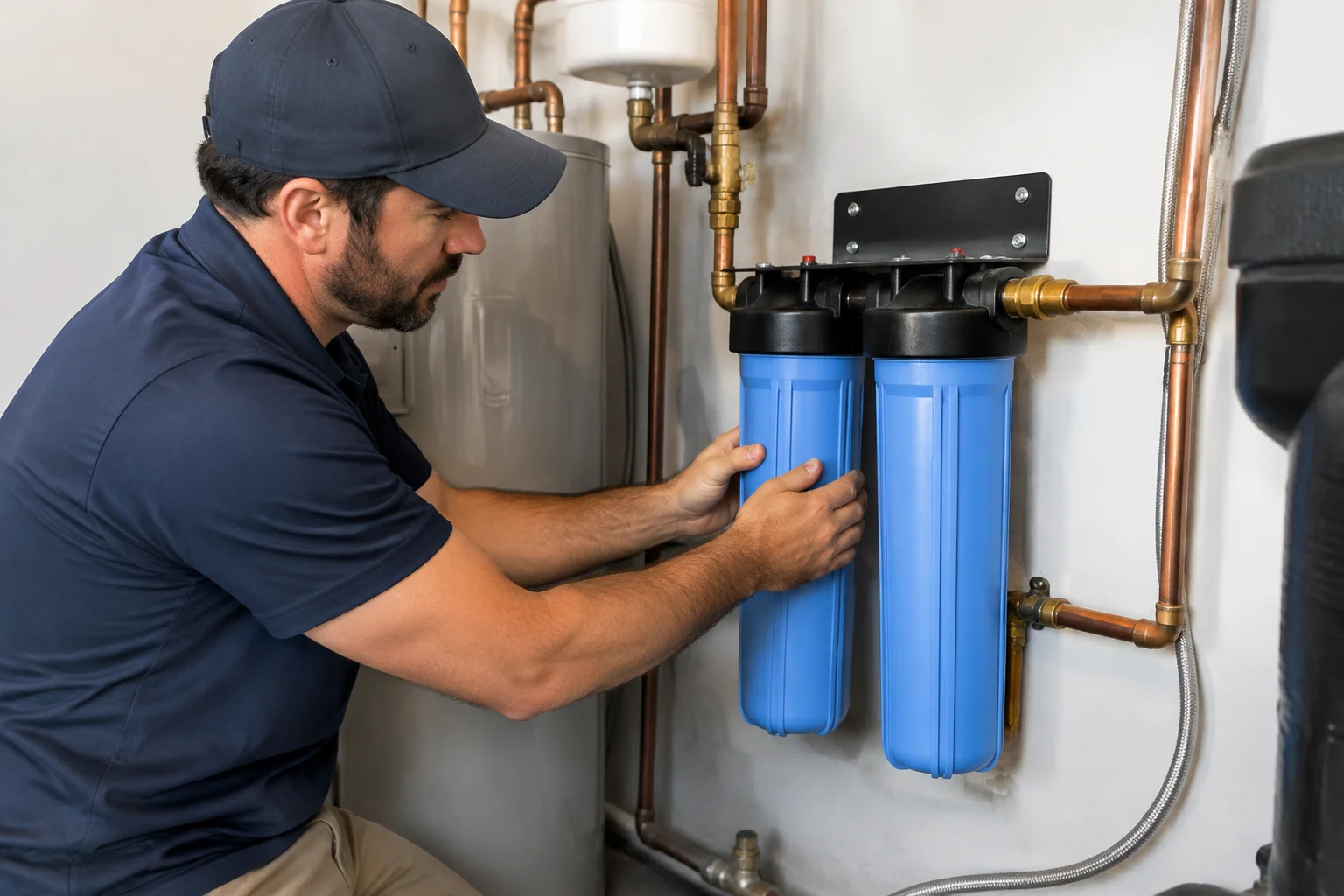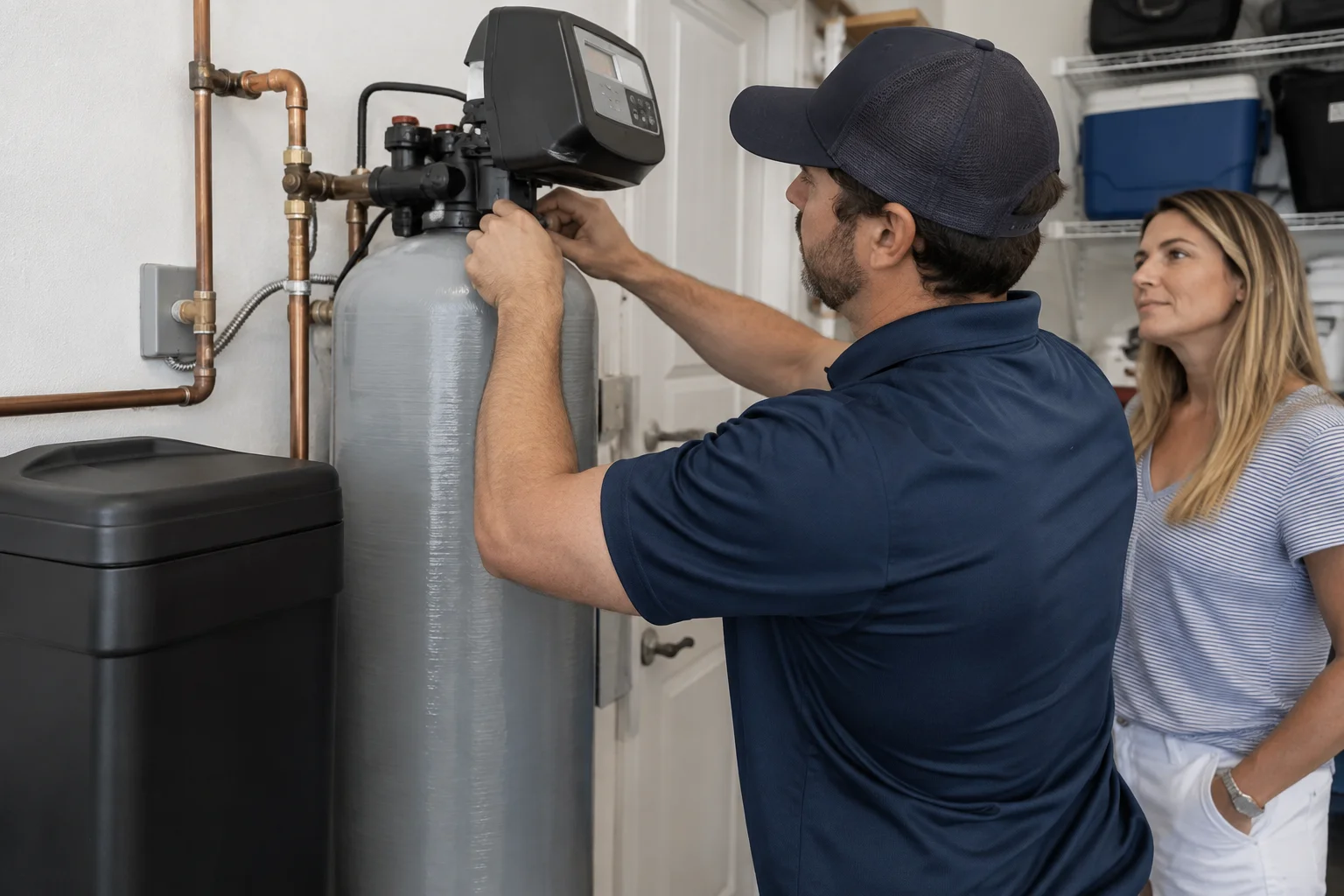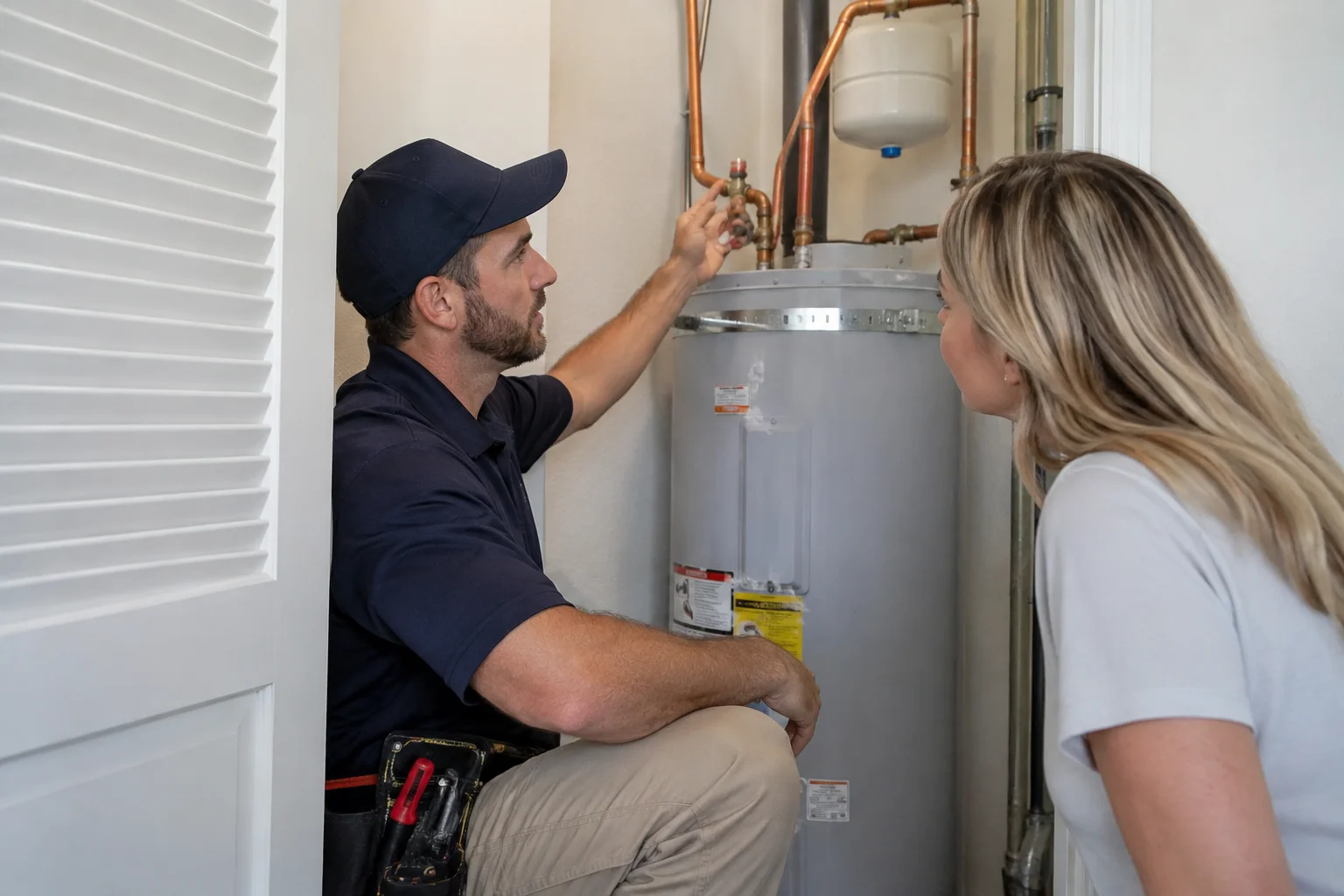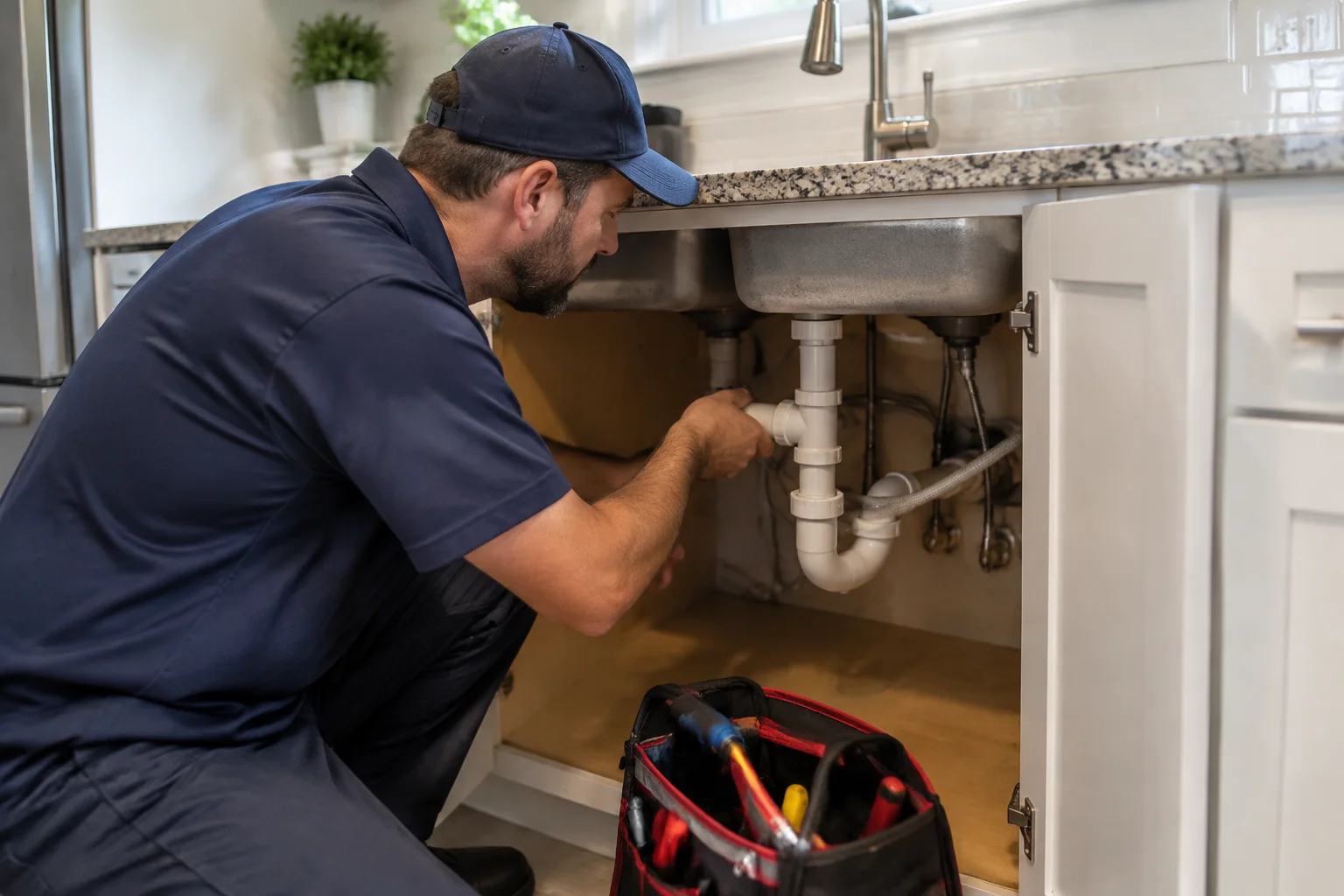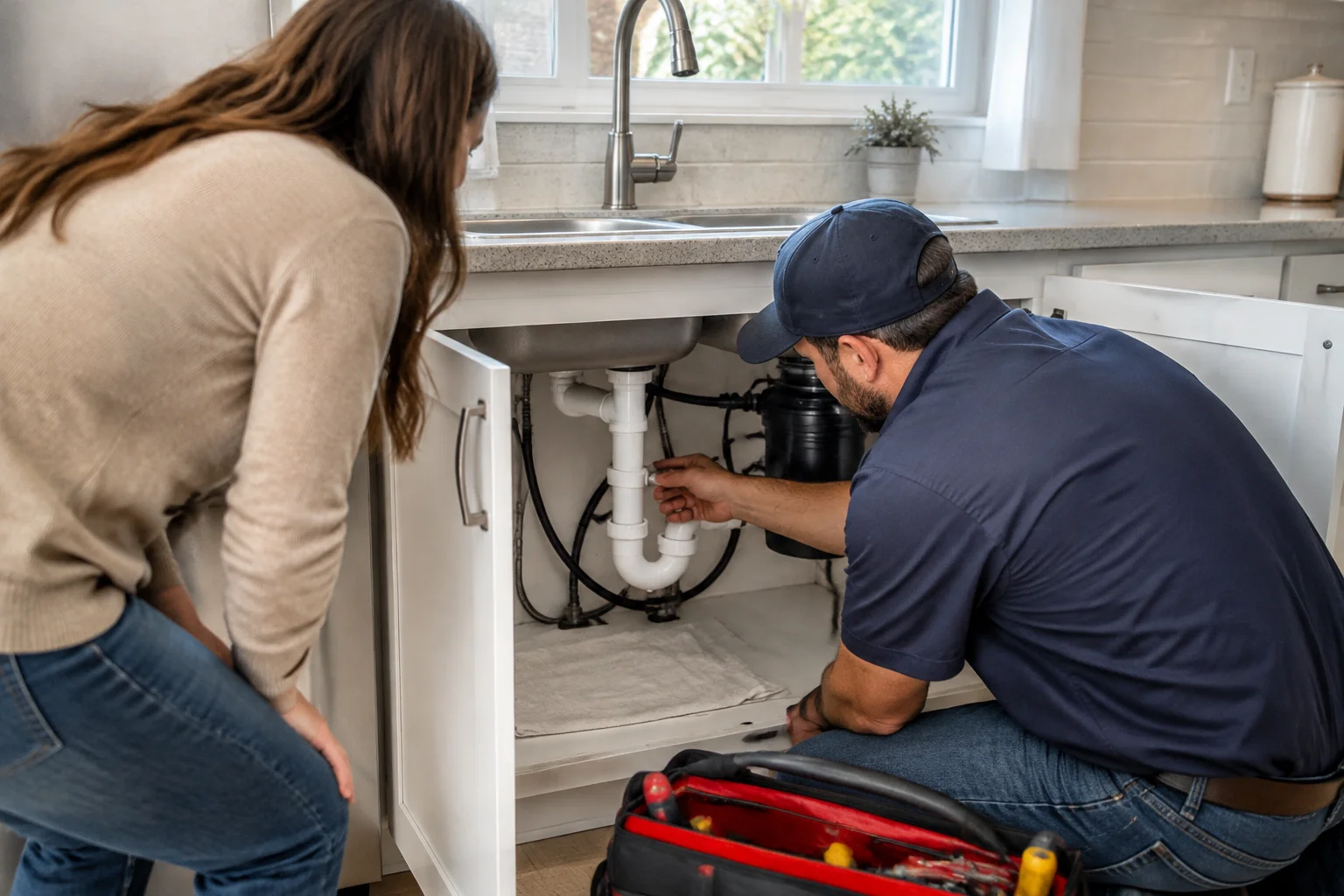
A glass of water that tastes off can send you shopping for a filter. A rising water bill might send you looking for a leak. In many Parker homes, those concerns deserve a closer look at the same system: the pipes, fixtures, treatment equipment, and water heater that handle water every day.
Clean water services in Parker, FL should begin with understanding your water and your plumbing, not choosing equipment at random. A Superior Mechanical provides filtration, reverse osmosis, purification, and water softening solutions. Pairing the right treatment with practical plumbing maintenance helps address water quality concerns without overlooking leaks, pressure problems, or aging connections.
Start with the water problem you actually have
Water treatment systems serve different purposes. A filter that improves taste will not necessarily reduce hardness, and a softener will not fix a corroding pipe. Before deciding on equipment, note whether the problem affects every faucet, only hot water, or just one fixture.
Compare a cold-water sample from the kitchen with water from another tap. Look for visible particles, record when odors occur, and check whether nearby plumbing work or a service interruption preceded the change. Appearance and taste alone cannot establish whether water is safe. Use appropriate testing and check your water provider's current notices and water quality report.
Match treatment to verified conditions
The options available through clean water services in Parker can be selected around the household's water use, test results, available space, and maintenance needs:
- Water filtration: Depending on the media and certification, filters can reduce sediment, chlorine taste, or specific contaminants.
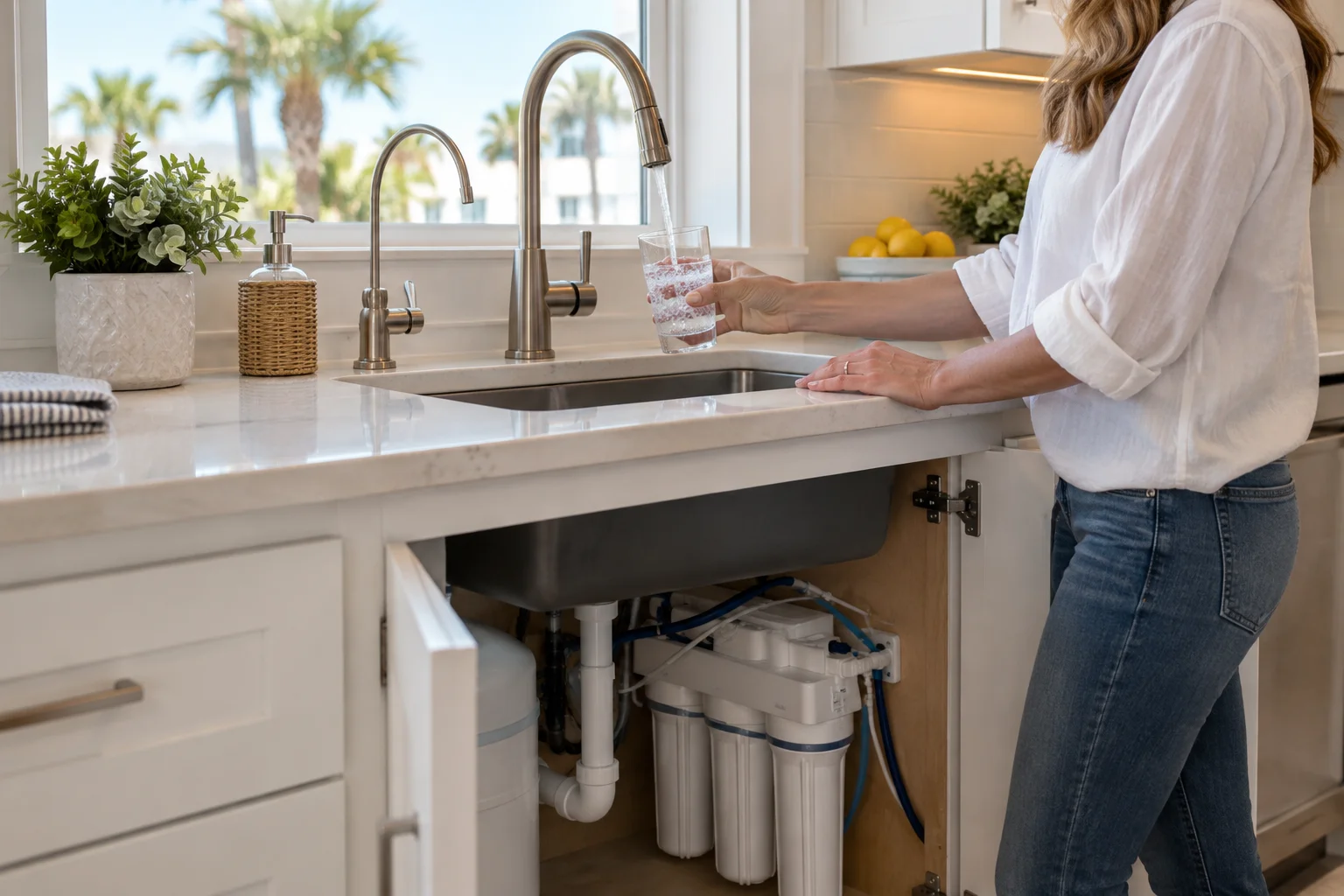
- Reverse osmosis: Often installed at a drinking-water tap, RO systems reduce certain dissolved substances and require scheduled filter and membrane care.
- Water softening: Softeners reduce calcium and magnesium associated with hard water. They do not disinfect water or remove every contaminant.
- Purification: This broad term covers different technologies. Ask which verified concern a proposed system addresses and what pretreatment it requires.
Choose equipment certified for the specific reduction claims you need. Whole-home treatment and drinking-water treatment can complement each other, but adding more equipment is not automatically better.
Why Parker's climate makes routine checks worthwhile
Parker's warm, humid climate can make it harder to distinguish a small leak from condensation around cold-water piping. Summer storms can also leave wet areas near a home that mask underground supply leaks or drainage problems. Moisture that persists through dry weather deserves investigation.
Local homes may have different pipe materials, older fixtures, additions, or supply lines replaced during separate renovations. A newer faucet does not tell you the condition of the pipe behind it. Ask a plumber to assess the actual installation rather than assuming age or neighborhood alone determines what needs replacement.
Storm-related water advisories require a separate response. Follow instructions from your water provider and local health authorities. An ordinary household filter or softener should not be assumed to make water safe during a boil-water notice.
Leaks can waste water before you see damage
A dripping faucet is obvious. A toilet that quietly refills, a leaking water heater connection, or a pipe beneath a slab can waste water for weeks without a puddle in plain sight. Compare bills by gallons used, not just the amount charged, and account for visitors, irrigation, and seasonal changes.
A simple check between service visits
Turn off faucets and pause water-using appliances. Make sure irrigation and treatment equipment are not running, then check the water meter if it is safely accessible. Movement may indicate a leak, although automatic equipment can complicate the reading. Do not operate utility-owned valves or open equipment you are not authorized to access.
Look under sinks for damp cabinet floors, inspect exposed connections, and listen for toilets running between flushes. A small faucet leak may need a cartridge or seal replacement. Repeated toilet refilling may involve the flapper, fill valve, or water-level adjustment. Toilet repair and replacement in Parker can address the cause rather than relying on repeated handle adjustments.
Take possible slab leaks seriously
An unexplained warm floor area, persistent damp flooring, or the sound of flowing water with fixtures off can justify professional investigation. None proves a slab leak by itself. Homeowners searching for leak detection near me should look for diagnosis before demolition. Leak detection and slab leak repair can help locate a problem and guide a targeted repair or rerouting decision.
Pressure and pipe condition affect treatment performance
Strong shower pressure can feel good, but excessive pressure stresses supply hoses, faucet components, and appliance connections. Pressure that is too low can affect fixtures and treatment equipment. Sustained household pressure above 80 psi generally calls for evaluation and pressure control consistent with applicable plumbing requirements.
If pressure drops at one faucet, a clogged aerator or fixture cartridge may be responsible. If the entire house loses flow, possible causes include a partially closed valve, a supply problem, pipe restriction, or an overdue filter change. Do not assume a larger filter or booster pump is the answer without measurements.
Have visible corrosion, recurring pinhole leaks, and loose connections evaluated before installing treatment equipment. Proper system sizing matters too. A whole-home filter must accommodate peak household demand without excessive pressure loss. Anyone searching for plumbing repair near me should ask whether the visit can assess pressure, pipe condition, and treatment placement together.
Keep drain problems separate from drinking-water treatment
Supply piping brings water in; drain and sewer piping carry wastewater away. Filtering incoming water will not clear grease from a kitchen drain or remove roots from a sewer line. Still, both systems need attention for a clean, functional home.
Slow drainage at one sink may involve its stopper, trap, or branch line. Several slow fixtures, gurgling toilets, or wastewater backing up into a low shower suggest a larger drainage problem. Stop using affected fixtures if wastewater is backing up, and avoid repeated flushing to test the blockage.
Prevent buildup without damaging the plumbing
Keep grease, coffee grounds, wipes, and fibrous scraps out of drains. Use strainers and clean accessible stoppers regularly. Avoid mixing drain products or repeatedly pouring caustic cleaners into a stubborn blockage. Tell the plumber if any chemicals have already been used.
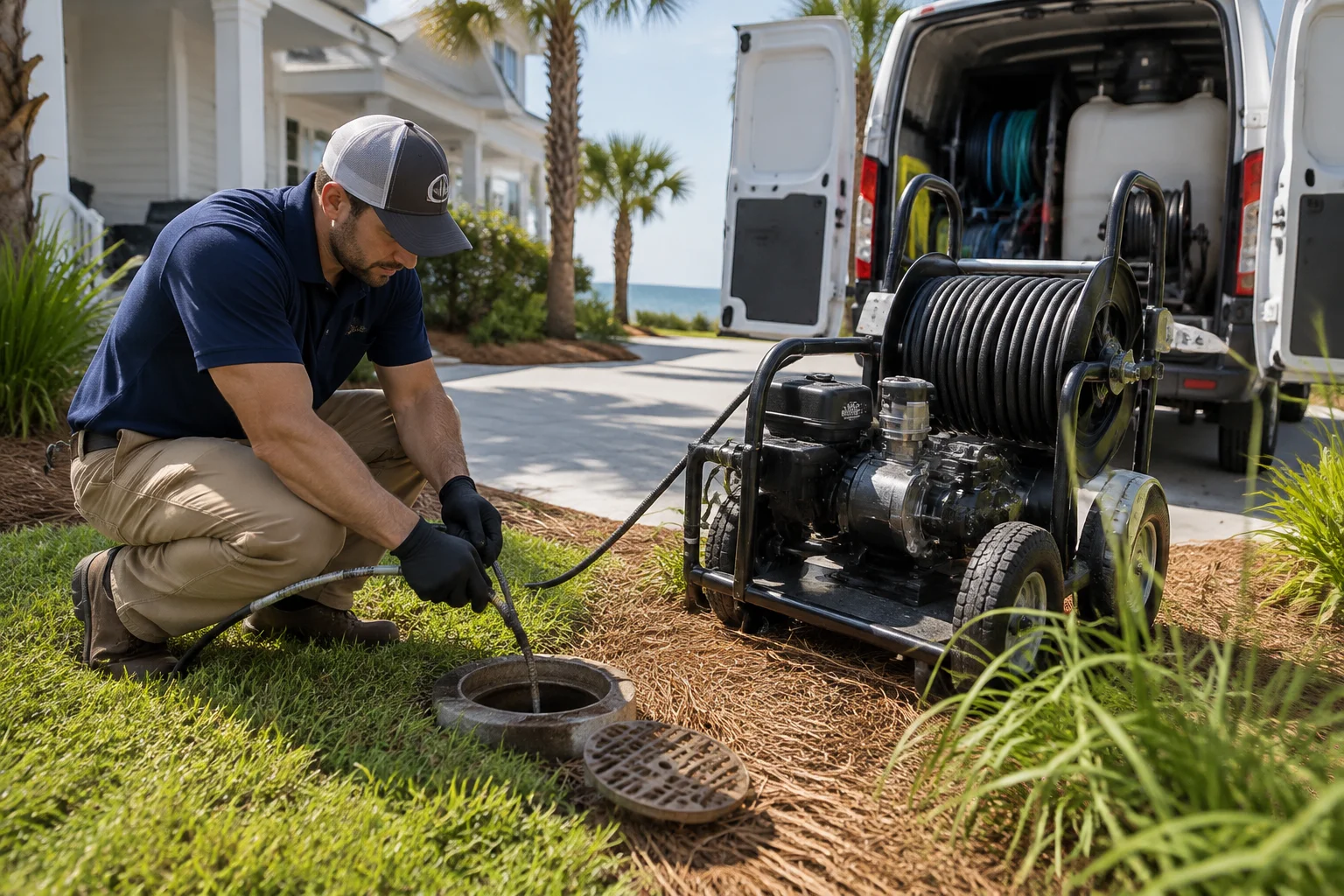
A drain cleaning near me search should lead to a method suited to the pipe and obstruction. Mechanical clearing may be appropriate, while hydro jetting requires evaluating pipe condition first. This guide to hydro jetting for Parker plumbing explains why cleaning methods should fit the problem.
Recurring main-line blockages may warrant a sewer camera inspection. It can reveal visible roots, buildup, offsets, or damaged sections, although heavy blockage may need clearing before the camera can show much. Read about making sewer repair decisions with camera findings before approving repeated cleaning or major excavation.
Hard water and water heaters need a coordinated plan
White deposits on fixtures, soap that rinses poorly, and scale on showerheads can suggest mineral buildup. They do not establish Parker-wide hardness levels or prove your home needs a softener. Test the water at your property and consider the severity of the problem before selecting treatment.
Where hardness is elevated, scale can affect heating surfaces, fixture performance, and some appliances. Softening may reduce future buildup, but it does not reverse every existing restriction or replace necessary water heater service. For another look at treatment choices, see cleaner water and plumbing protection in Parker homes.
Watch for changes in hot-water performance
Rumbling, reduced hot-water supply, temperature swings, and leaks around connections deserve attention. Discoloration limited to hot water may point toward the heater or hot-water piping rather than the incoming supply. A leaking tank typically requires replacement, while some connection leaks can be repaired.
Tank flushing, anode inspection, and tankless descaling should follow manufacturer guidance and the equipment's condition. Older or neglected equipment may need professional assessment before maintenance is attempted. The guide to year-round water heater care in Parker offers additional planning guidance. Never cap a dripping temperature and pressure relief valve or block its discharge pipe.
A maintenance routine that fits everyday life
Good prevention does not require a complicated checklist. Tie simple inspections to changing household filters or reviewing the monthly water bill, then arrange professional maintenance according to equipment instructions and observed conditions.
- Monthly: Check under sinks, around toilets, and near the water heater for moisture. Review water use and listen for unexpected refilling.
- On the manufacturer's schedule: Replace treatment cartridges, service RO components, and check softener operation. Filter life depends on both time and water volume.
- Periodically: Clean faucet aerators, inspect accessible appliance hoses, and confirm you know where the homeowner-operated main shutoff is located.
- Before extended absences: Discuss appropriate shutoff procedures and water heater settings with a plumber. Plan for equipment that needs an active water supply.
Keep service records and model numbers together. A filter that looks clean may still be overdue for replacement, while a sudden pressure change soon after service may indicate an installation or cartridge issue. Records make troubleshooting more efficient.
Know which plumbing problems cannot wait
An actively broken supply pipe, rapidly spreading water, sewage backup, or substantial water heater leak calls for prompt attention. If safe, close the homeowner-operated main water valve for a supply leak. For a sewer backup, stop water use throughout the house and keep people and pets away from contaminated areas.
Avoid standing water near electrical equipment. Do not reach across wet equipment to operate switches or attempt repairs around energized components. If there is immediate electrical danger, leave the area and contact appropriate emergency help.
When searching for an emergency plumber near me, describe where water is appearing, whether it is clean water or wastewater, and whether you have stopped the flow. Confirm current availability rather than assuming every company can dispatch immediately.
Build a practical clean water plan for your Parker home
Start with your biggest concern: taste, sediment, scale, pressure, unexplained water use, or recurring leaks. Bring recent bills, test results, and treatment service records to the appointment. Ask which repairs are necessary now, what treatment would accomplish, and what ongoing maintenance will cost.
A Superior Mechanical's Parker service information and Bay County service area page provide a local starting point. Local plumbing service matters because recommendations should account for your actual supply conditions, existing installation, and applicable requirements. Request an evaluation that connects water quality with plumbing condition, so the proposed work addresses the cause rather than simply adding another filter.
Find Clean Water Services in Parker, FL
If you need Clean Water Services in Parker, FL, visit our local service page or contact A Superior Mechanical today.
Map of Parker, FL
Frequently Asked Questions
Do Parker homes need both a water filter and a water softener?
Not necessarily. A filter targets specific substances or taste concerns, while a softener reduces hardness minerals. Water testing, household demand, and the condition of your plumbing help determine whether you need one system, both, or neither. Choose equipment with verified performance claims for the concern you want to address.
Can a clean water system fix low water pressure or recurring leaks?
A treatment system is not a substitute for pipe repair or pressure diagnosis. Low flow may come from clogged aerators, restricted piping, a supply issue, or an overdue filter change. Recurring leaks need their own evaluation. Treatment equipment should be sized and installed so it does not create unnecessary pressure loss.
Should I keep using water if several drains back up at once?
Stop using water and arrange prompt plumbing service. Multiple backed-up fixtures can indicate a main drain or sewer problem, and additional water use may push more wastewater into the home. Keep people and pets away from sewage, avoid chemical drain cleaners, and tell the plumber which fixtures are affected.
Related Articles
Photo Gallery