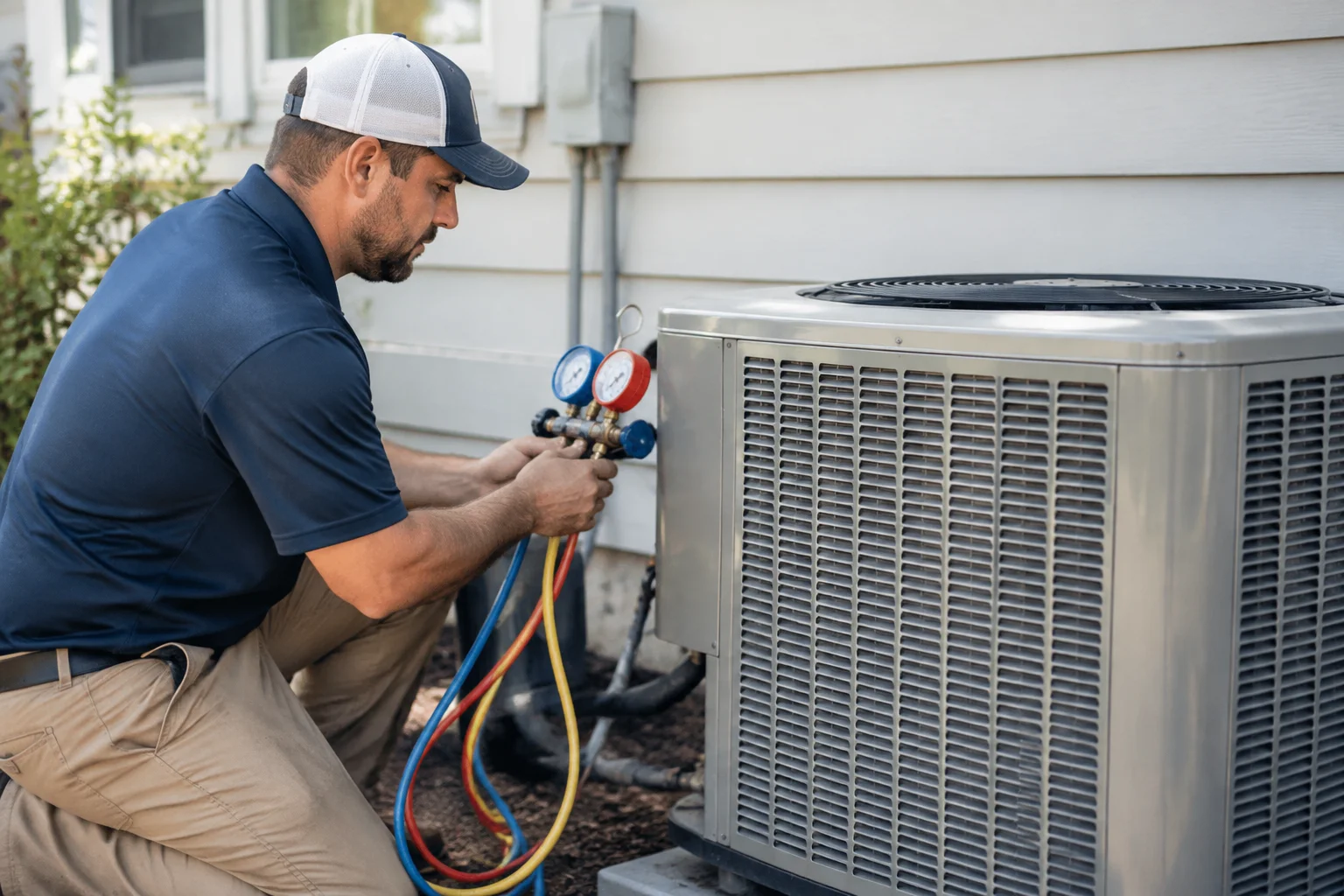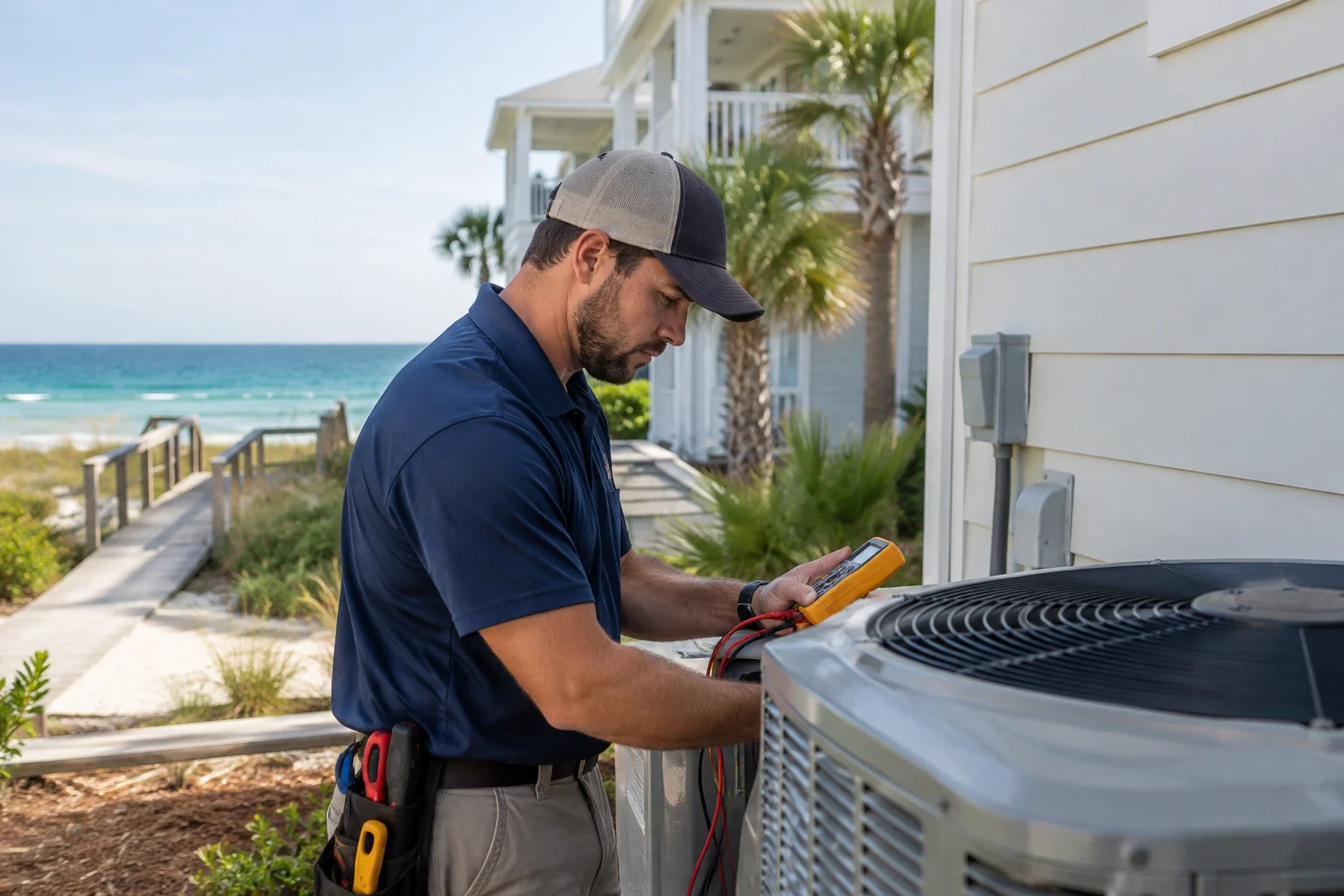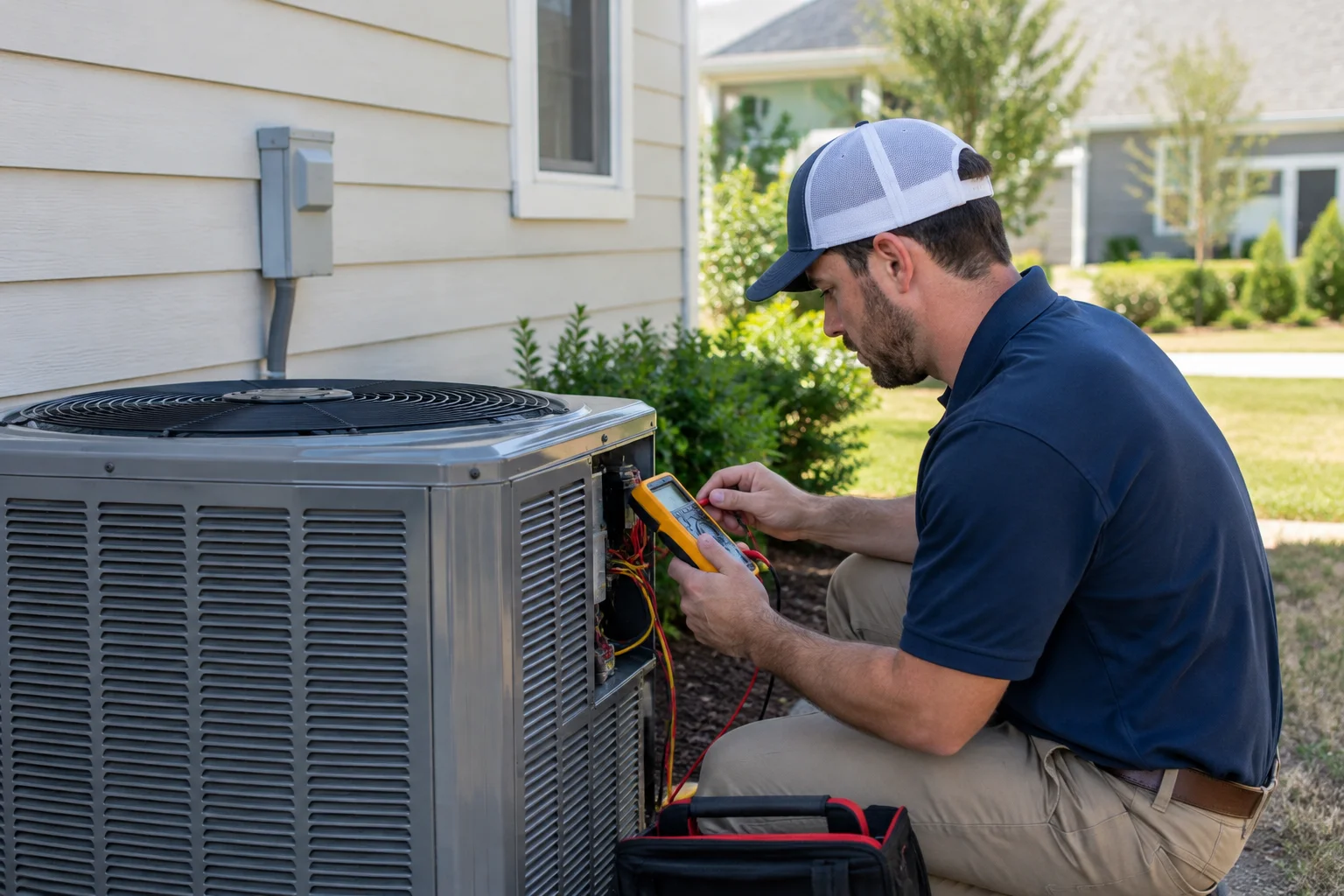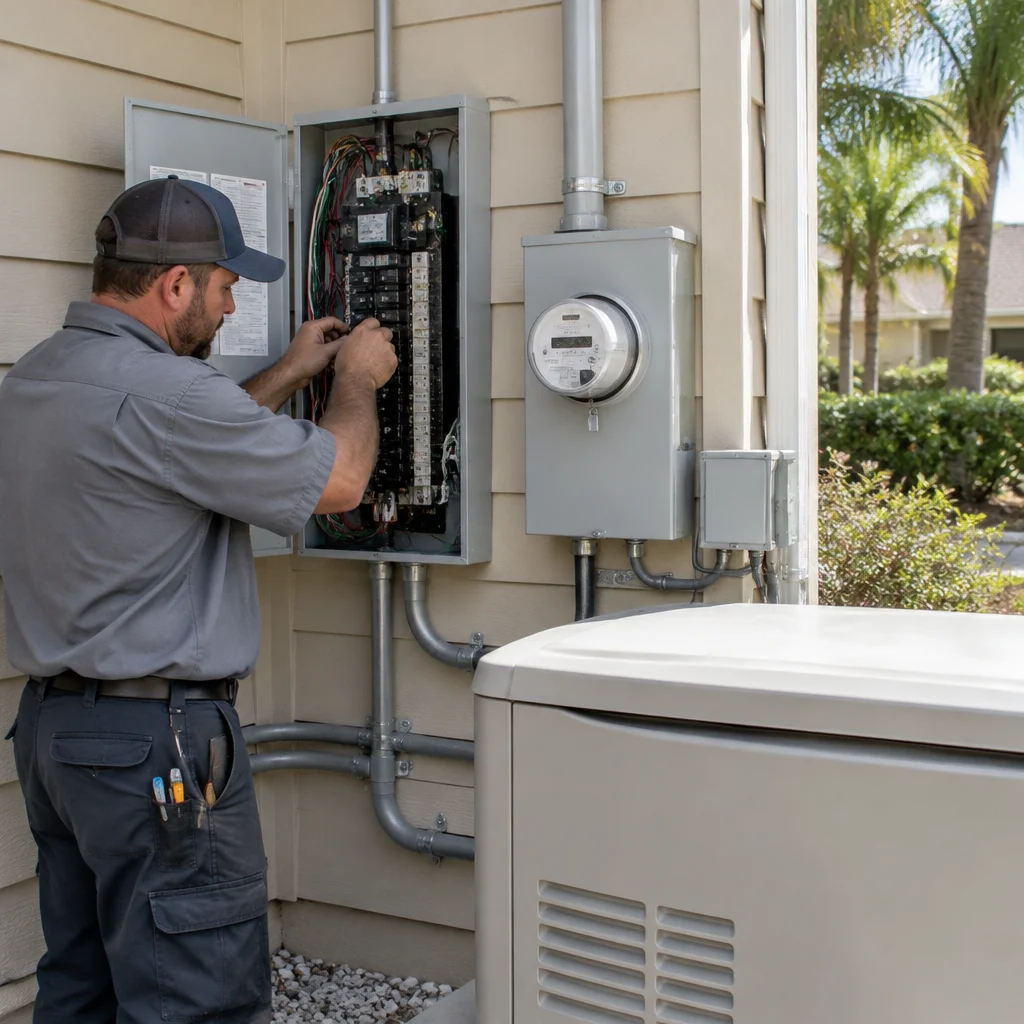
Seagrove Beach has a way of putting HVAC systems to the test. Long cooling seasons, heavy humidity, salt in the air, and frequent temperature swings can wear down equipment faster than many homeowners expect. In a coastal area like Walton County, even a small issue can turn into a bigger comfort problem if it is ignored too long.
That is why many homeowners look beyond basic fixes and pay closer attention to commercial HVAC repair in Seagrove Beach, FL. Even if the system serves a home, rental property, or larger residential space, the goal is the same: keep the equipment running efficiently, protect indoor comfort, and avoid expensive damage caused by delay. For local homeowners, the right repair approach can make a real difference in how well a system handles the coast.
Why Seagrove Beach homes need a tougher HVAC strategy
Homes in Seagrove Beach often deal with more than just heat. Moisture can build up quickly, especially during the warm months when systems run for long stretches. Coastal air also carries salt that can corrode metal parts, affect electrical connections, and shorten the life of outdoor components. Add in sand, pollen, and storm season, and it is easy to see why HVAC systems here need more attention than systems inland.
That local reality is one reason homeowners in the area benefit from working with a team that understands Seagrove Beach service needs and the broader conditions across Walton County. A repair that works in a dry inland market may not hold up as well near the Gulf if the underlying cause is moisture, corrosion, or airflow stress.
Common HVAC problems homeowners should not brush off
Warm air from vents
If the system is running but the vents are pushing warm or only mildly cool air, the problem may be more than a thermostat setting. Low refrigerant, a failing compressor, dirty coils, or restricted airflow can all lead to poor cooling. In Seagrove Beach, this issue often gets worse during the hottest part of the day when the system is under the most strain.
Short cycling
Short cycling happens when the system turns on and off too often. It can signal thermostat trouble, electrical issues, frozen coils, clogged filters, or an oversized or undersized setup. Besides making the home less comfortable, short cycling usually drives up energy use and can cause extra wear on expensive components.
Musty or damp indoor air
Humidity is a major concern in coastal Florida. If a home feels sticky or smells musty even when the AC is running, the system may not be removing moisture properly. That can point to airflow problems, a drain issue, or equipment that is no longer operating efficiently. Left alone, excess humidity can affect comfort and may contribute to mold growth in vulnerable areas.
Water around the air handler
Condensate leaks are easy to overlook at first, especially if the water seems minor. But standing water near the air handler can damage flooring, insulation, and nearby materials. It may also indicate a clogged drain line, cracked drain pan, or frozen coil. In a humid climate, a drain issue can become a recurring problem if the root cause is not addressed.
Rattling, buzzing, or grinding noises
Unusual sounds are often a warning that a part is loose, worn, or failing. Coastal conditions can speed up corrosion and wear on fan motors, electrical parts, and fasteners. A noisy system should not be ignored, because what starts as a small vibration can turn into a breakdown if it is left unresolved.
Higher utility bills without a clear reason
If energy bills climb but the household routine has not changed, the HVAC system may be losing efficiency. Dirty coils, leaky ductwork, aging parts, and poor thermostat control can all make the system work harder than it should. For homes in Seagrove Beach, where cooling demand is already high, wasted energy adds up quickly.
How better repair work protects the home itself
Good HVAC repair is not just about restoring cool air. It also helps protect the structure and interior of the home. When a system cannot control humidity, moisture can collect in places it should not. That can lead to swelling wood, damaged drywall, stained ceilings, and poor indoor air quality. In beachside homes, these problems are especially frustrating because salt air and moisture already create a tougher environment for building materials.
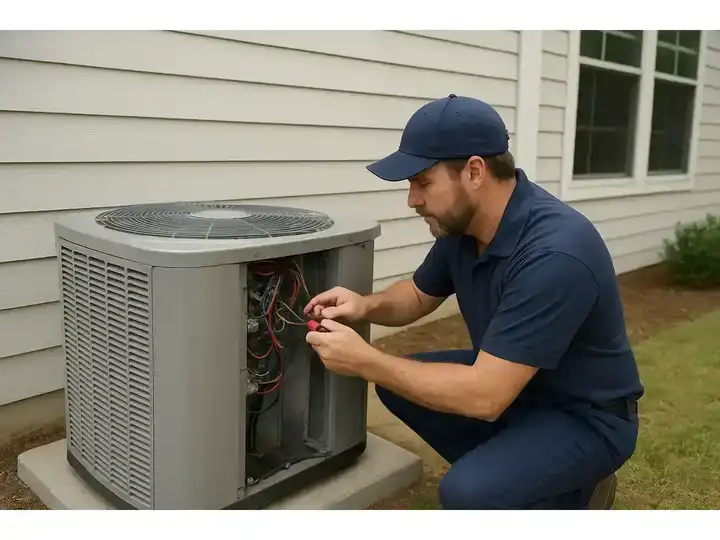
Reliable repair work also helps prevent electrical stress. When a system struggles, it may draw more power than normal or cycle in ways that strain wiring and controls. A careful diagnosis can catch issues early, before they affect the compressor, blower motor, or other major components. If the system is older or has repeated failures, homeowners may also want to compare repair options with air conditioning replacement to see whether a new unit would better fit the home.
Why local service matters in a place like Seagrove Beach
Local experience matters because HVAC problems do not behave the same way everywhere. A technician working in Seagrove Beach needs to understand the impact of salty air, high humidity, storm exposure, and the mix of home styles in the area. Many properties here are vacation homes, rental homes, or custom coastal residences, and each one may have different comfort needs and usage patterns.
That is also why homeowners often look for a provider who can connect repair work with the rest of the system. In some homes, the best solution may involve air conditioning services for routine performance issues, while others may benefit from heat pump services if the property uses a heat pump for year-round comfort. For homes that need better control and scheduling, smart thermostats can help reduce strain and improve temperature management when installed and configured properly.
Maintenance habits that help prevent bigger repairs
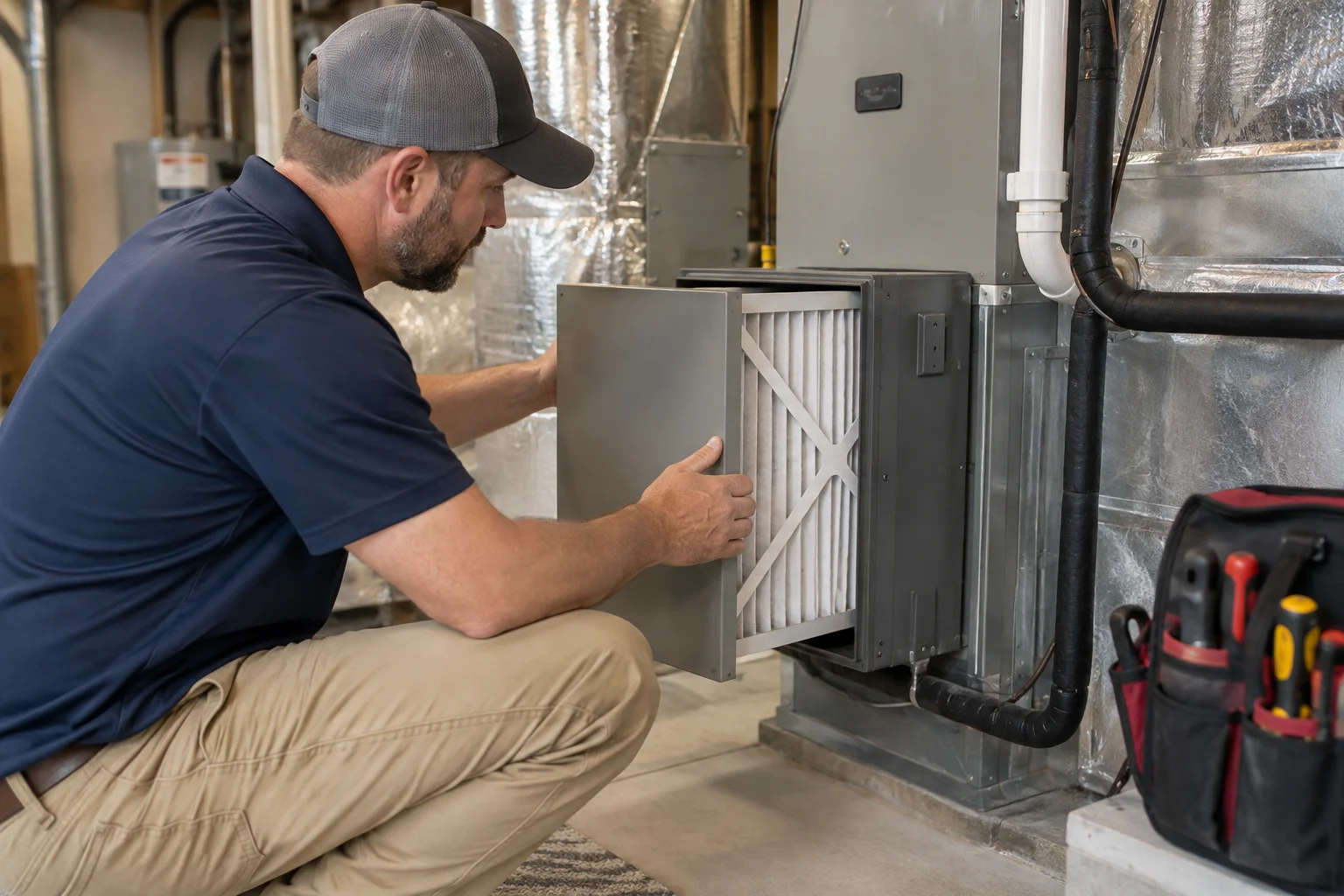
Some HVAC problems can be reduced with regular care. Changing filters on schedule is one of the simplest ways to keep airflow steady and protect the system from dust buildup. Keeping the outdoor unit clear of leaves, sand, and debris also helps the equipment breathe and operate more efficiently. In Seagrove Beach, that matters because wind and coastal weather can quickly clog an outdoor unit.
Homeowners should also pay attention to drain lines, vents, and thermostat settings. If a room feels much warmer or more humid than the rest of the house, that can be an early clue that something is off. Seasonal inspections are especially useful before peak cooling months, when the system will be working hardest. For property owners who manage rentals or second homes, this kind of preventive attention can help avoid guest complaints and emergency calls during busy travel periods. Related reading like Keeping Seagrove Beach Rentals Comfortable with Smarter HVAC Management offers more ideas for keeping properties dependable through the season.
How repair decisions affect comfort in coastal homes
Not every HVAC issue needs a replacement, but not every repair is worth delaying either. A small refrigerant leak, damaged capacitor, or failing contactor may seem minor at first, yet those problems can quickly affect cooling performance and put other parts at risk. In a coastal climate, the combination of humidity and salt exposure can make small failures spread faster than homeowners expect.
That is why a thorough diagnosis matters. A good repair visit should identify the immediate problem, check for related wear, and explain whether the system is still a good candidate for repair. Homeowners who want a more strategic approach may find it helpful to read A Smarter Way to Approach Commercial HVAC Repair in Seagrove Beach, FL, which covers how thoughtful repairs can extend equipment life and reduce repeat service calls.
After storms and heavy weather, do not assume the system is fine
Seagrove Beach weather can shift quickly, and storms can leave behind hidden HVAC issues. Power interruptions may stress controls, surge damage can affect electrical parts, and wind-driven debris can clog or damage outdoor equipment. Even if the system powers back on, it may not be running as safely or efficiently as before.
Homeowners who notice odd behavior after rough weather should schedule an inspection rather than wait for a complete failure. This is especially important for properties near the coast where exposure is constant. For more context on how weather affects service needs in nearby areas, How Local Weather Affects Commercial HVAC Repair in Destin, FL offers a useful look at the regional climate challenges that also apply along the Emerald Coast.
Practical steps homeowners can take before calling for service
Before scheduling repair, it helps to note what the system is doing. Is the problem constant or only happening during peak heat? Are certain rooms affected more than others? Is the system making noise, leaking water, or cycling too often? These details help a technician narrow down the cause faster.
It is also smart to avoid repeated resets if the unit is shutting down. Constantly restarting a struggling system can make the problem worse. If the outdoor unit is covered in sand, leaves, or debris, do not try to force a deep cleaning without knowing what parts are exposed. A careful inspection is usually the safest route, especially when electrical components or refrigerant lines may be involved.
For homeowners building or renovating in the area, HVAC planning matters early. New coastal homes often need systems designed around humidity control, duct placement, and efficient zoning. That is why Building Reliable Comfort Into New Construction HVAC in Seagrove Beach, FL can be a helpful reference for anyone thinking beyond a single repair visit.
Choosing repair help that fits the home and the climate
When homeowners search for commercial HVAC repair near Seagrove Beach, they are usually looking for fast service, clear answers, and repairs that last. The best local service should understand both the equipment and the environment it serves. That means checking more than the obvious symptom and making sure the fix supports long-term performance in a humid, salt-heavy coastal setting.
A Superior Mechanical provides commercial HVAC repair in Seagrove Beach, FL for properties that need dependable cooling support and practical solutions. Whether the issue is poor airflow, moisture problems, electrical trouble, or a system that is simply aging out, the right repair approach helps protect comfort, reduce stress on the equipment, and keep the home ready for daily life along the beach.
For Seagrove Beach homeowners, paying attention to small HVAC changes is one of the easiest ways to avoid bigger problems later. In this climate, comfort depends on more than cold air. It depends on a system that can handle humidity, run efficiently, and stand up to coastal conditions year after year.
Find Commercial HVAC Repair in Seagrove Beach, FL
If you need Commercial HVAC Repair in Seagrove Beach, FL, visit our local service page or contact A Superior Mechanical today.
Map of Seagrove Beach, FL
Frequently Asked Questions
Why is commercial HVAC repair relevant for homes in Seagrove Beach?
Many larger homes, rental properties, and custom coastal residences use systems that need the same level of diagnostic care as commercial equipment. In Seagrove Beach, humidity, salt air, and heavy cooling demand make careful repair especially important.
What HVAC problems are most common in coastal Walton County homes?
Homeowners often deal with weak cooling, short cycling, clogged drain lines, excess humidity, unusual noises, and corrosion on outdoor components. These issues can worsen quickly in a beachside environment.
How often should HVAC systems be checked in Seagrove Beach?
At least once a year is a good baseline, but many coastal homes benefit from more frequent attention because of salt exposure, long cooling seasons, and high humidity. Seasonal checks before peak summer heat can help catch issues early.
When should a homeowner consider replacement instead of repair?
If the system needs repeated repairs, struggles to cool evenly, or has major component failure, replacement may be the better investment. An experienced technician can compare repair cost, age, and efficiency before recommending the next step.
Related Articles
Photo Gallery