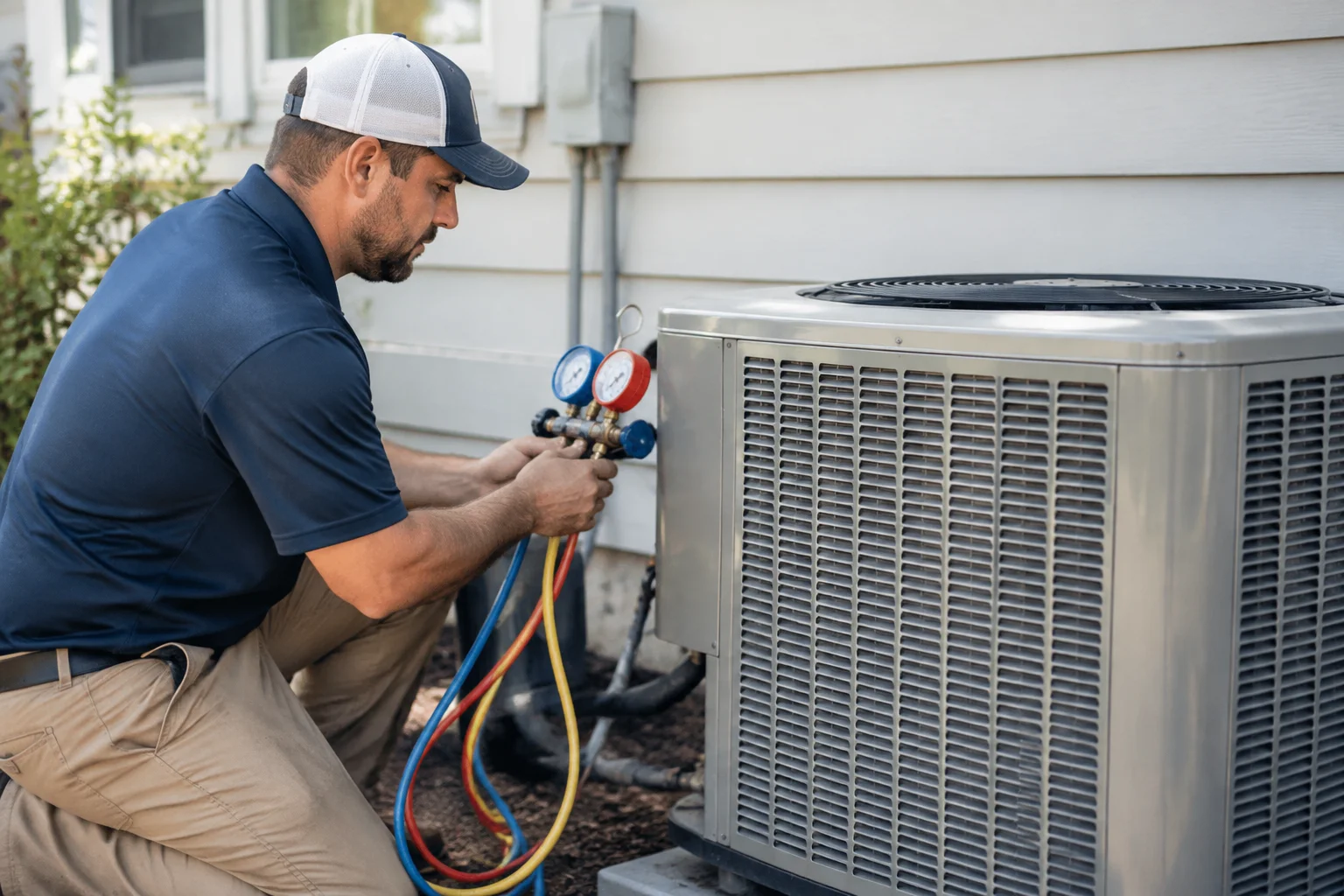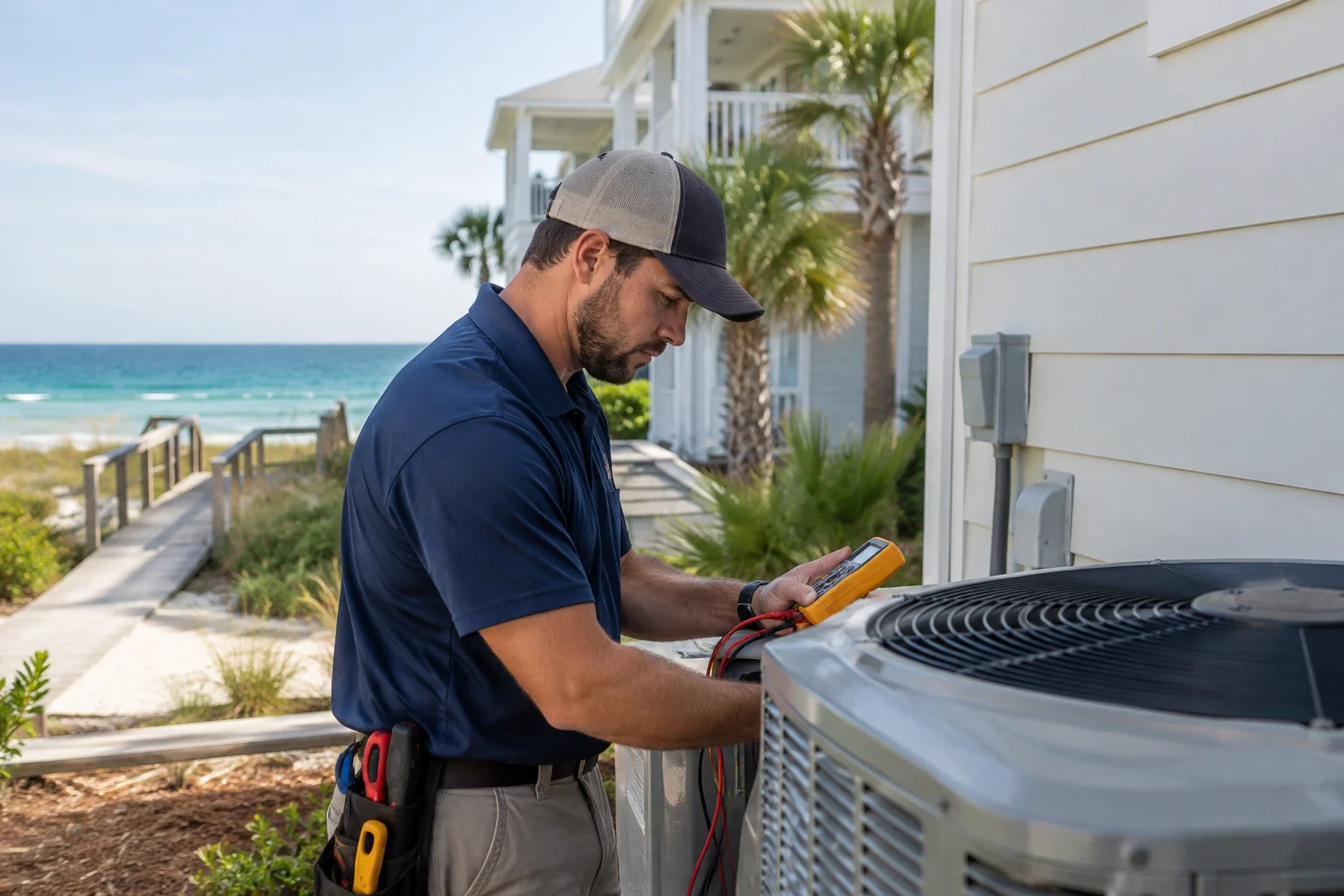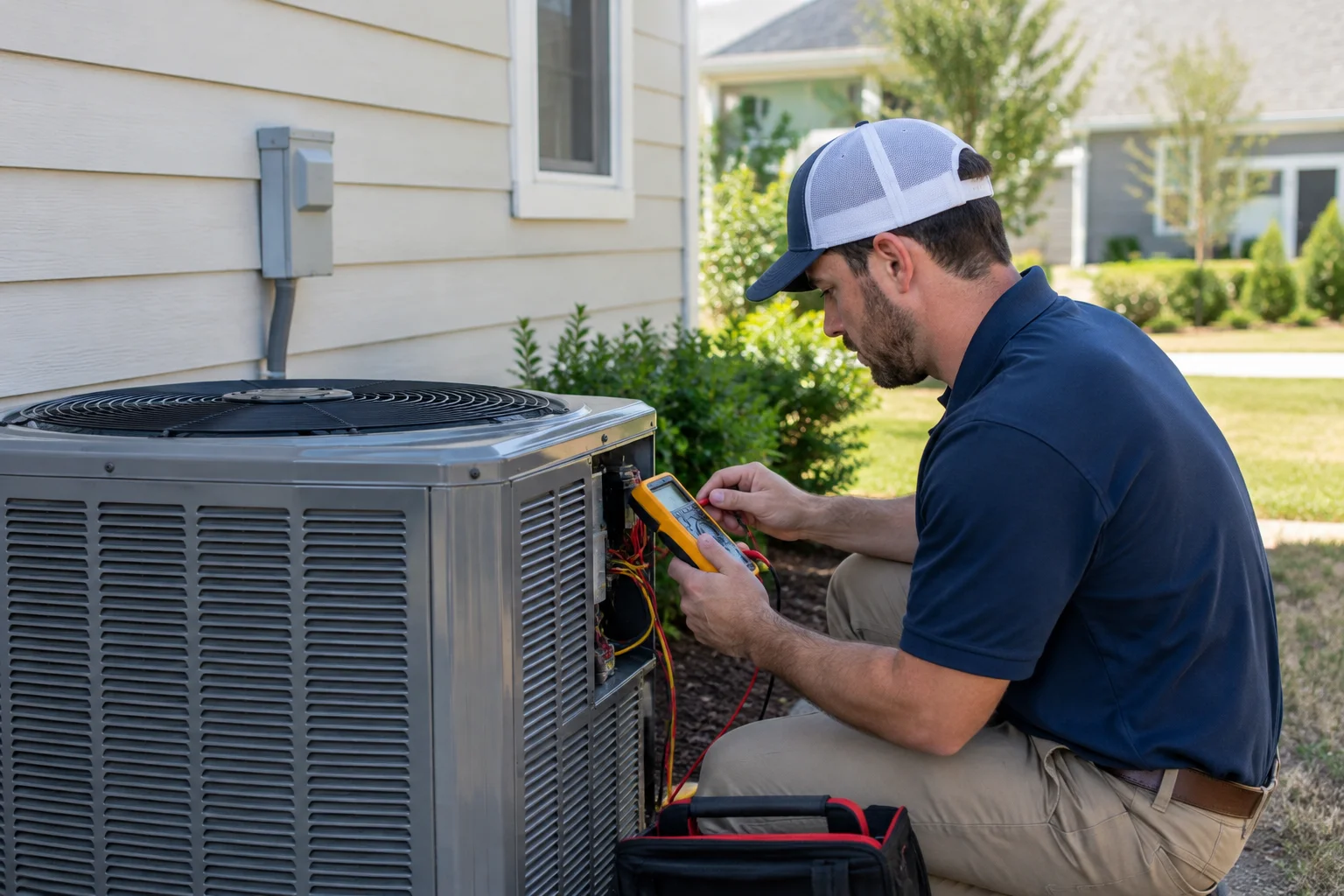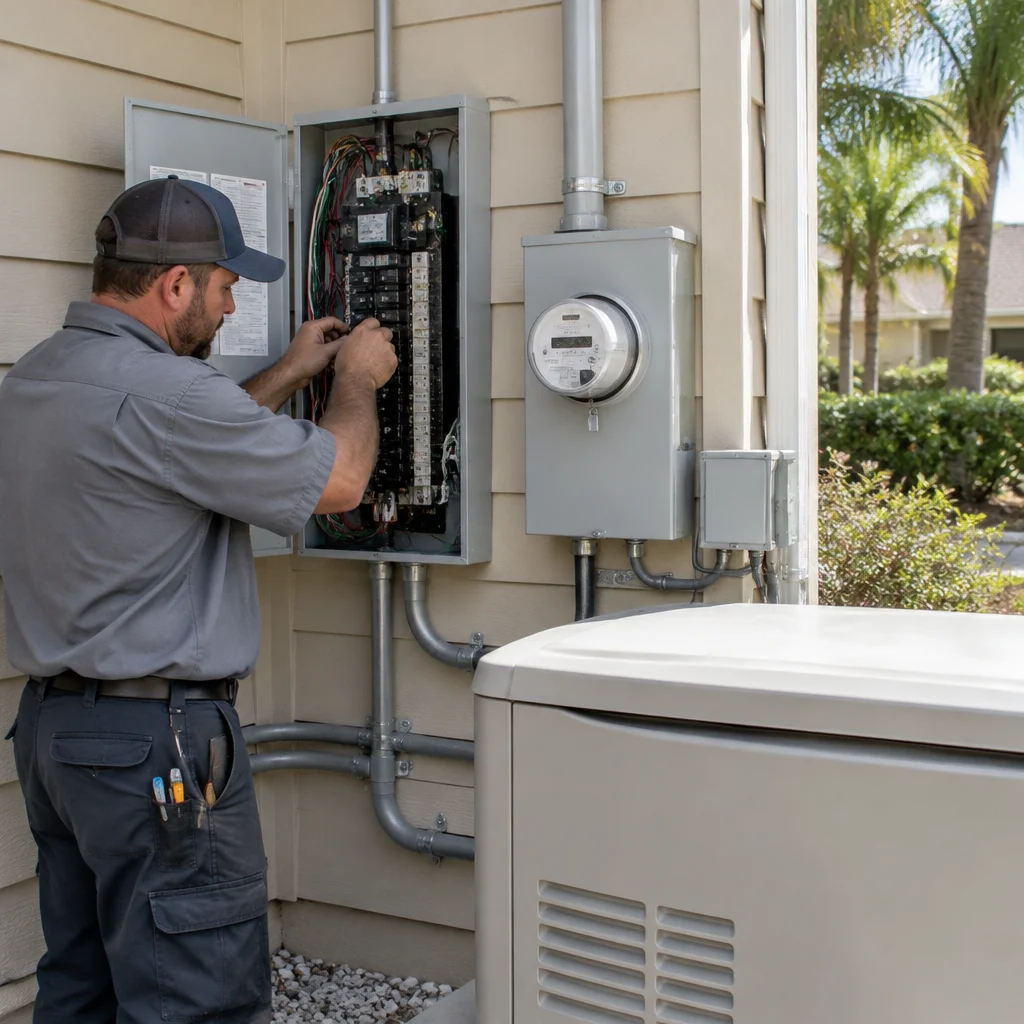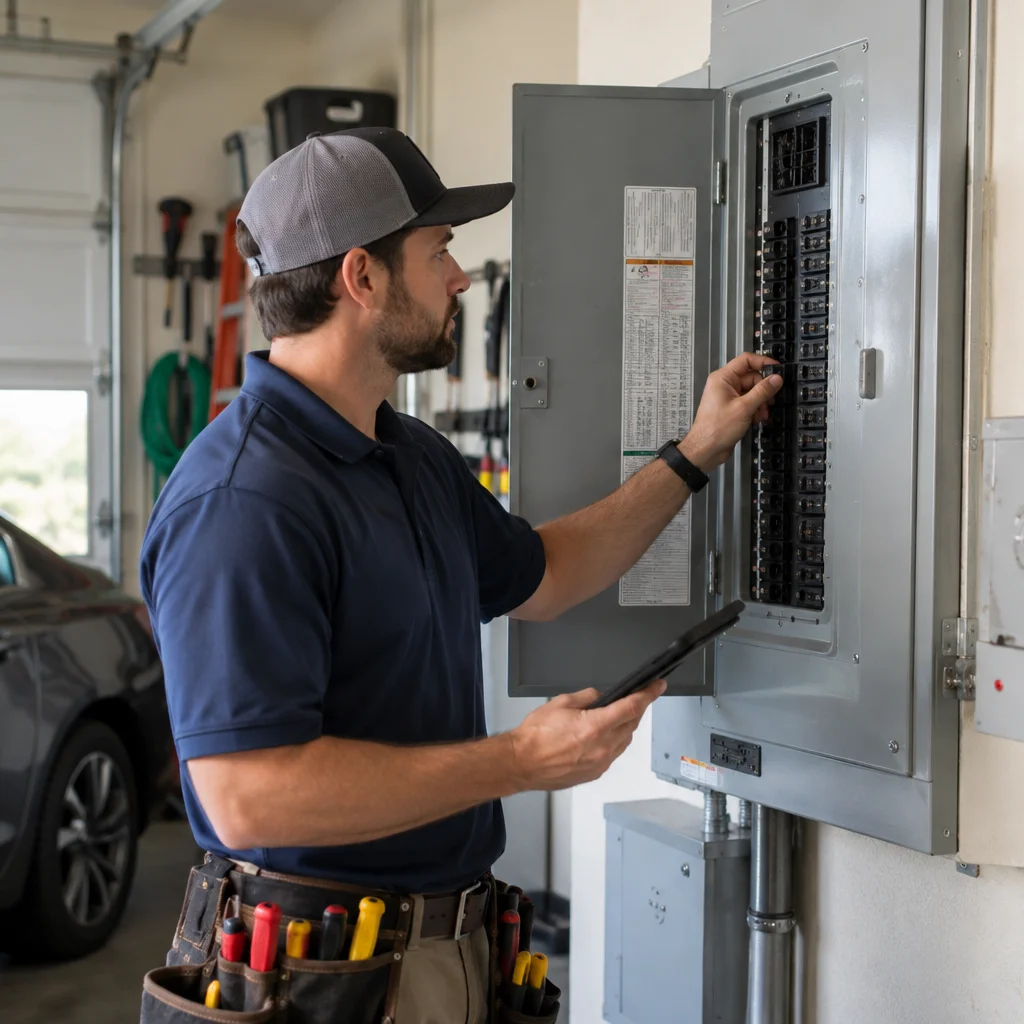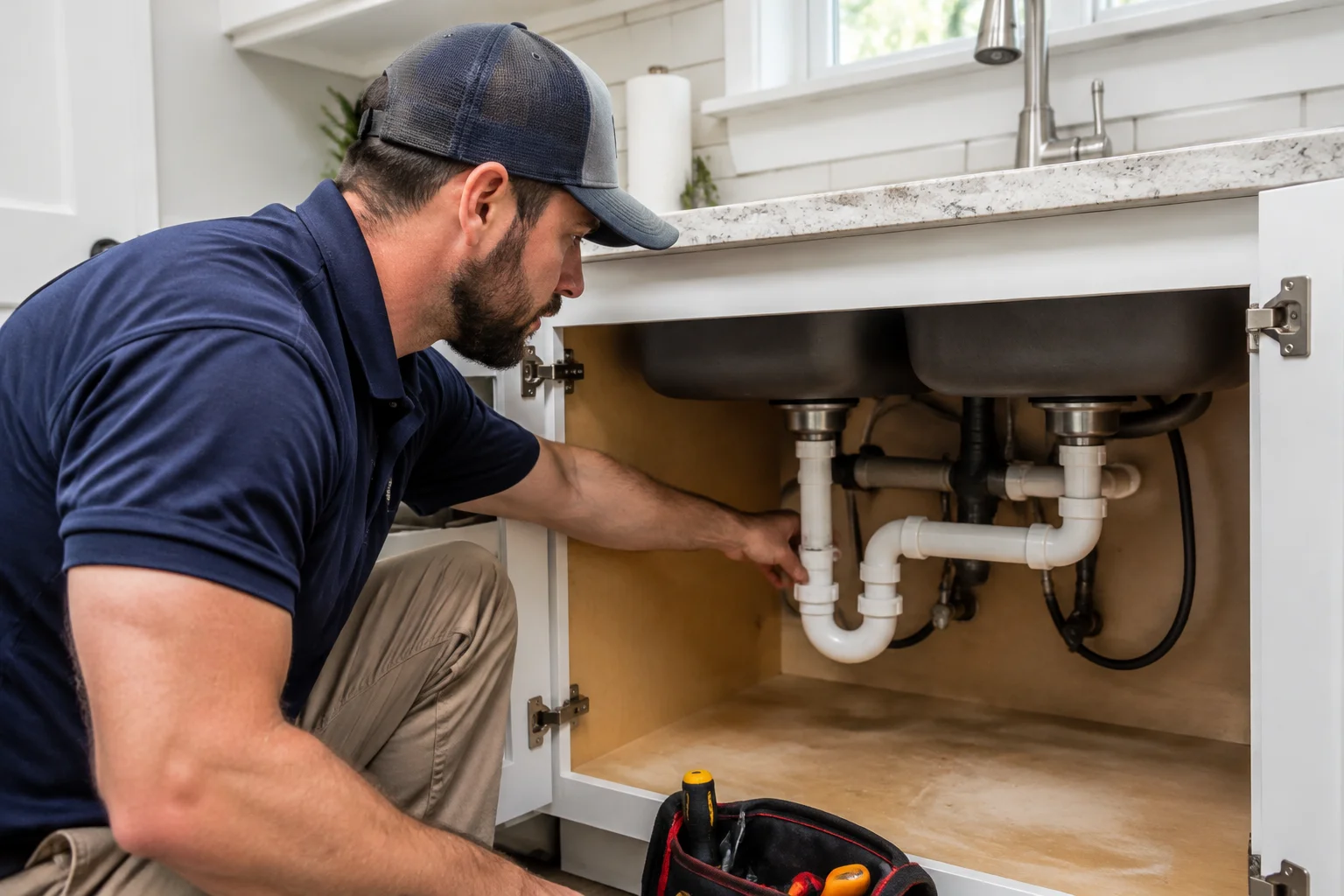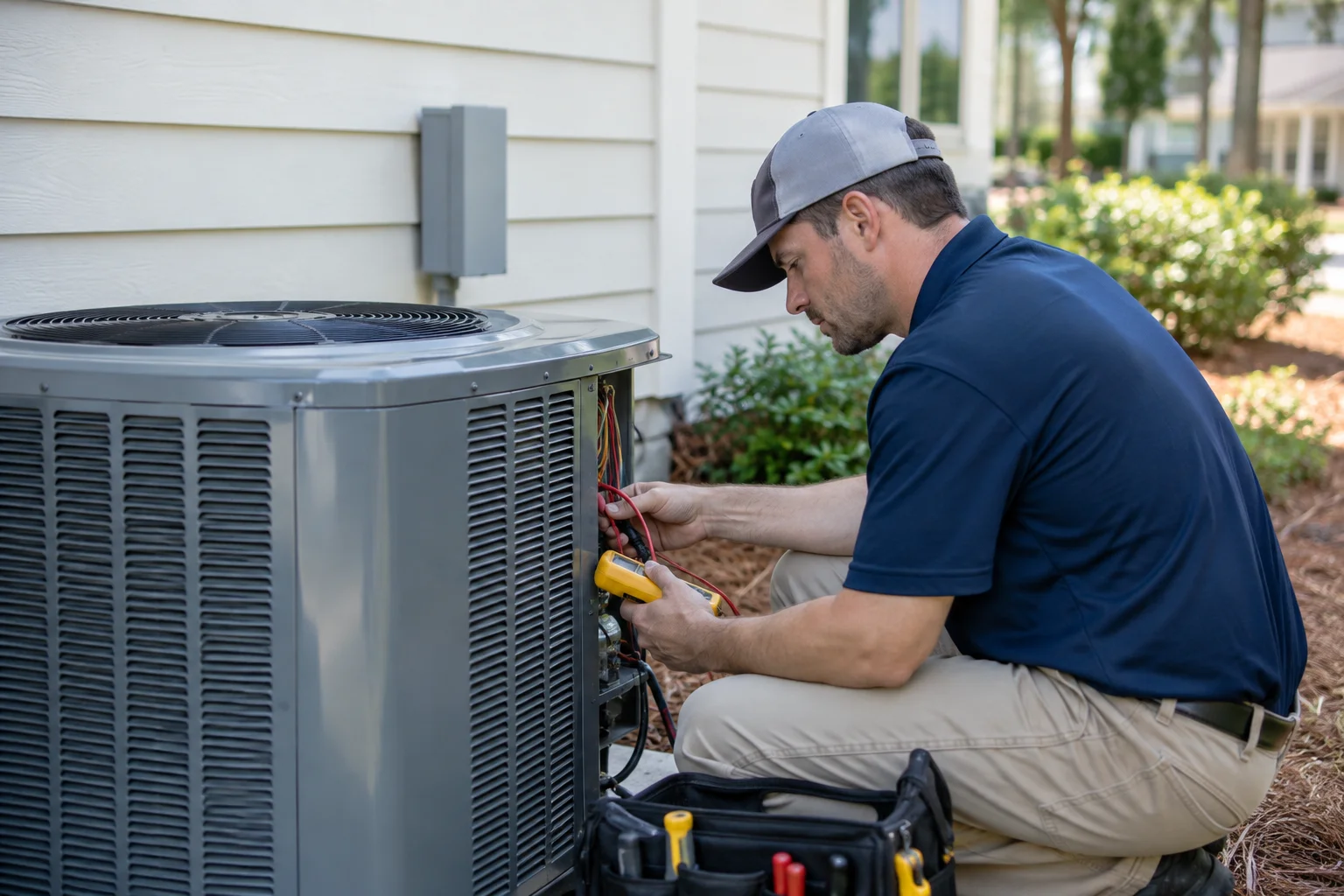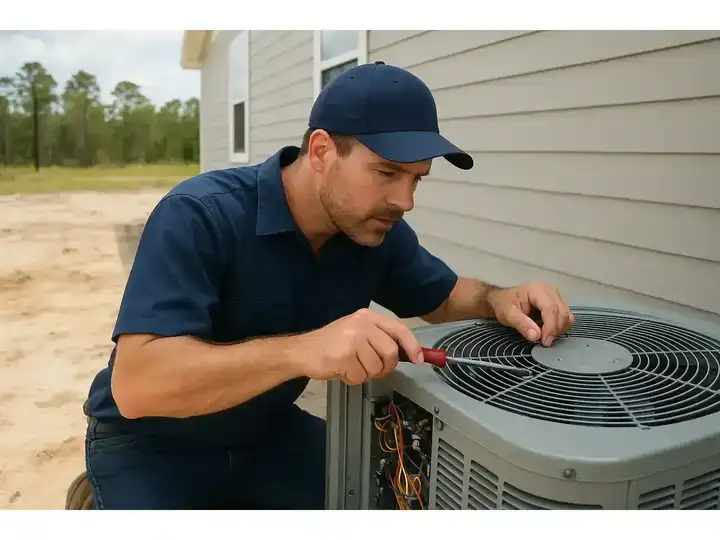
In Seagrove Beach, a comfortable home depends on more than just a good looking finish and a strong build. The HVAC system has to handle long cooling seasons, heavy humidity, salty coastal air, and the way modern homes are actually used. When new construction HVAC is planned well, homeowners get steadier comfort, lower moisture issues, and fewer service calls after move in.
That is especially important in Walton County, where homes may sit near the Gulf, face strong sun exposure, and stay closed up for much of the day. A system that is sized, installed, and balanced correctly can make a noticeable difference in how a home feels and how often it needs attention. For homeowners looking into new construction HVAC in Seagrove Beach, FL, the details matter from the start.
Why Seagrove Beach homes need a different HVAC approach
Seagrove Beach has a coastal climate that puts real pressure on heating and cooling equipment. Summers are hot and humid, shoulder seasons can still feel sticky, and salt air can wear on metal components faster than many inland homeowners expect. Homes here also tend to include open floor plans, tall ceilings, large windows, and outdoor living areas that change the load on the system.
That means a one size fits all HVAC plan usually falls short. Builders and homeowners need a design that accounts for insulation levels, window placement, duct layout, room usage, and moisture control. The goal is not just cold air. The goal is reliable comfort in a home that stays dry, efficient, and quiet through the seasons.
Common HVAC issues homeowners should not ignore
Oversized equipment
One of the most common problems in new construction is equipment that is too large for the home. Bigger is not better when it comes to HVAC. An oversized system can cool the air too quickly without running long enough to remove humidity. That leaves the home feeling clammy even when the thermostat says the temperature is right.
In a place like Seagrove Beach, where humidity control is just as important as temperature control, this issue can lead to discomfort, musty smells, and even mold concerns over time. Proper load calculations should guide the equipment choice, not guesswork.
Poor duct design
Ductwork is easy to overlook because it is hidden behind walls and ceilings, but it plays a major role in system performance. Duct runs that are too long, too small, or poorly sealed can reduce airflow and create hot or cold rooms. Leaky ducts can also pull in humid attic air, which makes the system work harder and can raise indoor moisture levels.
In new construction, duct design should be planned alongside the home layout. That includes return air placement, supply register locations, and insulation around ducts in unconditioned spaces.
Humidity problems
Florida homeowners know that temperature alone does not equal comfort. If indoor humidity stays high, the home can feel warmer than it really is. Excess moisture can also affect wood floors, drywall, furnishings, and indoor air quality. In coastal Walton County, humidity control should be part of the HVAC plan, not an afterthought.
If a new home feels damp, smells stale, or takes a long time to dry out after showers or cooking, the HVAC system may need adjustment. Sometimes the answer is better equipment selection. Other times it is improved airflow, better duct sealing, or added indoor air quality support.
Thermostat and zoning issues
Modern homes often need more control than a single thermostat can provide. Open living areas, guest rooms, upstairs spaces, and bonus rooms may all behave differently. Without zoning or smart controls, homeowners may end up fighting the thermostat all year.
For some homes, smart thermostats can improve scheduling, efficiency, and comfort. In larger or more complex homes, zoning or VRF multi-zone systems may be a better fit. The right answer depends on the home design and how the space will be used.
How better planning improves reliability
Reliable HVAC starts before the system is installed. Good planning looks at the whole house, not just the square footage. That means evaluating insulation, air sealing, window exposure, ceiling height, and the number of people expected to live in the home. It also means choosing equipment that can handle Seagrove Beach conditions without short cycling or struggling to keep up.
When contractors take time to match the system to the home, homeowners usually see better airflow, fewer comfort complaints, and lower wear on the equipment. That can extend system life and reduce the chance of early breakdowns. If you are building in the area, it is worth working with a team that understands Walton County homes and the coastal conditions that affect them.
Load calculations are not optional
A proper load calculation helps determine how much heating and cooling a home actually needs. This is different from simply matching the size of the old house next door or using a rough estimate based on square footage. In new construction, accurate calculations are one of the best ways to avoid oversizing, undersizing, and comfort issues later.
Air sealing and insulation matter
Even the best HVAC system cannot perform well in a leaky building. Air sealing and insulation help keep conditioned air inside and humid outdoor air outside. That reduces runtime, improves comfort, and helps the system control moisture more effectively. In coastal homes, this can make a major difference in how stable the indoor environment feels.
Good ductwork design protects the whole system
Balanced duct design helps each room get the airflow it needs. It also reduces strain on the blower and compressor. If ducts are designed with access, sealing, and proper insulation in mind, service later becomes easier too. That matters for long term reliability, especially in homes where mechanical systems are tucked into tight spaces.
Local conditions that should shape the design
Seagrove Beach homes deal with more than heat. Salt air can be hard on outdoor units, coils, and fasteners. High humidity can make cooling systems run longer. Storm seasons can also place added stress on equipment and electrical components. These factors make local expertise important during both design and installation.
Homeowners in nearby parts of Walton County often benefit from service providers who understand how coastal construction differs from inland work. A system built for the local climate is more likely to stay efficient and dependable. That is one reason homeowners and builders often look for experienced support with Seagrove Beach HVAC service from the beginning of the project.
Maintenance habits that protect a new system
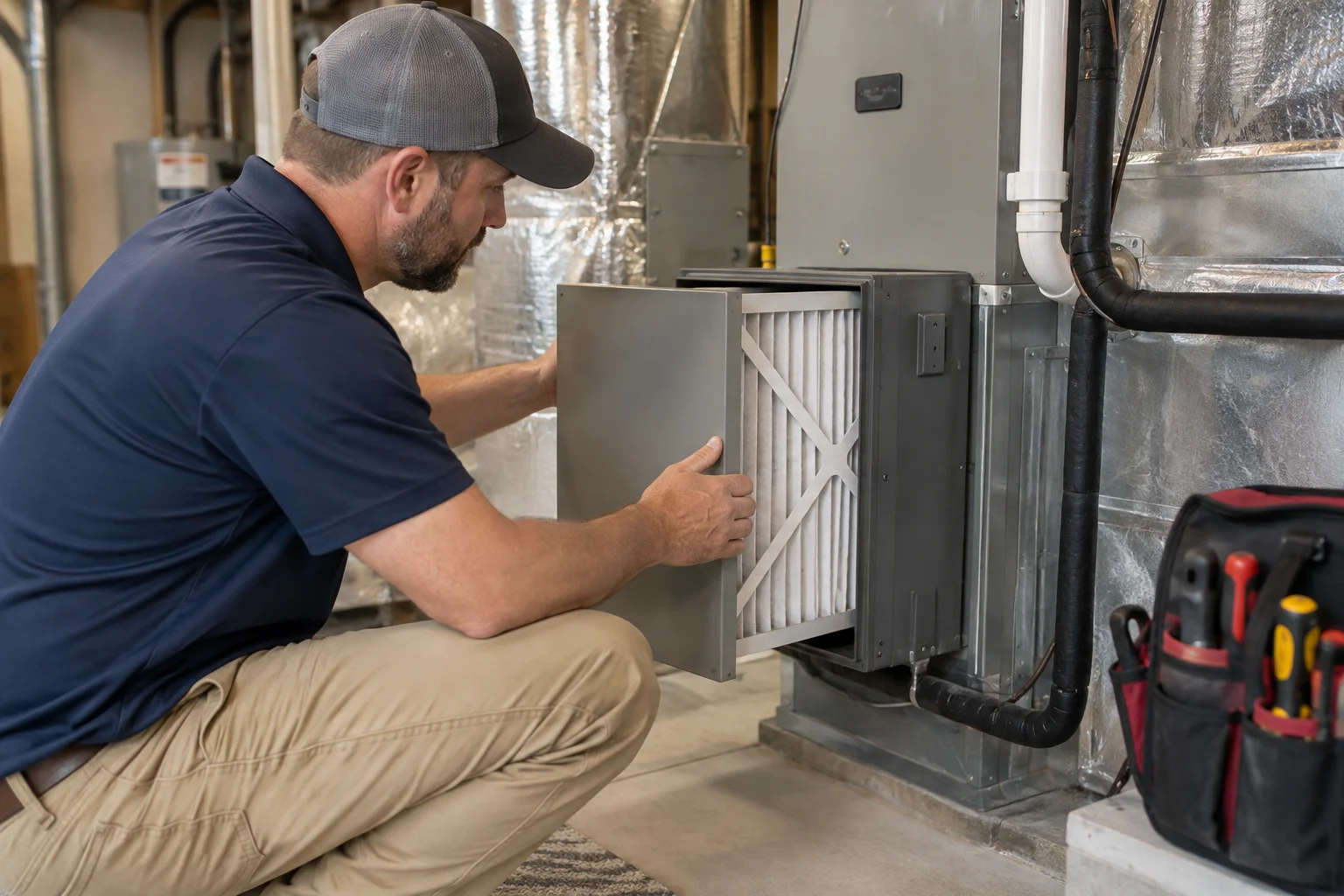
Once construction is complete, the best way to protect a new HVAC system is to keep up with maintenance. That includes filter changes, drain line checks, coil cleaning, and routine inspections. In a humid coastal environment, clogged drains and dirty coils can quickly turn into comfort problems.
Homeowners should also pay attention to small changes. If the system starts running longer than usual, one room feels off, or the home begins to smell damp, those are early warnings worth checking. Catching a problem early is usually much easier than waiting until the system fails during a stretch of heat and humidity.
For property owners managing multiple homes or rental units, a maintenance plan can be especially helpful. It keeps equipment in better shape and reduces emergency calls during busy seasons. Related planning tips can also be useful for owners who read about making smarter HVAC choices for property managers in Seagrove Beach.
Indoor air quality is part of the conversation
Comfort in a new home is not only about temperature. Indoor air quality matters too, especially in a coastal market where homes may stay closed up with air conditioning running for long periods. Dust, pollen, moisture, and stale air can all affect how a house feels.
Depending on the home, add on solutions may help. That can include better filtration, fresh air strategies, dehumidification support, or indoor air quality upgrades. These choices are often easiest to plan during new construction, before finishes are complete and access is limited.
When to bring in a professional
New construction HVAC should not be left to guesswork or rushed install dates. If the design has not been reviewed carefully, if the builder is unsure about duct routing, or if the home has special comfort needs, it is time to bring in a qualified HVAC professional. Local experience matters because coastal homes face different conditions than homes farther inland.
A Superior Mechanical provides new construction HVAC in Seagrove Beach, FL with a focus on system design, installation, humidity control, and long term performance. That kind of planning can help homeowners avoid the common issues that show up after move in, when they are hardest to fix.
It can also help to think ahead about budget and project timing. Homeowners who want to prepare early may find it useful to read how Seagrove Beach homeowners can plan for HVAC financing before seasonal stress builds. For larger projects, especially those that involve multiple structures or commercial spaces, related guidance like a smarter way to approach commercial HVAC repair in Seagrove Beach, FL and a proactive plan for new construction HVAC in Fort Walton Beach starts long before the drywall goes up can also offer useful perspective.
Reliable HVAC in Seagrove Beach starts with design choices that fit the home, the climate, and the way people actually live. When those details are handled early, homeowners are far more likely to enjoy steady comfort, better humidity control, and a system that holds up well in coastal conditions.
Find New Construction HVAC in Seagrove Beach, FL
If you need New Construction HVAC in Seagrove Beach, FL, visit our local service page or contact A Superior Mechanical today.
Map of Seagrove Beach, FL
Frequently Asked Questions
Why is new construction HVAC in Seagrove Beach different from inland projects?
Seagrove Beach homes deal with higher humidity, salt air, and long cooling seasons. That makes load calculations, duct design, and moisture control more important than they might be in a drier inland climate.
What HVAC problems are most common in new coastal homes?
Oversized equipment, leaky ductwork, poor humidity control, and weak airflow are common issues. These problems can lead to uneven comfort, higher energy use, and indoor moisture concerns.
Can smart thermostats help with comfort in a new home?
Yes. Smart thermostats can improve scheduling, temperature control, and energy use. In some homes, they work best as part of a larger comfort strategy that may also include zoning or multi-zone equipment.
How often should a new HVAC system be maintained in Walton County?
At least twice a year is a good rule for coastal Florida homes. Regular maintenance helps catch drain issues, dirty coils, and airflow problems before they turn into larger repairs.
Related Articles
- A Smarter Way to Approach Commercial HVAC Repair in Seagrove Beach, FL
- How Seagrove Beach Homeowners Can Plan for HVAC Financing Before Seasonal Stress Builds
- Making Smarter HVAC Choices for Property Managers in Seagrove Beach
- A proactive plan for new construction HVAC in Fort Walton Beach starts long before the drywall goes up
Photo Gallery