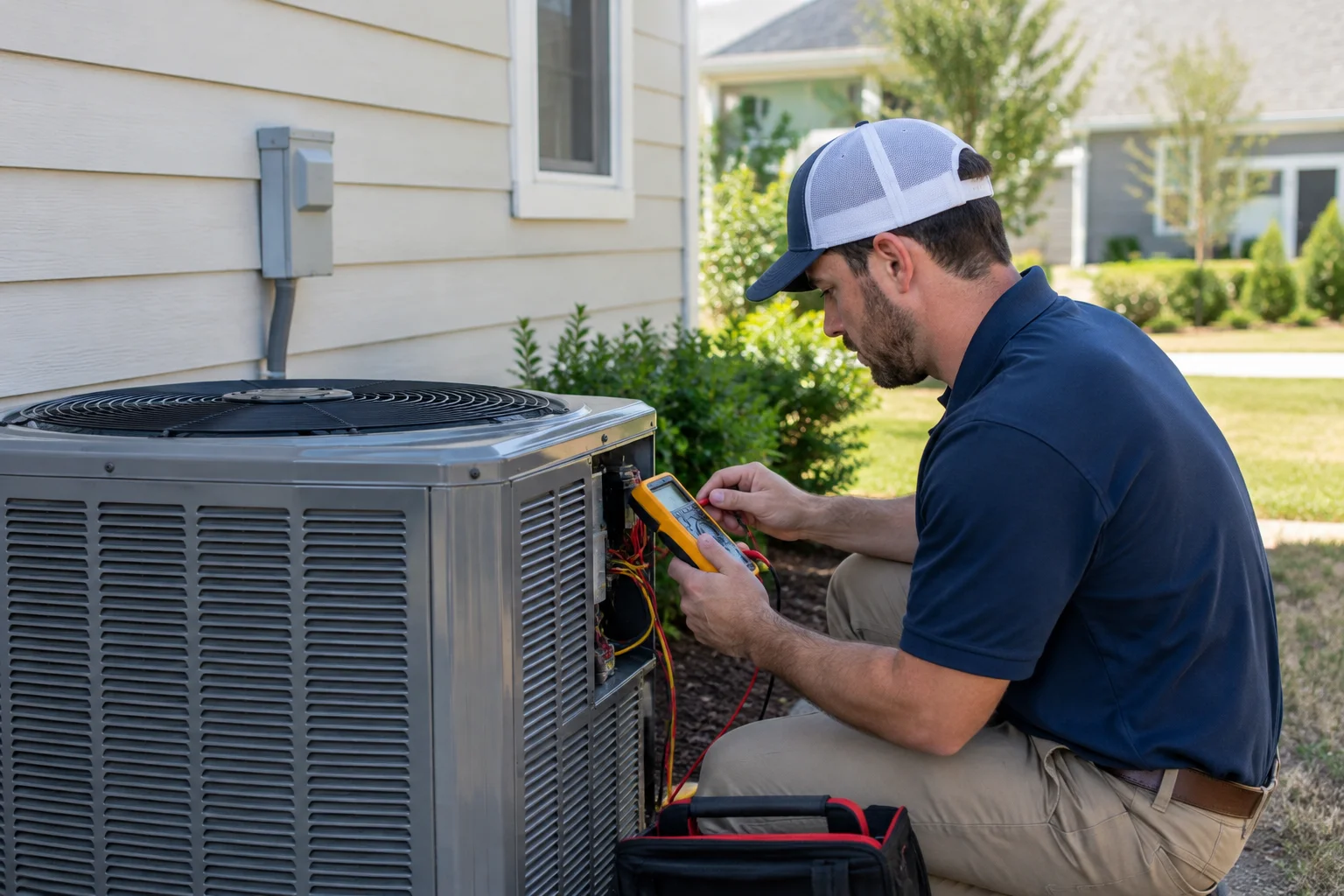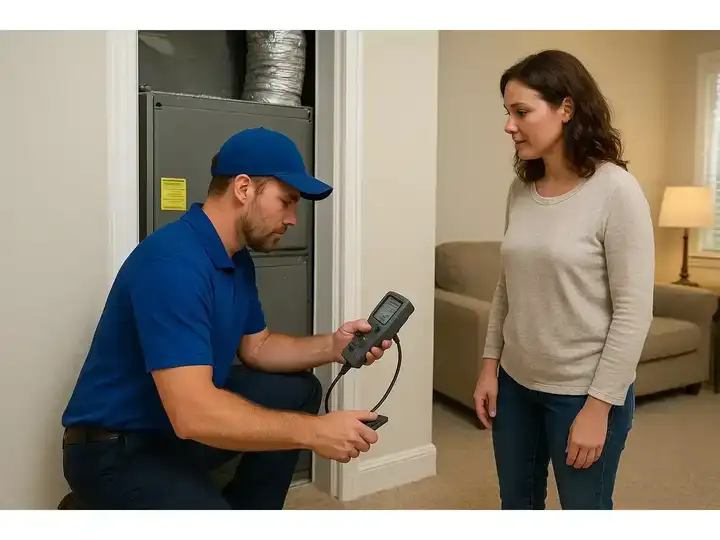
Indoor air quality problems are easy to miss in Fort Walton Beach homes. Moist Gulf air, long cooling seasons, and tightly sealed houses can trap humidity and pollutants inside where they affect comfort and health. That is why Indoor Air Quality Testing in Fort Walton Beach, FL matters. It gives homeowners a clearer picture of what is in the air and what may be making the home feel stuffy, damp, or dusty.
Testing works best when the home is prepared correctly and the results are interpreted in the context of local weather, construction style, and HVAC performance. A Superior Mechanical provides Fort Walton Beach HVAC services that help homeowners identify the conditions that often lead to poor indoor air quality in Okaloosa County.
Why indoor air quality issues show up so often in Fort Walton Beach
Fort Walton Beach has a climate that can be hard on indoor air quality. High humidity is common for much of the year, and that moisture can work its way into crawlspaces, attics, wall cavities, and duct systems. When air conditioning runs often, homes may stay cool but still feel damp if the system is not removing enough moisture.
Many local homes also deal with salt air, pollen, and seasonal storms. After heavy rain or wind, small leaks can let moisture into building materials, insulation, and ductwork. That creates conditions where mold growth, musty odors, and dust buildup are more likely. In some homes, the issue is not one major problem but several smaller ones that add up over time.
That is why homeowners in Okaloosa County often benefit from testing that looks beyond a single symptom. A stale smell, frequent allergies, or rooms that never seem comfortable can all point to an air quality issue that deserves a closer look.
How to get better results from indoor air quality testing
Indoor air quality testing is most useful when the home is tested under realistic conditions. A rushed or poorly timed test can miss the source of the problem or make a normal condition look worse than it is. Homeowners can lower the risk of confusing results by taking a few simple steps before scheduling service.
Keep the home in its normal day to day condition
Do not deep clean, open every window, or run extra fans right before the test unless the technician asks you to. Testing should reflect how the home usually performs. If the house is normally closed up with the air conditioner running, the testing should capture that environment.
It also helps to avoid unusual activities that can skew the results, such as painting, running a strong air freshener, or storing chemicals indoors right before the visit. These can affect readings and make it harder to tell whether the home has a real ventilation or pollutant issue.
Share recent changes and symptoms
Tell the technician about any new odors, allergy flare ups, visible stains, or rooms that feel damp. Mention whether the home has had a roof leak, plumbing leak, storm damage, or recent HVAC work. If you recently read about moisture concerns, this can also be a good time to review related issues like water leak repairs in Fort Walton Beach, since hidden leaks often contribute to indoor air quality problems.
Details matter. A bedroom that smells musty only after rain may point to a different issue than a whole house that feels stuffy all summer. The more the technician knows, the easier it is to target the right areas.
Check the HVAC system before testing
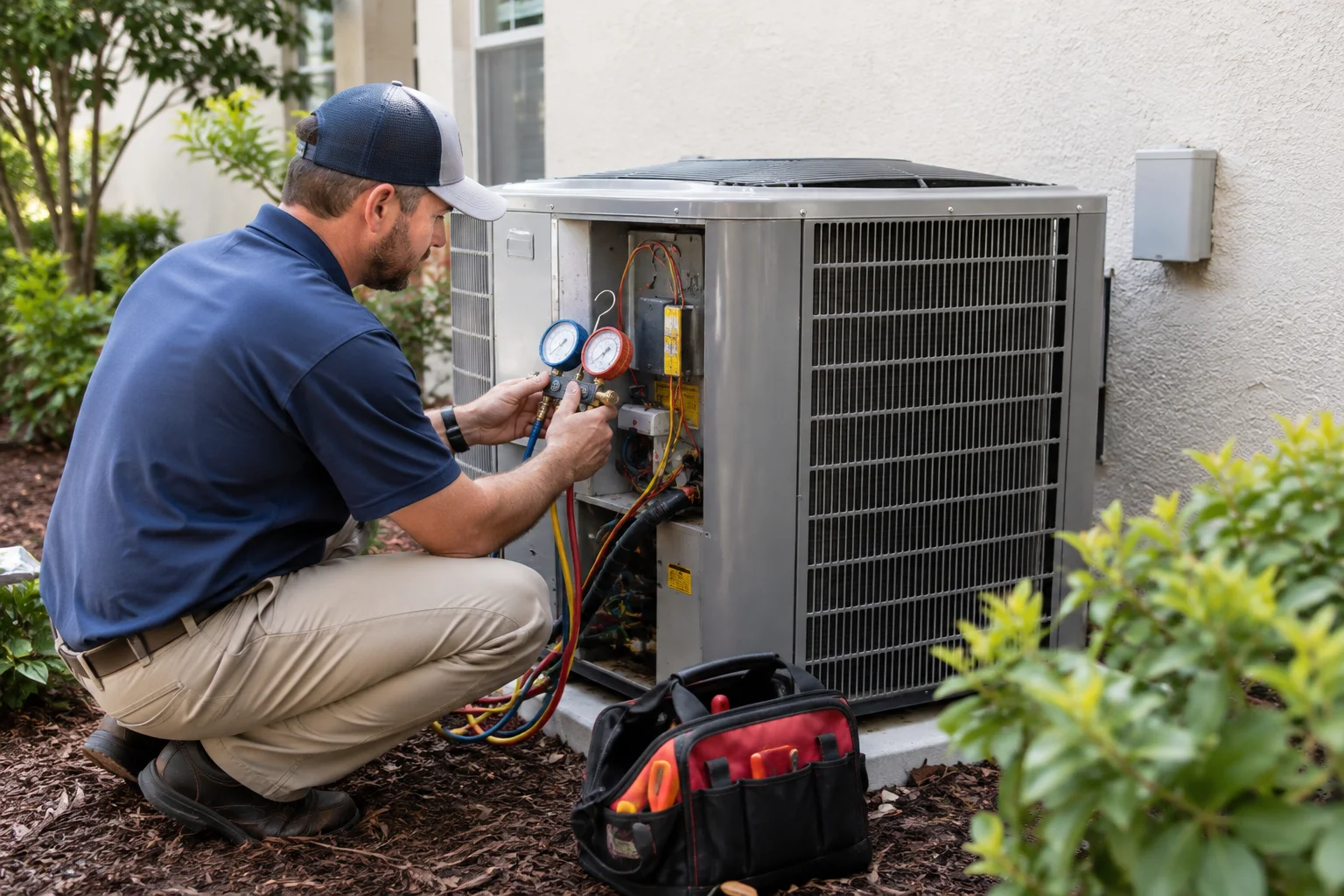
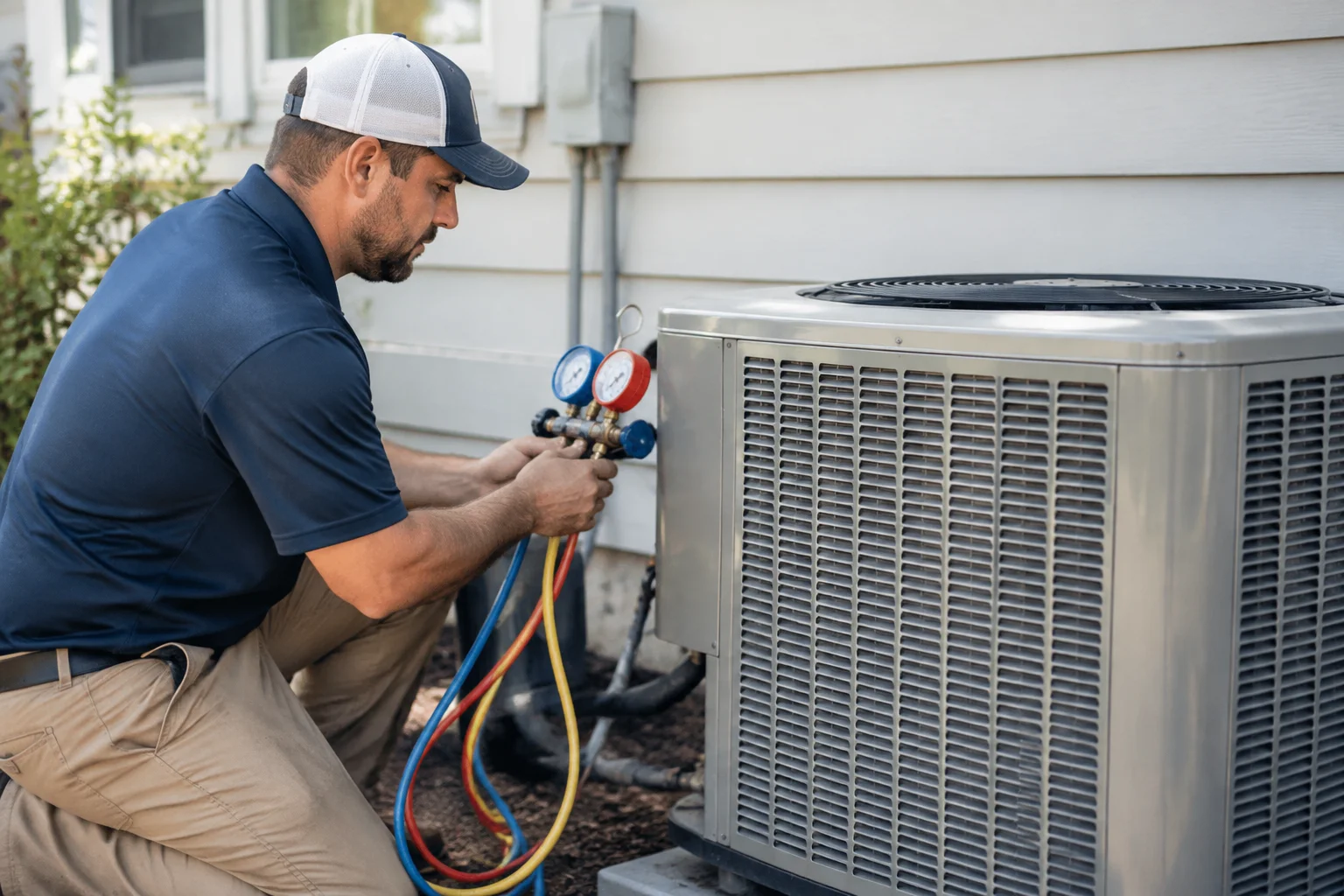
Because the HVAC system moves air throughout the home, it can either improve air quality or spread contaminants. Dirty filters, blocked return vents, leaky ducts, and poor humidity control can all affect test results. Before testing, make sure the filter is installed correctly and the system is operating normally.
If the home has ongoing comfort problems, it may also be worth looking at related services such as Heating Control Systems. Better control over temperature and run time can help reduce indoor humidity swings that contribute to poor air quality.
Common causes of misleading or incomplete test results
Indoor air quality testing is only as useful as the conditions around it. Several common issues can make the results harder to trust if they are not accounted for.
Humidity that changes throughout the day
In Fort Walton Beach, humidity levels can shift quickly with weather and HVAC cycles. A home may test fine in the morning and feel damp by late afternoon. If the test is done during a dry stretch or after the system has been off for a while, it may not reflect the normal pattern.
This is one reason local experience matters. A technician familiar with the area understands how Gulf Coast weather, storm fronts, and cooling loads affect indoor readings. That context helps separate a true issue from a temporary condition.
Hidden water intrusion
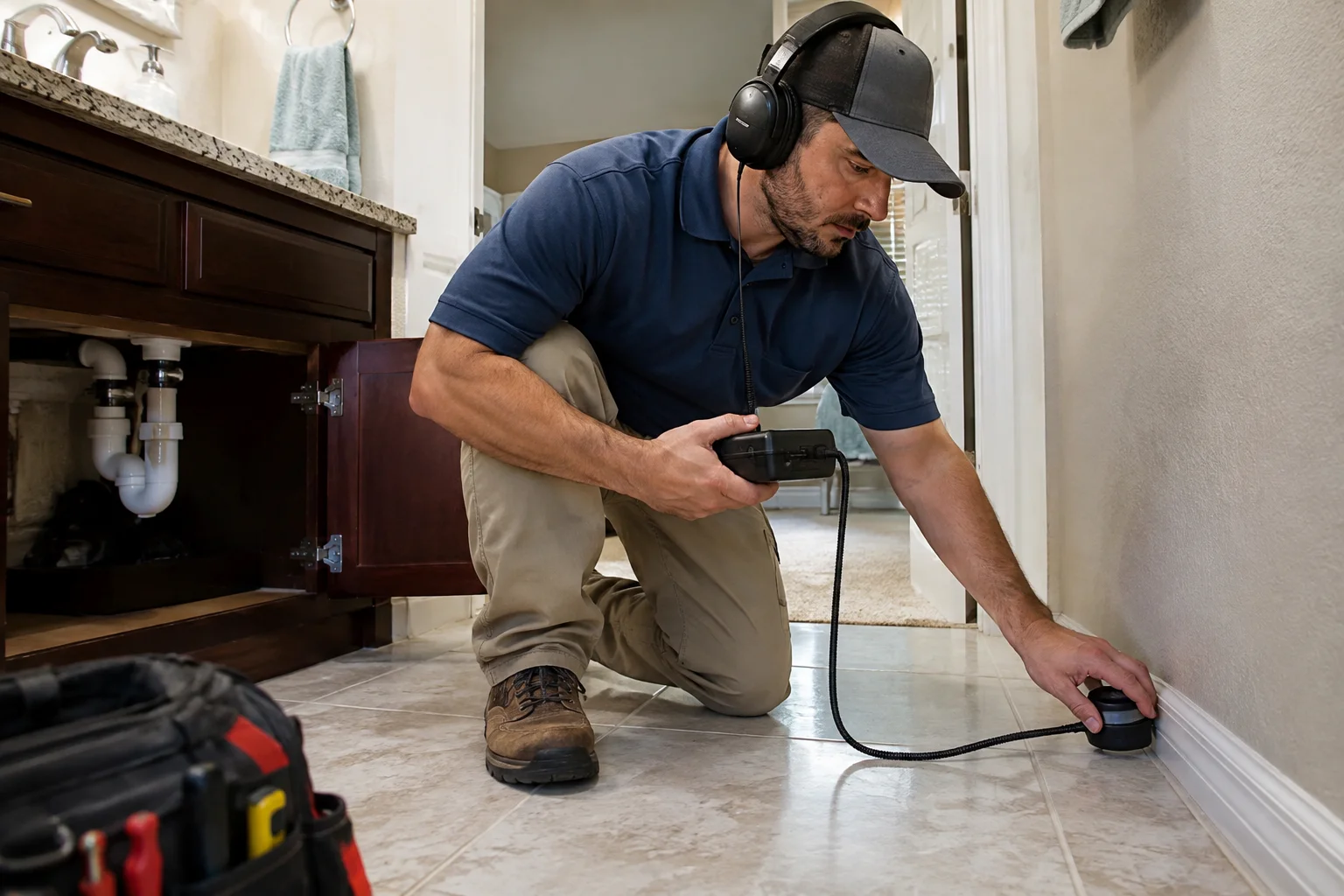
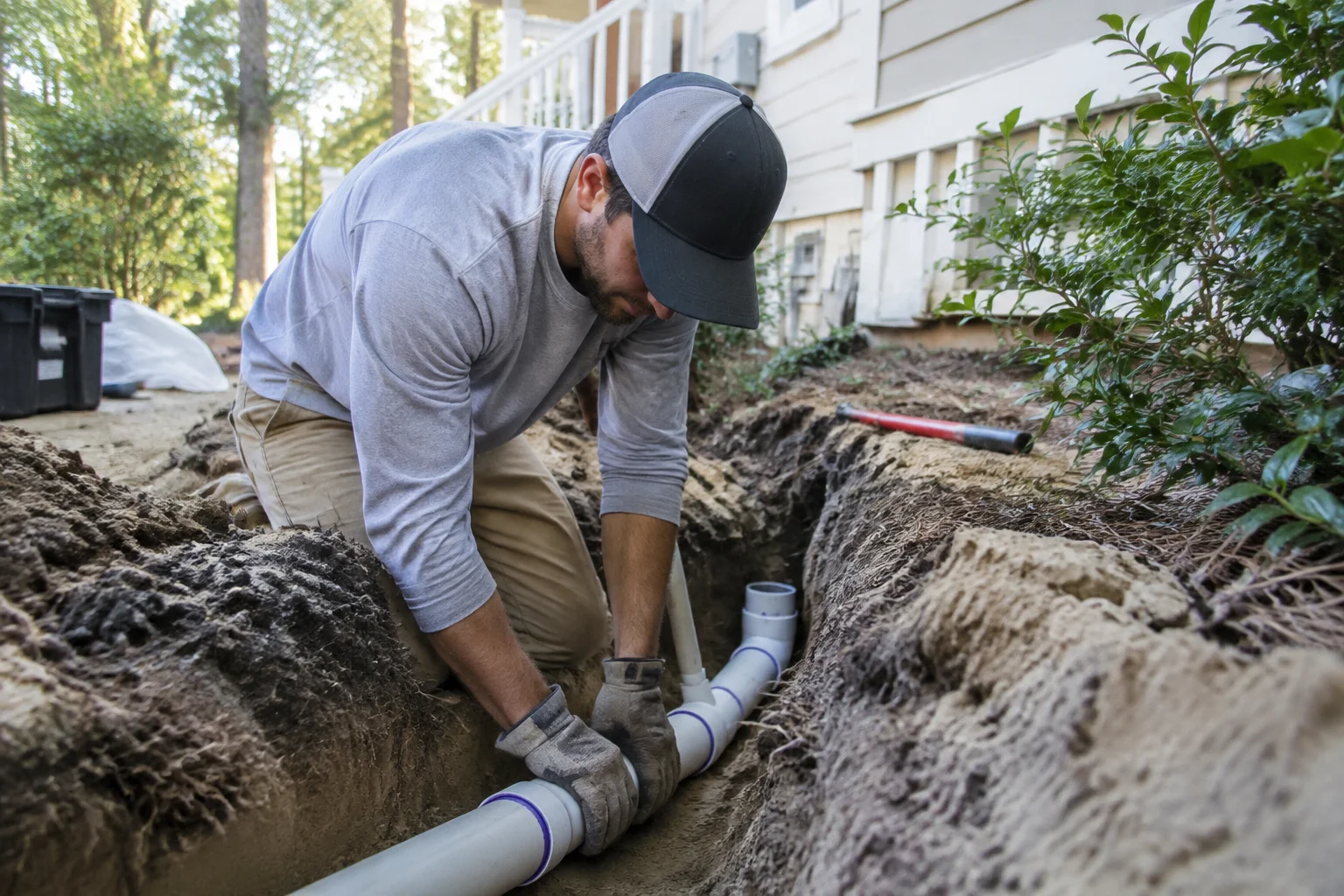
Moisture behind walls, under floors, or in attic insulation can create air quality concerns long before the damage is obvious. If a home has had past leaks, condensation around ducts, or drainage problems, testing should be paired with a careful inspection of those areas. For some properties, a Sewer & Drain Camera Inspection may also be useful if odors or moisture are coming from plumbing or drainage lines.
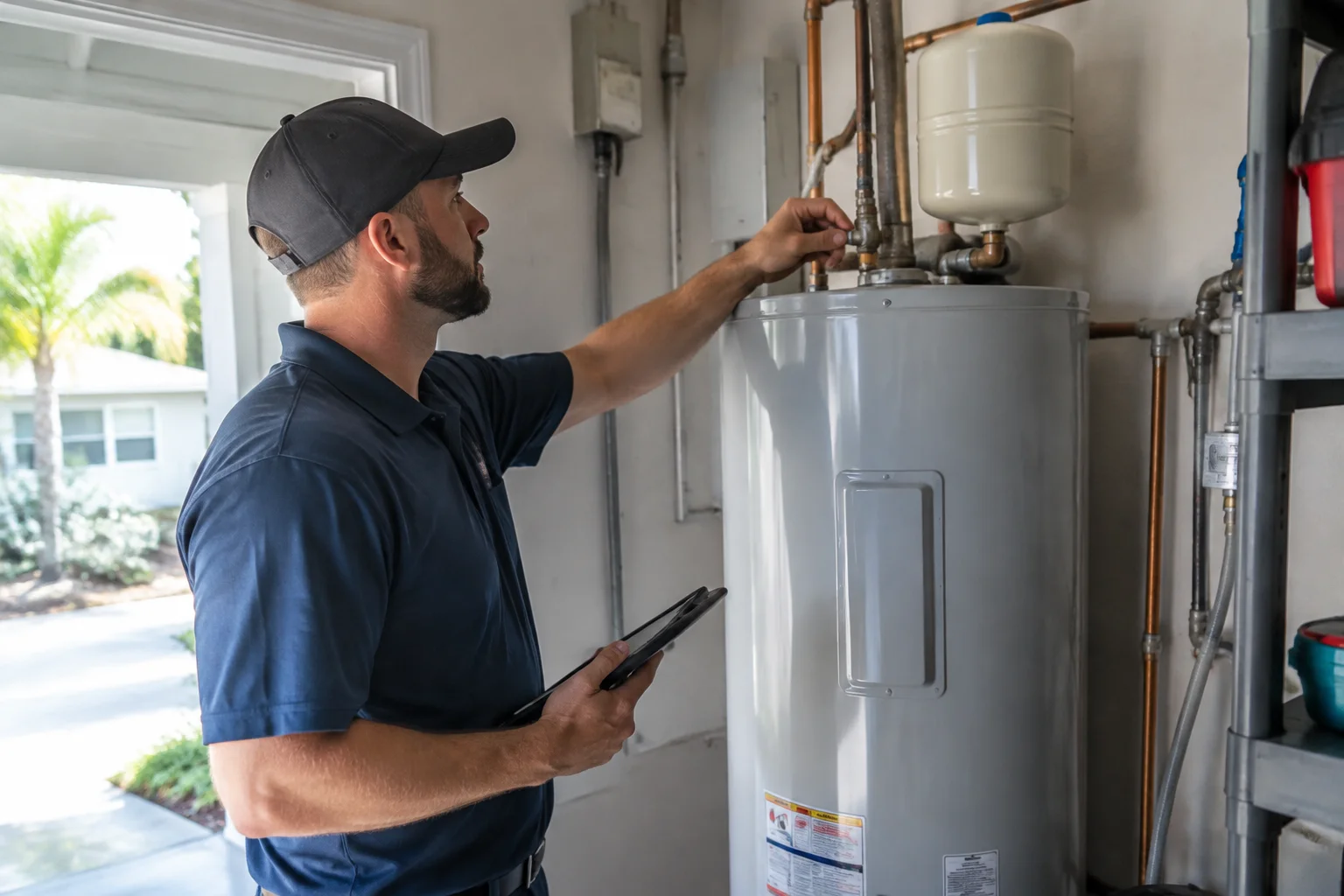
Homeowners should also pay attention to damp spots near water heaters, laundry rooms, and utility closets. If equipment in those areas is aging or leaking, it can create conditions that affect both air quality and comfort. In some cases, a new Water Heater Installation may help eliminate an ongoing source of moisture or corrosion related concerns.
Poor ventilation in newer or remodeled homes
Homes that have been updated for energy efficiency can sometimes become too tight if ventilation was not planned carefully. That can trap odors, humidity, and indoor pollutants inside. For homeowners planning additions or larger projects, it helps to think about air quality early. Articles like A proactive plan for new construction HVAC in Fort Walton Beach starts long before the drywall goes up and Planning New Construction HVAC in Fort Walton Beach for Comfort That Lasts explain why system design affects long term air quality as much as temperature control.
Homeowner habits that help protect indoor air quality
Testing is important, but day to day maintenance also makes a difference. Simple habits can reduce the chance of recurring problems and help your HVAC system support cleaner indoor air.
Change filters on schedule
Filters that are clogged or overdue for replacement can reduce airflow and allow more dust to circulate. In a humid climate, restricted airflow can also make it harder for the system to remove moisture. Follow the filter schedule recommended for your system and check it more often during heavy cooling months or if you have pets.
Control indoor moisture
Keep an eye on bathrooms, kitchens, laundry rooms, and attics. Use exhaust fans when cooking or showering, and make sure they vent properly. If a room feels damp even with the AC running, that is a sign the system may need attention. Persistent moisture can lead to odors, staining, and biological growth that show up in testing.
Watch for dust and airflow problems
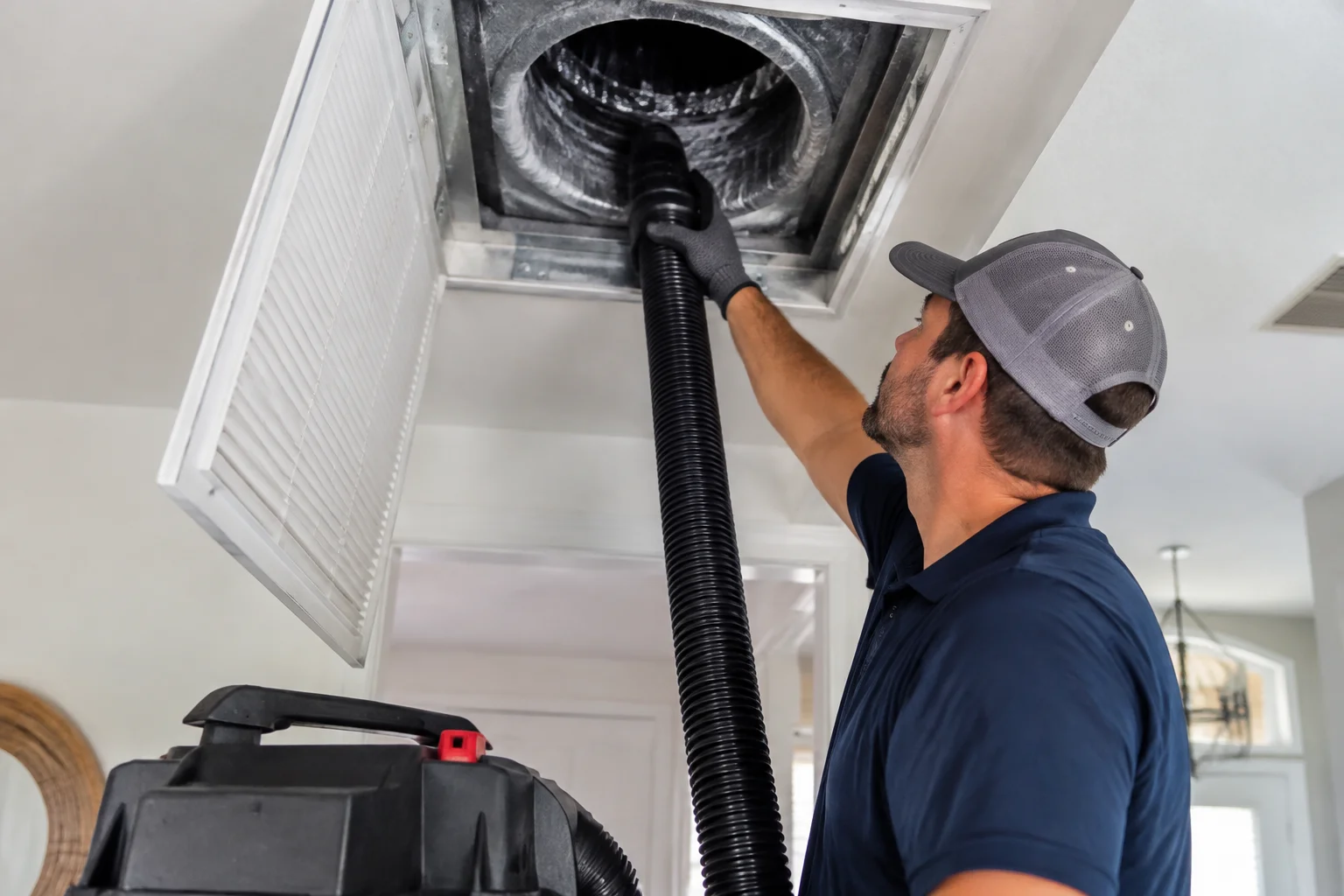
Dust that returns quickly after cleaning can point to leaky ducts, poor filtration, or return air problems. Uneven airflow can also allow some rooms to become more humid than others. If the home has a property manager or rental turnover issue, services like Property Management HVAC Services can help keep systems checked between occupants so air quality concerns do not go unnoticed.
How local service improves the testing process
Indoor air quality testing is more helpful when the technician understands local housing conditions. In Fort Walton Beach, that includes coastal humidity, storm exposure, mixed age housing stock, and the way many homes rely heavily on air conditioning for most of the year. A local provider is more likely to recognize patterns that a generic test might overlook.
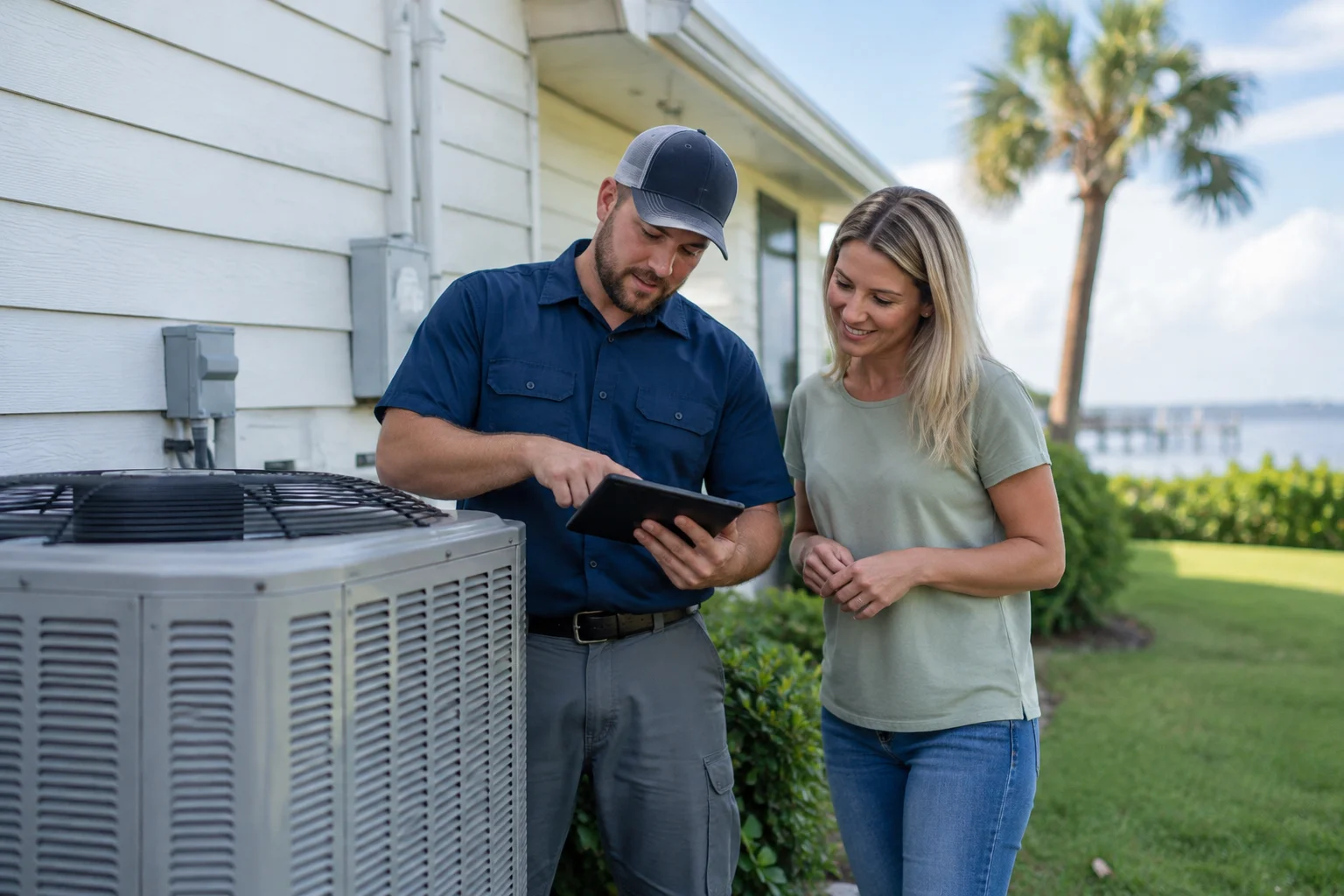
That local knowledge also helps with next steps. If the testing shows a humidity issue, the solution may involve HVAC adjustments, duct sealing, drainage corrections, or ventilation improvements rather than a one size fits all fix. When the source is tied to the system itself, professional service can prevent the same problem from coming back.
If your home has ongoing comfort complaints, visible condensation, or a musty smell that keeps returning, scheduling Indoor Air Quality Testing in Fort Walton Beach, FL can help identify the cause before it turns into a bigger repair. For homeowners comparing service options across the area, the city page at Fort Walton Beach is a helpful place to start.
When a professional inspection is the better choice
DIY air monitors can provide basic information, but they usually do not explain why a problem is happening. Professional testing is the better choice when symptoms keep returning, multiple rooms are affected, or moisture damage is suspected. It is also the better option if a home has had recent flooding, roof damage, HVAC issues, or unexplained odors.
Because indoor air quality problems are often linked to HVAC performance, a technician can look at the whole picture rather than one reading. That may include airflow, humidity control, filtration, ventilation, and possible contamination sources. In some cases, the air quality concern is connected to a repair that should be handled right away, such as a leak or a system that is not cycling correctly.
For homeowners in Fort Walton Beach and throughout Okaloosa County, that combination of testing and local HVAC knowledge can make the difference between a temporary fix and a lasting solution.
A Superior Mechanical helps homeowners identify the causes of poor indoor air quality and make practical improvements that fit local conditions. If your home feels damp, dusty, or hard to keep comfortable, professional testing can point you toward the right next step.
Find Indoor Air Quality Testing in Fort Walton Beach, FL
If you need Indoor Air Quality Testing in Fort Walton Beach, FL, visit our local service page or contact A Superior Mechanical today.
Map of Fort Walton Beach, FL
Frequently Asked Questions
How often should a Fort Walton Beach home have indoor air quality testing?
Most homes do not need testing on a fixed schedule, but it is smart to schedule it if you notice musty odors, humidity problems, unexplained allergy symptoms, or after water damage, HVAC issues, or remodeling.
Can high humidity affect indoor air quality test results?
Yes. Fort Walton Beach humidity can change quickly and may influence readings for moisture, mold risk, and comfort. That is why local testing and proper timing matter.
What problems does indoor air quality testing look for?
Testing can help identify humidity concerns, ventilation issues, airborne contaminants, and HVAC related air quality problems. It can also point to conditions that may support mold growth or dust buildup.
Should I fix leaks before scheduling indoor air quality testing?
If you already know there is a leak, it is a good idea to address it quickly. Hidden moisture can affect the air and make testing less useful until the source is controlled.
Related Articles
- A proactive plan for new construction HVAC in Fort Walton Beach starts long before the drywall goes up
- Planning New Construction HVAC in Fort Walton Beach for Comfort That Lasts
- Commercial HVAC Installation in Fort Walton Beach Homes: Problems Local Property Owners Should Not Overlook
- Why Homeowners Need Water Leak Repairs in Fort Walton Beach, FL
Photo Gallery