Commercial HVAC systems in Fort Walton Beach work hard. Coastal humidity, long cooling seasons, salt air, and sudden weather shifts all put steady pressure on equipment that serves offices, retail spaces, restaurants, medical facilities, and mixed use properties. Over time, those conditions can turn a small issue into a larger repair, especially when maintenance gets delayed or a system is pushed beyond its normal load.
For property owners and managers looking for commercial HVAC repair in Fort Walton Beach, FL, it helps to understand what causes wear, which warning signs matter most, and how routine care can lower repair costs. Local service matters here because the climate is not gentle on equipment, and the right repair plan has to account for both the building and the weather.
Why Fort Walton Beach puts extra strain on commercial HVAC systems
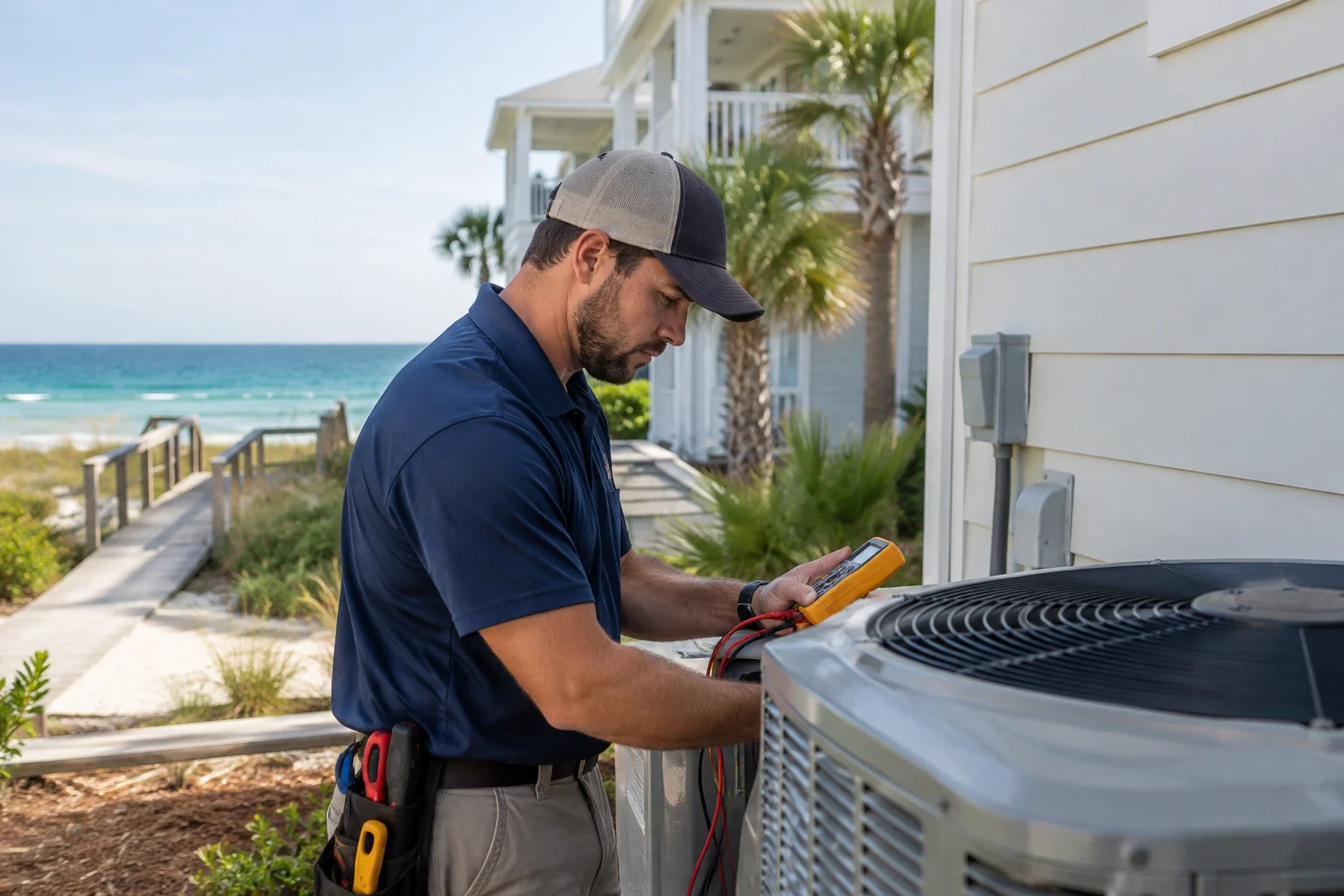
Fort Walton Beach sits in a coastal zone where heat and humidity stay high for much of the year. That means commercial HVAC systems often run for long stretches, especially during the hottest months. When a unit cycles frequently or runs nearly nonstop, parts wear faster, electrical components get stressed, and airflow problems show up sooner.
Salt in the air is another factor. Even if a building is not right on the water, coastal air can still speed up corrosion on coils, fasteners, electrical connections, and exterior cabinets. Over time, that corrosion can reduce efficiency and lead to expensive repairs. In Okaloosa County, where weather can swing from muggy afternoons to stormy evenings, systems also have to handle sudden changes in demand. For more local context, many property owners keep an eye on service needs across Okaloosa County because the same weather patterns affect buildings throughout the area.
For a deeper look at the climate side of the issue, see How Fort Walton Beach Weather Can Wear Down Commercial HVAC Maintenance Over Time.
What usually drives repair costs upward over time
1. Dirty coils and restricted airflow
When coils collect dirt, salt residue, or biological growth, the system has to work harder to move heat. That extra effort can show up as longer run times, warmer indoor temperatures, and higher utility bills. Restricted airflow can also damage compressors and fans, which are far more expensive to replace than a filter or cleaning service.
2. Moisture and drainage problems
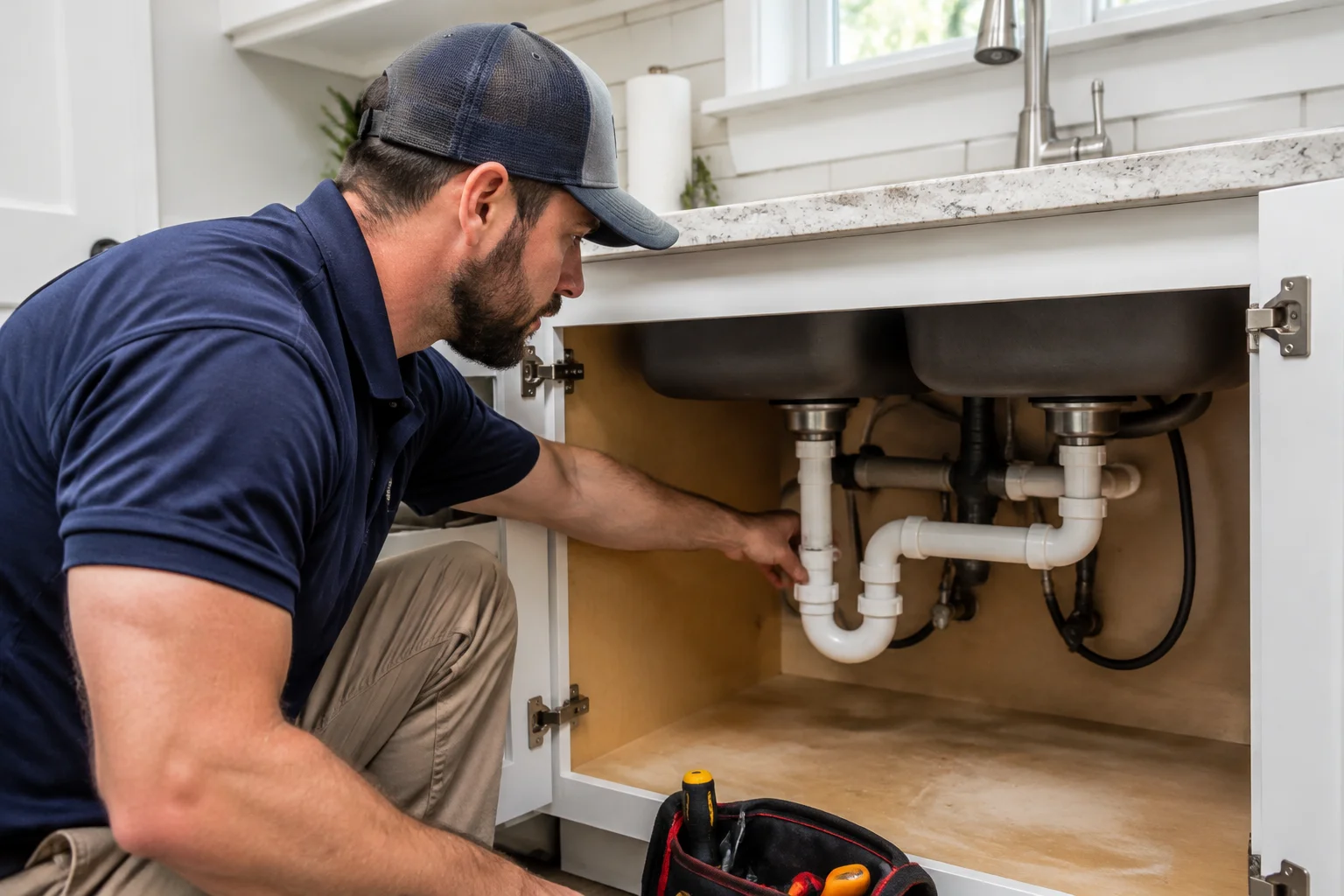
Humidity is part of daily life in Fort Walton Beach, and HVAC systems remove a lot of moisture from the air. If drain pans, condensate lines, or pumps are clogged, moisture can back up into the system or building. That can lead to water damage, rust, mold concerns, and electrical issues. In some buildings, drainage problems are first noticed because of nearby plumbing repair needs or water intrusion around mechanical spaces.
3. Electrical wear and control failures
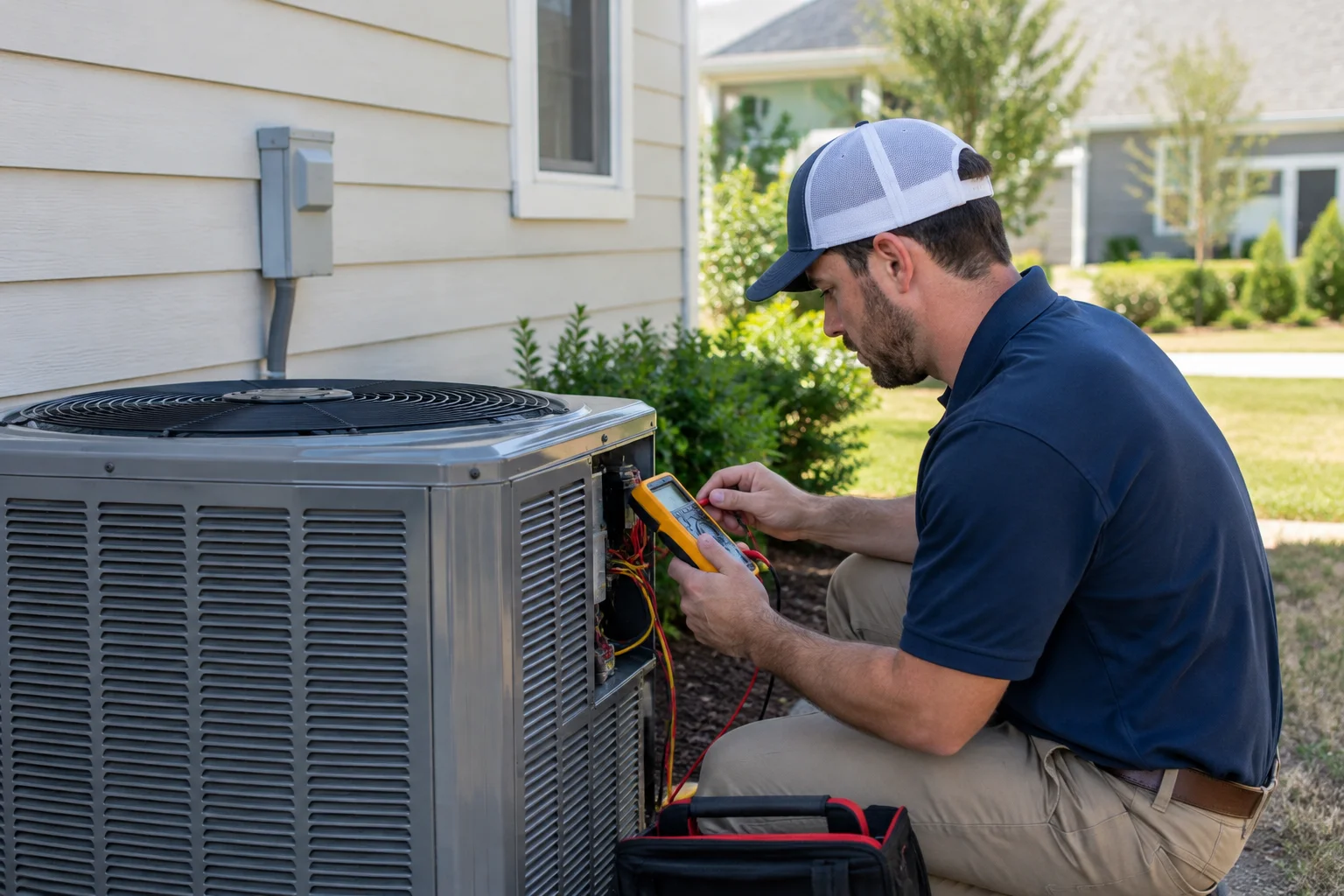
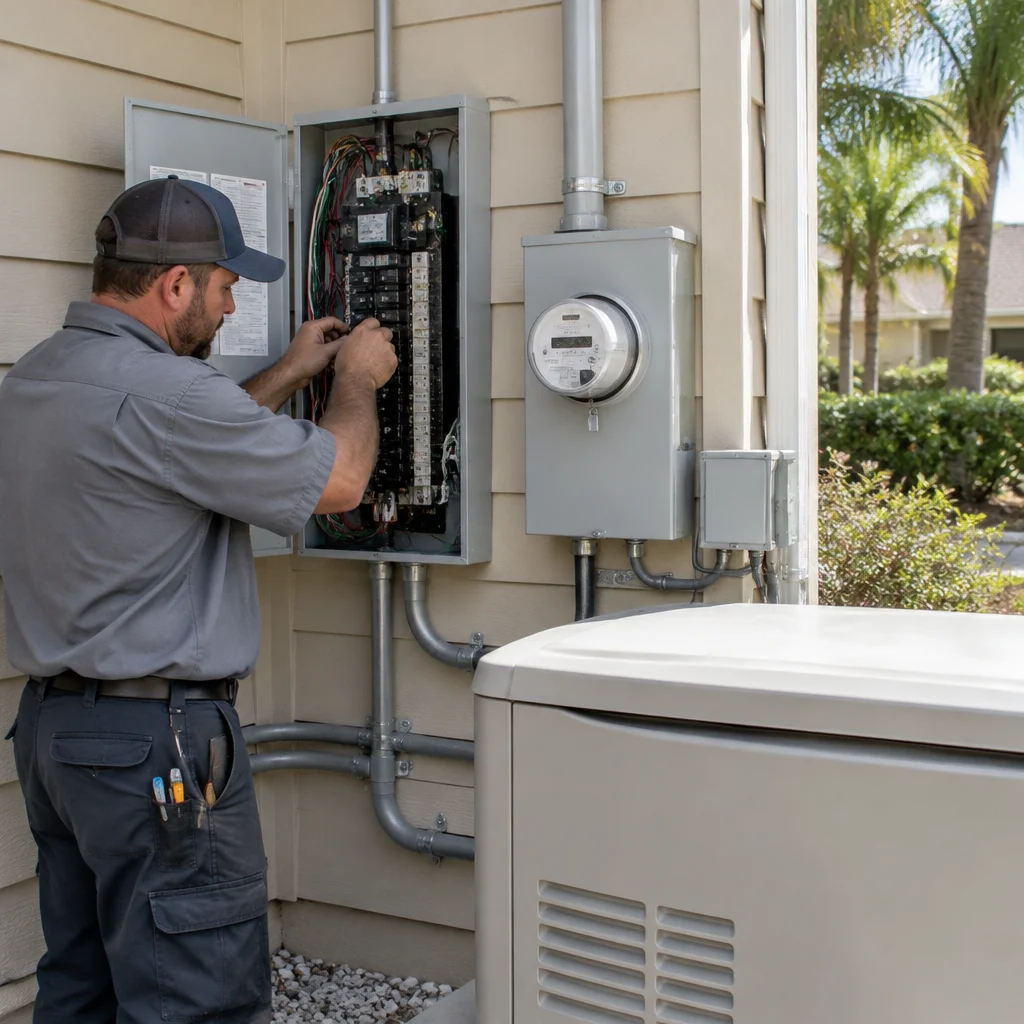
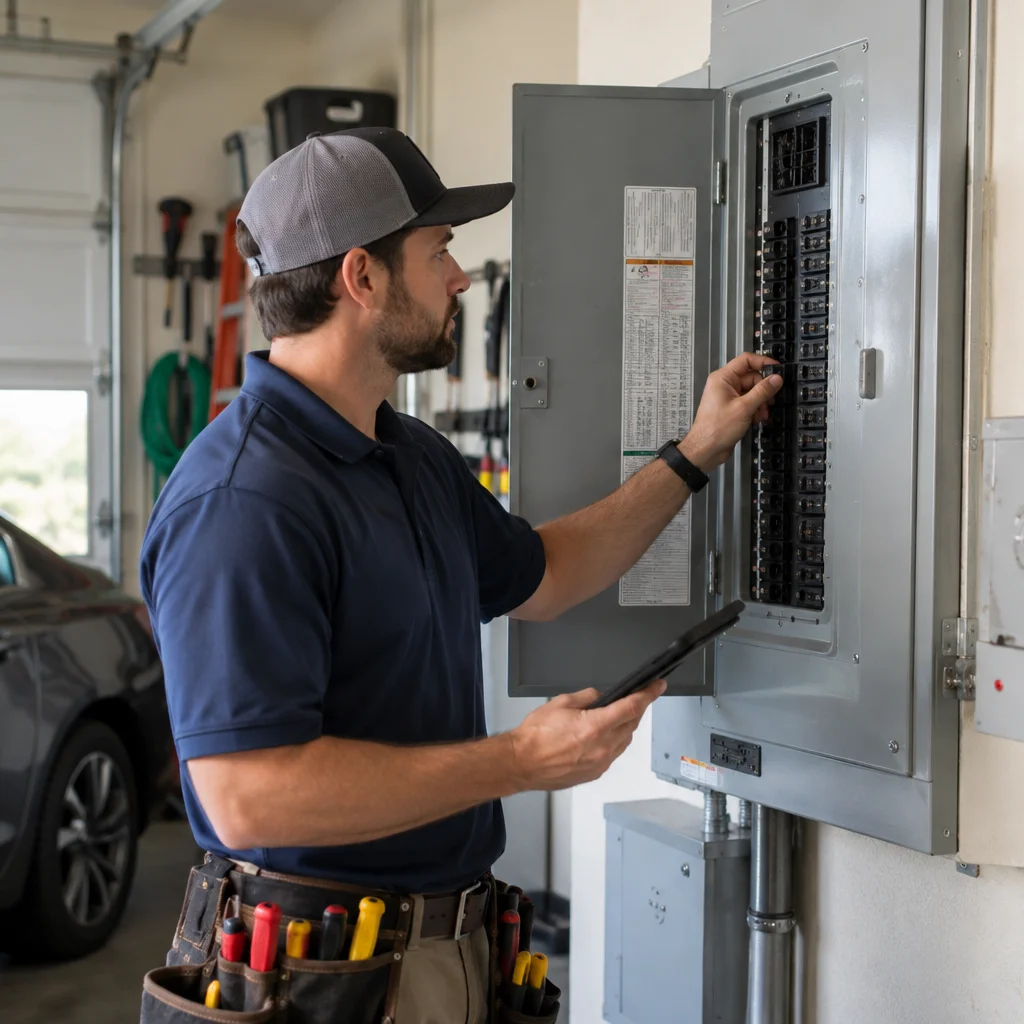
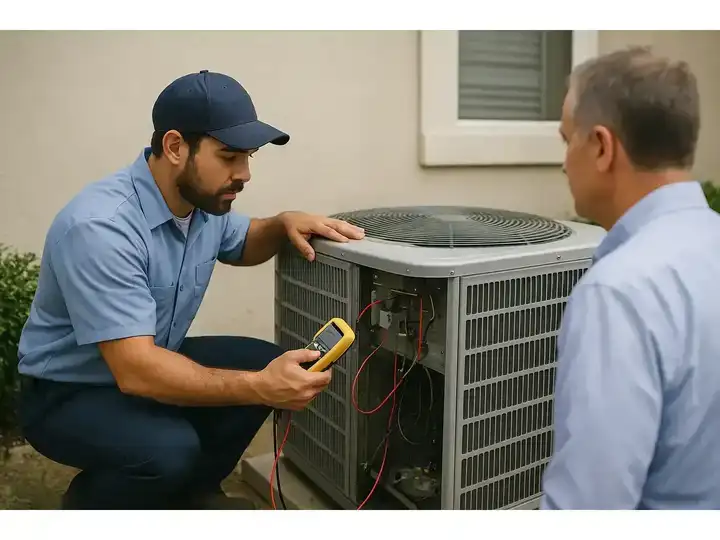
Contactors, relays, capacitors, and thermostats all age with use. In a coastal market, corrosion can make that wear happen even faster. A small electrical fault may cause short cycling, weak cooling, or a complete shutdown. Controls and sensors can also drift out of calibration, which makes the system run inefficiently even when it appears to be working.
4. Aging rooftop units and heavy runtime
Many commercial properties in Fort Walton Beach rely on rooftop units that take direct sun, wind, rain, and salt exposure. Those units often age faster than indoor equipment because they are exposed to harsher conditions. If a rooftop unit has already seen years of heavy use, repair costs may rise as major components start failing one by one. Businesses planning ahead often review options in Smart Commercial HVAC Planning for Fort Walton Beach Businesses to avoid repeated emergency calls.
5. Poor maintenance history
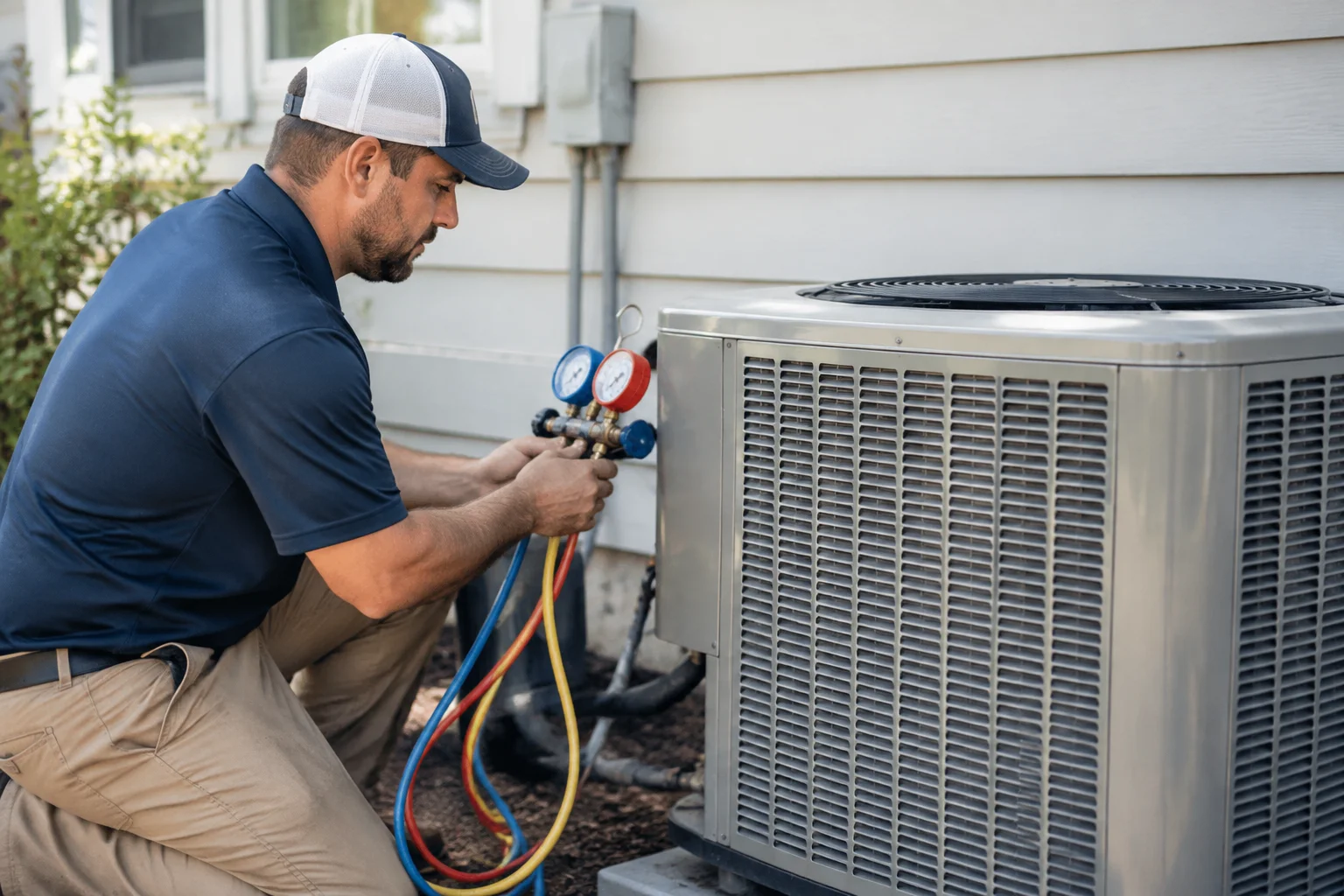
Skipping tune ups is one of the fastest ways to increase repair costs over time. Dirty filters, loose belts, refrigerant leaks, and clogged drains are easier and cheaper to fix early. When those issues go unnoticed, they can damage larger components and create more downtime for the building.
How local homes and businesses feel commercial HVAC stress differently
Even though this article focuses on commercial HVAC repair, many Fort Walton Beach property owners manage both residential and commercial buildings, or they live near the businesses they operate. Seasonal stress affects both types of properties, but commercial systems usually face longer operating hours, more occupants, and more complicated load demands. A restaurant kitchen, a medical suite, and a retail shop all place different demands on the equipment.
That is one reason local service matters. A technician who understands Fort Walton Beach buildings knows how humidity, salt air, storm prep, and peak summer cooling demand affect repair decisions. The right fix is not just about getting the unit back on. It is about making sure the repair matches the building’s real conditions and usage pattern.
Warning signs that repairs may be getting more expensive
Some problems start small and grow quietly. If a commercial HVAC system is taking longer to cool the building, making new noises, or cycling on and off more often than usual, the issue is already affecting performance. Uneven temperatures from room to room can point to airflow, duct, or zoning problems. Higher utility bills without a clear explanation may also signal declining efficiency.
Other signs include musty odors, water near the unit, tripped breakers, or a thermostat that does not seem to match the actual indoor temperature. If the system is blowing air but not cooling enough, there may be a refrigerant issue, a failing compressor, or a control problem that needs professional attention. For sudden breakdowns, local property owners sometimes turn to Keeping Cool Through the Unexpected: Emergency HVAC Help for Fort Walton Beach Homes for a broader look at emergency response and planning.
Maintenance steps that can save money over time
Keep filters on a regular schedule
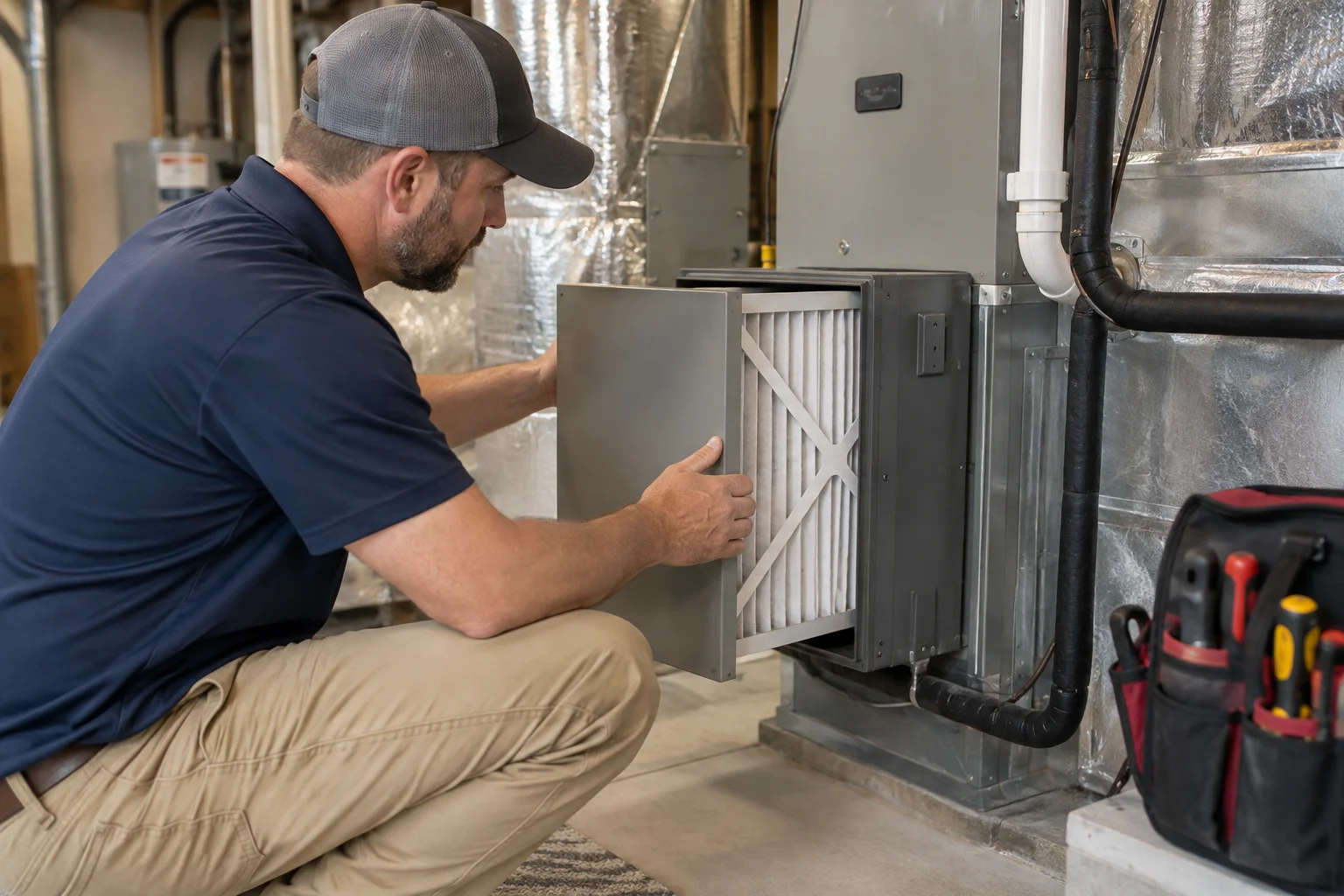
Filters should be checked and replaced based on the building’s use, not just on a calendar. Dusty retail spaces, kitchens, and medical environments often need more frequent changes. Clean filters help airflow stay steady and reduce stress on fans and motors.
Clean coils and inspect drainage
Coil cleaning is one of the most valuable maintenance tasks in a coastal climate. Pair that with drain line inspections, and you reduce the chance of water damage and performance loss. In humid weather, drainage issues can develop quickly, so it pays to stay ahead of them.
Watch for corrosion and seal failures
Outdoor units and rooftop systems should be checked for rust, loose panels, damaged insulation, and failing seals. Small openings can let in moisture and debris, which shortens the life of the system. In coastal Fort Walton Beach, exterior wear should never be ignored just because the unit is still running.
Test controls before peak season
Before summer demand rises, it is smart to test thermostats, sensors, contactors, and safety controls. Catching a failing part early can prevent a full shutdown during the hottest stretch of the year. Businesses that rely on stable indoor conditions, such as offices and medical spaces, benefit from this kind of planning.
Address airflow and zoning issues early
Uneven cooling is often a sign that the system is not balanced correctly. Duct issues, damper problems, or equipment that is too large or too small for the space can all drive up wear over time. In some buildings, upgrading to VRF multi zone HVAC systems may help improve comfort and control across different areas of the property.
Why local service can lower long term repair costs
A local commercial HVAC contractor brings more than parts and tools. They bring experience with the climate, the building styles, and the common failure points seen in Fort Walton Beach and across Okaloosa County. That local knowledge helps narrow down the problem faster, which can reduce downtime and avoid unnecessary replacements.
At A Superior Mechanical, commercial HVAC repair is handled with the demands of local properties in mind. Fast diagnostics, practical repairs, and dependable service matter when a broken system affects employees, customers, patients, or inventory. Local businesses often need a team that can respond quickly and make repairs that hold up in coastal conditions.
If you are comparing service options in the area, it also helps to look at the broader support available in the city through the Fort Walton Beach service area. That gives property owners a clearer picture of the local coverage and the types of systems serviced nearby.
How to reduce repeat repairs before they start
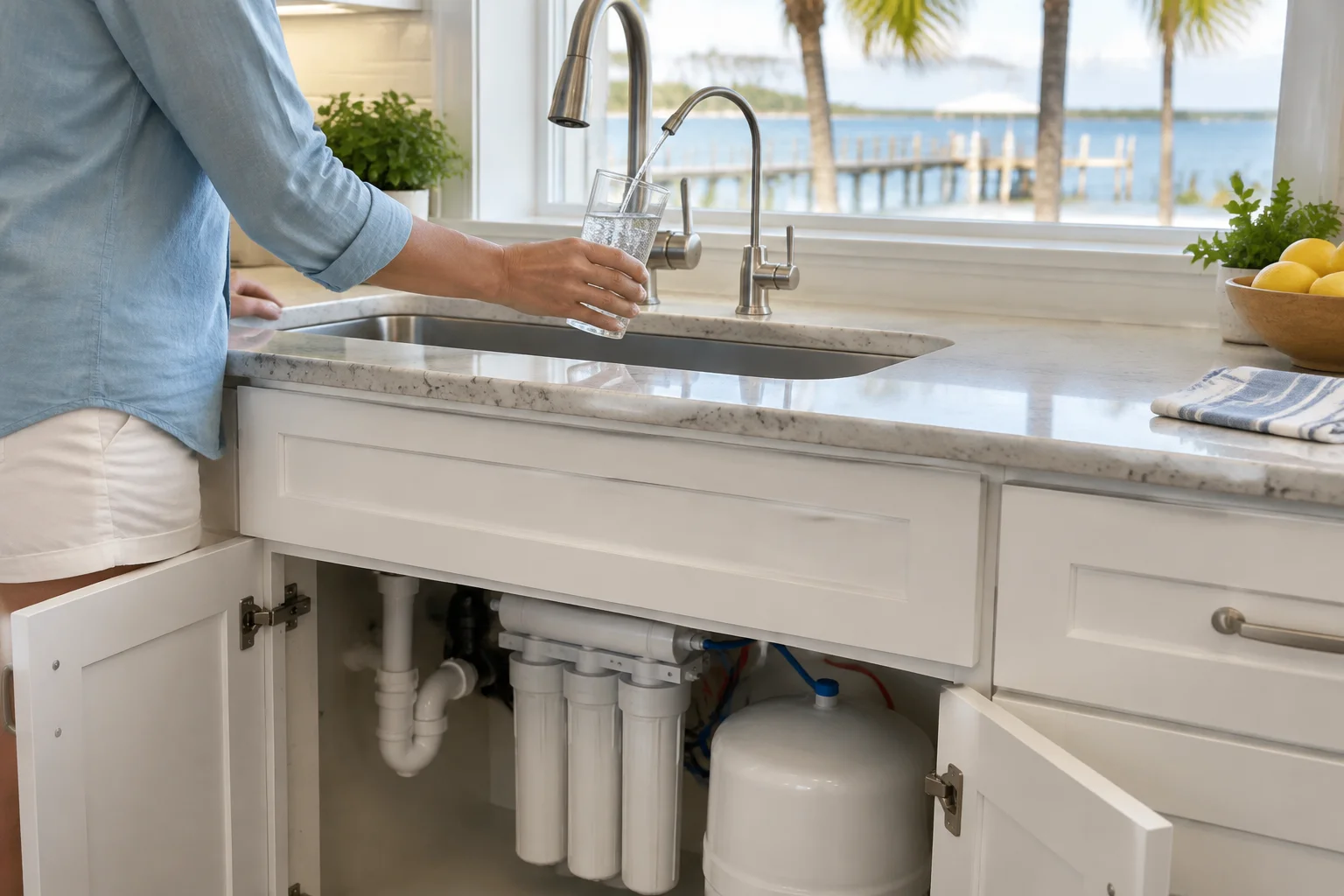
Some of the best savings come from simple habits. Keep mechanical rooms clean and accessible. Replace filters on time. Schedule inspections before summer and again before the cooler months. Pay attention to small changes in sound, airflow, and temperature consistency. If the building has recurring water issues, it may also be worth looking at drainage, sewer, or moisture related concerns before they affect HVAC equipment. In some cases, nearby sewer repair and maintenance or water softening systems can help reduce the strain that hard water and drainage problems place on connected systems.
When a building is new or undergoing major changes, HVAC planning should start early. That is especially true for larger commercial projects, which is why some owners review A proactive plan for new construction HVAC in Fort Walton Beach starts long before the drywall goes up before making design decisions.
Commercial HVAC repair costs rarely stay low by accident in Fort Walton Beach. The combination of humidity, salt air, and long cooling seasons means small issues can turn into bigger ones if they are left alone. A practical maintenance plan, paired with a local technician who understands the area, can help keep equipment running longer and reduce the chance of surprise breakdowns.
For businesses that need responsive help, commercial HVAC repair in Fort Walton Beach, FL is most effective when it is based on prevention, quick diagnostics, and repairs suited to the local climate.
Find Commercial HVAC Repair in Fort Walton Beach, FL
If you need Commercial HVAC Repair in Fort Walton Beach, FL, visit our local service page or contact A Superior Mechanical today.
Map of Fort Walton Beach, FL
Frequently Asked Questions
How does Fort Walton Beach weather affect commercial HVAC systems over time?
Heat, humidity, salt air, and storm season all put extra stress on commercial HVAC equipment. Systems often run longer, corrode faster, and collect more moisture than they would in a drier climate.
What maintenance helps lower commercial HVAC repair costs?
Regular filter changes, coil cleaning, drain line checks, electrical inspections, and pre season tune ups can prevent many expensive repairs. Catching small problems early usually costs less than replacing major parts later.
Why is local commercial HVAC service important in Okaloosa County?
Local technicians understand how coastal weather affects rooftop units, controls, and airflow. That experience helps them diagnose problems faster and recommend repairs that fit Fort Walton Beach conditions.
Can drainage problems affect HVAC performance in commercial buildings?
Yes. Clogged condensate drains or moisture buildup can cause water damage, rust, mold concerns, and electrical issues. In some buildings, plumbing or drainage problems can contribute to HVAC trouble as well.
Related Articles
- Keeping Cool Through the Unexpected: Emergency HVAC Help for Fort Walton Beach Homes
- How Fort Walton Beach Weather Can Wear Down Commercial HVAC Maintenance Over Time
- Smart Commercial HVAC Planning for Fort Walton Beach Businesses
- A proactive plan for new construction HVAC in Fort Walton Beach starts long before the drywall goes up
Photo Gallery