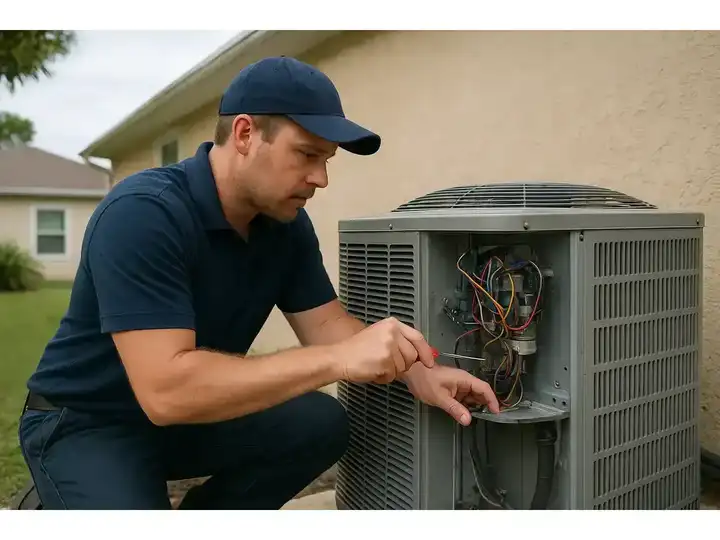
Air conditioning systems in Seagrove Beach work harder than many homeowners realize. Along 30A and across Walton County, the mix of Gulf humidity, salt air, sandy conditions, and long cooling seasons can wear down equipment faster than expected. A system that seems fine one summer can start losing efficiency the next if small issues go unchecked.
For homeowners, vacation rental owners, and property managers, understanding what affects an AC system over time makes it easier to protect comfort and avoid surprise repairs. If you need local help with air conditioning systems in Seagrove Beach, FL, working with a contractor who knows coastal conditions can make a real difference. A team familiar with the area, including nearby service in Seaside and throughout Walton County, can spot the kinds of problems that show up again and again in beachside homes.
Why Seagrove Beach puts extra stress on AC equipment
Seagrove Beach weather is beautiful, but it is not always easy on cooling systems. High humidity means your AC is removing a lot of moisture from the air, not just lowering the temperature. That adds runtime and can increase wear on parts like the blower motor, evaporator coil, and condensate drain.
Salt in the air is another factor. Even homes a short distance from the water can see corrosion on outdoor condenser components, fasteners, and electrical connections. Over time, that corrosion can reduce performance and lead to expensive failures if the system is not protected and maintained properly.
Homes in this area also tend to run air conditioning for long stretches during the warm season. In rental properties, the system may run even harder because doors open and close frequently, guests adjust thermostats inconsistently, and occupancy patterns change from week to week. That kind of use can shorten the life of the equipment if maintenance is skipped.
Wear and tear that homeowners should not ignore
1. Dirty coils and restricted airflow
When evaporator or condenser coils collect dirt, salt residue, or pollen, the system cannot exchange heat efficiently. The AC may still run, but it has to work longer to cool the home. In coastal areas, buildup can happen faster than many homeowners expect.
Restricted airflow can also come from clogged filters, blocked return vents, or duct problems. If the system is struggling to move air, rooms may cool unevenly and energy bills may climb. For homes where indoor air quality is also a concern, pairing AC care with indoor air quality testing can help identify hidden issues affecting comfort.
2. Corrosion from salt air
Salt air does not just affect the visible exterior of an outdoor unit. It can attack coils, wiring, fan blades, and cabinet panels over time. Small areas of corrosion may not seem urgent at first, but they can spread and cause leaks, electrical failures, or reduced cooling output.
Homes closer to the beach often benefit from more frequent inspection and cleaning than inland homes. That is one reason local service matters. A technician who works in Seagrove Beach knows what coastal wear looks like and can recommend maintenance steps that fit the environment.
3. Refrigerant leaks and declining cooling performance
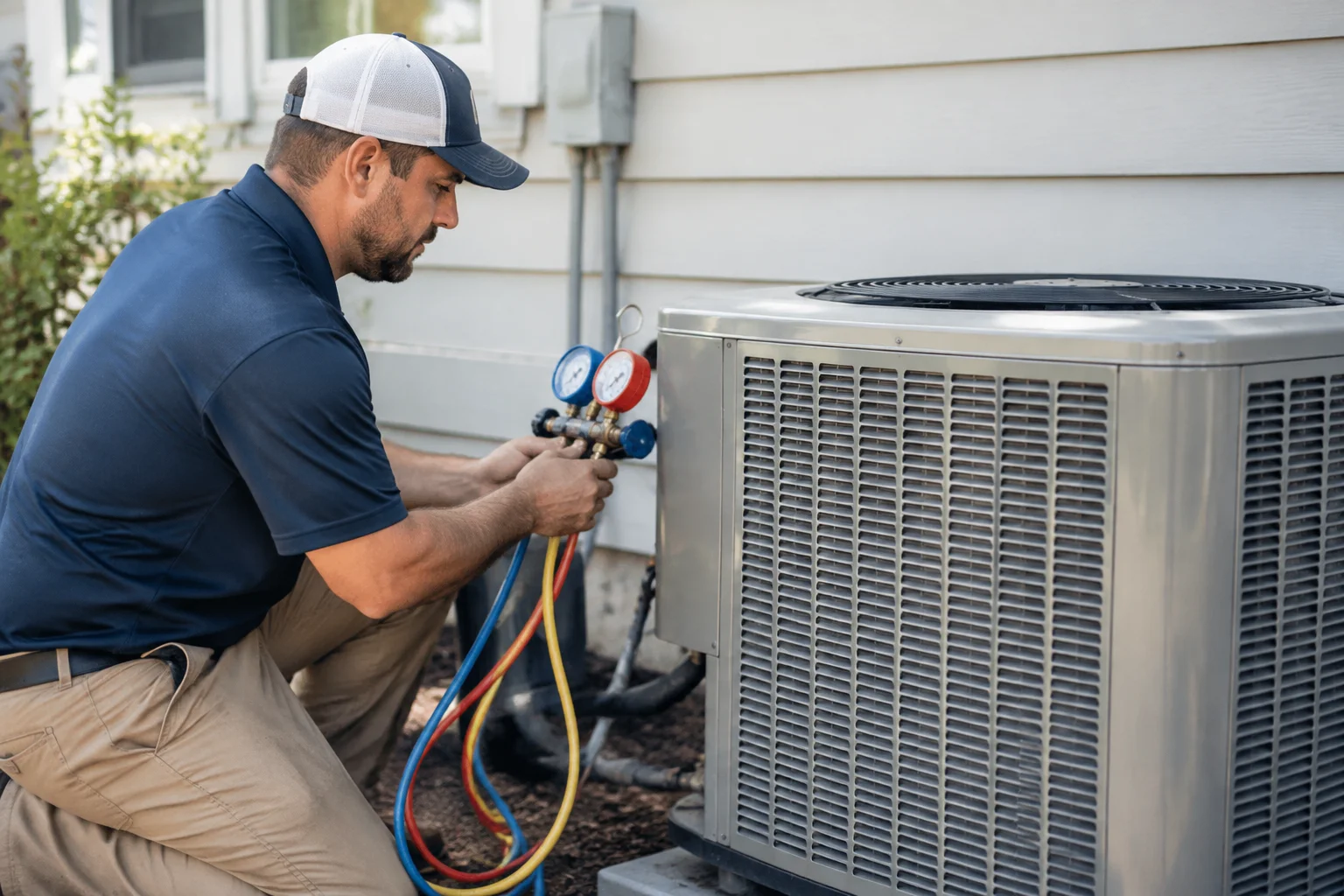
Low refrigerant is not something homeowners should ignore. If a system is running longer, blowing air that is not as cold as usual, or icing up, there may be a leak or another issue affecting pressure. Refrigerant problems can hurt comfort and damage the compressor if left unresolved.
Because AC systems are sealed, a leak usually points to a mechanical issue rather than a simple user error. That is why an air conditioning inspection can be valuable when a system starts acting differently. Catching a refrigerant issue early is usually much less expensive than replacing major components later.
4. Drainage problems from constant humidity
In coastal Florida, condensate drainage matters a lot. AC systems remove moisture from the air, and that water has to go somewhere. If the drain line clogs with algae, dirt, or debris, water can back up into the unit or leak into the home.
Drain issues are especially common during long cooling seasons because the system is producing condensate for much of the year. Homeowners may notice water near the air handler, musty odors, or a shutoff from the float switch. Those are signs the drainage path needs attention.
5. Electrical wear from frequent cycling
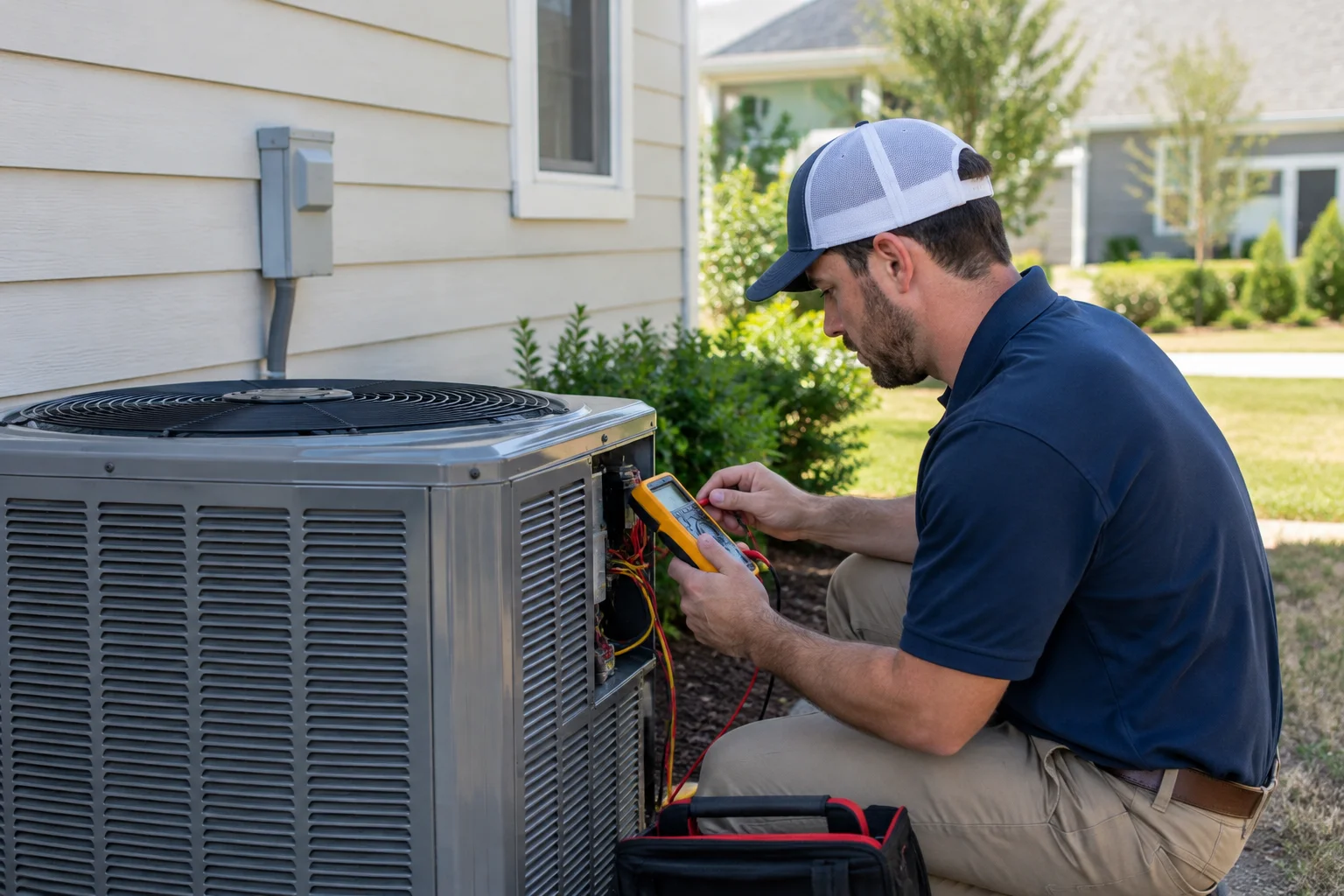
Thermostats, contactors, capacitors, and wiring all take a beating when an AC system cycles on and off repeatedly. In hot weather, that cycling can happen often. If the home is not well sealed or the system is undersized, the equipment may run even more than it should.
Electrical components can weaken gradually. A capacitor may start to fail before the system stops altogether, which is why some homeowners notice hard starts, humming, or intermittent cooling before a breakdown. Regular service can help catch those problems while they are still manageable.
How the home itself affects system life
Not every AC issue starts with the equipment. The condition of the home matters too. Poor insulation, leaky windows, unsealed ductwork, and gaps around doors can force the system to work harder than necessary. In older beach homes and renovated properties, these problems are common enough to deserve attention.
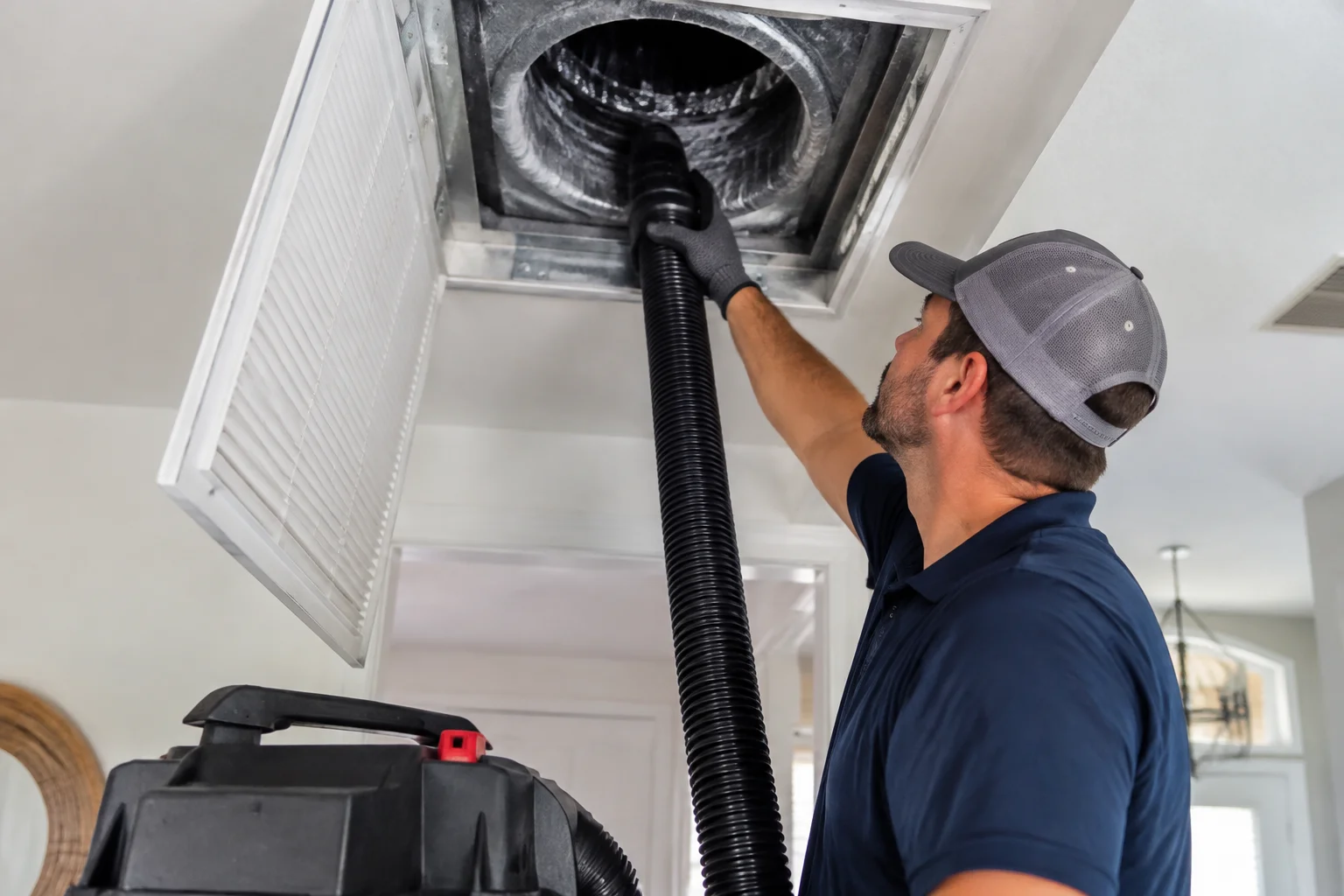
Ductwork is especially important. If ducts are dusty, leaking, or poorly insulated, the system can lose cooled air before it reaches the rooms that need it. That can create hot spots, higher bills, and more strain on the equipment. In homes where dust or allergens are a concern, duct cleaning may help improve airflow and reduce buildup in the system.
Vacation rentals can present another challenge. Guests may set thermostats very low, leave doors open, or overload the system with high occupancy and frequent activity. That kind of use can accelerate wear and make routine maintenance even more important.
Warning signs that deserve a closer look
Homeowners do not need to be HVAC technicians to notice when something is off. A few changes often point to a developing problem:
Rooms that no longer cool evenly, rising utility bills, weak airflow from vents, unusual noises, musty odors, short cycling, or water near the indoor unit. If the outdoor unit looks rusted or the system has trouble keeping up on humid afternoons, it may be time for service.
These symptoms do not always mean a major failure, but they do mean the system needs attention. Waiting usually turns small repairs into bigger ones, especially in a coastal climate where corrosion and moisture can speed up damage.
Maintenance habits that help systems last longer
Routine care is the best way to slow down wear. Homeowners can start with simple steps like changing filters on schedule, keeping the outdoor unit clear of leaves and sand, and making sure supply and return vents stay open. It also helps to keep an eye on drainage and to schedule professional service before peak cooling season.
Professional maintenance can include coil cleaning, electrical checks, refrigerant inspection, drain clearing, airflow testing, and a close look at corrosion. For many homes, an annual visit is a smart baseline. In beachside or high-use properties, more frequent service may be worth considering.
If your system is older, inconsistent, or showing signs of coastal wear, it may be time to compare repair and replacement options through air conditioning services. A well-timed repair can extend the life of the unit, while a replacement may make more sense if the system is inefficient or repeatedly breaking down.
Why local service matters in Seagrove Beach
AC problems in Seagrove Beach are not exactly the same as AC problems inland. Salt exposure, humidity, and seasonal demand patterns all affect how systems age. A local contractor understands those conditions and can recommend equipment, maintenance intervals, and repair strategies that fit the area.
That local knowledge matters for more than just convenience. It can affect how long the system lasts and how well it performs during peak heat. A service provider familiar with Walton County homes can also recognize patterns related to beach construction, rental turnover, and airflow issues that may not be obvious during a quick visit.
For businesses and property owners managing larger or more complex systems, the same principle applies. Reliable cooling depends on proactive care, not just emergency repairs. Homeowners who want a deeper look at system care in commercial settings may also find this helpful: A Smarter Way to Approach Commercial HVAC Repair in Seagrove Beach, FL.
Keeping indoor comfort steady through the seasons
Year-round comfort in Seagrove Beach depends on more than just having an AC system installed. It depends on how the system handles humidity, salt air, airflow, and daily use over time. Small problems like a dirty coil or clogged drain can snowball if they are ignored. Bigger issues like corrosion or refrigerant loss can shorten the life of the equipment and affect comfort throughout the home.
Homeowners who stay ahead of maintenance usually get better performance, fewer surprises, and more predictable energy costs. If you are also trying to improve air quality and reduce dust, this related article may help: Keeping Indoor Air Cleaner in Seagrove Beach Homes Starts With the Right HVAC Habits.
Whether you own a primary residence, a second home, or a rental property, the smartest approach is to treat your cooling system like an important part of the home’s long-term health. In a place like Seagrove Beach, that means regular attention, local expertise, and a plan for both prevention and repair.
Find Air Conditioning Systems in Seagrove Beach, FL
If you need Air Conditioning Systems in Seagrove Beach, FL, visit our local service page or contact A Superior Mechanical today.
Map of Seagrove Beach, FL
Frequently Asked Questions
How often should air conditioning systems be serviced in Seagrove Beach, FL?
Most homes should have AC maintenance at least once a year, but coastal homes and rental properties may benefit from more frequent inspections because of salt air, humidity, and heavier use.
Does salt air really damage AC equipment?
Yes. Salt can speed up corrosion on outdoor components, wiring, and fasteners. Over time, that can reduce efficiency and lead to breakdowns if the system is not cleaned and maintained properly.
What is the most common AC problem in humid beach areas?
Dirty coils, drainage issues, and airflow problems are very common because systems run longer and remove more moisture from the air. Refrigerant leaks and corrosion are also frequent concerns.
Can duct cleaning help an AC system perform better?
It can. If ducts are dusty, leaking, or restricted, airflow may suffer and the system may work harder. Duct cleaning can be part of a broader indoor comfort and maintenance plan.
Related Articles
- A Smarter Way to Approach Commercial HVAC Repair in Seagrove Beach, FL
- Keeping Indoor Air Cleaner in Seagrove Beach Homes Starts With the Right HVAC Habits
- Keeping Commercial HVAC Systems Reliable in Seagrove Beach Homes and Properties
- Reducing HVAC Installation Problems in Seagrove Beach Commercial Spaces Starts Before the First Unit Is Set
Photo Gallery