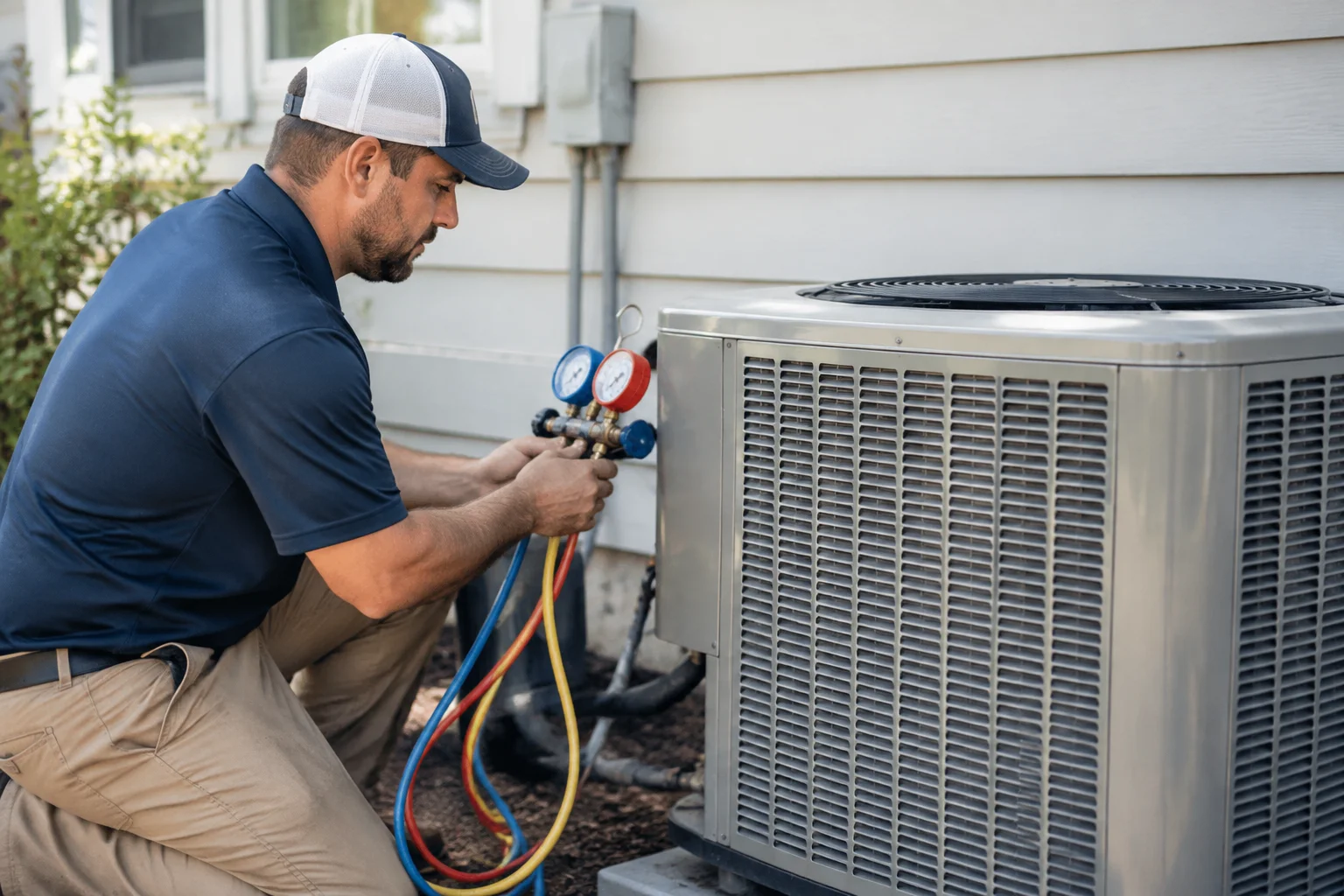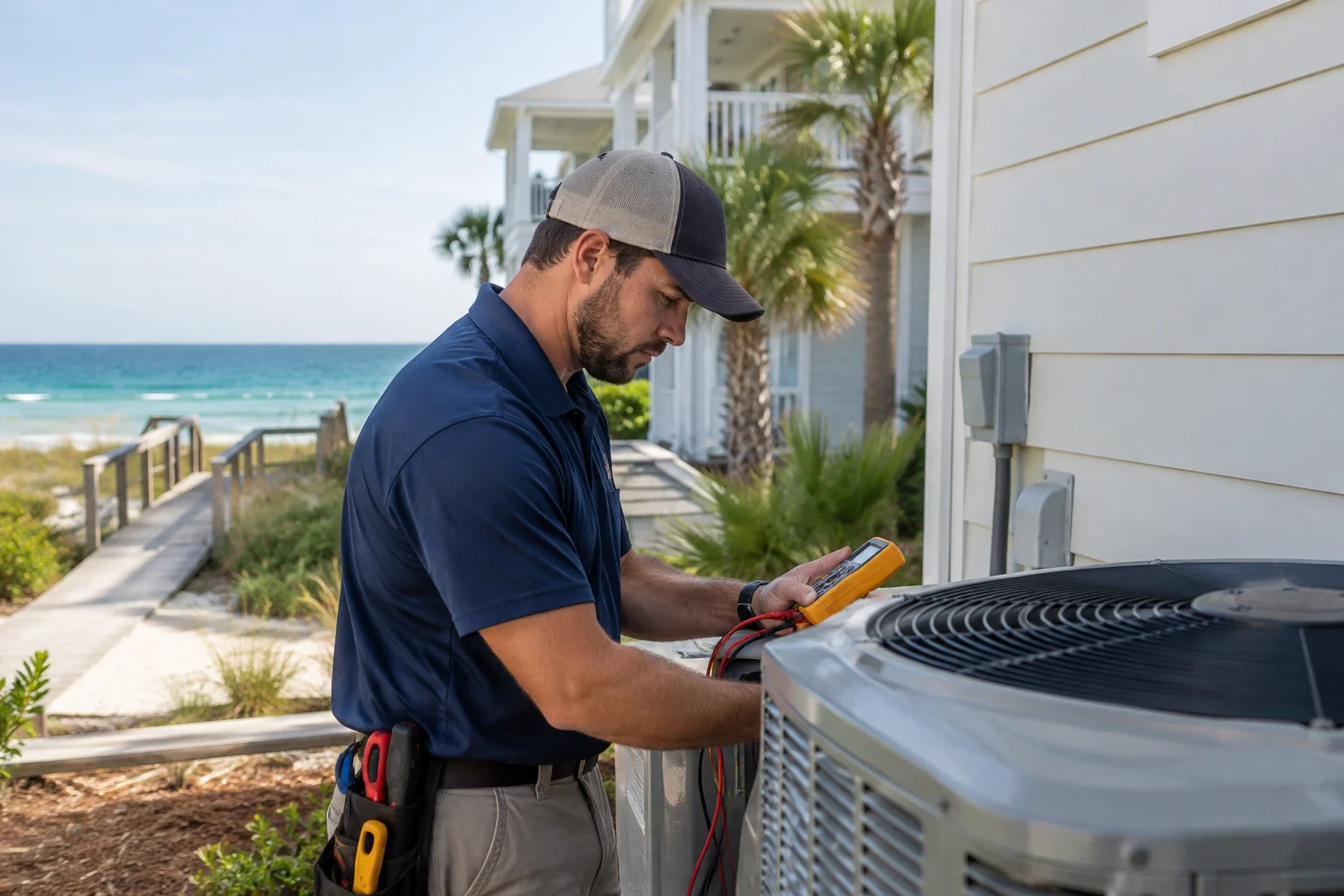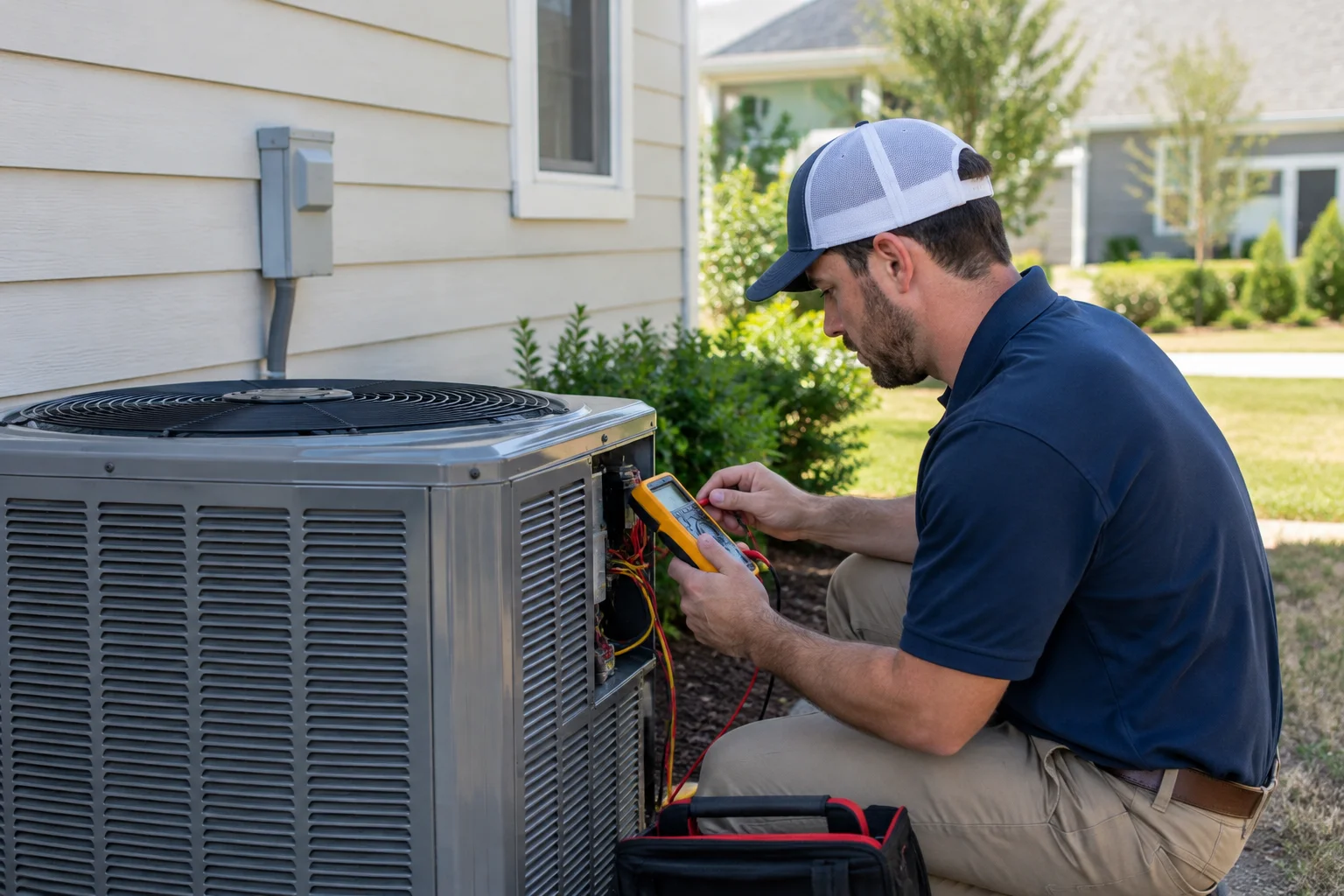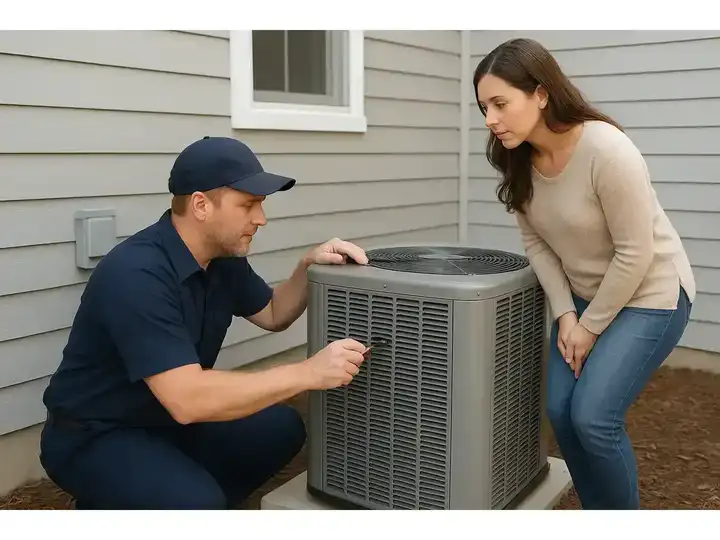
Commercial HVAC installation in Seagrove Beach, FL has to do more than cool a building. It needs to handle salt air, heavy humidity, long cooling seasons, and the demands of commercial spaces that stay occupied throughout the day. When an installation is rushed or poorly planned, the result is often higher repair risk, uneven comfort, and early equipment wear.
For homeowners who own rental properties, mixed use buildings, small offices, or coastal commercial spaces in Walton County, the installation process matters just as much as the equipment itself. A system that is sized correctly, ducted properly, and matched to the building can save money over time and reduce service calls. If you are comparing options for commercial HVAC installation in Seagrove Beach, it helps to understand the issues that cause problems later.
Why Seagrove Beach buildings put extra stress on HVAC systems
Seagrove Beach sits in a coastal part of Walton County where heat and humidity are part of everyday life for much of the year. That climate does not just make a building uncomfortable. It also creates conditions that can strain HVAC systems from the start. Moisture can collect in ductwork, salty air can corrode outdoor components, and systems may run longer to keep indoor temperatures stable.
Commercial properties in the area also vary widely. Some are newer buildings with tighter envelopes. Others are older structures that have been renovated over time. That mix makes local installation knowledge important. A system that works well inland may not perform the same way near the coast. That is why many property owners look to a contractor familiar with Seagrove Beach and the surrounding service area rather than relying on a one size fits all setup.
Installation mistakes that often lead to repair calls
Incorrect system sizing
One of the most common problems starts with sizing. If a commercial HVAC system is too small, it may run constantly and still struggle to keep up on hot afternoons. If it is too large, it can short cycle, which means it turns on and off too often. That kind of operation can increase wear, reduce humidity control, and create uneven temperatures across the building.
In Seagrove Beach, sizing should account for more than square footage. Occupancy, glass exposure, ceiling height, insulation quality, and equipment loads all matter. In a restaurant, retail shop, or office, those details can change how the system should be designed.
Poor duct design or leaky ductwork
Duct problems can undermine an otherwise solid installation. If ducts are undersized, poorly routed, or not sealed well, airflow suffers. That can leave some rooms too warm, put extra stress on the blower, and make the system work harder than it should. In coastal properties, duct leaks can also pull in humid air, which makes the building feel sticky and can contribute to mold growth.
If ductwork is already aging or damaged, a project may need duct replacement as part of the installation plan. Addressing duct issues early can prevent a new system from inheriting old problems.
Skipping humidity control planning
Humidity is one of the biggest HVAC concerns in Seagrove Beach. A system can cool a space but still leave it damp if the installation does not account for moisture removal. That often leads to complaints about stuffy air, condensation on vents, and discomfort even when the thermostat says the temperature is right.
Good humidity control depends on proper sizing, correct airflow, and equipment that is designed for the building load. In some spaces, ductless options may help solve problem areas or supplement an existing system. For certain layouts, ductless mini-splits can be a practical fit.
Improper placement of outdoor equipment
Outdoor units in coastal areas need room to breathe and protection from salt exposure when possible. If a condenser is installed too close to a wall, near debris, or in a spot where drainage is poor, it can struggle and fail sooner. Corrosion is another concern near the beach, especially if the unit is exposed to salt spray or standing moisture.
Placement should also make sense for service access. If technicians cannot reach the unit easily, maintenance becomes more difficult and small issues are more likely to be ignored until they become repair problems.
Weak electrical planning
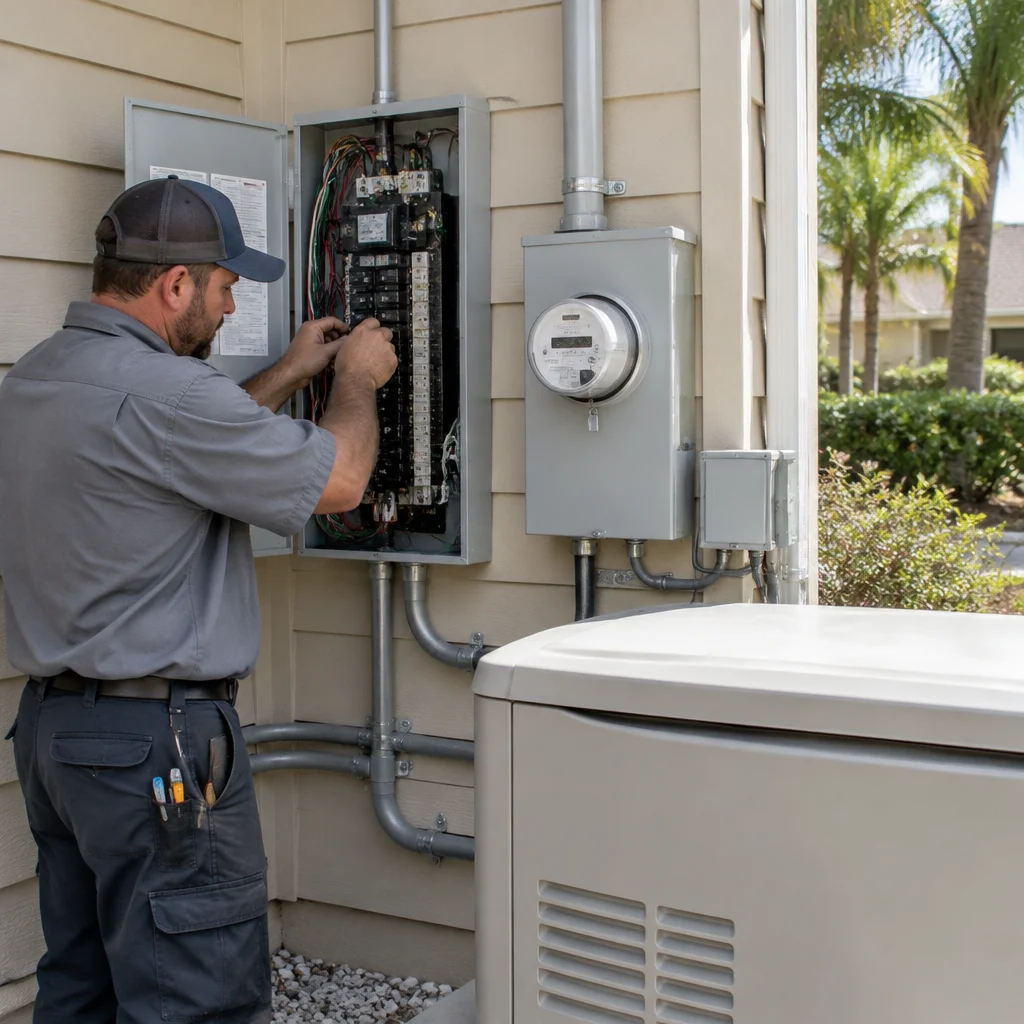
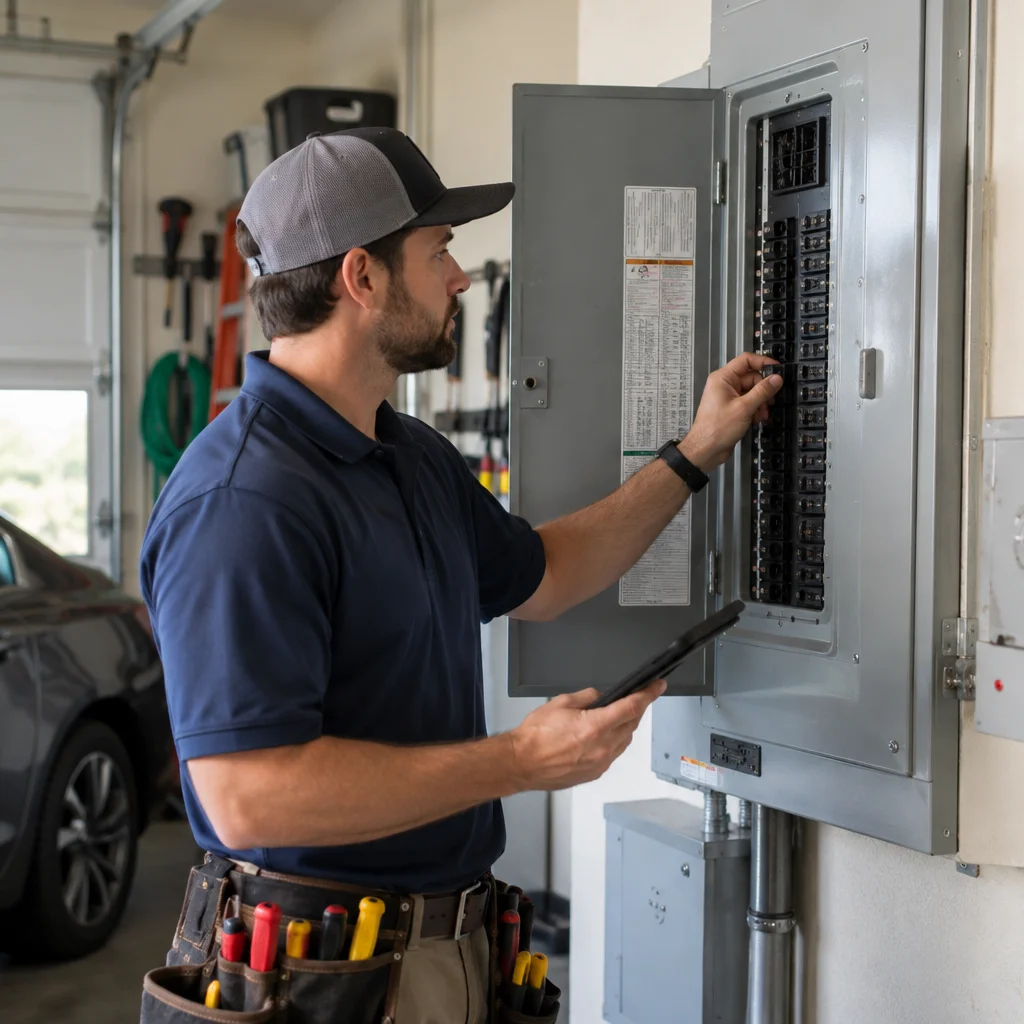
Commercial HVAC systems need the right electrical support. If wiring, breakers, disconnects, or controls are not set up correctly, the system may trip, fail to start, or operate inconsistently. Electrical issues can also create safety concerns. A careful installation includes checking the power supply, confirming compatibility, and making sure controls are installed and tested properly.
How homeowners and property owners can reduce repair risk
Many repair problems start long before the first hot day of the season. The best protection is a thoughtful installation process that matches the building and the climate. That means load calculations, duct evaluation, equipment selection, and a plan for drainage, ventilation, and service access.
It also means choosing a contractor who understands the local environment in Walton County. Coastal humidity, salt air, and long cooling seasons should shape the installation plan. A system installed with those conditions in mind is more likely to stay reliable and less likely to create service headaches later. For broader HVAC care across the area, some property owners also review Walton County service options to keep their systems supported over time.
Pay attention to drainage and condensate management
Condensate problems are common in humid climates. If the drain line is not installed properly, water can back up, leak, or create moisture around the unit. That can damage ceilings, walls, and floors, especially in commercial interiors where water intrusion can interrupt business operations. A proper installation should include clear drainage paths and easy access for cleaning.
Insist on airflow testing
Airflow is one of the easiest things to overlook and one of the most important to get right. If airflow is too low, the system may freeze up or fail to dehumidify. If it is too high, comfort and efficiency can suffer. Testing after installation helps confirm that the system is moving air the way it should.
Plan for maintenance from day one
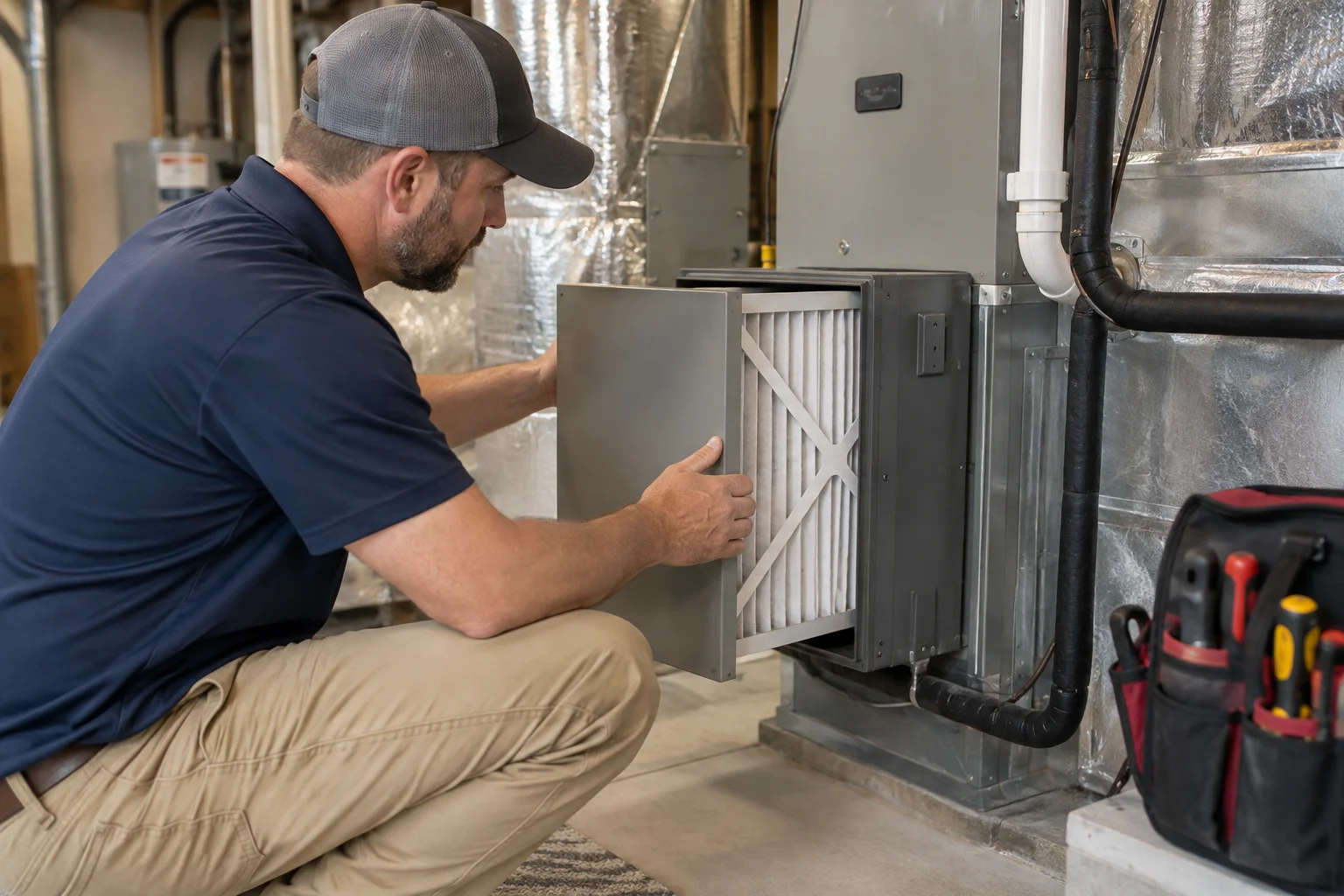
A reliable installation should make future maintenance easier. Filters should be accessible, panels should open cleanly, and components should be reachable for inspections. That kind of planning helps reduce downtime and makes routine service more effective. For owners who want to keep systems dependable, this approach pairs well with the advice in Keeping Commercial HVAC Systems Reliable in Seagrove Beach Homes and Properties.
Common warning signs after a new installation
Even a new system can show signs that something is off. Uneven temperatures between rooms, persistent humidity, frequent breaker trips, loud startup noises, or short cycling should not be ignored. These issues can point to installation problems, duct restrictions, control issues, or equipment that was not matched correctly to the building.
Unusual odors, water around the air handler, or weak airflow from vents are also worth checking quickly. In a coastal commercial property, small problems can grow faster because moisture and corrosion work against the system every day. If the issue is urgent, 24/7 emergency HVAC services may be the fastest way to limit damage and restore comfort.
Why local service matters in Seagrove Beach
Local service is about more than geography. A contractor who works regularly in Seagrove Beach and Walton County is more likely to understand the building styles, weather patterns, and equipment needs that affect commercial properties here. That can make a real difference during installation, especially when a building is close to the coast or has been updated in stages over time.
Local experience also helps with service planning after the install. When a system needs seasonal attention, a technician familiar with the area may spot patterns faster, recommend better maintenance intervals, and identify corrosion or drainage issues before they become major repairs. For business owners comparing options, commercial HVAC installation in Seagrove Beach, FL should always include the long view, not just the first day of operation.
How related HVAC habits support a better installation outcome
Some of the same habits that help residential systems stay cleaner and more efficient also apply to commercial properties. Keeping filters on schedule, protecting indoor air quality, and watching for signs of excess moisture all help the system stay healthier. Homeowners and property managers who want a practical maintenance mindset may also find value in Keeping Indoor Air Cleaner in Seagrove Beach Homes Starts With the Right HVAC Habits and Bringing Commercial HVAC Habits Home in Seagrove Beach for More Reliable Systems.
When a system is installed well and supported by steady upkeep, it is less likely to develop the kind of problems that lead to repeated repairs. That is especially important in a place like Seagrove Beach, where long cooling seasons can put more hours on equipment than many owners expect.
Choosing the right installation partner
A strong commercial HVAC installation should begin with questions about the building, the business use, and the local environment. The contractor should evaluate the space carefully, explain equipment choices clearly, and recommend a system that fits the property instead of forcing a standard setup into a unique building. That process is especially important for coastal commercial spaces where moisture and corrosion can shorten the life of a poorly planned installation.
A Superior Mechanical provides commercial HVAC installation designed for businesses across Walton County, with attention to efficiency, comfort, and long term reliability. For property owners in Seagrove Beach, the goal is not just to get a system running. It is to reduce avoidable repair risk, improve indoor comfort, and set the building up for dependable performance through the hottest months of the year.
When the installation is done with local conditions in mind, the system has a better chance of staying efficient, balanced, and easier to maintain. That is the difference between a quick install and one that supports the building for years.
Find Commercial HVAC Installation in Seagrove Beach, FL
If you need Commercial HVAC Installation in Seagrove Beach, FL, visit our local service page or contact A Superior Mechanical today.
Map of Seagrove Beach, FL
Frequently Asked Questions
Why does commercial HVAC installation in Seagrove Beach need special attention?
Seagrove Beach has coastal humidity, salt air, and long cooling seasons. Those conditions can affect sizing, duct design, drainage, and outdoor equipment placement, so local experience matters.
What installation problems most often lead to early repairs?
Common issues include incorrect system sizing, leaky or undersized ductwork, poor humidity control, weak electrical setup, and outdoor units placed in exposed or cramped locations.
Can duct problems affect a new commercial HVAC system?
Yes. Bad ductwork can restrict airflow, create uneven temperatures, and pull in humid air. In some projects, duct replacement is needed to protect the new system.
When should a property owner call for help after installation?
If the system short cycles, leaves the building humid, makes unusual noises, trips breakers, or leaks water, it should be checked by a professional right away.
Related Articles
- A Smarter Way to Approach Commercial HVAC Repair in Seagrove Beach, FL
- Keeping Indoor Air Cleaner in Seagrove Beach Homes Starts With the Right HVAC Habits
- Keeping Commercial HVAC Systems Reliable in Seagrove Beach Homes and Properties
- Bringing Commercial HVAC Habits Home in Seagrove Beach for More Reliable Systems
Photo Gallery